What survival gear do you really need? When unexpected situations arise, having the right tools can make all the difference between feeling lost and staying safe.
You might wonder which items are essential and which ones are just extra weight. This guide will help you focus on the gear that truly matters for your safety and peace of mind. Keep reading, and you’ll discover how to prepare yourself smartly without carrying unnecessary stuff.
Your safety starts with the right choices—let’s find out what those are.
Basic Survival Tools
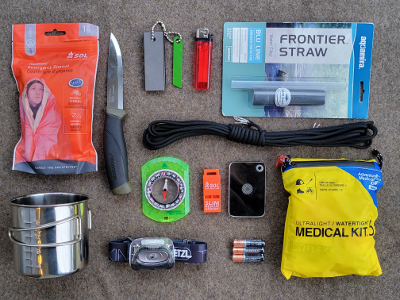
Basic survival tools form the foundation of any emergency kit. These tools help with essential tasks like cutting, lighting, and navigating. Choosing reliable gear ensures safety and efficiency in tough situations. Compact and easy-to-use items save time and effort. The right tools increase your chances of staying safe and comfortable.
Knives And Multi-tools
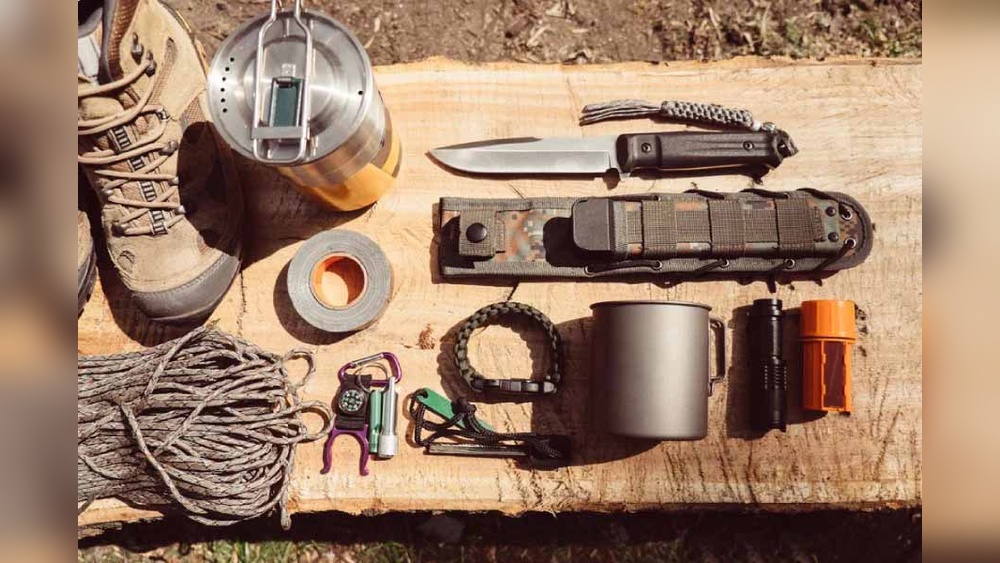
Knives are vital for cutting, preparing food, and building shelter. A sturdy blade can handle many tasks quickly. Multi-tools combine several functions into one device. They often include pliers, screwdrivers, and scissors. Carry a sharp, durable knife or multi-tool for versatility. Choose tools that feel comfortable in your hand.
Fire Starters
Fire provides warmth, light, and a way to cook food. Fire starters make lighting a fire easier and faster. Common types include waterproof matches, lighters, and ferro rods. Keep fire starters in a dry, accessible place. Practice using them before an emergency occurs.
Flashlights And Headlamps
Flashlights and headlamps offer reliable light in dark conditions. Headlamps free your hands for other tasks. Choose LED models for bright, long-lasting light. Carry extra batteries or a rechargeable option. A good light source improves safety and helps you find your way.
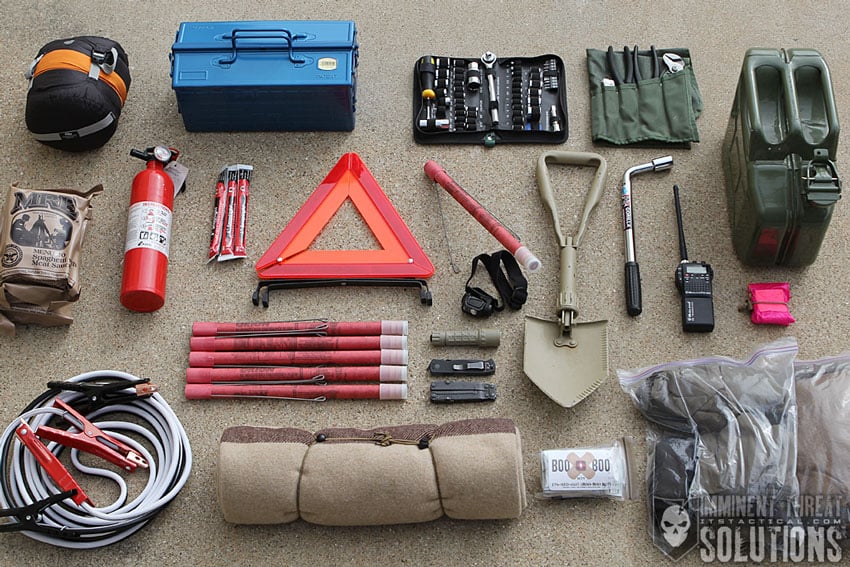
Credit: www.itstactical.com
Shelter And Warmth
Shelter and warmth are essential for survival in the wild. Staying dry and warm protects your body from cold and sickness. Having the right gear helps you rest well and keep energy high. Prepare to face different weather and temperatures. Choose items that are easy to carry and use.
Tents And Tarps
Tents provide strong protection from rain and wind. They create a safe space to sleep. Look for tents that are lightweight and easy to set up. Tarps are simple covers that protect from rain and sun. They are flexible and pack small. Use ropes or branches to hang tarps above your camp. Both tents and tarps help keep your gear dry and your body warm.
Sleeping Bags And Blankets
Sleeping bags keep your body heat trapped inside. Choose bags rated for temperatures you expect. Some bags are thin for summer, others thick for winter. Blankets add extra warmth and can be shared. Wool or thermal blankets work best. Roll or fold them to save space. A good sleeping bag and blanket protect you from cold ground and chilly nights.
Clothing For All Seasons
Wear clothes that fit the weather and keep you warm. Layering works best. Start with a thin, moisture-wicking base layer. Add an insulating layer like fleece or wool. Finish with a waterproof and windproof outer layer. Pack gloves, hats, and socks to protect fingers and toes. Change wet clothes quickly to avoid cold. Proper clothing helps your body keep heat and stay dry.
Water And Food Supplies
Water and food supplies are the foundation of any survival kit. Without clean water and enough food, staying alive becomes hard. Planning these supplies carefully helps you stay healthy and strong during emergencies.
Water Purification Methods
Water from natural sources may contain harmful germs. Purification is essential to avoid sickness. Boiling water is the simplest way to kill bacteria. You can also use water purification tablets. Portable water filters remove dirt and germs effectively. Carry more than one method to be safe.
Non-perishable Food Items
Choose food that lasts long without spoiling. Canned beans, rice, and pasta provide good energy. Dried fruits and nuts add nutrients and taste. Ready-to-eat meals save cooking time. Store food in airtight containers to keep freshness. Rotate supplies regularly to avoid waste.
Portable Cooking Gear
Cooking gear makes meal preparation easier outdoors. A compact stove works well for boiling water and cooking. Lightweight pots and pans save space in your pack. Fuel canisters must fit your stove type. Carry utensils like a spoon and a knife. This gear helps you eat warm, nutritious food anywhere.

Credit: www.reddit.com
First Aid And Medical Supplies
First aid and medical supplies are vital parts of any survival gear. Injuries and illnesses can happen anytime. Being prepared helps you stay safe and treat problems fast. A well-stocked kit can save lives and reduce pain. Choose items that suit your needs and environment.
Basic First Aid Kit Components
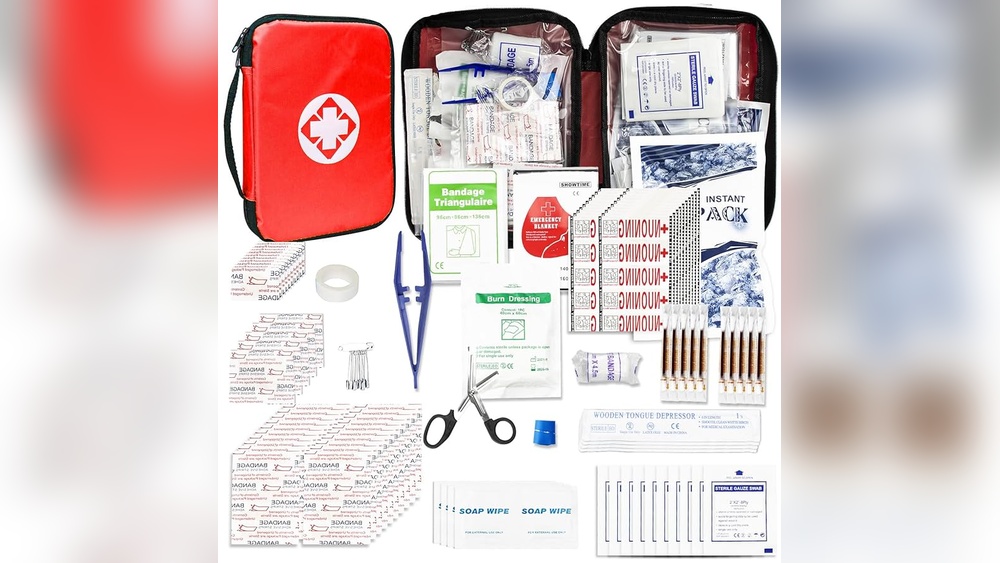
Start with bandages in different sizes for cuts and scrapes. Include sterile gauze pads to cover wounds. Add adhesive tape to keep dressings in place. Pack antiseptic wipes to clean injuries and prevent infection. Have scissors and tweezers for removing debris. Include disposable gloves for hygiene and safety. A CPR face shield is also important for emergencies.
Medications And Personal Care
Keep pain relievers like ibuprofen or acetaminophen. Add antihistamines for allergic reactions. Include anti-diarrhea tablets and antacids. Pack any prescription medicines you need daily. Sunscreen protects your skin from sunburn. Lip balm prevents dry, cracked lips. Don’t forget insect repellent to avoid bites.
Emergency Medical Tools
A digital thermometer helps check body temperature. Include a small flashlight or headlamp for visibility. A whistle can signal for help if needed. Carry a splint or elastic bandage for sprains. A needle and thread can help close wounds. Have a safety pin for securing bandages or gear. Consider a manual or guide on basic first aid steps.
Navigation And Communication
Navigation and communication tools are vital for survival situations. They help you find your way and stay connected. Without these tools, you risk getting lost or isolated. Carry reliable gear for both navigation and communication to increase your safety.
Maps And Compass
Maps and a compass are basic survival tools. They do not need batteries or signals. A good map shows terrain, trails, and landmarks. A compass helps you find directions quickly. Learn how to use both before any adventure. These tools work anywhere, anytime.
Gps Devices
GPS devices give exact location and routes. They are easy to use and very accurate. Many models offer extra features like weather updates. Keep spare batteries or a power bank. GPS helps you navigate unfamiliar areas fast. Use GPS as a backup, not your only tool.
Emergency Radios
Emergency radios keep you informed during crises. They receive weather alerts and emergency broadcasts. Some radios have built-in flashlights and sirens. Hand-crank or solar-powered radios do not need batteries. Carry one to stay aware of changing conditions. Radios can also send distress signals in some cases.
Credit: www.wildernesscollege.com
Personal Safety And Defense
Personal safety and defense are essential parts of survival gear. Staying safe means being ready to protect yourself from dangers. This gear helps you stay alert and secure in tough situations. Choosing the right tools can give you confidence and peace of mind. Here are key items to include for personal safety and defense.
Self-defense Tools
Self-defense tools help you protect yourself from harm. Items like pepper spray, stun guns, or personal alarms are effective. These tools are easy to carry and use quickly. They can stop an attacker or scare them away. Always choose tools that are legal in your area.
Protective Gear
Protective gear shields your body from injury. Helmets, gloves, and knee pads reduce harm in falls or attacks. Wearing sturdy boots protects your feet from rough terrain. Clothing with reinforced fabric can stop cuts or scrapes. This gear keeps you safe during physical challenges.
Signaling Devices
Signaling devices help you call for help. Whistles, mirrors, and flashlights attract attention from far away. Bright colors or lights make it easier for rescuers to find you. These devices are small but very important in emergencies. Carry them where you can reach them fast.
Packing And Organization
Packing and organizing your survival gear is essential for quick access and efficiency. Proper organization saves time and reduces stress during emergencies. It also helps keep your gear safe and ready to use.
Choosing the right storage and packing methods improves your overall survival experience. Focus on durability, waterproofing, and weight to ensure your gear holds up in tough conditions. Smart packing can make a big difference in how well you manage your supplies.
Backpacks And Storage
Select a backpack with enough space for all your gear. Look for multiple compartments to separate items. This separation helps find things quickly when needed. Choose a backpack with strong zippers and straps. Storage bags or pouches can keep smaller items organized inside the pack.
Waterproofing And Durability
Keep your gear dry with waterproof bags or covers. Water can damage electronics, clothes, and food supplies. Use durable materials that resist tears and wear. Reinforced seams and tough fabric add protection. A waterproof backpack or liner is a smart investment for survival.
Weight Management Tips
Carry only essential items to reduce weight. Heavy packs slow you down and cause fatigue. Distribute weight evenly to avoid back pain. Use lightweight gear without sacrificing quality. Regularly review your pack to remove unnecessary items. Proper weight management keeps you agile and ready.
Frequently Asked Questions
What Are The Essential Survival Gear Items?
Essential survival gear includes a reliable knife, water purifier, fire starter, first aid kit, and shelter materials. These items cover basic needs like safety, hydration, warmth, and medical emergencies in the wild.
How Do I Choose The Right Survival Knife?
Choose a survival knife with a fixed blade, durable steel, and a comfortable grip. It should be versatile for cutting, carving, and self-defense in survival situations.
Why Is A Water Purifier Crucial In Survival Gear?
A water purifier ensures safe drinking water by removing harmful bacteria and contaminants. Clean water prevents dehydration and illness, which is vital for survival in the outdoors.
What Type Of Fire Starter Is Best For Survival?
A magnesium fire starter is best because it works in wet and windy conditions. It’s lightweight, reliable, and easy to use for making fire anytime, essential for warmth and cooking.
Conclusion
Survival gear keeps you safe in tough situations. Choose tools that fit your needs and environment. Basic items like water, food, and shelter matter most. Always test your gear before any trip. Pack light but prepare well. Stay calm and use your gear wisely.
Being ready can save your life. Start building your kit step by step. Remember, simple gear can do big jobs. Stay safe and trust your preparation.