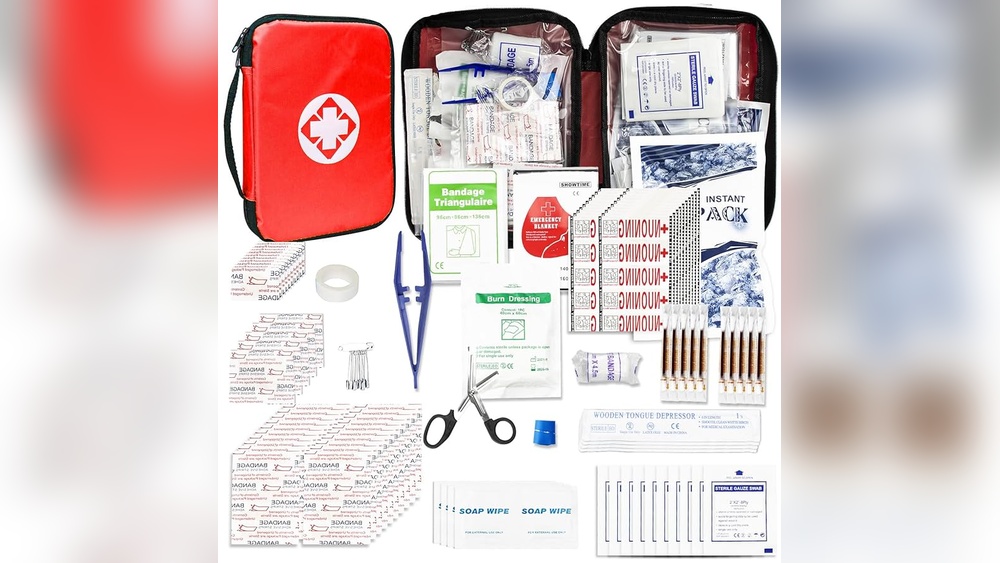
When it comes to survival gear, choosing the right items can mean the difference between safety and danger. You want gear that’s reliable, easy to use, and fits your specific needs.
But with so many options out there, how do you know what really matters? This guide will help you cut through the noise and focus on the essential features that keep you prepared in any situation. Keep reading to discover what you should look for in survival gear—and how to make smart choices that protect you when it counts the most.

Credit: www.outbacksurvivalgear.com
Durability And Build Quality
Durability and build quality are key for survival gear. Gear must endure tough conditions and rough use. It should hold up under stress without breaking or failing. Choosing durable gear means safety and reliability in emergencies. Every piece should be strong and well-made to last long.
Materials That Last
Strong materials make survival gear reliable. Look for heavy-duty fabrics like nylon or polyester. Metals like stainless steel resist rust and damage. These materials keep gear working well over time. Avoid cheap plastics or thin fabrics that tear easily.
Weather Resistance
Survival gear must handle rain, wind, and sun. Water-resistant or waterproof materials protect your supplies. UV resistance prevents damage from sunlight. Gear that resists weather stays useful in all climates. It keeps you safe and comfortable outdoors.
Wear And Tear Testing
Good gear undergoes tough tests before sale. Tests check for rips, breaks, and corrosion. This shows how gear performs in real use. Gear passed through wear and tear tests lasts longer. Trust products proven strong by these tests.
Portability And Weight
Portability and weight play a key role in survival gear. Carrying heavy or bulky items slows you down. Choosing gear that is light and easy to carry helps you move faster and stay ready. Small and compact tools save space in your bag. Every ounce counts when you pack for survival.
Compact Designs
Compact designs take up less space and fit easily in your pack. Many survival tools fold or collapse to smaller sizes. This allows you to carry more items without adding bulk. Compact gear fits well in pockets or small compartments. It keeps your pack organized and light.
Weight Considerations
Lightweight gear reduces fatigue on long trips. Heavy items drain your energy quickly. Choose materials like aluminum or plastic instead of steel. Compare weights before buying to avoid carrying extra pounds. Even small weight savings add up over time.
Ease Of Carrying
Easy-to-carry gear improves your comfort and mobility. Look for items with straps, clips, or handles. This allows quick access and secure attachment to your pack. Gear that fits your body well causes less strain. Think about how you will carry each item every day.
Multi-functionality
Multi-functionality is a key factor in choosing survival gear. Gear that serves more than one purpose saves space and weight. It also increases your chances of handling different challenges. This quality makes survival tools efficient and practical.
Tools With Multiple Uses
Tools that perform several tasks are valuable in survival situations. A knife with a built-in fire starter or a multi-tool with pliers, screwdrivers, and blades covers many needs. These items reduce the number of tools you must carry. They help you prepare food, fix equipment, and build shelter with fewer resources.
Space-saving Features
Space is limited in any survival pack. Gear designed to save space allows you to carry more essentials. Foldable or compact tools fit better in small bags. Items that combine functions also take less room. Saving space keeps your pack light and easy to carry over long distances.
Versatility In Different Scenarios
Survival situations can change quickly. Versatile gear adapts to various environments and needs. A single item useful for hiking, camping, and emergency situations is ideal. Choose equipment that works in wet, dry, hot, or cold conditions. This flexibility means fewer surprises and better preparedness.
Ease Of Use
Ease of use is vital in survival gear. In tough situations, complicated tools waste time and cause stress. Gear must be simple to operate and understand. This helps users act fast and stay safe.
User-friendly Design
Survival gear should have a clear and simple design. Buttons and controls must be easy to find and use. Labels should be visible and easy to read. The gear should feel comfortable in your hands. This reduces mistakes and speeds up your response.
Quick Access Features
Gear must allow fast access to important items. Pockets, straps, and clips should keep tools ready to grab. No fumbling or searching in emergencies. Quick-release mechanisms help save time. This can make a big difference in urgent moments.
Simple Maintenance
Survival gear must be easy to clean and maintain. Complicated care can lead to broken or unusable tools. Choose gear that works well with little upkeep. This ensures it stays reliable for longer. Simple maintenance saves effort and keeps you prepared.
Essential Survival Features
Essential survival features are the core parts of any survival gear. They help you stay safe, healthy, and comfortable. Choosing gear with these features increases your chances of handling emergencies well. Focus on tools that support basic needs such as fire, water, and shelter.
Fire Starting Tools
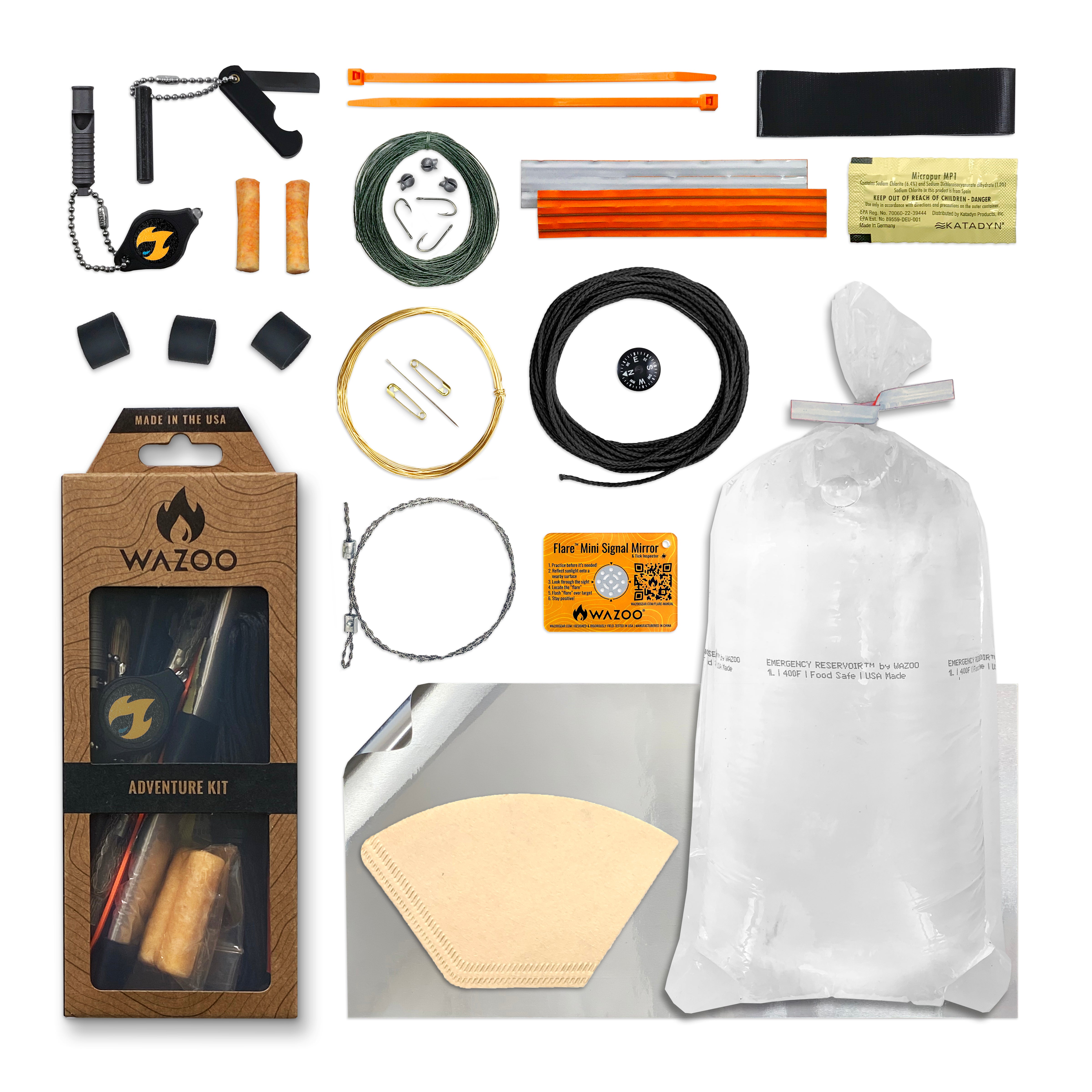
Fire is vital for warmth, cooking, and signaling for help. Choose fire starters that work in wet and dry conditions. Flint, magnesium rods, and waterproof matches are reliable options. A small, easy-to-use fire starter fits well in any survival kit.
Water Purification Options
Clean water prevents dehydration and illness. Carry water purification tablets or filters. Portable filters remove bacteria and dirt. Tablets kill harmful germs quickly. Both options are lightweight and easy to carry on any trip.
Shelter And Warmth Components
Protection from weather keeps you safe and healthy. Pack a compact tent, tarp, or emergency blanket. These provide shelter from rain, wind, and cold. Insulated clothing or sleeping bags help retain body heat. Choose items that are light and easy to set up.
Credit: wazoogear.com
Power And Lighting
Power and lighting are crucial in survival gear. Good lighting helps you see in the dark. It keeps you safe during night activities. Power options ensure your devices stay charged and ready.
Reliable Light Sources
Choose lights that work well in all conditions. Flashlights with strong beams are useful. Headlamps free your hands for other tasks. Waterproof and shockproof designs last longer. Brightness should be adjustable for different needs.
Battery Life And Charging
Long battery life is essential for emergencies. Look for gear with batteries that last many hours. Rechargeable batteries save money and reduce waste. Solar chargers provide power without electricity. Keep spare batteries or charging options handy.
Energy Efficiency
Efficient lights use less power and last longer. LED bulbs use less energy than traditional bulbs. Energy-saving gear reduces the need for extra batteries. Efficient charging keeps power ready when you need it. Always choose gear designed for low power use.
Storage And Organization
Storage and organization are key in survival gear. Proper storage helps keep items safe and easy to find. Organized gear saves time in emergencies. It reduces stress and improves efficiency. Well-organized gear fits better and lasts longer.
Compartment Layouts
Good survival gear has smart compartment layouts. Separate pockets for tools, food, and first aid keep items tidy. Different sizes of compartments hold different gear types. Clear layouts prevent items from mixing or getting lost. This setup helps you grab what you need fast.
Secure Fastenings
Fastenings must be strong and reliable. Zippers, buckles, and Velcro should stay closed under pressure. Loose fastenings risk losing important items. Secure closures protect gear from dirt and water. They keep everything safe during movement and rough conditions.
Accessibility
Easy access to gear saves precious time. Choose gear with pockets in reachable spots. Gear that opens quickly lets you act fast. Quick access helps in urgent survival situations. Avoid complicated or tight closures that slow you down.
Safety And Emergency Signals
Safety and emergency signals are crucial in survival situations. They help rescuers find you fast. Proper gear can increase your chances of being seen or heard. Focus on items that send clear signals in any environment. Choose tools that are reliable and easy to use under stress.
Whistles And Alarms
Whistles are loud and use little energy. They can carry sound over long distances. Carry a whistle that produces a sharp, clear tone. Alarms with flashing lights or loud sounds attract attention quickly. Pick alarms that are durable and easy to activate. Both tools work well day or night.
Signal Mirrors
Signal mirrors reflect sunlight to create bright flashes. These flashes can be seen from miles away. Use a mirror with a sighting hole for better aim. Mirrors are lightweight and easy to carry. Practice aiming your mirror to improve accuracy. They work best in daylight and clear weather.
Visibility Enhancements
Bright colors and reflective materials increase your visibility. Wear clothing or gear with neon colors or reflective strips. Use glow sticks or LED lights to stand out at night. Attach reflective tape to backpacks or tents. These enhancements help rescuers spot you quickly in low light.

Credit: www.youtube.com
Frequently Asked Questions
What Essential Features Should Survival Gear Have?
Survival gear must be durable, lightweight, and multi-functional. It should include tools for shelter, water purification, and first aid. Portability and ease of use are also vital for quick access during emergencies. Always choose gear designed for harsh environments and long-term use.
How To Choose The Best Survival Gear For Beginners?
Beginners should prioritize simple, reliable, and versatile gear. Start with basic items like a sturdy knife, water filter, and fire starter. Focus on quality over quantity to avoid unnecessary weight. Research product reviews and ensure gear suits your specific survival needs.
Why Is Durability Important In Survival Gear?
Durability ensures your gear withstands harsh conditions and frequent use. Reliable equipment prevents failure during critical moments. Choosing high-quality materials extends the gear’s lifespan. Durable gear offers better protection and enhances your chances of survival.
What Role Does Weight Play In Survival Gear Selection?
Lightweight gear reduces fatigue and improves mobility in survival situations. Heavy equipment can slow you down and increase energy consumption. Balance weight with functionality to carry essential tools comfortably. Opt for compact, space-saving designs without sacrificing quality.
Conclusion
Choosing the right survival gear saves lives in tough situations. Prioritize quality, durability, and ease of use. Compact and lightweight tools make carrying easier. Always think about your specific needs and environment. Test your gear before any real emergency happens.
Being prepared brings peace of mind and confidence. Small, smart choices add up to big safety. Stay ready, stay safe, and trust your gear.