When it comes to survival gear, how you store your equipment can make all the difference. You need quick access, protection from the elements, and a way to keep everything organized.
But what should you use to keep your survival gear in? Choosing the right container can save you time and even your life in an emergency. You’ll discover practical options that fit your needs and keep your gear safe and ready whenever you need it most.
Keep reading to find out how to protect your survival essentials the smart way.

Credit: laughingsquid.com
Choosing The Right Container
Choosing the right container is key to keeping survival gear safe and ready. The right container protects your items from damage and makes them easy to carry. It should match your needs, whether for short trips or long adventures. Think about where you will store it and how you will use it.
Durability And Material Options
Strong containers keep gear safe from weather and rough handling. Plastic boxes resist water and rust. Metal containers offer extra strength but can be heavy. Fabric bags are light but may not protect well from moisture. Choose a material that fits the environment you expect to face.
Size And Capacity Considerations
Pick a container that fits all your gear without crowding. Too small means items get damaged or hard to find. Too big adds weight and takes space. Think about the amount and size of your gear before choosing. Leave room for extra supplies you may add later.
Portability Features
Carrying your survival gear should be easy and comfortable. Look for containers with handles or straps. Some have wheels for smooth transport over long distances. Compact containers fit better in backpacks or vehicles. Choose a design that suits how you move and carry your gear.

Credit: www.youtube.com
Waterproof Storage Solutions
Keeping survival gear dry is vital for any outdoor adventure. Water can damage tools, food, and clothing. Waterproof storage solutions protect your gear from rain, floods, and moisture. These options vary in size and durability. Choose what fits your needs and environment best.
Waterproof Bags And Dry Sacks
Waterproof bags and dry sacks offer flexible storage for your gear. They are lightweight and easy to carry. Made from strong materials, they keep water out effectively. Use them for clothes, electronics, and food. Tight seals stop water from getting inside.
Sealed Plastic Containers
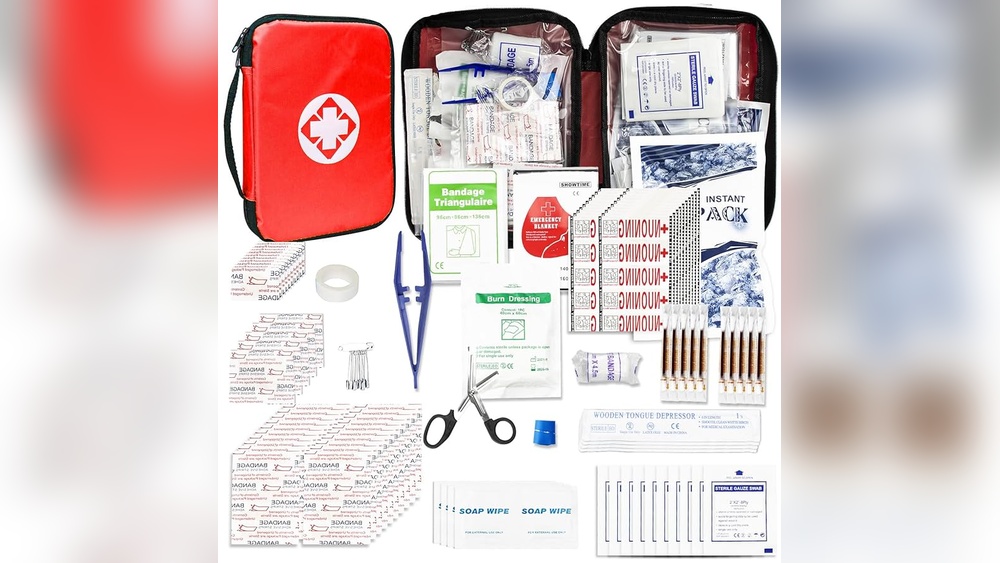
Sealed plastic containers provide hard protection for fragile items. They resist impacts and prevent water entry. These containers come in different sizes for various gear. Clear containers help find items quickly. Ideal for storing matches, first aid kits, and batteries.
Waterproof Backpacks
Waterproof backpacks combine storage and protection in one. They have sealed zippers and water-resistant fabric. Perfect for long hikes or survival trips. These backpacks keep your gear dry and organized. Look for padded straps for comfort during travel.
Organization And Accessibility
Keeping survival gear organized and easy to reach saves time and stress. A well-planned system helps find tools fast during emergencies. Organization also protects items from damage and loss. Accessibility ensures you grab what you need without delay.
Compartmentalized Boxes
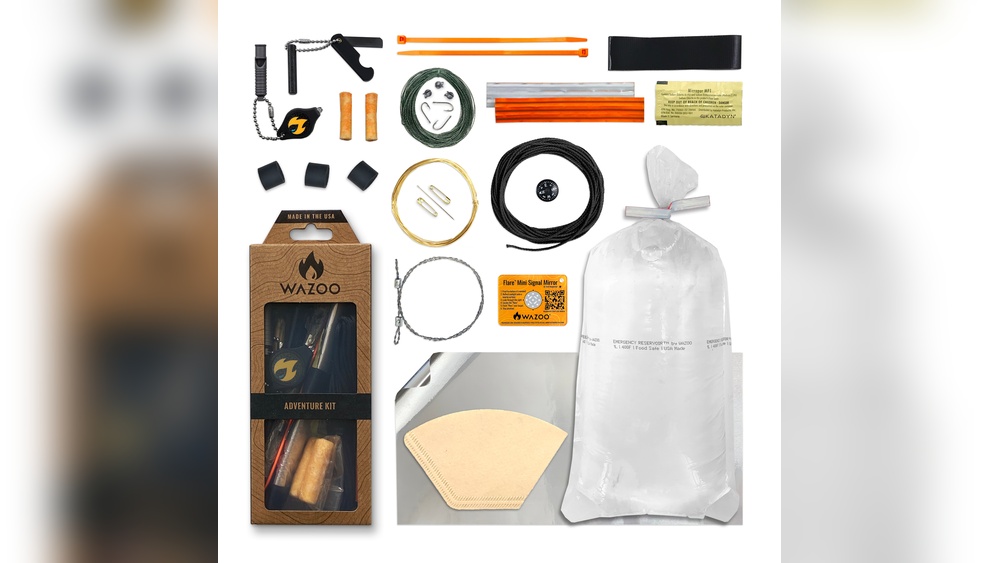
Compartmentalized boxes divide gear into small sections. Each section holds different items like first aid, fire starters, or tools. This separation stops gear from mixing and makes items easy to spot. Choose boxes with clear lids to see contents quickly. Stackable designs save space and keep gear neat.
Labeling And Inventory Tips
Label each box and compartment clearly. Use simple words or pictures for quick reading. Keep an inventory list of all items inside. Update the list after adding or removing gear. Store the list near your survival kit or in a digital note. This practice helps track supplies and avoid duplicates.
Quick Access Techniques
Place the most used items in the top compartments or outside pockets. Use elastic bands or small pouches for loose items. Arrange gear by priority, putting critical tools at the front. Keep your kit in a spot easy to reach, like near the door. Practice opening your kit fast to improve speed.
Specialized Storage Options
Specialized storage options protect survival gear from damage and loss. They keep items safe, dry, and ready to use. Different tools need different kinds of protection. Proper storage helps gear last longer and work well when needed.
Fireproof And Heat-resistant Containers
Fireproof containers protect important items from heat and flames. These containers resist high temperatures and keep contents safe. Use them for documents, electronics, and flammable materials. Heat-resistant boxes also help avoid damage during wildfires or accidents.
Rodent And Pest-proof Storage
Pests can chew through bags and boxes. Rodent-proof storage stops animals from ruining gear. Use metal or heavy-duty plastic containers with tight lids. Keep food and supplies safe from mice, rats, and insects. This storage keeps gear clean and ready.
Climate-controlled Solutions
Climate control keeps gear in the right temperature and humidity. Some items need cool, dry places to avoid rust and mold. Use sealed containers with moisture absorbers or small dehumidifiers. This storage helps preserve electronics, food, and medical supplies.
Diy Storage Ideas
DIY storage ideas help organize survival gear without buying new containers. They save money and use what you already have. Customizing storage fits your space and needs perfectly. This section shares easy, smart ways to store your gear safely and neatly.
Repurposed Household Items
Old plastic containers work great for small tools and supplies. Shoe boxes hold first aid kits or fire starters well. Tin cans store matches or batteries safely. Use jars for seeds or spices. Clean and dry items before storing gear inside.
Customizable Modular Systems
Build storage using stackable plastic bins or crates. Label each box clearly for quick access. Use drawer dividers to separate smaller items inside larger boxes. Magnetic strips hold metal tools on walls. Shelves with adjustable heights fit different gear sizes.
Creative Space-saving Tips
Hang gear on pegboards or hooks to save floor space. Use under-bed storage bins for bulky items. Fold soft gear and store in vacuum bags. Roll cables and ropes to keep them neat. Place gear inside backpacks or duffel bags for easy transport.

Credit: moreprepared.com
Maintaining Your Survival Gear
Maintaining your survival gear is key to staying prepared. Gear that is well cared for will work when you need it most. Simple steps keep your equipment reliable and ready.
Regular Inspection Routines
Check your gear often. Look for damage, rust, or wear. Test items like flashlights and radios to ensure they work. Mark a date on your calendar for inspections.
Proper Cleaning And Care
Clean your gear after use or every few months. Remove dirt and moisture to prevent damage. Use mild soap and water for most items. Dry everything completely before storing.
Updating And Rotating Supplies
Replace expired food and batteries regularly. Use older supplies first and add new ones behind them. Keep your list updated to avoid missing items. Rotate gear to keep it fresh and usable.
Frequently Asked Questions
What Is The Best Container For Survival Gear?
The best container for survival gear is a durable, waterproof, and compact case. It protects items from water, dust, and impact. Hard plastic or metal cases with secure latches are ideal. They ensure easy organization and quick access during emergencies.
How To Organize Survival Gear Efficiently?
Organize survival gear by categorizing items like first aid, tools, and food. Use labeled pouches or compartments inside a larger container. Keep frequently used items accessible. Regularly check and update the gear for functionality and expiration dates.
Can I Use A Backpack For Survival Gear Storage?
Yes, backpacks are excellent for storing survival gear. Choose one with multiple compartments and water-resistant materials. A comfortable, sturdy backpack allows easy transport and accessibility. It is ideal for bug-out bags or mobile survival kits.
Why Use Waterproof Containers For Survival Gear?
Waterproof containers protect survival gear from moisture and water damage. They keep important items dry and functional during floods or rain. This ensures reliability and longevity of gear in harsh outdoor conditions.
Conclusion
Choosing the right container keeps your survival gear safe and ready. A sturdy, waterproof box protects against rain and dirt. Compact bags offer easy carrying and quick access. Organize items by use for faster finding. Regularly check and update your gear for best results.
Preparedness means peace of mind in tough times. Simple steps help you stay ready anytime, anywhere. Keep your gear secure, dry, and easy to reach. Survival depends on smart storage and good habits.