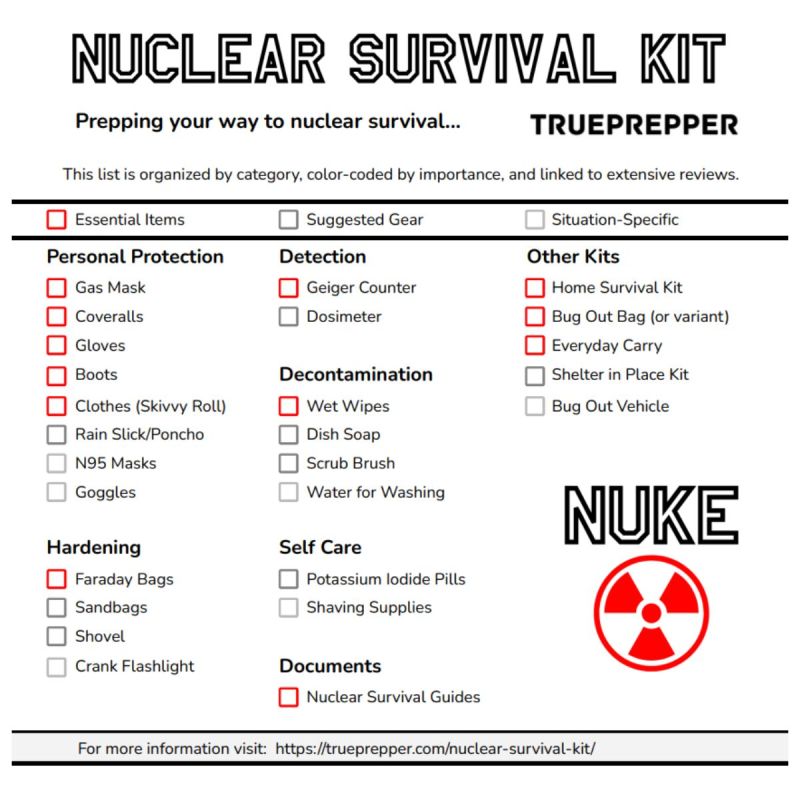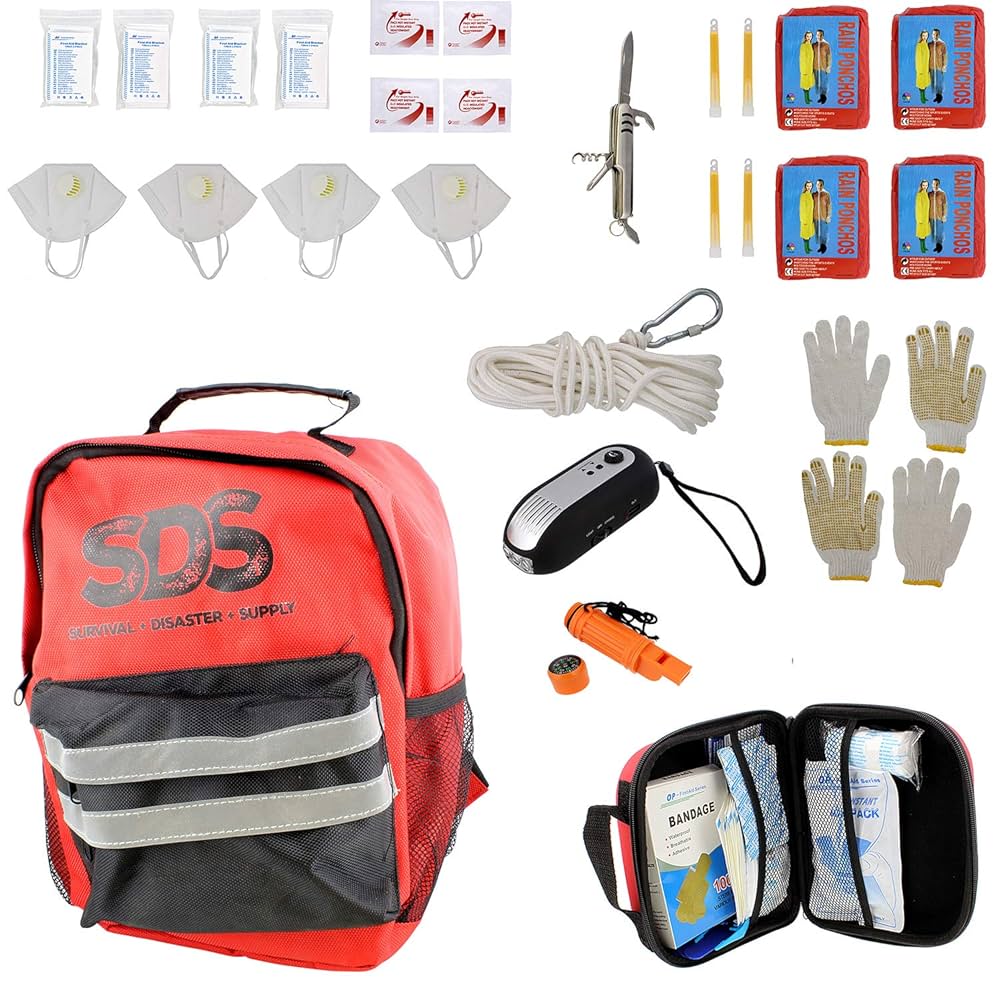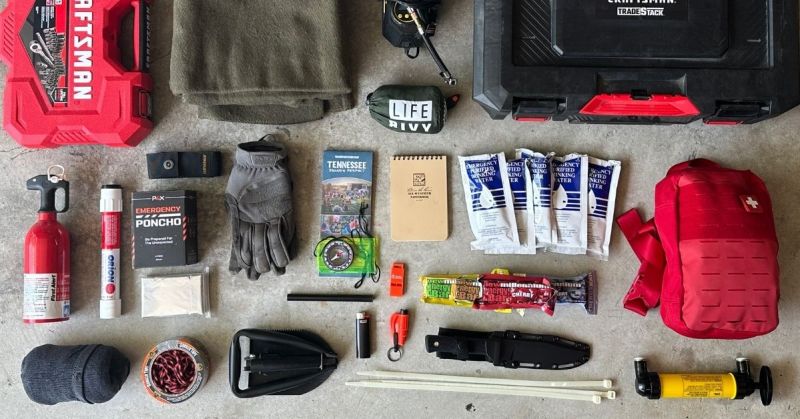
Imagine being stuck on the side of the road with no help in sight. What would you need to stay safe and get back on track?
Your car survival kit can make all the difference between stress and safety. You might think a few random items are enough, but having the right tools and supplies is key to handling emergencies quickly and confidently. You’ll discover exactly what you need in your car survival kit to protect yourself and your loved ones whenever the unexpected happens.
Keep reading to make sure you’re truly prepared.
Basic Safety Tools
Having basic safety tools in your car survival kit can make all the difference during an emergency. These tools help you handle injuries, signal for help, and manage small repairs or unexpected situations. Think about the last time you were stuck on the roadside—did you feel prepared or vulnerable?
First Aid Supplies
First aid supplies are essential to treat minor injuries immediately. Pack items like adhesive bandages, antiseptic wipes, gauze pads, and medical tape. Including pain relievers and allergy medication can also be a lifesaver.
Remember, knowing how to use these supplies is just as important. Take a basic first aid course to boost your confidence in handling cuts, burns, or sprains on the spot.
Emergency Flares And Reflectors
Emergency flares and reflectors increase your visibility to other drivers and rescue teams, especially at night or in bad weather. Place flares behind your car to alert oncoming traffic and prevent accidents.
Reflective triangles or vests can also help you stay safe while you wait for help. Have you ever experienced a roadside emergency where being seen quickly could have changed the outcome?
Multi-tool And Knife
A multi-tool combines several handy functions like pliers, screwdrivers, and scissors in one compact device. A sharp knife can assist in cutting seat belts, opening packages, or making quick repairs.
Choose a reliable, durable multi-tool that fits your comfort and needs. It’s often the tool you didn’t think you needed that ends up saving the day.
Navigation And Communication
Navigation and communication tools are essential in any car survival kit. They help you find your way and stay connected during emergencies. Without reliable navigation, you risk getting lost. Without communication, you cannot call for help or inform others about your situation.
Choosing the right tools ensures safety and peace of mind on the road. Here are key items to include.
Maps And Compass
Paper maps do not need batteries or signal. They work anywhere, anytime. A compass helps you use the map correctly. Together, these tools guide you if GPS fails. Choose detailed maps covering your travel area. Keep them in a waterproof case to protect from damage.
Portable Phone Charger
A portable phone charger keeps your phone powered. It is crucial when you cannot reach an outlet. Choose a high-capacity charger that can fully charge your phone multiple times. Compact and lightweight models fit easily in your kit. Always keep the charger fully charged before trips.
Two-way Radios
Two-way radios let you talk without phone signals. They work well in remote areas or during network outages. Radios have a limited range, so check coverage before use. Carry extra batteries or a solar charger for longer use. Radios improve communication with travel companions or rescuers.
Food And Hydration
Food and hydration are critical components of any car survival kit. Without reliable sustenance and clean water, your ability to stay alert and safe during emergencies drops significantly. Packing the right items ensures you can maintain energy and hydration, even if help is hours or days away.
Non-perishable Snacks
Choose snacks that last long without refrigeration and provide steady energy. Think nuts, dried fruits, granola bars, and jerky. These items are lightweight and won’t spoil, making them ideal for your kit.
Try to balance your selection between protein, carbs, and fats. This mix helps keep hunger at bay and stabilizes blood sugar levels. Have you ever experienced a long wait and realized your snacks ran out too soon? Avoid that by packing enough to last at least 72 hours.
Water Bottles And Purification
Water is your most vital survival resource. Carry several sturdy water bottles that hold enough supply for you and your passengers. Remember, you’ll need about one gallon per person per day for drinking and minimal hygiene.
Include a water purification method like tablets, a filter straw, or a small portable purifier. These tools let you safely use water from unexpected sources like rain or streams. Do you have a reliable way to make questionable water drinkable when your bottles run dry?
Portable Stove Or Heating Source
Having the ability to heat food or boil water can be a game changer. Small, portable stoves powered by butane or solid fuel tablets are compact and easy to use. They add warmth and comfort when conditions get tough.
Heating your meals improves digestion and morale. I once spent a chilly night waiting for roadside assistance; a hot meal from my portable stove made the wait bearable. Can your kit help you prepare warm food or drinks in emergencies?

Credit: www.amazon.ca
Clothing And Shelter
Clothing and shelter are vital in any car survival kit. They protect you from harsh weather and keep your body temperature stable. Proper clothing helps avoid hypothermia or heatstroke. Shelter provides a safe space from wind, rain, or sun. Both items increase your chances of staying safe and comfortable during emergencies.
Thermal Blankets
Thermal blankets are lightweight and compact. They reflect body heat back to you, keeping warmth inside. These blankets resist wind and water, making them ideal for emergencies. Pack at least one per person. Use them to wrap yourself or cover injured friends. They take up little space but offer great protection.
Rain Gear And Extra Clothes
Rain gear keeps you dry and prevents chills. Include a waterproof jacket and pants in your kit. Always carry extra clothes like socks and underwear. Wet clothes can cause discomfort and sickness. Choose quick-dry fabrics that stay warm even when damp. Change clothes as soon as possible to stay healthy.
Tarp And Rope
A tarp serves many shelter needs. Use it as a ground cover or a roof. It protects you from rain, wind, and sun. Rope helps secure the tarp and build shelters. Carry strong, lightweight rope for easy use. Together, tarp and rope create a simple, effective shelter. Perfect for unexpected outdoor stays.
Vehicle Repair Essentials
Your car survival kit isn’t complete without vehicle repair essentials. These tools and supplies help you handle unexpected breakdowns and keep you moving. Having the right items can save you time, money, and stress when something goes wrong.
Jumper Cables
A dead battery can leave you stranded anywhere. Jumper cables allow you to borrow power from another vehicle and get your car started quickly. Make sure your cables are at least 10 feet long and have good quality clamps to ensure a solid connection.
Think about the last time you needed a jump start. Did you have the right cables on hand? Without them, you might have had to wait hours for help.
Tire Repair Kit
Flat tires happen when you least expect them, often far from a service station. A tire repair kit lets you patch small punctures and inflate your tire enough to reach safety. Most kits include sealant, a mini air compressor, and instructions for easy use.
Ask yourself: How comfortable are you changing or repairing a tire on your own? A repair kit can make this task simpler and faster, especially if you’re alone on a quiet road.
Basic Tool Kit
A compact tool kit is your best friend for quick fixes under the hood or inside the car. Include essentials like screwdrivers, pliers, an adjustable wrench, and a flashlight. These tools help you tighten loose bolts, remove debris, or troubleshoot minor problems.
Don’t underestimate small repairs that can stop bigger issues. Having tools ready means you can handle emergencies without waiting for roadside assistance.
Lighting And Visibility
Lighting and visibility are essential in a car survival kit. They help you see clearly in the dark and signal for help. Good lighting tools keep you safe during night emergencies and bad weather. Always prepare with multiple light sources to cover different needs.
Flashlights And Headlamps
Flashlights provide focused light to see far or close. Choose LED flashlights for bright and long-lasting light. Headlamps free your hands, making repairs easier in the dark. Both tools are compact and easy to store in your kit.
Extra Batteries
Extra batteries keep your lights working when power runs out. Store the correct battery types for your flashlights and headlamps. Replace old batteries regularly to avoid failure during an emergency. Keep batteries in a waterproof bag to prevent damage.
Glow Sticks
Glow sticks offer safe, hands-free light without batteries. They work well as emergency markers or inside the car. Glow sticks are cheap and last several hours. Include several sticks in your kit for backup light and visibility.
Personal Protection Items
Having personal protection items in your car survival kit can make a huge difference in unexpected situations. These items help you stay safe and alert others if you need help. Think about times you’ve felt vulnerable—having just one small tool can change the outcome.
Pepper Spray Or Personal Alarm
Pepper spray is a powerful way to protect yourself if someone threatens you. It’s compact, easy to carry, and can stop an attacker long enough for you to get away. Make sure to check your local laws before adding it to your kit.
If pepper spray isn’t an option, a personal alarm is a great alternative. It emits a loud noise that can scare off attackers and alert nearby people. Carrying one ensures you have a quick way to call attention in an emergency.
Whistle
A whistle is a simple but effective tool to signal for help. Its sharp sound can carry much farther than your voice, especially if you’re stuck in a remote area. Keep one in your kit—it’s lightweight and doesn’t require batteries.
Have you ever been in a quiet place where shouting felt useless? A whistle cuts through the silence and can attract rescuers or passersby instantly. It’s a practical addition that you might overlook until you need it.
Gloves And Eye Protection
Gloves protect your hands from cuts, scrapes, and harmful substances. Wearing them can prevent infections if you need to handle debris or broken glass after an accident. Choose durable, waterproof gloves that fit comfortably.
Eye protection shields your eyes from dust, chemicals, or flying objects. A pair of safety goggles or even sturdy sunglasses can save you from injuries. Think about how a small splash or dust cloud could impair your vision during a crisis—eye protection keeps you focused.

Credit: www.youtube.com
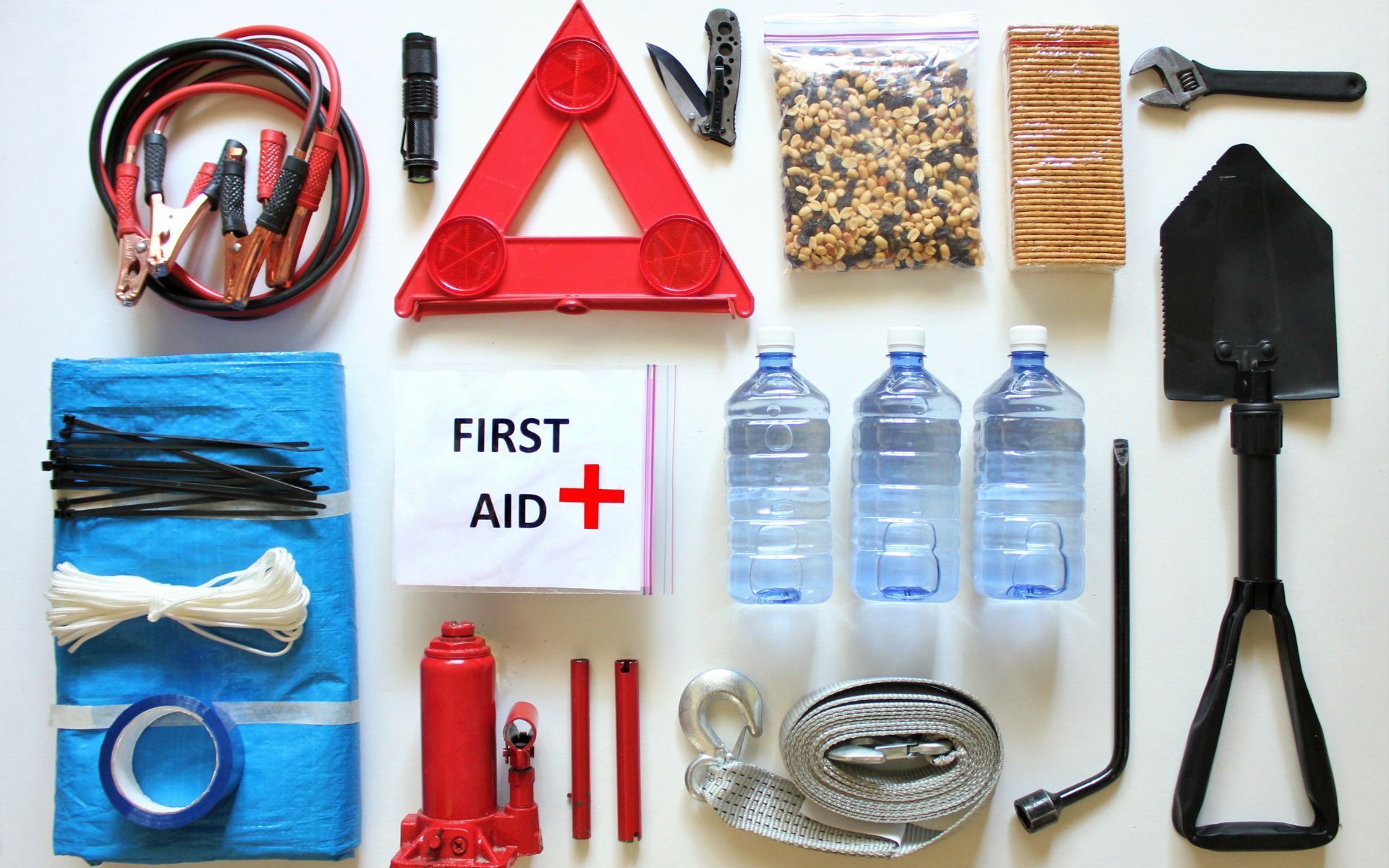
Credit: www.dilawri.ca
Frequently Asked Questions
What Items Are Essential In A Car Survival Kit?
A car survival kit should include essentials like a first aid kit, flashlight, blanket, bottled water, and non-perishable snacks. Tools such as a multi-tool, jumper cables, and a tire repair kit are also crucial. These items ensure you’re prepared for emergencies or unexpected situations on the road.
How Can A Car Survival Kit Save Your Life?
A car survival kit can save your life during emergencies by providing necessary tools and supplies. In case of a breakdown or accident, it offers immediate assistance. Items like first aid kits, water, and blankets help maintain safety and comfort until help arrives.
Why Is Water Important In A Car Kit?
Water is vital in a car kit for hydration during emergencies or long waits. It prevents dehydration, which can lead to fatigue and confusion. Having bottled water ensures you stay hydrated, especially if stranded in remote locations. Always keep an adequate supply in your kit.
How Often Should You Update Your Car Survival Kit?
You should update your car survival kit every six months. Check expiration dates on food and medical supplies. Replace anything that’s expired or damaged. Regular updates ensure all items remain effective and reliable. Keeping your kit current is crucial for safety and preparedness.
Conclusion
A good car survival kit keeps you safe on the road. It should have basic tools, food, water, and first aid items. Check your kit often to keep it ready. Small supplies can make a big difference in an emergency.
Stay prepared to face unexpected situations calmly. Safety starts with being ready. Keep your kit simple, useful, and easy to carry. Drive smart and stay confident knowing help is within reach.