When winter hits hard, being unprepared can turn a simple outing into a dangerous situation. Have you ever wondered what you really need to stay safe and comfortable in freezing conditions?
Your winter survival kit could be the difference between facing harsh weather with confidence or struggling through it unprotected. You’ll discover the essential items that belong in your kit—everything you need to keep warm, stay nourished, and find help if you’re stuck.
Ready to make sure you’re fully prepared when winter comes knocking? Keep reading to build your perfect winter survival kit.
Basic Supplies
As winter conditions can change rapidly, having the right basic supplies in your survival kit can make all the difference. These essentials keep you safe, warm, and nourished when the cold bites hardest. Let’s break down the key items you need to focus on to build a reliable foundation for your winter survival kit.
Water And Hydration
Water is the most critical element in any survival situation, especially in winter when dehydration can sneak up on you despite the cold. You should carry insulated water bottles or containers to prevent freezing.
Consider including water purification tablets or a compact filter to ensure safe drinking water if you need to source it outdoors. Remember, staying hydrated helps maintain your energy and body heat—have you ever felt sluggish during winter hikes because you didn’t drink enough water?
Non-perishable Food
Choose foods that provide high energy and won’t spoil easily. Think energy bars, nuts, dried fruits, and jerky—these pack well and keep your strength up without needing cooking.
Adding some instant soups or freeze-dried meals can be a lifesaver, especially if you have a way to heat water. Have you tested how these foods taste and fuel you before an emergency? It’s worth knowing which items you find palatable and energizing.
Warm Clothing Layers
Layering is key to managing your body temperature in winter. Your kit should include a moisture-wicking base layer, an insulating middle layer, and a windproof, waterproof outer layer.
Don’t forget extras like gloves, hats, and thermal socks. If you’ve ever been caught without proper layers, you know how fast cold can drain your energy and focus.
Emergency Shelter
A compact emergency shelter can shield you from wind, snow, and rain, reducing heat loss significantly. Options include a bivy sack, a lightweight tent, or a reflective blanket designed to retain body heat.
Practice setting up your shelter before you need it, so you can do it quickly under pressure. Have you thought about how long you might need to stay sheltered and what type would fit your typical winter adventures?
Tools And Equipment
Having the right tools and equipment in a winter survival kit is vital. These items help you manage tough situations. They make survival easier and safer. Choosing reliable and sturdy tools can save lives and reduce stress.
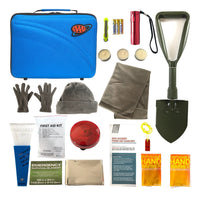
Each tool serves a specific purpose. Fire starters help create warmth and signal for help. Multi-tools and knives assist in various tasks like cutting and repairing. Flashlights provide light during dark hours, while shovels and ice scrapers clear paths and vehicles. Together, these tools prepare you for many winter challenges.
Fire Starters And Matches
Fire starters and matches are essential for warmth and cooking. Waterproof matches are best to keep dry in wet conditions. Fire starters can include magnesium sticks, cotton balls with petroleum jelly, or commercial fire cubes. They ignite quickly and burn long enough to start a fire with limited materials.
Multi-tool And Knife
A multi-tool combines several functions into one compact device. It usually has pliers, screwdrivers, scissors, and a knife blade. A separate sturdy knife is also helpful for cutting, preparing food, or building shelter. Choose tools with a comfortable grip and durable construction.
Flashlight And Batteries
A bright flashlight is necessary during long winter nights. LED flashlights last longer and use less power. Always carry extra batteries in a waterproof container. Consider a headlamp for hands-free lighting while working or moving around in the dark.
Shovel And Ice Scraper
A small, foldable shovel helps dig out snow from around your vehicle or shelter. It can also clear pathways or create windbreaks. An ice scraper removes ice from windows and mirrors to improve visibility. Both tools should be lightweight but strong enough to handle frozen snow and ice.
Health And Safety Items
Health and safety items form the core of any winter survival kit. These essentials protect the body and mind in harsh conditions. Staying safe and healthy outdoors prevents small problems from becoming emergencies. Each item has a clear role in maintaining well-being.
First Aid Kit Essentials
A basic first aid kit must include bandages, antiseptic wipes, and gauze pads. Pain relievers and allergy medicine help ease discomfort and reactions. Tweezers and scissors assist with removing splinters or cutting tape. Keep the kit waterproof and easy to access.
Personal Medications
Always pack any personal medications needed daily or for emergencies. Include inhalers, insulin, or heart medicine as required. Store them in a sealed, labeled container to avoid damage. Check expiration dates regularly to ensure effectiveness.
Hand Warmers
Hand warmers provide quick heat to prevent frostbite and cold stress. Choose disposable or reusable types based on preference. Keep several pairs in the kit for extended warmth. Activate them easily by shaking or exposing to air.
Emergency Whistle
An emergency whistle helps signal for help over long distances. It requires less energy than shouting and can be heard clearly in snow or wind. Attach the whistle to a keyring or lanyard for quick use. Test its sound before heading outdoors.

Credit: www.amazon.ca
Navigation And Communication
Navigation and communication tools are essential in any winter survival kit. They help you find your way and stay in touch during emergencies. Cold weather can drain batteries and affect signals, so reliable gear is a must.
Compass And Maps
A compass and physical maps do not rely on batteries or signals. They are reliable tools to navigate snowy landscapes. Learning to use them can prevent getting lost. Always pack waterproof map covers to protect your maps from moisture.
Fully Charged Phone
A phone is vital for emergency calls and GPS use. Charge it fully before heading out. Keep it in a warm pocket to avoid battery drain from cold temperatures. A phone can be a lifeline in tough situations.
Portable Charger
Portable chargers keep your devices powered longer. Choose one with enough capacity for multiple charges. Store it in an insulated pouch to protect it from freezing. This ensures your phone stays ready for use.
Two-way Radios
Two-way radios allow communication without cell service. They work well in remote areas with no signal. Choose radios with long battery life and a clear range. Practice using them with your group before your trip.
Additional Survival Gear
Additional survival gear can make a huge difference in your ability to stay safe and comfortable during winter emergencies. These items are not just extras; they provide critical support when basic supplies fall short. Think of them as your backup team, ready to boost your chances of survival in extreme conditions.
Insulated Sleeping Bag
An insulated sleeping bag is your best friend in freezing temperatures. It traps your body heat and shields you from the cold ground, preventing hypothermia. Choose one rated for temperatures well below what you expect to face—your life might depend on it.
I once underestimated the warmth I needed during a surprise snowstorm. Having a quality insulated sleeping bag saved me from a night of shivering and exhaustion. Would you risk losing precious body heat without one?
Thermal Blankets
Thermal blankets are lightweight and compact but pack a powerful punch. They reflect your body heat back to you and can be used as emergency shelters or ground covers. Keep a few in your kit—they don’t take up much space but add significant warmth.
Imagine being stranded with only your clothes for warmth. A thermal blanket can be the difference between cold misery and manageable comfort. Do you carry one with you on your outdoor adventures?
Snow Goggles
Snow goggles protect your eyes from snow glare and wind, which can cause snow blindness and irritation. Look for goggles with UV protection and anti-fog features for clear vision. Keeping your sight sharp helps you navigate safely and avoid dangerous obstacles.
One winter hike without goggles left my eyes burning and vision blurred. That experience taught me the importance of protecting your eyes as much as your body. Are your eyes as prepared as the rest of your gear?
Signal Mirror
A signal mirror is a simple tool that can attract rescuers’ attention even from miles away. Its reflective surface can send bright flashes of light during the day. Always keep one in your kit—it weighs almost nothing but could save your life.
During a backcountry trip, I used a signal mirror to catch the attention of a rescue helicopter. Without it, my location would have remained hidden. What would you do if you needed to signal for help?
Credit: www.safetykitsplus.com

Credit: survivalschool.enduresurvivalkits.com
Frequently Asked Questions
What Are Essential Items In A Winter Survival Kit?
A winter survival kit should include warm clothing, a first aid kit, water, non-perishable food, and a reliable light source. These items help protect you from cold, injuries, and hunger during emergencies in winter conditions.
How Do I Choose The Right Winter Survival Kit?
Select a kit based on your location, climate, and activity level. Ensure it contains weather-appropriate gear, emergency supplies, and tools for shelter and warmth.
Why Is Insulation Important In Winter Survival Kits?
Insulation prevents heat loss and protects you from hypothermia. Proper insulation keeps your body warm by trapping heat and blocking cold air and moisture.
How Often Should I Update My Winter Survival Kit?
Update your kit annually or after use. Replace expired food, batteries, and worn-out clothing to ensure readiness for any winter emergency.
Conclusion
A winter survival kit keeps you safe in cold weather. It should include warm clothes, food, and water. Tools like a flashlight and a knife help in emergencies. Always check your kit before winter starts. Being ready means staying warm and protected.
Small items can make a big difference. Keep your kit handy and updated. Stay safe and enjoy winter confidently.