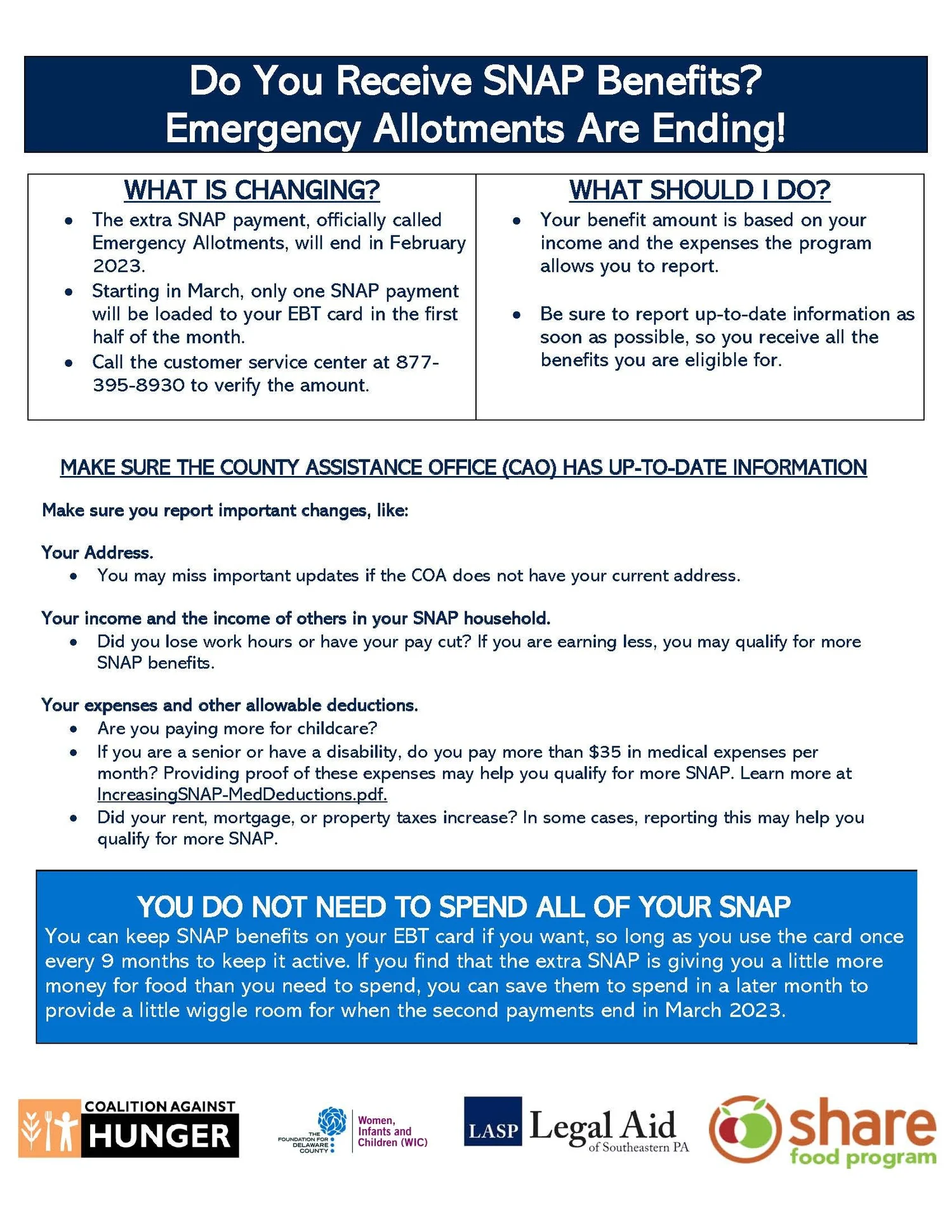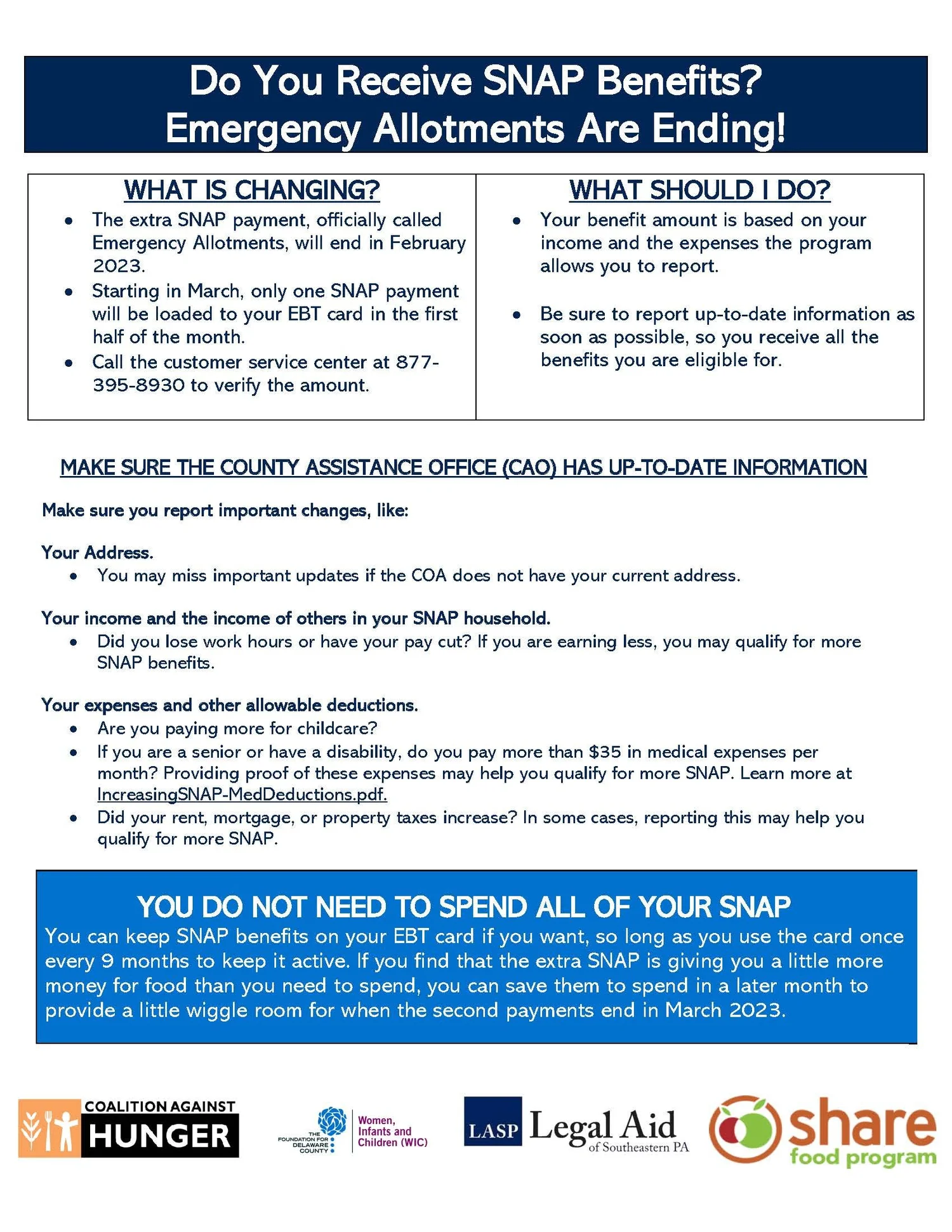
Are you wondering, “When will I get my emergency food stamps?” You’re not alone. When you need help with groceries right away, waiting can feel overwhelming.
You want clear answers and fast support. You’ll discover exactly what affects the timing of emergency food stamp benefits and what you can do to speed up the process. Keep reading—because knowing what to expect can ease your stress and help you plan better.

Credit: www.yahoo.com
What Are Emergency Food Stamps
Emergency food stamps are a vital resource designed to help individuals and families facing sudden financial hardships. These benefits provide quick access to food assistance when you find yourself in urgent need. Understanding what emergency food stamps are can help you know if you qualify and how to apply.
What Are Emergency Food Stamps?
Emergency food stamps, also known as expedited SNAP benefits, offer immediate help to people who need food support right away. Unlike regular food stamps, these benefits are processed faster to ensure you don’t go hungry while waiting for the standard application process.
They are usually granted within a few days, often within 7 calendar days, if you meet specific criteria. The goal is to prevent hunger during sudden financial crises like job loss or unexpected expenses.
Who Qualifies For Emergency Food Stamps?
Not everyone can get emergency food stamps. You typically need to prove that your income and resources are very low.
- Your household’s monthly income is below a certain limit.
- You have less than $100 in cash or bank accounts.
- You need food immediately to avoid going hungry.
Meeting these requirements speeds up your application, so you get help faster.
How Emergency Food Stamps Differ From Regular Benefits
Regular food stamp applications may take up to 30 days to process, which can be a long wait if you need food now. Emergency food stamps shorten this wait to just a week or less.
However, the amount you receive initially might be smaller and adjusted after your full application is reviewed. This quick support aims to bridge the gap until your full benefits are determined.
Why Emergency Food Stamps Matter
Imagine facing an empty fridge and no money to buy groceries. Emergency food stamps can be the lifeline that keeps you and your family fed during tough times.
They provide peace of mind and allow you to focus on stabilizing your situation without the immediate worry of where your next meal will come from.
Eligibility Criteria
Understanding the eligibility criteria for emergency food stamps is important. It helps to know who can receive this aid quickly during tough times. Emergency food stamps provide fast support to families in need. These benefits help buy groceries and prevent hunger.
The rules for eligibility vary by state but share common factors. This section explains the basic requirements to qualify for emergency food stamps. It guides you through the main points to check before applying.
Income Limits
Income is a key factor in eligibility. Most programs set a maximum income based on household size. Applicants must earn less than this limit to qualify. Income includes wages, benefits, and other money received.
Residency Requirements
Applicants must live in the state where they apply. Proof of residency is usually required. This can be a utility bill, lease, or official ID showing the address. Emergency food stamps help local residents facing hardship.
Household Composition
Household size affects benefit amount and eligibility. All family members living together count in the household. This includes children, adults, and sometimes non-relatives. The program looks at the total number of people to decide aid.
Citizenship And Immigration Status
Food stamps generally require applicants to be U.S. citizens or eligible immigrants. Proof of status might be needed during the application. Some immigrant groups may qualify for emergency food stamps under special rules.
Immediate Need
Emergency food stamps are for urgent situations. Applicants must show they need quick help. This could be due to job loss, unexpected expenses, or other crises. The program aims to provide fast relief for food insecurity.
Application Process
Applying for emergency food stamps can be a relief during tough times. Understanding the application process is crucial for timely assistance. This section provides a step-by-step guide to help you through the process.
Where To Apply
You can apply for emergency food stamps online or in person. Visit your local Department of Social Services (DSS) office for assistance. Most states offer online applications through their official websites. Check your state’s DSS website for specific details and links.
Required Documents
Gather necessary documents before applying. This may include:
- Identification (driver’s license or ID card)
- Proof of residence (utility bills or lease agreement)
- Income verification (recent pay stubs or tax returns)
- Social Security numbers for all household members
Having these documents ready will streamline your application process.
Filling Out The Form
Complete the application form accurately. Ensure all information is correct and up-to-date. Fill in personal details, income, and household size. Double-check your entries to avoid delays. If you need help, ask a DSS worker for assistance.
Processing Timeframes
Understanding the processing timeframes for emergency food stamps can help you manage expectations and plan accordingly. The time it takes to receive benefits depends on the type of application you submit and your specific circumstances. Let’s break down how long you might wait under different processing options.
Standard Processing
With standard processing, your application usually takes up to 30 days to be reviewed and approved. This timeframe allows the agency to verify your information and ensure eligibility thoroughly. While it may seem long, this period helps prevent errors and delays later on.
Many people find this waiting period challenging, especially if they need immediate assistance. Have you prepared for this waiting time by exploring local food banks or community resources? This can help bridge the gap while your application is being processed.
Expedited Services
If you face urgent food insecurity, you might qualify for expedited services, which speed up the process. Typically, you can receive emergency food stamps within 7 days or even sooner in some cases. This faster turnaround is designed for those in critical need.
To qualify, you usually need to demonstrate an immediate lack of food or income. Have you gathered all necessary documents to prove your situation? Being prepared can make the difference between waiting weeks or getting help within days.
Factors Affecting Wait Times
Several factors influence how long it takes to receive emergency food stamps. Understanding these can help manage expectations during the process. Each factor plays a role in speeding up or slowing down the wait time.
The time varies because of different rules and procedures across regions. Also, missing information or delays in verifying details can impact the process.
State Variations
Each state runs its own food stamp program. Rules, budgets, and workloads differ widely. Some states approve emergency benefits within days. Others may take weeks to process applications. Local policies affect how quickly cases move.
Application Completeness
Submitting a full application speeds up approval. Missing documents cause delays. Proof of income, ID, and residency are common requirements. Incomplete forms need follow-up, which slows down the process. Double-check everything before submitting.
Verification Procedures
Agencies must confirm eligibility before granting benefits. This includes checking income, household size, and expenses. Verification methods vary. Some states use automated systems; others require manual review. More steps mean longer wait times.
How To Check Your Application Status
Checking your emergency food stamps application status helps you know what to expect next. It saves time and reduces stress. You can find out if your application is approved, pending, or needs more information. Several ways exist to check your status, depending on your state and local agency.
Check Your Status Online
Most states have online portals for food stamp applications. Visit your state’s official website and log in using your application ID or personal details. The online system shows your current application status quickly. You can also upload documents or update information here if needed.
Call The Local Office
Calling your local food stamp office is a direct way to get updates. Have your application number or Social Security number ready. Staff can tell you the status and explain any next steps. Phone hours vary, so call during business hours for faster help.
Visit The Office In Person
Going to the local office helps if you want face-to-face support. Bring your ID and application papers. Staff can check your status and answer questions on the spot. This option works well if you do not have internet or phone access.
Use Email Or Text Notifications
Some states offer email or text alerts about your food stamp application. Sign up on your state’s website or ask during your application process. These messages keep you informed about important updates without extra effort.
Tips For Faster Approval
Getting emergency food stamps quickly can make a big difference during tough times. Knowing some tips helps speed up the approval process. These tips focus on clear communication, proper paperwork, and timely follow-ups. Following them can reduce waiting time and ease stress.
Submit Complete And Accurate Documents
Make sure all required documents are included with your application. Double-check details like your ID, proof of income, and residency. Missing or wrong papers cause delays. Keep copies for your records and future reference.
Apply Online Or In Person Early
Apply as soon as you can. Early applications have a better chance of quick approval. Many states offer online applications for faster processing. If online is not an option, visit the local office early in the day to avoid long lines.
Respond Quickly To Requests
Caseworkers may ask for more information. Answer phone calls and emails promptly. Submit additional documents without delay. Quick responses keep your case moving forward.
Stay Organized And Keep Notes
Track important dates and conversations. Write down names of people you talk to. Keep notes on what was discussed. Being organized helps you follow up confidently and clearly.
Ask Questions When Unsure
Don’t hesitate to ask for help. Clarify any confusing parts of the application. Understanding every step prevents mistakes. Staff are there to assist and guide you.

Credit: www.youtube.com
What To Do If You Face Delays
Facing delays in receiving your emergency food stamps can be frustrating and stressful, especially when you rely on this support to meet basic needs. It’s important to know the steps you can take to address these delays and push the process forward. Taking proactive action can sometimes speed things up and provide clarity about your case status.
Contacting Local Agencies
Start by reaching out directly to your local food assistance office. A quick phone call or visit can often reveal if there’s missing information or additional paperwork needed on your part.
Be prepared with your case number and personal details to make the conversation smoother. Sometimes, delays happen because of simple clerical issues that can be resolved quickly when you communicate clearly.
Ask specific questions like:
- What stage is my application in?
- Are there any documents I still need to submit?
- What is the expected timeline for approval?
Staying polite but persistent shows you are serious about resolving the issue. Have you noticed how a single call can sometimes cut through weeks of waiting?
Appeal Options
If you’ve been denied emergency food stamps or the delay stretches beyond the usual timeframe, know that you have the right to appeal the decision. This process allows you to request a review and explain your situation in more detail.
Filing an appeal usually requires submitting a written request within a specific deadline—often within 30 days of the denial notice. Make sure to check your local guidelines so you don’t miss this critical window.
When appealing, include:
- Any new evidence or documents that support your need
- A clear explanation of why you believe the delay or denial is incorrect
- Your contact information for follow-up
Remember, many people have successfully appealed delays or denials by simply telling their story clearly and providing proof. Could your situation improve by taking this step?
Alternatives While Waiting
Waiting for emergency food stamps can be stressful, especially when you need immediate support. While the approval process is underway, you might wonder how to manage your food needs without stretching your budget too thin. There are practical alternatives you can consider to help ease the wait and keep your meals on the table.
Local Food Pantries And Community Kitchens
Many communities have food pantries or community kitchens ready to assist those in need. These places often provide free groceries or hot meals without complicated paperwork. You can find them through a quick online search or by calling local social service agencies.
Visiting a food pantry doesn’t mean you’ve failed; it’s a smart, practical step to take. It can fill the gap until your food stamps arrive, ensuring your family stays nourished.
Temporary Assistance From Friends And Family
Reaching out to friends or family for temporary help can be a tough but effective option. People close to you may be willing to lend groceries or share meals during this waiting period. Don’t hesitate to ask; most understand that everyone faces hard times.
Have you considered organizing a meal swap with neighbors? It’s a way to share resources and reduce food expenses for everyone involved.
Utilizing Snap Expedited Benefits
Some states offer expedited SNAP benefits for emergencies, which can speed up the process significantly. Check with your local SNAP office to see if you qualify for this faster assistance. Applying for expedited benefits can sometimes cut waiting times from weeks to just a few days.
Even if you’ve already applied for regular benefits, it’s worth asking if expedited processing is an option for your case.
Budget-friendly Meal Planning
While waiting, adjusting your meal planning can stretch your current food supply. Focus on inexpensive staples like beans, rice, and canned vegetables. These ingredients are filling, nutritious, and last longer.
What simple meals can you create with basic pantry items? Planning ahead helps avoid last-minute costly food purchases.
Community Support Groups And Online Networks
Joining local support groups or online communities can connect you with people who share resources or advice. Facebook groups, neighborhood forums, or apps like Nextdoor often have members willing to help with food donations or tips. Being part of a community can reduce isolation and provide practical assistance.
Have you checked if your area has a food-sharing network? It could be a valuable resource right now.

Credit: www.economist.com
Frequently Asked Questions
How Soon Can I Receive Emergency Food Stamps?
Emergency food stamps are typically issued within 7 days of application approval. Some states provide same-day or next-day benefits. Processing times vary by state and individual circumstances. Contact your local office for specific timelines and requirements to expedite your emergency food stamp benefits.
What Factors Affect Emergency Food Stamp Approval Time?
Approval time depends on application completeness, verification of income, and state processing speed. Emergency cases with urgent needs often get faster responses. Delays may occur if additional documents or interviews are required. Stay in contact with your caseworker to speed up the approval process.
Can I Get Emergency Food Stamps Without An Interview?
Many states allow emergency food stamp applications without an in-person interview. Phone or online interviews are common alternatives to speed approval. Policies vary by location, so check with your local agency. Providing all required documents upfront helps avoid delays and ensures quicker assistance.
What Documents Are Needed For Emergency Food Stamps?
Essential documents include proof of identity, income, residency, and household size. Some states may require proof of emergency situation or expenses. Having these ready speeds up the application process. Check local requirements to prepare accurate documentation for emergency food stamp applications.
Conclusion
Emergency food stamps usually arrive within a few days to weeks. Processing times depend on your state and application method. Keep your contact information updated to avoid delays. Check your application status regularly for updates. Stay patient and prepared with other food options meanwhile.
Getting help is important during tough times. Keep all documents ready to speed up the process. Remember, aid programs work to support you quickly. Reach out to local offices if you need more information. Support is available, and you are not alone.