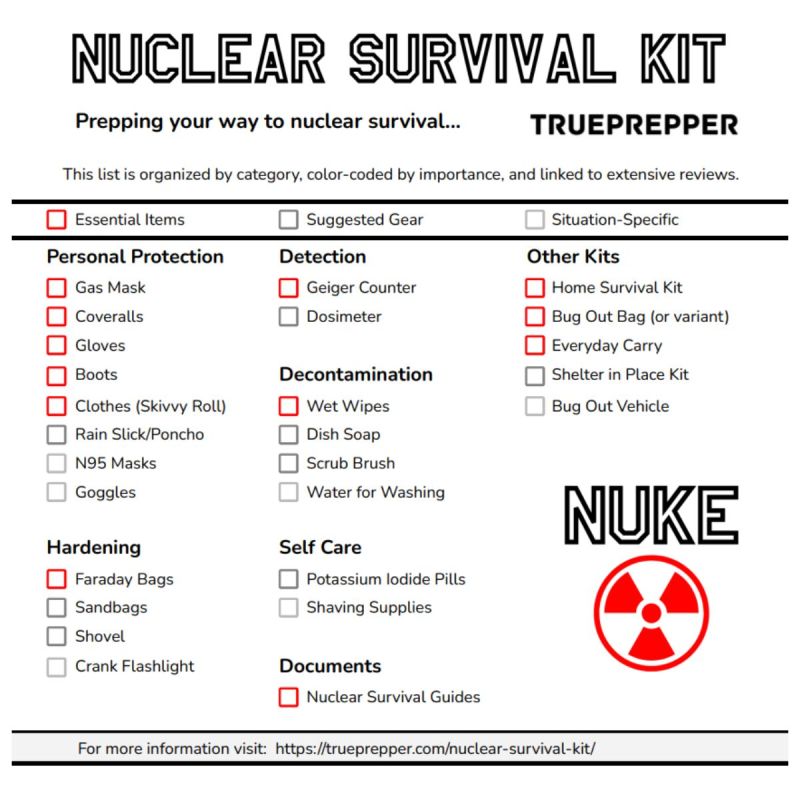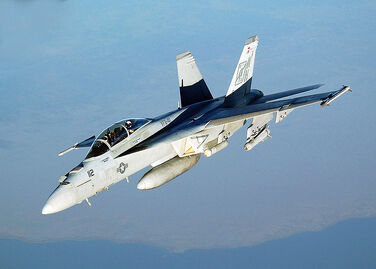
Have you ever wondered where the survival kit is hidden inside an F/A-18 fighter jet? If you’re curious about what keeps pilots safe when things go wrong, knowing the exact spot of this essential gear is a great place to start.
Your life—or someone else’s—could depend on quick access to these tools during an emergency. Keep reading, and you’ll discover exactly where the survival kit is stored and why its location is so crucial for every mission.
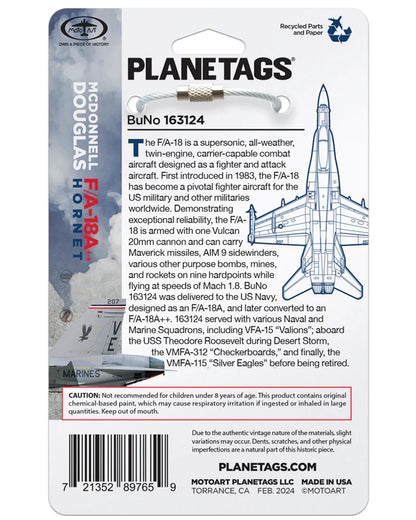
Credit: downunderpilotshop.com.au
Survival Kit Importance
The survival kit in an F/A-18 is not just a box of tools; it’s a lifeline. Its importance stretches far beyond basic convenience, serving as a crucial resource during emergencies. Understanding this can change how you view the aircraft’s safety measures and the pilot’s preparedness.
Role In Emergency Situations
Imagine being ejected from an F/A-18 in hostile territory or rough terrain. The survival kit becomes your first aid, shelter, and communication hub all in one. It’s designed to help you stay alive and increase your chances of rescue until help arrives.
Every item is chosen to address specific threats like injury, exposure, or disorientation. For pilots, it’s a comfort to know that even if everything else fails, the survival kit offers a real chance to survive. Have you ever thought about what you’d need if you were suddenly stranded miles from help?
Contents Of The Survival Kit
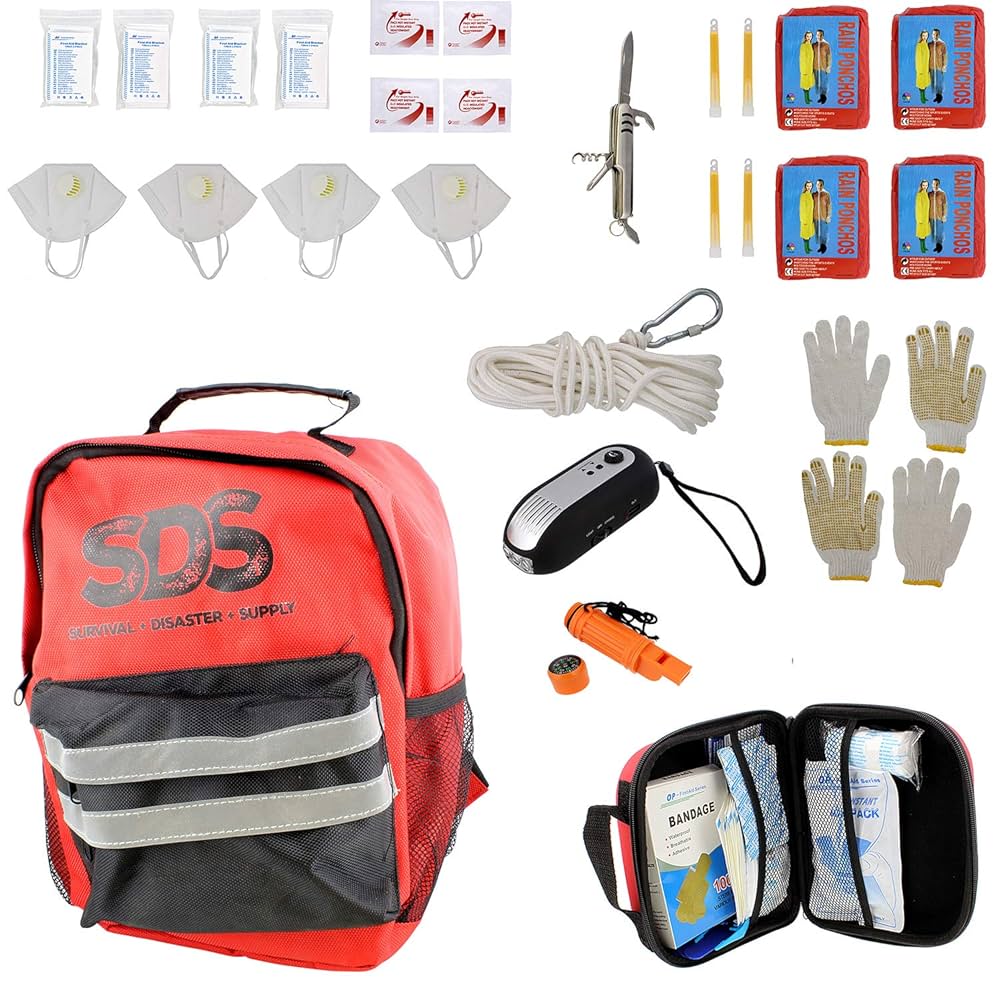
The kit includes practical, life-saving gear packed to fit the limited space in the cockpit. Here are some key items you’ll find:
- First Aid Supplies:Bandages, antiseptics, and pain relievers to treat wounds immediately.
- Signaling Devices:Flares, mirrors, and a radio beacon to attract rescuers’ attention.
- Survival Tools:A folding knife, wire saw, and fire starter for building shelter and procuring food.
- Water and Food:Compact water purification tablets and high-energy snacks to sustain the pilot.
- Clothing and Shelter:Thermal blankets and ponchos to protect against harsh weather conditions.
The thought behind each item is clear: provide what you need to survive until you are found. What would you prioritize if you had to pack your own survival kit with limited space?

Credit: worldofjaymz.fandom.com
Fa-18 Cockpit Layout
The FA-18 cockpit layout is designed for efficiency and quick access. Every control and item is placed within easy reach. Pilots need to focus on flying and mission tasks. The arrangement supports fast decision-making and safety. Understanding this layout helps locate vital equipment like the survival kit.
Pilot Seat Overview
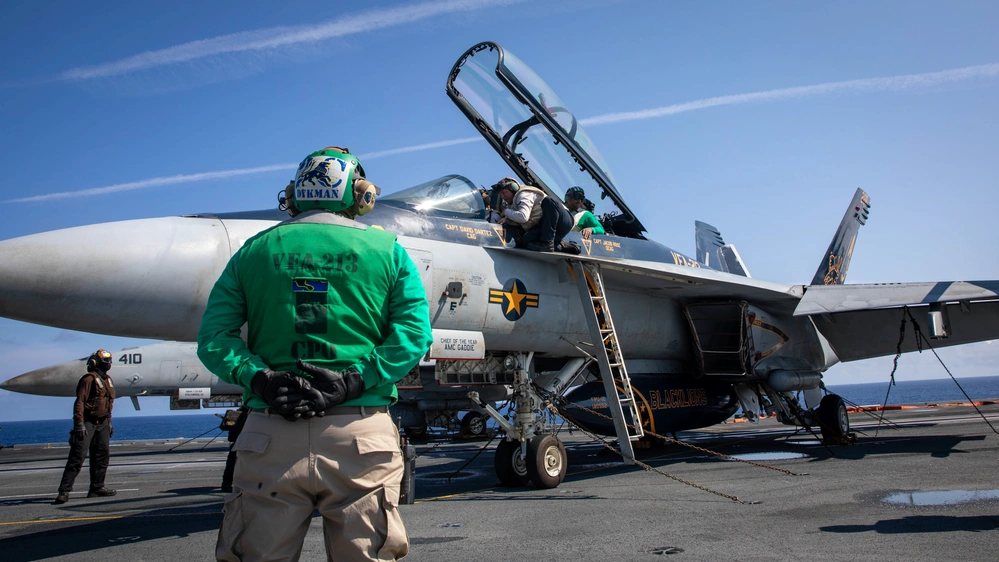
The pilot seat in the FA-18 is compact and ergonomic. It includes a harness system to keep the pilot secure. The seat has built-in survival gear pockets. These pockets store essentials such as a survival radio and signaling tools. The survival kit is often integrated into or near the seat. This location ensures the pilot can reach it quickly after ejection.
Control Panels And Storage
Control panels surround the pilot with buttons and screens. These panels are organized by function for ease of use. Storage compartments are located within arm’s reach. Small lockers near the cockpit hold emergency supplies. The survival kit is usually stored in a dedicated compartment behind or beside the seat. This design keeps the kit protected but accessible in emergencies.
Survival Kit Location
Knowing the exact location of the survival kit in an F/A-18 can be crucial in emergency situations. This kit contains essential tools and supplies to help you stay safe if you eject or crash. Locating it quickly could make all the difference between a safe rescue and a dangerous delay.
Primary Storage Areas
The survival kit in an F/A-18 is primarily stored in the ejection seat. Specifically, it is integrated into the seat pan beneath the pilot. This design keeps the kit accessible immediately after ejection, ensuring you have what you need right away.
Besides the seat, a secondary survival kit is often stored in a compartment behind the cockpit. This backup kit contains extra supplies, such as water and signaling devices, meant for longer survival scenarios. Knowing both locations gives you options depending on the situation.
Access Procedures
Accessing the survival kit after ejection is designed to be straightforward but requires practice. When you eject, the seat automatically separates from the aircraft with the kit attached. You should then retrieve the kit from the seat pan by releasing simple fasteners.
In some cases, opening the backup compartment behind the cockpit requires manual action before ejection or immediately after landing. Pilots train regularly to reach and open this compartment quickly under pressure. Have you practiced locating and opening these compartments during simulations?
Safety Features And Accessibility
The safety features and accessibility of the survival kit in an F/A-18 are designed to support pilots in emergencies. The kit is placed for quick reach and easy use. This helps pilots act fast during critical moments.
Every detail in the survival kit’s placement focuses on pilot safety. It ensures that the pilot can grab it without delay or struggle. The design combines technology and human factors to improve access and reliability.
Quick Release Mechanisms
The survival kit is secured with quick release mechanisms. These allow pilots to detach the kit swiftly during ejection or emergency situations. The system uses simple levers or buttons that pilots can operate even with gloves on.
Quick release features avoid wasting time. They are designed for one-handed operation. This design minimizes risks and maximizes pilot readiness in stressful moments.
Visibility And Reach
The survival kit is positioned where the pilot can easily see and reach it. It is often located near the pilot’s seat or harness. The placement ensures the kit does not block controls but stays within arm’s length.
Bright colors or reflective materials highlight the kit. This improves visibility in low light or smoky conditions. The easy reach and clear visibility mean the pilot can grab the kit quickly without searching.
Maintenance And Checks
Maintenance and checks of the survival kit in an F/A-18 are vital to ensure it is ready and reliable when you need it most. These procedures keep every item in top condition and confirm nothing is missing or damaged. Regular attention helps pilots and ground crews trust that the survival kit will perform under pressure.
Routine Inspection
Routine inspection involves a detailed look at each component inside the survival kit. You should check for expiration dates on items like water purification tablets, medical supplies, and emergency rations. Physical damage to packaging or equipment can make items unusable, so look carefully for tears, cracks, or corrosion.
During inspections, it’s helpful to maintain a checklist to avoid missing any part. You might find small things like signal mirrors or flares have shifted position inside the kit, which could affect accessibility. Have you ever tried to find a tiny item in a cluttered bag during a stressful moment? Keeping everything orderly saves precious seconds.
Ensuring Kit Completeness
Ensuring kit completeness means verifying that all required survival tools are present and functional. This includes essentials such as a compass, first aid supplies, water containers, and emergency food. Missing or broken items reduce your chances of survival in an emergency.
Use a reference list provided by the aircraft’s maintenance manual to cross-check each item. Replace any expired or damaged parts immediately. Think about what you would need if stranded in harsh conditions—would your kit cover those needs? This mindset helps you maintain a kit that truly supports survival, not just compliance.
Training For Survival Kit Use
Training for survival kit use is a crucial part of every FA-18 pilot’s preparation. Pilots must know how to find and operate the survival kit quickly during emergencies. Regular training ensures they stay confident and ready to act under pressure.
This training focuses on understanding the kit’s location, contents, and how to use each item effectively. It builds essential skills for surviving in harsh environments after ejection or crash landings.
Pilot Briefings
Pilot briefings cover the survival kit’s exact location inside the FA-18 cockpit. Trainers explain how to access it fast in emergencies. They also review the kit’s main items, such as signaling devices, first aid supplies, and basic tools.
Briefings include demonstrations and videos to make learning clear. Pilots discuss different scenarios where the survival kit might be needed. This helps them mentally prepare for real situations.
Emergency Drills
Emergency drills simulate ejection and survival situations. Pilots practice locating and using the survival kit under timed conditions. These drills improve reaction speed and decision-making skills.
Drills cover:
- Opening the kit quickly
- Using signaling equipment
- Administering first aid
- Building shelter or starting fires
Regular drills keep skills sharp and boost pilot confidence. They also teach teamwork when multiple pilots train together. This training saves lives and enhances mission success.
Credit: www.dvidshub.net
Frequently Asked Questions
Where Is The Survival Kit Located In An F/a-18?
The survival kit in an F/A-18 is stored in the pilot’s ejection seat. It is designed for quick access during emergencies. The kit contains essential survival tools for various environments the pilot might encounter after ejection.
What Items Are Included In The F/a-18 Survival Kit?
The F/A-18 survival kit includes water, signaling devices, a knife, a compass, and first aid supplies. These items help pilots survive until rescue arrives. The kit is compact but equipped for different survival scenarios.
How Does The F/a-18 Survival Kit Aid Pilot Rescue?
The survival kit contains signaling tools like mirrors and flares to attract rescuers. It also has communication aids and survival guides. These features increase the pilot’s chances of being found quickly after ejection.
Can Pilots Access The Survival Kit During Flight?
Pilots cannot access the survival kit during flight as it is secured in the ejection seat. It becomes accessible only after ejection. This design ensures safety and readiness for post-ejection survival.
Conclusion
Finding the survival kit in an FA-18 is crucial. It’s usually located beneath the ejection seat. Pilots must know its exact location. This knowledge ensures quick access during emergencies. The kit contains essential items. Items like food, water, and medical supplies.
These supplies support survival in critical situations. Pilots should regularly check the kit. This ensures all items remain in good condition. Regular training helps pilots familiarize themselves. This familiarity boosts confidence and safety. Knowledge and preparedness are key. Both can make a life-saving difference.
Always stay informed and ready. Safety should always come first.