Are you facing unexpected financial challenges and wondering if you qualify for emergency food stamps? Knowing who can apply for this vital support could make a big difference for you and your family right now.
If your income has dropped suddenly or you’re struggling to put meals on the table, this guide will help you understand if you’re eligible and how to get the assistance you need quickly. Keep reading to find out how emergency food stamps can help you through tough times—and how to take the first step toward applying.
Emergency Food Stamps Basics
Understanding the basics of emergency food stamps helps those in urgent need. This aid offers quick relief for families facing food insecurity. It ensures access to essential nutrition during tough times. Knowing what emergency food stamps are and their benefits guides applicants.
What Are Emergency Food Stamps
Emergency food stamps are a form of fast food assistance. They provide immediate help to low-income individuals or families. These benefits come from the Supplemental Nutrition Assistance Program (SNAP). The goal is to offer food support within days of application. Emergency food stamps help cover grocery costs quickly.
Purpose And Benefits
The main purpose is to prevent hunger in crisis situations. Emergency food stamps support people after job loss or natural disasters. They reduce stress and improve health by ensuring food access. Benefits include:
- Rapid delivery of food aid
- Support during unexpected financial hardship
- Help to maintain a balanced diet
- Temporary relief until regular benefits start
Emergency food stamps serve as a vital safety net for families. They keep communities healthier and more stable in difficult times.

Credit: www.mass.gov
Eligibility Criteria
Understanding the eligibility criteria for emergency food stamps can help you quickly determine if you qualify for immediate assistance. The rules are designed to prioritize those facing urgent food insecurity, but they also ensure resources go to those who truly need them.
Let’s break down the key factors that decide who can apply and receive emergency food stamps.
Income Requirements
Your income plays a major role in eligibility. Emergency food stamps are typically reserved for households with incomes at or below a certain threshold, often linked to the federal poverty level.
Think about your monthly earnings compared to your household size. If you’re struggling to cover basic expenses after paying rent, utilities, and other essentials, you might meet the income criteria.
- Income limits vary by state and household size.
- Some states consider deductions for medical expenses or childcare.
- Unexpected job loss or reduced hours can quickly change your income status.
Household Composition
The size and makeup of your household affect how much assistance you can get. Food stamps aim to support everyone living under one roof who shares meals.
Include all family members, roommates, or others you buy and prepare food with. If you have children, elderly relatives, or disabled members, your household count will be higher, which can increase your benefit amount.
- Children under 18 usually count as full members.
- Adults who live separately but share food expenses might be included.
- Documenting your household correctly is crucial to avoid delays.
Residency And Citizenship
You must be a resident of the state where you apply for emergency food stamps. Proof of residency could be a utility bill, lease agreement, or official mail showing your address.
Citizenship status also matters. Most programs require applicants to be U.S. citizens or certain qualified non-citizens. If you’re unsure about your status, check with your local agency—they often have options for different circumstances.
- Permanent residents, refugees, and some immigrants may qualify.
- Undocumented individuals typically do not qualify but can seek other assistance.
- Providing accurate documentation helps speed up your application.
Special Situations
Some circumstances can make you eligible even if you don’t meet standard requirements. For example, victims of natural disasters or emergencies might get expedited food stamp benefits.
Pregnant women, elderly adults, and people with disabilities often receive special consideration. If you’re homeless or recently lost your job, mention these facts in your application—agencies might prioritize your case.
- Emergency benefits can be issued within days in crisis situations.
- Veterans and active military families may have additional support.
- Ask your caseworker about exceptions that apply to your situation.
Have you recently faced a sudden financial hit or unexpected hardship? Knowing these eligibility details can help you get the support you need faster. Don’t wait until your food supply runs low—checking your eligibility today could make a big difference tomorrow.
Application Process
Emergency food stamps are available for low-income individuals and families facing urgent food needs. Applicants must meet income and residency rules set by their state. Proof of financial hardship helps speed up the application process.
Navigating the application process for emergency food stamps can seem daunting, but understanding each step can make it smoother. Many people feel overwhelmed when they first consider applying, but knowing where to start and what is required can save you time and stress. Let’s break down the process so you can be confident in your approach.Where To Apply
You can apply for emergency food stamps at your local Supplemental Nutrition Assistance Program (SNAP) office. If you’re unsure where your nearest office is, a quick online search or a call to your state’s SNAP hotline can provide you with the details you need. Some states even offer online applications, making it easier to apply from the comfort of your home.Required Documents
Having the right documents on hand is crucial. You’ll need to provide identification, proof of income, and proof of residency. Additionally, documentation of your financial situation, such as bank statements or utility bills, will be necessary. Gathering these documents ahead of time can help speed up the process.Application Timeline
The timeline for receiving emergency food stamps varies by state but is generally expedited due to the urgent nature of the need. Typically, you can expect a decision within a few days, often as quickly as three to seven days. It’s important to check your application status and follow up if you haven’t heard back within the expected timeframe. Understanding these key elements of the application process can empower you to take the necessary steps confidently. Have you gathered all your documents yet? Getting organized now can make a big difference in reducing stress later.
Credit: www.youtube.com
Types Of Emergencies Covered
Emergency food stamps help people facing sudden and serious problems. These problems create a need for quick food assistance. The program covers several types of emergencies. Knowing which emergencies qualify can guide applicants.
Natural Disasters
Natural disasters like floods, hurricanes, and wildfires can destroy homes and food supplies. People affected by these events often lose access to food and basic needs. Emergency food stamps provide fast support to replace lost resources. This aid helps families survive during recovery.
Job Loss
Losing a job can cause a sudden drop in income. Without money, buying food becomes hard. Emergency food stamps offer temporary help to those who lost work unexpectedly. This support bridges the gap until new income starts.
Other Urgent Needs
Other urgent needs include medical emergencies, unexpected bills, or eviction threats. These situations strain finances and reduce money for food. Emergency food stamps assist people facing these urgent financial challenges. The goal is to prevent hunger during tough times.
Benefits Duration And Limits
Understanding the duration and limits of emergency food stamp benefits is essential before you apply. These details can affect how you plan your budget and meet your immediate food needs. Knowing exactly how long the benefits last and the maximum amount you can receive helps you manage your resources wisely during tough times.
How Long Benefits Last
Emergency food stamp benefits typically last for a short period, often just one month. This quick turnaround aims to provide immediate relief when you face a sudden loss of income or unexpected expenses. However, the exact length can vary depending on your state’s rules and your individual situation.
Sometimes, you may be eligible for an extension if your financial hardship continues. It’s important to stay in touch with your local agency and update them on any changes in your circumstances. Have you checked how long your state allows these emergency benefits to keep you supported?
Maximum Allotments
The amount you receive through emergency food stamps depends on your household size and income. There is a set maximum allotment designed to cover basic food needs but not beyond essential groceries. This cap ensures that resources are distributed fairly among all applicants.
| Household Size | Maximum Monthly Allotment |
|---|---|
| 1 person | $250 |
| 2 persons | $459 |
| 3 persons | $658 |
| 4 persons | $835 |
These amounts might seem limited, but they can make a big difference when money is tight. Have you calculated how much your household might receive? Knowing your allotment can help you plan meals and avoid unnecessary expenses.
Common Challenges And Tips
Applying for emergency food stamps can feel overwhelming, especially when urgent need meets complex paperwork. Many applicants face similar hurdles that can delay or even block access to the help they need. Understanding these common challenges and learning practical tips can make your application process smoother and faster.
Avoiding Application Mistakes
Simple errors can cause big delays in your emergency food stamp application. Missing documents or incorrect income information are frequent issues that slow down approval. Double-check your application for completeness before submitting it.
Keep these tips in mind:
- Gather all required documents:Proof of income, ID, and residency papers are usually essential.
- Fill out forms carefully:Avoid rushing through; unclear handwriting or skipped questions can lead to confusion.
- Be honest and accurate:Provide truthful information to prevent complications later.
Have you ever lost time because of a missing signature or forgotten paperwork? Taking a few extra minutes to review your application can save you weeks of waiting.
What To Do If Denied
Getting denied for emergency food stamps can be disheartening, but it’s not the end of the road. You have the right to appeal the decision and provide additional information if needed. Act quickly to avoid missing deadlines for appeals.
Here’s what you can do next:
- Request a clear explanation:Understand why your application was denied.
- Gather missing or corrected documents:Address the specific reasons for denial.
- Submit an appeal:Follow the instructions carefully and meet all deadlines.
- Seek help:Local community organizations or social workers can guide you through the appeal process.
Have you prepared a backup plan if your first application doesn’t succeed? Knowing your options can reduce stress and keep you moving forward toward the assistance you need.
Additional Resources
Emergency food stamps can provide quick help during tough times. Many people may need extra support beyond the basic program. Various resources exist to guide and assist applicants. These resources help find local help and online support tools. Using these can improve chances of getting aid fast.
Local Assistance Programs
Many communities offer food aid programs alongside emergency food stamps. These programs often include food banks and soup kitchens. Local charities and churches may also provide free meals or groceries. Some counties run special programs for families and seniors. Visiting a nearby social service office can reveal many options. Staff there can help complete forms and explain eligibility. Local programs sometimes have fewer requirements than state programs. They provide immediate help while waiting for official benefits.
Online Tools And Support
Several websites offer useful tools to apply and check food stamp status. Many states have online portals for submitting applications quickly. These portals show required documents and application steps clearly. Online chat support can answer common questions instantly. Some websites provide eligibility calculators to estimate benefit amounts. Mobile apps also track application progress and notify updates. Using online resources saves time and avoids long office visits. They guide users through the process with easy instructions and tips.

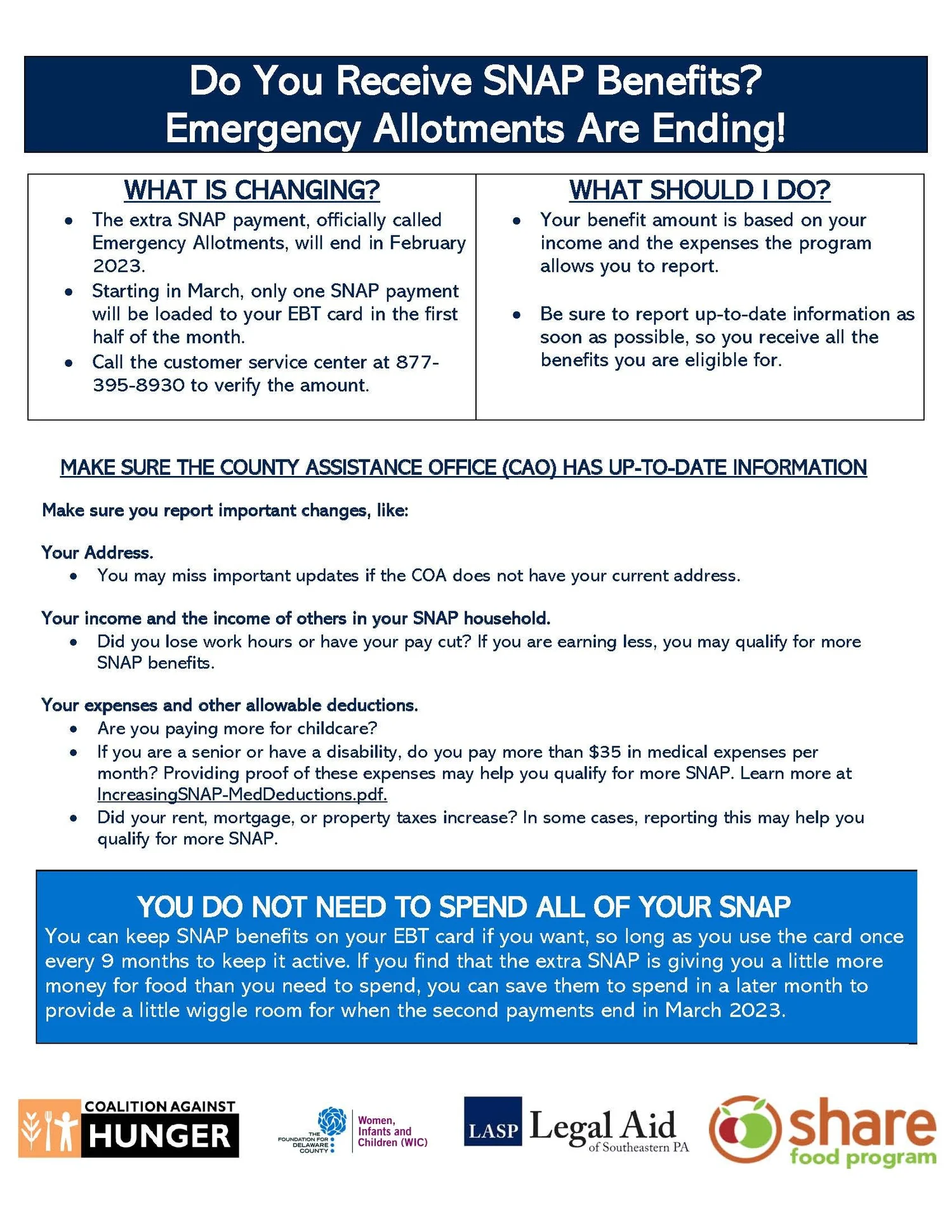
Credit: www.lasp.org
Frequently Asked Questions
Who Qualifies For Emergency Food Stamps?
Individuals facing immediate food insecurity and financial hardship qualify. Eligibility depends on income, household size, and urgent need. Applicants must meet state-specific criteria for quick assistance.
How Quickly Can I Get Emergency Food Stamps?
Emergency food stamps are usually issued within 7 days of application. Some states may provide benefits faster based on urgency. Prompt documentation speeds up the process.
Can Unemployed People Apply For Emergency Food Stamps?
Yes, unemployed individuals with low income or no resources can apply. Emergency food stamps help those in sudden financial crisis or job loss.
Are Immigrants Eligible For Emergency Food Stamps?
Eligibility varies by immigration status and state rules. Some lawful immigrants may qualify, but undocumented immigrants generally do not. Check local guidelines for details.
Conclusion
Emergency food stamps help many families in tough times. People with low income or sudden needs can apply. The process is usually quick to offer fast support. Knowing who qualifies makes applying easier and faster. Food assistance can provide relief and peace of mind.
Don’t wait if you need help; resources are available. Understanding eligibility helps you find the right aid. Everyone deserves access to food during emergencies. Keep this information handy for yourself or others in need.