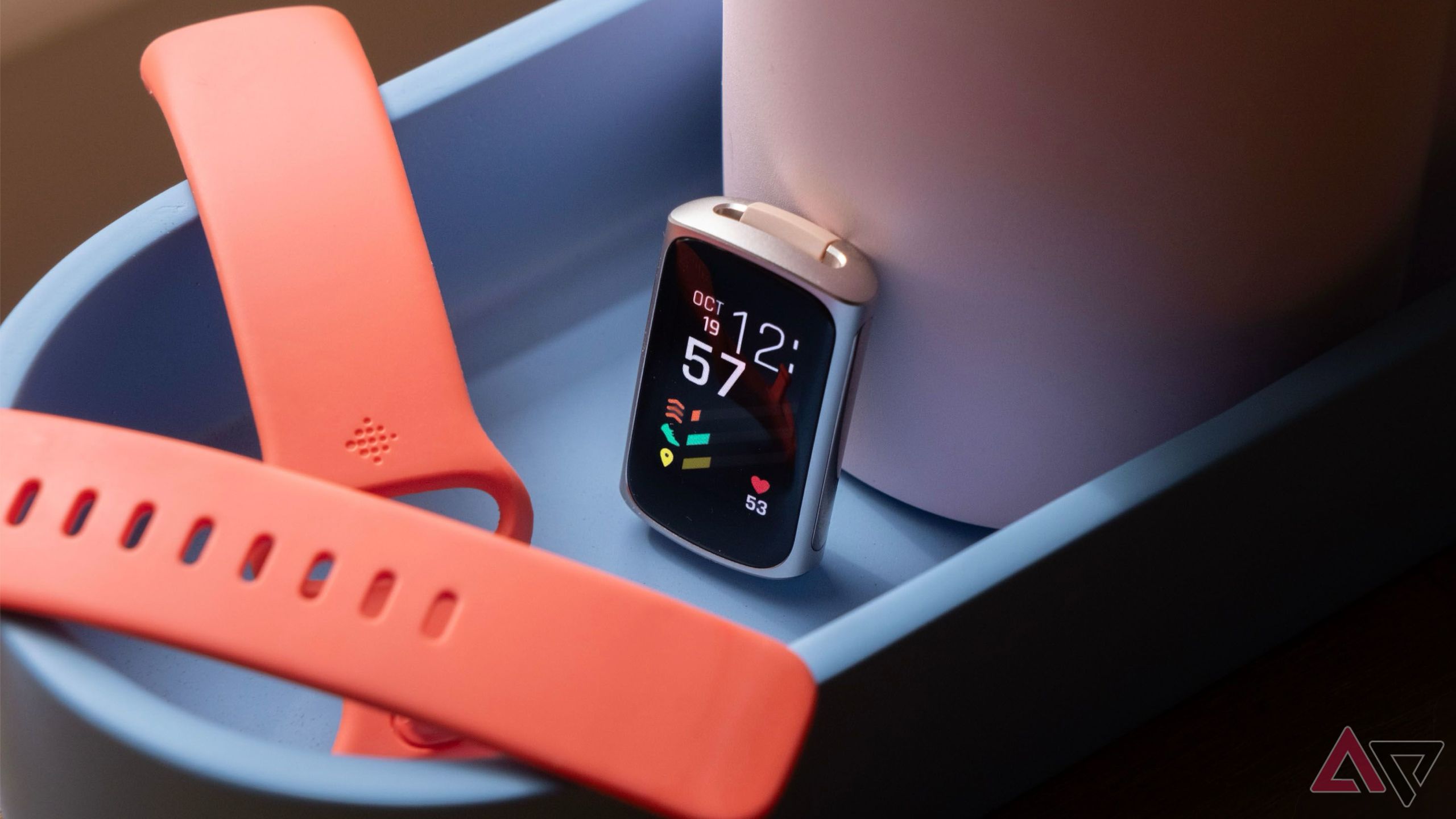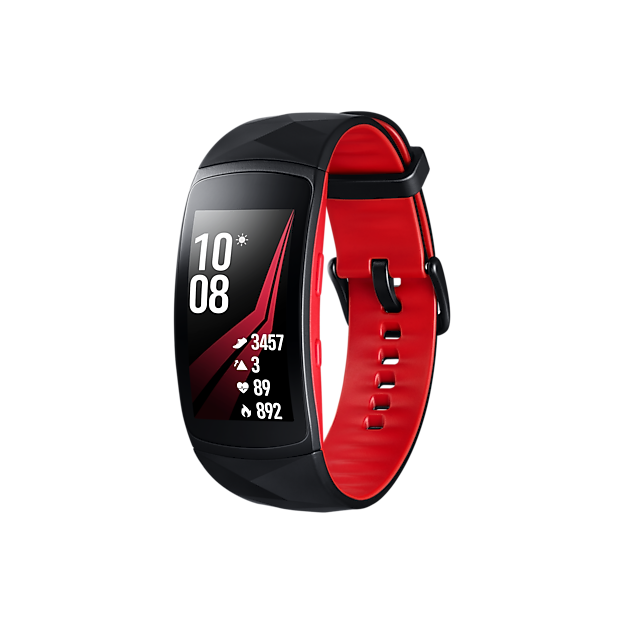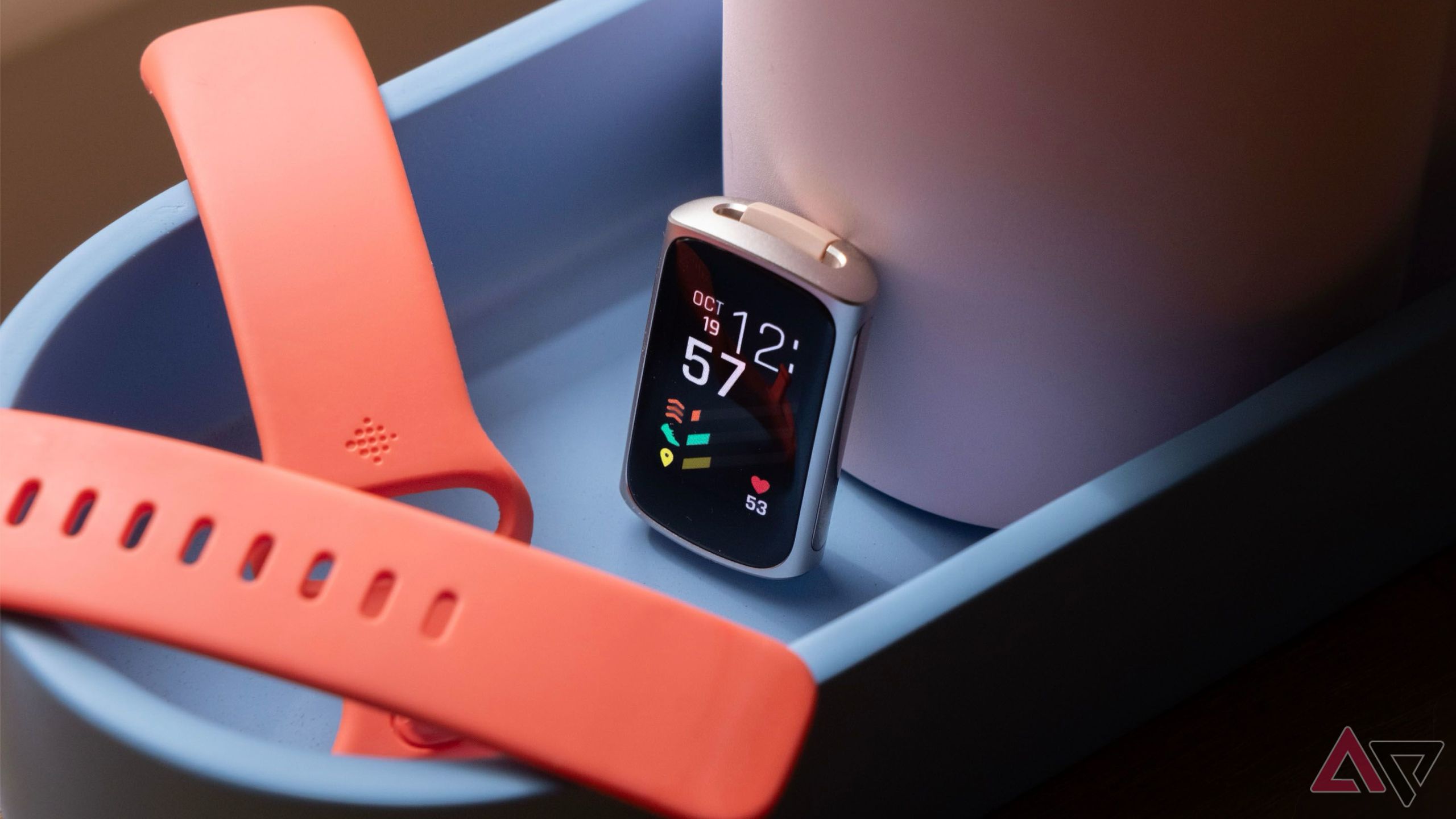
Have you ever wondered why your Gear Fit2 doesn’t seem to recognize when you’re asleep? It’s frustrating to wear your device all night, only to wake up and see no sleep data recorded.
You rely on your Gear Fit2 to track your rest, help improve your health, and give you insights into your sleep patterns. When it misses the mark, it leaves you confused and wondering what went wrong. You’ll discover the common reasons behind this issue and simple fixes you can try right now to make sure your device truly knows when you’re sleeping.
Keep reading to get the answers you need and start trusting your Gear Fit2 again.
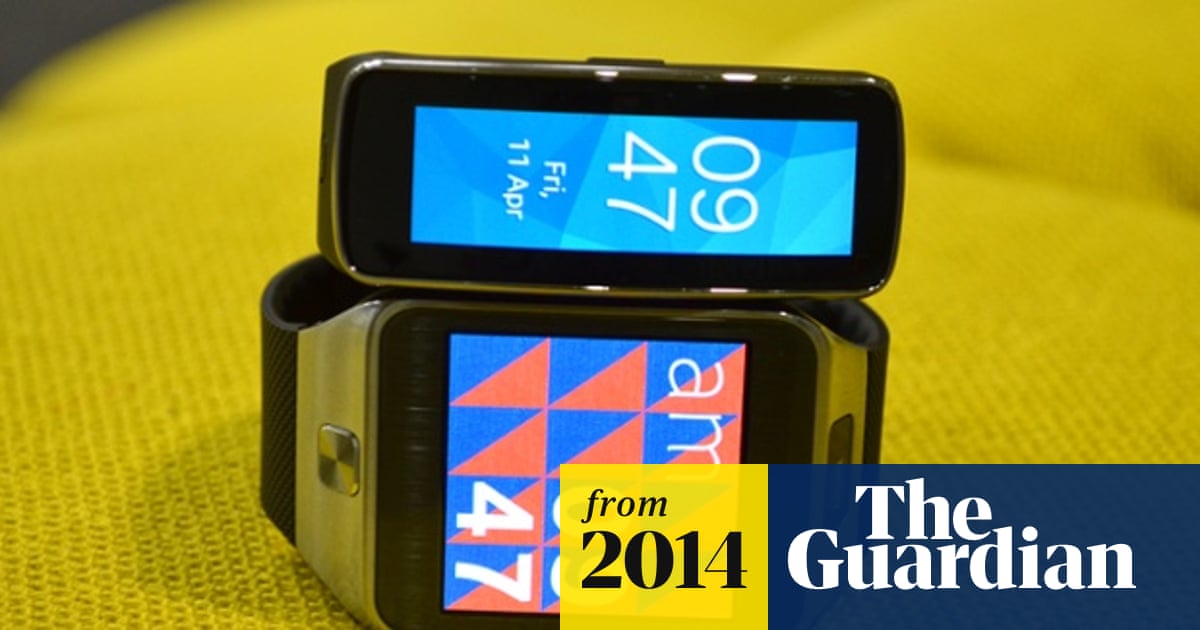
Credit: www.theguardian.com
Common Reasons Gear Fit2 Misses Sleep
Understanding why your Gear Fit2 sometimes misses detecting your sleep can help you improve its accuracy and get better insights into your rest patterns. Several factors can cause these sleep tracking issues, ranging from hardware limitations to how you wear the device and even software hiccups. Let’s look closely at the common reasons behind these missed sleep detections.
Sensor Limitations
The Gear Fit2 relies on sensors like the accelerometer and heart rate monitor to detect sleep. These sensors track movement and heart rate changes to identify when you fall asleep and wake up.
However, if your movements are very subtle or your heart rate doesn’t drop significantly during sleep, the device might not register that you’re sleeping. Some people naturally move less or have irregular heart patterns, making sensor readings less reliable.
Have you noticed nights when you barely moved but the tracker didn’t log your sleep? This could be a sign of sensor limitations affecting your results.
Wearing Position Issues
How and where you wear your Gear Fit2 dramatically affects its ability to detect sleep accurately. The device should fit snugly on your wrist, not too loose or too tight.
If the band shifts during the night or sits loosely, the sensors may lose contact with your skin, leading to missed or inaccurate sleep data. Also, wearing it on your dominant wrist versus your non-dominant wrist can sometimes affect readings.
Try adjusting the fit before bedtime and observe if the sleep detection improves. Could a simple change in how you wear it solve your sleep tracking problems?
Software Glitches
Sometimes, the issue is not hardware but software. Bugs or outdated firmware can cause the Gear Fit2 to miss sleep data or display inaccurate information.
Checking for updates regularly and restarting your device can often resolve these glitches. Also, syncing issues between the Gear Fit2 and the companion app might create discrepancies in your sleep logs.
If your device seems to miss sleep frequently despite proper wearing and sensor conditions, consider resetting or updating the software. Have you checked for updates recently?
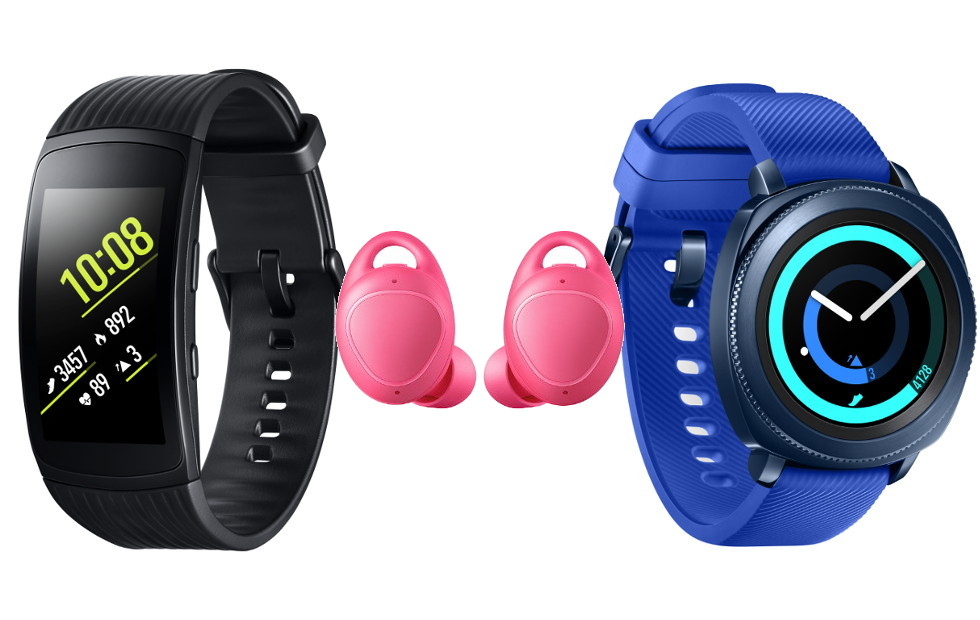
Credit: cheryltay.sg
Calibrating Sleep Detection Settings
Calibrating your Gear Fit2’s sleep detection settings is key to improving its accuracy. Sometimes, the device misses your sleep because it’s not tuned to your specific habits. By adjusting the settings, you make the tracker better understand your sleep patterns and lifestyle.
Adjusting Sensitivity
Your Gear Fit2 uses movement and heart rate to detect sleep, so sensitivity matters. If the sensitivity is too low, light sleep or restless moments might not register. Increasing sensitivity helps the device pick up subtle movements and heart rate changes, giving you a fuller picture of your sleep.
Try changing the sensitivity in the app settings and observe how your sleep data changes over a few nights. Have you noticed if your sleep records improve with a higher sensitivity? If not, lowering it slightly might help avoid false sleep detection during quiet wakefulness.
Setting Sleep Goals
Setting clear sleep goals can guide your Gear Fit2 to track your sleep more effectively. When you define your bedtime and wake-up time, the device knows when to start and stop monitoring. This reduces confusion about when you’re actually sleeping versus just resting or lying down.
Think about your typical sleep schedule and input consistent times in the app. If your sleep times vary greatly, the tracker might struggle. Would fixing a more regular sleep routine help your device give you better insights?
Updating Firmware
Firmware updates often include bug fixes and improvements to sleep tracking algorithms. Running outdated firmware can cause your Gear Fit2 to miss sleep sessions or misinterpret data. Check regularly for updates to keep your device performing at its best.
Updating firmware is simple but often overlooked. Have you checked your device’s software version lately? Keeping it current may solve many sleep tracking problems without any extra tweaks.
Optimizing Wear And Usage
Is your Gear Fit2 not recognizing when you’re sleeping? Optimizing how you wear and use your device can make a huge difference. Many users overlook small adjustments that can enhance the performance of their sleep-tracking feature. Let’s dive into some practical tips.
Proper Strap Fit
Achieving the right strap fit is crucial for accurate sleep tracking. A strap that’s too loose might cause the sensor to lose contact with your skin, leading to inaccurate readings. On the other hand, a strap that’s too tight can be uncomfortable and disrupt your sleep. Adjust the strap so it’s snug but not constricting. This ensures the sensors maintain consistent contact with your wrist.
Consistent Wear Habits
Consistency is key when it comes to wearable technology. Wearing your Gear Fit2 at the same time each night helps it learn your sleep patterns. If you frequently remove it or wear it sporadically, it might struggle to accurately track your sleep. Aim to wear it for at least a week to help it adapt and improve its accuracy.
Avoiding Interference
External factors can sometimes interfere with your device’s ability to track sleep. Electronic devices, such as smartphones or other wearables, might cause signal disruption. Keep your Gear Fit2 away from other electronics while you sleep. Consider placing your phone on a different table or turning on airplane mode to minimize interference. This simple step can significantly improve your device’s performance.
By focusing on these aspects, you can enhance the accuracy of your Gear Fit2’s sleep tracking. Have you checked how well your device fits and functions? Small adjustments can make a big difference in your sleep data.

Credit: www.reddit.com
Using Third-party Sleep Apps
Using third-party sleep apps can help improve the accuracy of sleep tracking on your Gear Fit2. These apps offer different ways to monitor sleep patterns. They often use the phone’s sensors and advanced algorithms. This can provide better insights than the built-in tracker.
Many users find these apps easier to use. They also provide more detailed sleep reports. Some apps allow syncing data with your Gear Fit2 for a complete view.
Popular Alternatives
- Sleep as Android: Tracks sleep with sound and movement.
- AutoSleep: Works automatically with Apple devices but can sync data.
- Pillow: Offers detailed sleep analysis and smart alarms.
- Sleep Cycle: Uses sound analysis to detect sleep phases.
Integration Tips
- Allow app permissions to access sensors and notifications.
- Sync apps with Samsung Health for unified data.
- Keep your phone close during sleep for better tracking.
- Regularly update both app and Gear Fit2 firmware.
Accuracy Comparison
| App | Sleep Detection | Movement Tracking | Additional Features |
|---|---|---|---|
| Gear Fit2 Native | Basic | Moderate | Step counting, heart rate |
| Sleep as Android | Advanced | High | Sound recording, smart alarms |
| Sleep Cycle | Advanced | Moderate | Sound analysis, sleep notes |
Troubleshooting And Resetting Device
Troubleshooting and resetting your Gear Fit2 can solve many sleep tracking problems. Sometimes, the device may not detect sleep due to software glitches or settings issues. Resetting or restarting the device often fixes these errors quickly. Follow these simple steps to get your Gear Fit2 working properly again.
Restarting Gear Fit2
Restarting the Gear Fit2 can refresh its system and fix minor bugs. To restart:
- Press and hold the Home button until the screen turns off.
- Release the button and wait a few seconds.
- Press the Home button again to turn the device back on.
This quick reboot can help the device recognize your sleep patterns correctly.
Factory Reset Steps
A factory reset restores the Gear Fit2 to original settings. This removes all data and fixes deeper software issues. To reset:
- Open the Settings menu on your Gear Fit2.
- Scroll to and select “Gear Info.”
- Choose “Reset Gear” or “Factory Reset.”
- Confirm your choice and wait for the device to restart.
After resetting, set up your device again. Sync it with your phone for accurate sleep tracking.
When To Contact Support
If restarting and resetting do not fix the issue, contact Samsung support. The problem may be hardware-related or require expert help. Provide details about your device and the sleep tracking problem. Support can offer solutions or repair options.
Frequently Asked Questions
Why Doesn’t My Gear Fit2 Track My Sleep Correctly?
Your Gear Fit2 may miss sleep tracking due to improper wear or tightness. Ensure the device fits snugly and is worn overnight for accurate monitoring.
How Can I Improve Gear Fit2 Sleep Detection?
To improve sleep detection, update your device software regularly and calibrate sensors. Also, avoid movements or interruptions that confuse the tracker during sleep.
Does Gear Fit2 Require Manual Sleep Mode Activation?
No, Gear Fit2 uses automatic sleep tracking. However, manual activation can help if you have irregular sleep patterns or notice inconsistent tracking.
Why Is My Gear Fit2 Showing Less Sleep Time?
Inaccurate sleep time often results from device movement or loose fit. Keep your Gear Fit2 secure and avoid waking activities that may disrupt tracking.
Conclusion
Your Gear Fit2 might miss sleep if worn loosely or incorrectly. Sensors need close skin contact to track movements well. Charging or software issues can also affect sleep detection. Try updating the device and wearing it snugly at night. Small changes can improve accuracy and help track rest better.
Keep checking settings and keep the device clean. Sleep tracking helps understand your health over time. Patience and care make a big difference with fitness trackers.