When it comes to protecting yourself and your loved ones during a powerful tornado, you want to be sure your shelter can stand up to the worst. An EF5 tornado is the most violent storm on the scale, with winds that can tear through almost anything.
You might be wondering: can an above ground shelter really keep you safe in an EF5? This question is crucial if you’re considering your options for storm safety. You’ll discover the truth about above ground shelters and their ability to survive these extreme storms.
Keep reading to find out what you need to know to make the best choice for your safety.
Ef5 Tornado Characteristics
EF5 tornadoes are the most intense storms on the tornado scale. They cause extreme destruction. Understanding their characteristics helps in assessing shelter safety. These tornadoes have violent winds and immense power. Their impact on buildings is catastrophic. Below, key traits of EF5 tornadoes are explained.
Wind Speeds And Damage Potential
EF5 tornadoes have wind speeds above 200 miles per hour. These winds can reach up to 300 miles per hour. Such speeds tear apart almost everything in their path.
- Roofs are lifted off completely.
- Concrete walls can be shattered.
- Vehicles are thrown like toys.
The damage potential is nearly total destruction. Nothing stands firm against these forces easily.
Typical Impact On Structures
Most buildings suffer severe damage or collapse. Wooden houses are often wiped off their foundations. Even strong steel structures can bend or fail.
- Debris becomes deadly projectiles.
- Concrete and brick walls crack or crumble.
- Above ground shelters face extreme stress.
Only specially designed shelters can resist EF5 impacts. Ordinary buildings offer little protection during such storms.
Above Ground Shelter Designs
Above ground shelter designs vary widely depending on purpose and expected threats. These shelters aim to protect from strong winds, flying debris, and structural collapse. The design must balance safety, cost, and ease of construction. Understanding materials and structural integrity helps evaluate if a shelter can withstand an EF5 tornado.
Common Materials Used
- Reinforced concrete: Offers high durability and strength.
- Steel frames: Provide flexibility and resistance to impact.
- Heavy-duty wood: Used with additional reinforcements.
- Fiberglass panels: Lightweight but less impact-resistant.
- Polycarbonate sheets: Used for windows, resistant to shattering.
Each material has pros and cons related to weight, cost, and protection level. Concrete and steel are top choices for extreme weather shelters.
Structural Strength And Weaknesses
- Above ground shelters face risks from flying debris and wind pressure.
- Concrete walls resist penetration but can crack under extreme force.
- Steel frames absorb impact but need secure anchoring to prevent collapse.
- Wood structures require thick beams and metal braces to improve strength.
- Improper design can cause roof uplift or wall failure during EF5 winds.
Proper engineering and construction improve survival chances in an EF5 tornado. Shelters designed for lower tornado categories may not hold against EF5 forces.
Performance Of Above Ground Shelters In Ef5 Events
Above ground shelters are often considered for tornado safety due to their accessibility and convenience. But how well do they hold up against the most violent storms classified as EF5? Understanding their performance during such extreme events is crucial for anyone relying on them for protection.
EF5 tornadoes generate wind speeds over 200 mph and can cause catastrophic damage. This raises the question: can above ground shelters truly offer safety in these conditions, or do they have critical vulnerabilities? Let’s look at real examples and common failure points to help you make an informed decision.
Case Studies And Real-life Incidents
There have been documented incidents where above ground shelters have both succeeded and failed during EF5 tornadoes. In some cases, sturdy, well-installed shelters have withstood extreme winds and flying debris, saving lives.
However, other reports show shelters being torn from their foundations or collapsing under debris impact. One survivor’s story highlights how a reinforced shelter with deep anchoring provided a safe refuge even as their home was destroyed around them.
These examples show that the quality of construction and installation plays a vital role. Have you checked if your shelter meets the highest safety standards or if it’s just a basic model? Your safety depends heavily on these details.
Failure Points During Extreme Tornadoes
- Anchoring Issues:Many above ground shelters fail because they are not anchored deeply or securely enough. EF5 winds can lift poorly anchored shelters like a toy.
- Structural Weakness:Shelters made with thin walls or subpar materials may buckle under debris impact or pressure changes.
- Entry Points:Doors and vents are often the weakest spots. If they don’t lock tightly or withstand impact, wind and debris can breach the shelter.
- Debris Blockage:Even if the shelter remains intact, heavy debris piled against exits can trap occupants inside, creating additional danger.
Knowing these failure points can help you ask the right questions when choosing or installing a shelter. Are you confident your shelter’s foundation can resist uplift? Have you inspected door reinforcements and seals? Addressing these issues can drastically improve your chances of survival.

Credit: www.lonestarsaferooms.com
Comparison With Underground Shelters
Choosing between an above ground shelter and an underground shelter for surviving an EF5 tornado is a critical decision. Both types have their strengths and weaknesses, especially when facing the extreme forces of the strongest tornadoes. Understanding how they compare can help you pick the right option for your safety and peace of mind.
Protection Levels
Underground shelters are often seen as the gold standard for tornado safety. Being below the surface, they are naturally shielded from flying debris and extreme wind pressure.
Above ground shelters, however, have improved dramatically. Many are built with reinforced steel and impact-resistant walls designed to withstand intense storms. Still, they may be more vulnerable to debris impact and structural stress than underground options.
Think about this: if debris tears through your neighborhood, how confident are you that your shelter’s walls will hold? Underground shelters reduce this risk by using the earth as a buffer, while above ground models rely heavily on engineering strength.
Cost And Installation Considerations
Installing an underground shelter typically involves excavation, which can be costly and disruptive. You need space in your yard and the right soil conditions to dig safely.
Above ground shelters usually cost less upfront and install faster. They don’t require digging, so you avoid potential issues like hitting underground utilities or dealing with water seepage.
However, keep in mind that the cheaper initial price of above ground shelters might come with trade-offs in durability or comfort during an EF5 tornado. Would you prefer a quick setup or a proven fortress beneath your feet?
Improving Above Ground Shelter Safety
Improving above ground shelter safety is vital for better protection during an EF5 tornado. These shelters face extreme winds and flying debris. Strengthening their design can increase survival chances. Small changes make a big difference in durability and safety.
Reinforcement Techniques
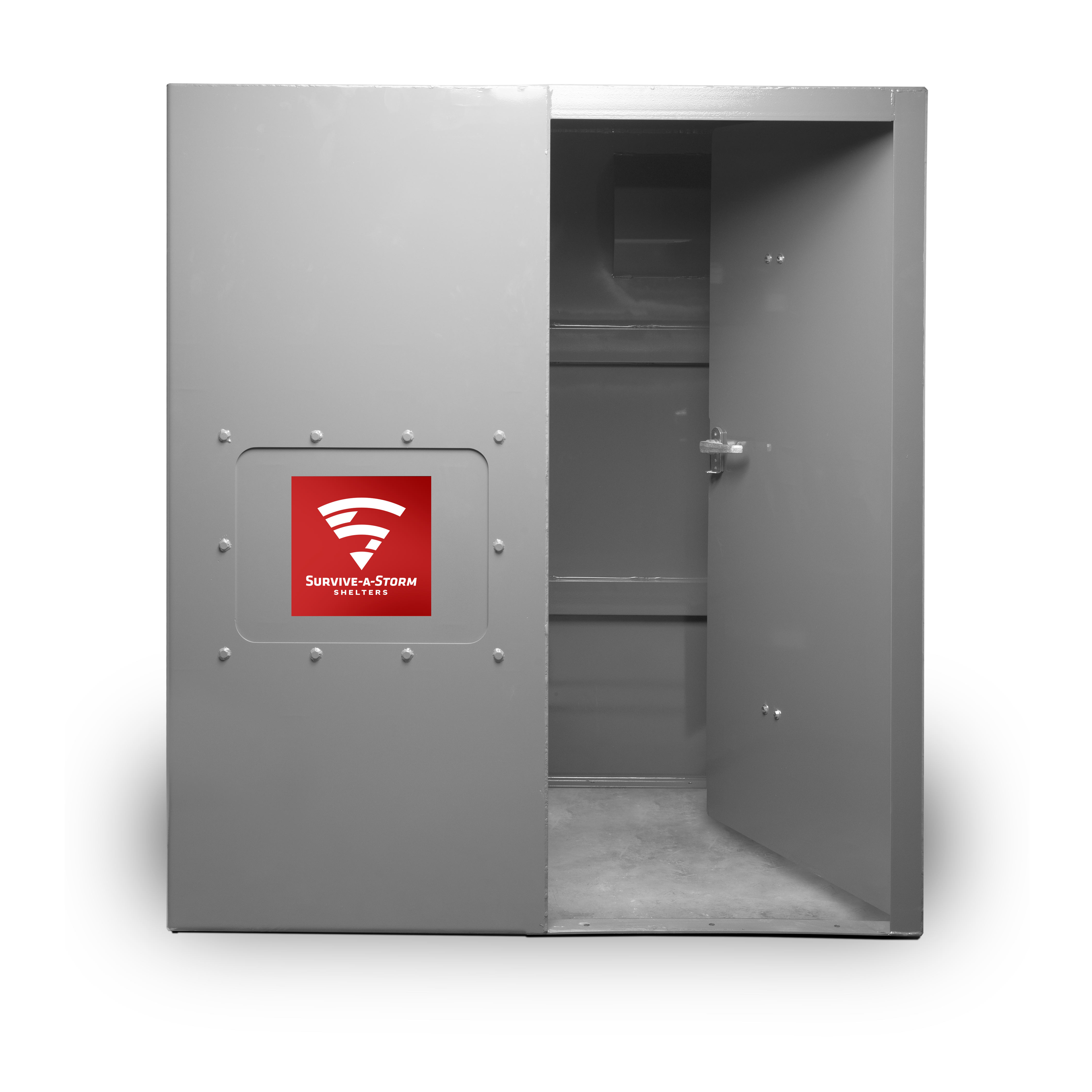
Use strong materials like steel or reinforced concrete. Add heavy-duty anchors to secure the shelter to the ground. Install impact-resistant doors and windows to block debris. Reinforce walls with extra layers of plywood or metal sheets. Seal all gaps to prevent wind and water entry. Use cross-bracing inside walls to improve structure stability.
Location And Placement Tips
Place the shelter away from large trees and power lines. Avoid low areas prone to flooding. Position near the center of the property for better wind protection. Ensure easy access from your home or workplace. Avoid placing the shelter near loose objects or debris. Clear the surrounding area of potential flying hazards.
Credit: wolcottstormshelters.com
Expert Recommendations
Experts emphasize that survival during an EF5 tornado depends heavily on the type of shelter you choose and its construction quality. Above ground shelters can offer protection, but they have limitations against extreme tornado forces. Understanding when these shelters are appropriate and knowing alternative safety options can make a critical difference for your safety.
When To Choose Above Ground Shelters
Above ground shelters are designed to withstand strong winds and flying debris, but their ability to survive an EF5 tornado varies. Experts recommend choosing these shelters if they meet strict engineering standards and are anchored securely to a reinforced foundation.
Look for shelters made of heavy-gauge steel or concrete with tested impact resistance. If your property doesn’t allow for underground options due to water tables or soil conditions, a high-quality above ground shelter can be your best choice.
Ask yourself: does the shelter come with certification from recognized testing agencies? This can be a game-changer in ensuring your safety during the most violent storms.
Alternative Safety Measures
If an above ground shelter isn’t feasible or doesn’t meet safety standards for EF5 protection, consider other measures to keep you safe. One practical step is to identify the safest interior room in your home, preferably a small, windowless space on the lowest floor.
Additionally, keep emergency supplies like helmets, blankets, and water handy in that area. You might also explore community storm shelters or collaborate with neighbors to build a shared, reinforced shelter.
- Install impact-resistant windows or storm shutters to reduce debris hazards.
- Secure heavy furniture and appliances to prevent injuries from flying objects.
- Stay informed about weather alerts with a reliable NOAA weather radio or smartphone apps.
How prepared are you beyond just having a shelter? Sometimes, a combination of safety measures can save your life when a tornado hits.

Credit: www.youtube.com
Frequently Asked Questions
Can An Above Ground Shelter Withstand An Ef5 Tornado?
Above ground shelters rarely withstand EF5 tornadoes due to extreme winds. EF5 tornadoes reach over 200 mph, causing massive destruction. Underground shelters provide better protection by avoiding flying debris and structural collapse.
What Materials Improve Above Ground Shelter Safety?
Reinforced concrete, steel frames, and impact-resistant doors improve above ground shelter safety. Proper anchoring and design are essential to resist EF5 tornado forces. However, even the strongest materials may fail under EF5 conditions.
How Does Ef5 Tornado Wind Speed Affect Shelters?
EF5 tornado winds exceed 200 mph, creating extreme pressure on shelters. Above ground shelters face risk of debris penetration and structural failure. Underground shelters reduce wind impact and increase survival chances significantly.
Are Above Ground Shelters Recommended For Tornado Safety?
Above ground shelters are less recommended for EF5 tornado safety due to vulnerability. Experts advise underground or specially designed storm shelters. These provide superior protection against flying debris and intense wind forces.
Conclusion
Above ground shelters face serious risks during an EF5 tornado. These storms bring extreme winds that can damage or destroy many structures. Shelters built above ground may not always hold up against such power. Choosing the right materials and design helps increase safety.
Still, underground shelters offer better protection in the strongest tornadoes. Safety depends on careful planning and understanding risks. Stay informed and prepared to protect yourself and loved ones. Tornadoes are dangerous, so do your best to stay safe.