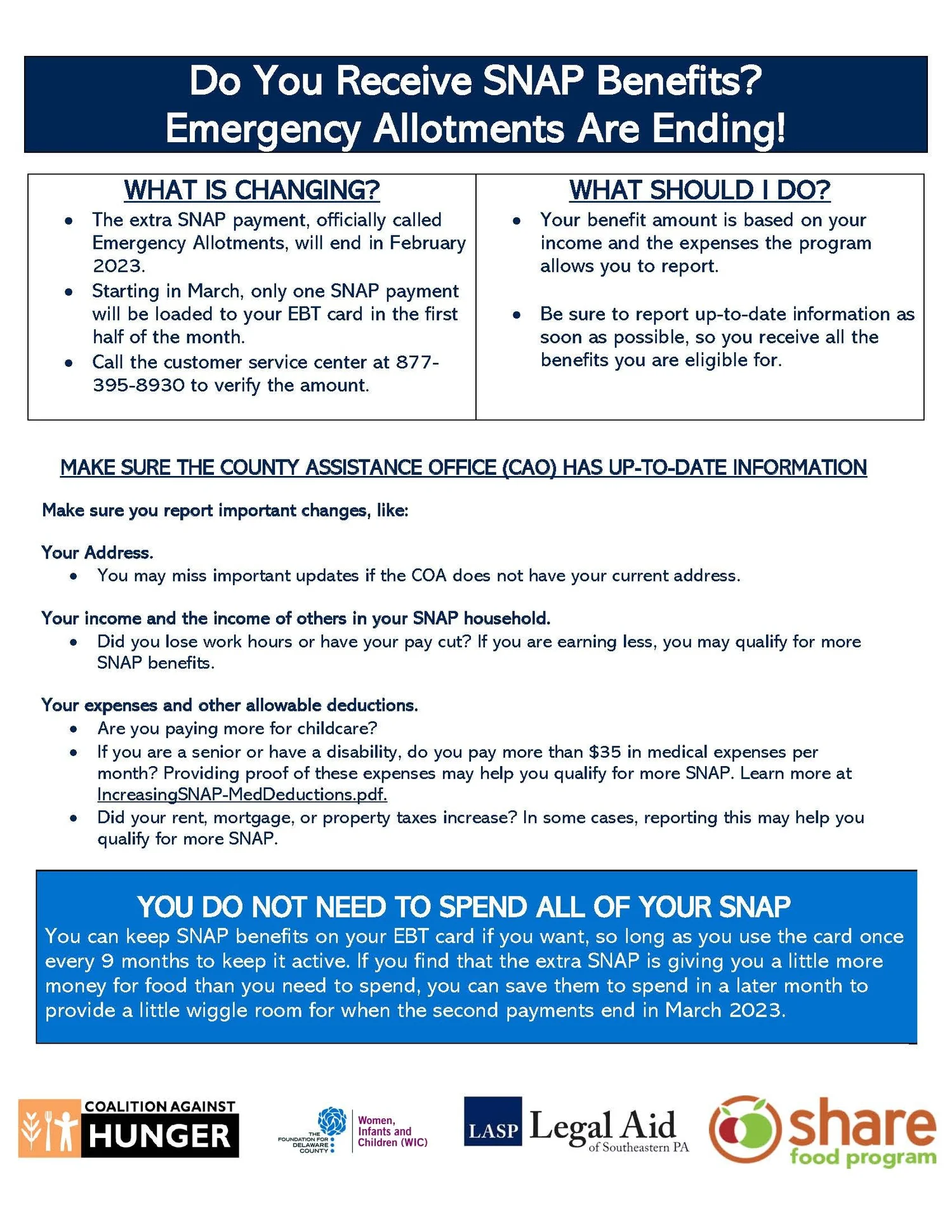
Are you facing tough times and wondering if Florida can help with emergency food stamps? If your budget is tight and meals are getting harder to manage, knowing where to turn can make all the difference.
You might have questions about who qualifies, how fast you can get assistance, and what steps you need to take. This article will clear up the confusion and give you clear answers, so you can find the support you need right now.
Keep reading to discover how Florida’s emergency food stamp program works and how it can help you put food on the table without delay.
Emergency Food Stamps In Florida
Emergency food stamps provide quick help for families in Florida facing urgent food needs. This assistance aims to prevent hunger during tough times. The state offers these benefits to eligible residents needing immediate support.
What Are Emergency Food Stamps?
Emergency food stamps are temporary benefits for those with sudden food crises. They help buy groceries fast. These benefits are part of the Supplemental Nutrition Assistance Program (SNAP). The goal is to stop hunger before it worsens.
The amount given depends on family size and income. Benefits usually arrive within days of approval. This quick aid supports families until regular help starts or the crisis ends.
Eligibility Criteria In Florida
Florida checks several rules to decide who gets emergency food stamps. Key factors include:
- Household income below a certain limit
- Proof of a sudden emergency, like job loss or disaster
- Residency in Florida
- Citizenship or eligible immigrant status
Families with very low income or no income may qualify faster. The state wants to help those in real need without delay.
Application Process For Emergency Benefits
Applying for emergency food stamps in Florida is simple and fast. Follow these steps:
- Fill out the SNAP application online or at a local office
- Provide proof of income, residency, and emergency situation
- Complete a phone or in-person interview
- Wait for approval, which can take a few days
Applicants receive notification about their benefit amount and start date. Emergency food stamps help families meet immediate food needs quickly.
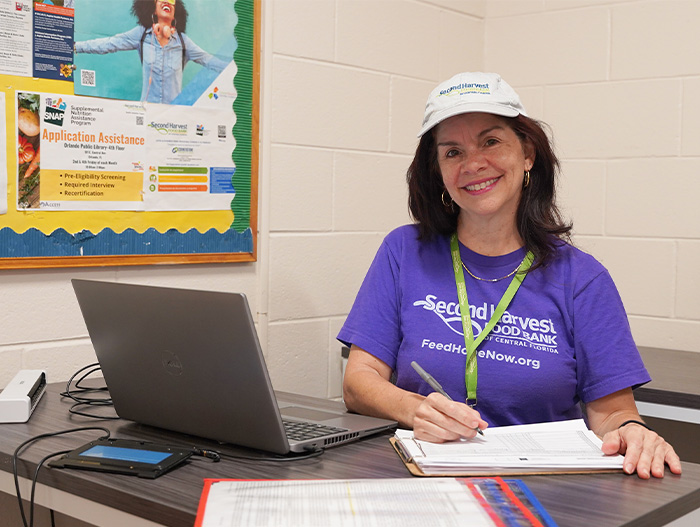
Credit: feedhopenow.org
Qualifying Situations
Understanding the qualifying situations for emergency food stamps in Florida is essential if you find yourself facing unexpected hardships. The state offers assistance in specific scenarios that threaten your access to basic nutrition. Knowing these situations can help you act quickly and secure the support you need.
Natural Disasters And Emergencies
Florida is no stranger to hurricanes and floods. If a natural disaster disrupts your ability to buy or access food, you may qualify for emergency food stamps. This aid often kicks in when local infrastructure is damaged or stores close temporarily.
Imagine your home is damaged by a hurricane, and your income is cut off. Emergency benefits can provide crucial support while you rebuild. Have you prepared for how you’d access food assistance if disaster strikes?
Pandemic And Health Crises
During health emergencies like the COVID-19 pandemic, many people suddenly lost jobs or faced reduced hours. Florida expanded emergency food stamp eligibility to cover these situations. If a health crisis affects your household income, you could get immediate help.
Even if you never thought you’d need assistance, unexpected health issues can change everything fast. What steps would you take if your paycheck stopped coming tomorrow?
Other Urgent Financial Hardships
Emergency food stamps aren’t limited to disasters or pandemics. Situations like sudden job loss, eviction, or a family emergency can also qualify. If you can’t afford groceries due to urgent financial strain, the state may step in.
Consider if an unforeseen expense wiped out your budget this month. Emergency food stamps can bridge the gap until you regain stability. Have you explored all the options available to protect your family in tough times?
How To Apply Quickly
Applying for emergency food stamps in Florida is fast and simple. Submit your application online or visit a local office for quick processing. Keep your personal and income information ready to speed up approval.
Applying for emergency food stamps in Florida might seem daunting, especially when time is of the essence. But fear not, because you can navigate the process swiftly with the right guidance. Whether you prefer the convenience of online applications or the personal touch of in-person assistance, you have options to get the help you need promptly.Online Application Steps
Applying online is a quick and efficient way to get started. You can complete the application from the comfort of your home, saving precious time. 1. Visit the Official Website: Go to the Florida Department of Children and Families (DCF) website. Look for the “ACCESS Florida” section. 2. Create an Account: If you don’t already have one, create an account. Having an account allows you to track your application status. 3. Fill Out the Application: Provide accurate information about your household, income, and any other required details. 4. Submit and Track: Once submitted, you can track your application status online. This transparency allows you to know exactly where you stand.In-person Application Locations
Prefer a face-to-face interaction? Florida offers several locations where you can apply in person. – Local DCF Offices: These are spread across various counties. A quick search online will help you find the nearest location. – Community Centers: Some centers partner with DCF to facilitate applications. Call ahead to confirm their services. – Libraries: Many public libraries offer assistance in completing applications. They often have computers available for public use.Required Documents
Gathering the necessary documents beforehand can speed up the application process significantly. – Identification: A government-issued ID or driver’s license will suffice. – Proof of Residence: Utility bills or lease agreements can serve as evidence of where you live. – Income Verification: Pay stubs, unemployment benefits, or any other income sources need to be documented. – Household Information: Be prepared to provide details about everyone living in your household. Being prepared is key. Have you thought about how being organized can not only speed up the process but also reduce stress? The faster you apply, the faster you can receive the assistance you need.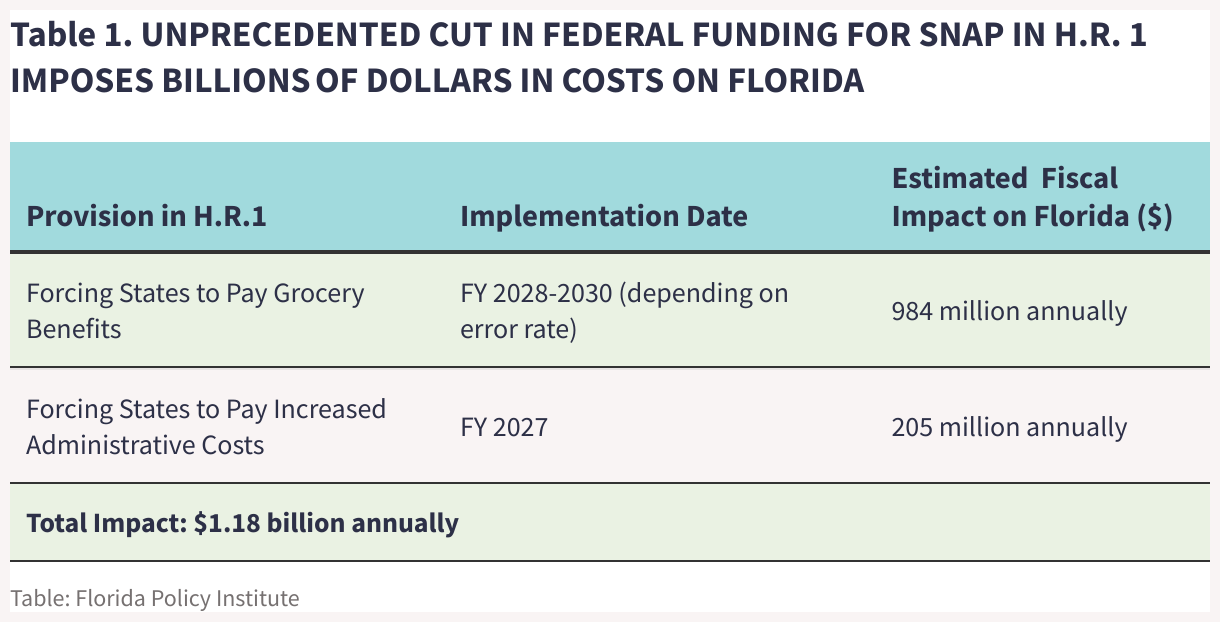
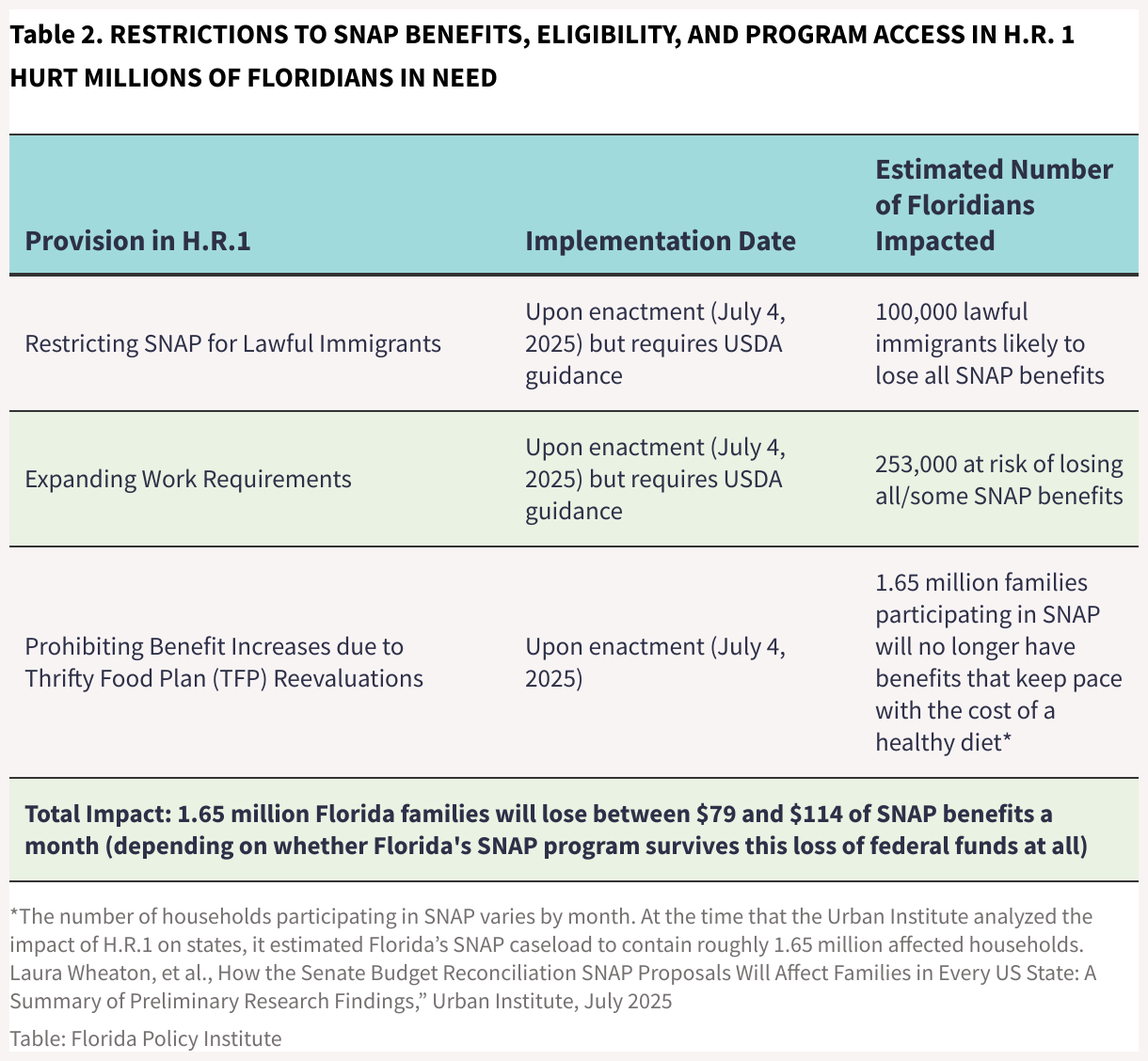
Credit: www.floridapolicy.org
Benefits And Limitations
Florida offers emergency food stamps to help families facing sudden financial struggles. These benefits provide quick relief for essential groceries. Understanding the benefits and limitations helps applicants know what to expect and how to use the aid wisely.
Amount Of Assistance Provided
The amount of emergency food stamps depends on family size and income. Typically, the aid covers basic food needs for a short period. The state uses federal guidelines to calculate the exact amount. Emergency benefits usually match a fraction of regular monthly SNAP benefits.
Duration Of Emergency Benefits
Emergency food stamps in Florida last for a limited time. Most recipients receive benefits for one to three months. This duration helps during a financial crisis but is not a long-term solution. After the emergency period, families must reapply or seek regular SNAP benefits.
Restrictions On Usage
Emergency food stamps can only buy approved food items. These include fruits, vegetables, dairy, meat, and bread. They cannot purchase alcohol, tobacco, or hot prepared foods. Benefits are loaded onto an EBT card, which tracks all purchases carefully.
Additional Support Programs
If you’re facing food insecurity in Florida, knowing about additional support programs can make a significant difference. These resources often work alongside emergency food stamps to provide more comprehensive help. Understanding what options are available can empower you to get the aid you need faster.
Supplemental Nutrition Assistance Program (snap)
SNAP is the primary program that provides food assistance in Florida. Unlike emergency food stamps, SNAP offers ongoing benefits based on your income and household size.
Applying for SNAP can feel overwhelming, but the process is designed to be accessible. You can apply online, by phone, or in person at your local Department of Children and Families office.
Have you checked if you qualify? Even if your situation changes quickly, SNAP benefits can adjust to your current needs.
Community Food Banks And Pantries
Food banks and pantries are often overlooked but crucial resources. They provide free groceries and meals without the need for lengthy applications.
Many local organizations partner with food banks to reach people in your neighborhood. You can find these through websites like Feeding Florida or by contacting community centers.
Visiting a food pantry can be a quick way to ease immediate hunger while you work on longer-term assistance plans.
State And Local Aid Resources
Florida offers various state and local aid programs beyond SNAP and food banks. These may include meal delivery for seniors, school meal programs for children, and emergency grants.
Each county may have its unique programs, so checking with your local government or social service offices can uncover hidden resources. Some programs require proof of hardship, so keeping documentation ready can speed up the process.
Have you explored all avenues in your community? Sometimes a phone call or visit to your local aid office reveals support you didn’t know existed.
Credit: www.floridapolicy.org
Tips For Maintaining Benefits
Keeping your emergency food stamps active in Florida requires attention and timely actions. Staying informed about your benefits helps avoid interruptions. Small efforts can secure your access to essential food support.
Reporting Changes In Circumstances
Always report any changes in your income, household size, or address. This keeps your case accurate and up to date. Failure to report can lead to benefit delays or loss. Quick updates help the state adjust your benefits correctly.
Renewal And Recertification Process
Renew your benefits on time by submitting all required documents. The state sends reminders before your benefits expire. Missing deadlines can stop your benefits, causing hardship. Keep copies of your submissions for proof.
Avoiding Common Application Mistakes
Fill out forms carefully and completely. Double-check your information for errors or missing details. Use simple language and clear handwriting if applying on paper. Mistakes slow down approval and delay benefits.
Frequently Asked Questions
Does Florida Provide Emergency Food Stamps During Crises?
Yes, Florida offers emergency food stamps through SNAP in disaster situations. These benefits help low-income families buy food quickly. The state activates emergency SNAP when a federal disaster is declared. Applicants must meet eligibility and apply promptly to receive aid.
How Quickly Can I Get Emergency Food Stamps In Florida?
Emergency food stamps in Florida are typically issued within days after approval. The state prioritizes rapid processing during emergencies to support affected families. Applicants should submit complete documentation to avoid delays. Early application increases chances of swift benefit distribution.
Who Qualifies For Emergency Food Stamps In Florida?
Eligibility depends on income, household size, and disaster impact. Florida prioritizes low-income families affected by natural disasters or emergencies. Applicants must meet standard SNAP rules and show disaster-related hardship. Verification of residency and identification is also required.
Can Non-citizens Get Emergency Food Stamps In Florida?
Some non-citizens may qualify for emergency food stamps if they meet specific criteria. Legal immigrants with certain statuses often qualify. Undocumented immigrants typically do not qualify for SNAP benefits. Proof of eligibility is necessary during the application process.
Conclusion
Florida provides emergency food stamps to help those in urgent need. The program aims to support families facing sudden hardships. Applying is usually quick and straightforward. Knowing the eligibility rules can save time and stress. Food assistance helps people focus on finding stability.
Keep updated on local resources and deadlines. Emergency food stamps offer a vital safety net during tough times. Reach out to local offices for help and guidance. Getting support can make a real difference in daily life.