Are you worried about where your next meal will come from? You’re not alone.
Many people face tough times and wonder if they can get emergency food stamps to help put food on the table. Understanding if you qualify and how to apply can make a big difference. You’ll find clear answers and practical steps to get the support you need quickly.
Keep reading to discover how emergency food stamps might be available for you and your family right now.
Emergency Food Stamps Basics
Understanding the basics of emergency food stamps can help you act quickly when unexpected financial troubles hit. These benefits are designed to provide immediate food assistance to those facing sudden hardship. Knowing what they are, who qualifies, and how to apply can make a big difference in managing tough times.
What Are Emergency Food Stamps
Emergency food stamps are temporary benefits provided to individuals or families who experience an unexpected drop in income or face a crisis. They function like regular food stamps but are issued faster to address urgent needs.
These benefits help you buy groceries and maintain nutrition during tough periods. Unlike regular food assistance, emergency food stamps are often available within days, not weeks.
Eligibility Criteria
Qualifying for emergency food stamps depends on your current financial situation and specific circumstances.
- You must have experienced a sudden loss of income, such as job loss or reduced work hours.
- Your household’s monthly income must fall below a certain limit set by your state.
- You should not already be receiving enough regular food assistance to cover your immediate needs.
Each state may have slightly different rules, so check local guidelines carefully. Have you checked if your situation qualifies yet?
Application Process
Applying for emergency food stamps usually involves a quicker process than standard food assistance programs.
You can start by contacting your local social services office or applying online through your state’s benefits portal.
- Prepare documents showing your income loss or emergency situation, such as termination letters or medical bills.
- Complete a short application form focused on your current hardship.
- Some states offer same-day approval or emergency issuance of benefits.
Getting the right documents ready beforehand can speed up your approval. How fast you act could mean the difference between struggling and staying nourished.
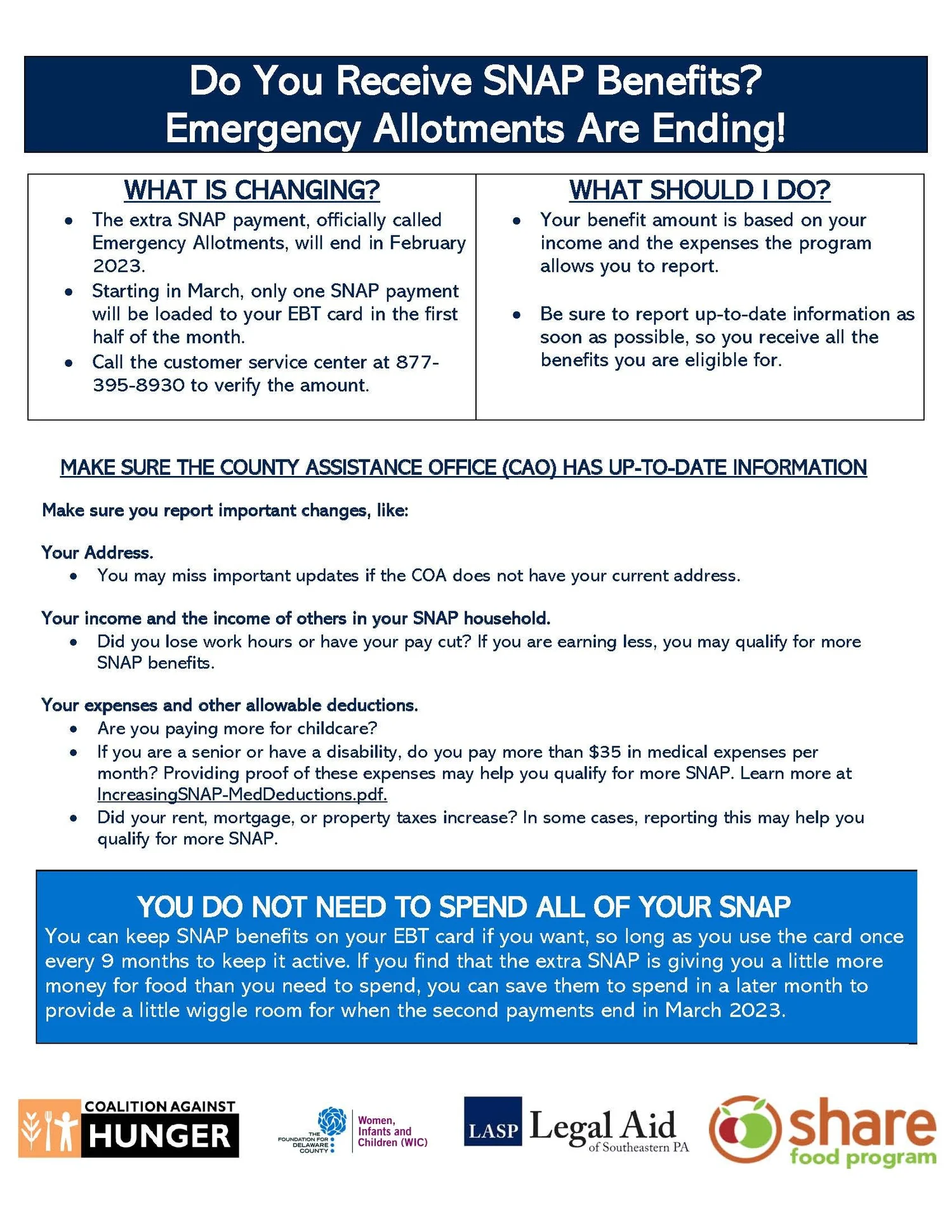
Credit: www.lasp.org
When Emergency Food Stamps Are Issued
Emergency food stamps provide quick help during tough times. They are issued to support families facing sudden hardship. Knowing when these benefits are available can ease stress and guide you through the process.
These benefits often come in response to unexpected events. The government acts fast to ensure no one goes hungry during emergencies. Understanding the triggers and timelines helps you prepare better.
Common Situations Triggering Assistance
- Natural disasters like floods, hurricanes, or wildfires
- Sudden job loss or income reduction
- Health emergencies causing financial strain
- Unexpected eviction or homelessness
- Pandemics or widespread public health crises
Government Response Timelines
After a crisis, officials assess the situation quickly. Emergency food stamps are often available within days.
Local agencies work with state and federal offices. They coordinate to distribute aid efficiently.
Applications for emergency benefits may open immediately or within one week. Delays can happen but aim to minimize waiting time.
How Emergency Food Stamps Work
Emergency food stamps offer quick help during tough times. They provide immediate support for those facing unexpected financial difficulties. Understanding how these emergency benefits work can ease concerns. Let’s explore the process in detail.
Benefit Amounts
Emergency food stamp amounts depend on household size and income. Larger families may receive more support. Each household’s situation is assessed individually. This ensures fair distribution of resources. The goal is to meet basic nutritional needs.
Duration Of Assistance
Assistance duration varies based on need. Some may receive support for a few months. Others might need help for a longer period. Continuous assessments determine the length of aid. This ensures that help is given for as long as needed.
Using The Benefits
Emergency food stamps are used like regular food stamps. Approved items include groceries and essential food products. They are accepted at most grocery stores. Recipients use an electronic card to pay. This system ensures convenience and ease of use.

Credit: www.lasp.org
State Variations In Emergency Food Stamps
Emergency food stamps provide crucial support during tough times. States control how they offer this help. This leads to many differences in rules and availability. Understanding these variations can guide you in finding aid faster.
Differences Across States
Each state decides how to distribute emergency food stamps. Some states offer quick access during disasters or job loss. Others require more paperwork and longer wait times. Benefit amounts and eligibility rules also vary widely.
For example:
- California may provide extra monthly benefits after natural disasters.
- Texas might limit emergency benefits to certain groups only.
- New York often has special programs for low-income families during emergencies.
These differences affect how quickly and easily people get help.
State-specific Programs
Some states run unique programs alongside federal food stamps. These can offer extra funds or special services. They focus on local needs and challenges.
Examples include:
- Emergency grants for families affected by floods.
- Food voucher programs in rural areas with few stores.
- Partnerships with food banks to increase supply.
Knowing about these programs can increase your chances of receiving aid. Contact your state’s social services office for details.
Recent Changes And Updates
Recent updates have changed how emergency food stamps are distributed. These changes aim to help more people faster during times of need. Understanding these updates helps you know what to expect and how to prepare.
Policy Adjustments
New policies have expanded eligibility for emergency food stamps. More households now qualify due to relaxed income limits. The government has also increased the benefit amounts for urgent support. Some states have introduced faster application processes. These adjustments shorten the wait time for receiving aid.
Impact Of Economic Conditions
Economic challenges have increased demand for emergency food stamps. Rising unemployment and inflation push more families to seek help. Local agencies face higher caseloads and resource strain. The government responds by allocating extra funds to food assistance programs. These efforts aim to meet the growing needs in tough times.
Common Challenges And Solutions
Applying for emergency food stamps can sometimes be a frustrating experience due to common hurdles that many face. Understanding these challenges and knowing how to handle them can make a huge difference in getting the help you need quickly. Let’s look at some typical obstacles and practical ways to overcome them.
Delays And Denials
Delays in processing your emergency food stamp application are common and can leave you feeling stuck. These delays often happen because of incomplete paperwork or high demand during crisis times.
Denials can occur if your income or household information doesn’t match program criteria, but sometimes the reasons are less clear. It’s important to double-check all your documents before submitting and keep copies for your records.
You might wonder, “What can I do if my application is taking too long?” Staying in regular contact with your local office and politely asking for updates can speed things up. Also, make sure you respond promptly to any requests for additional information.
Appealing Decisions
If your application is denied, appealing the decision is your right and a step worth taking. Many people give up here, but sometimes denials are based on simple errors or misunderstandings.
To appeal successfully, gather all your documents and write a clear explanation of why you believe the decision was wrong. Include any new information that supports your case.
Have you thought about getting help from a local advocacy group or legal aid? They can guide you through the appeal process and improve your chances of success. Remember, persistence can pay off when it comes to securing emergency food assistance.
Additional Resources And Support
Finding emergency food stamps can be a stressful process, but knowing where to look for additional resources and support can make a big difference. Beyond the standard application, there are local programs and online tools designed to help you access food assistance quickly and effectively. These resources often provide guidance, answer questions, and connect you to community aid that you might not find on your own.
Local Assistance Programs
Your community often has food banks, churches, and nonprofit organizations ready to help when emergencies arise. These programs might offer immediate food supplies or vouchers while your food stamp application is being processed.
Check with local health departments or social service offices to find emergency food programs near you. Some areas run seasonal or special relief initiatives that provide extra support during tough times.
- Food pantries that distribute groceries regularly
- Community kitchens offering free meals
- Faith-based organizations with emergency food funds
Have you ever reached out to a local food bank? You might be surprised by the variety of help available beyond just handing out food.
Online Tools And Hotlines
Technology can speed up your search for emergency food stamps and other assistance. Many states provide websites where you can apply, check eligibility, and track your benefits right from your phone or computer.
Hotlines staffed by trained counselors can answer your questions 24/7, helping you understand what documents you need or how to appeal a denial.
- State-specific SNAP application portals
- National Hunger Hotline for guidance and referrals
- Mobile apps that locate nearby food assistance centers
Using these tools can save you time and reduce stress. What if you could get real-time updates on your application status without making a single phone call?

Credit: www.economist.com
Frequently Asked Questions
What Qualifies Someone For Emergency Food Stamps?
Emergency food stamps are for individuals facing sudden financial hardships. Eligibility depends on income, household size, and urgent need. You must apply through your local SNAP office and demonstrate an immediate food crisis to qualify.
How Quickly Can Emergency Food Stamps Be Received?
Emergency food stamps can be issued within seven days after application. The fast processing depends on your state’s SNAP office and proof of crisis. Timely submission of required documents speeds up the approval process.
Can Emergency Food Stamps Be Used Immediately?
Yes, once approved, emergency food stamps can be used right away. Benefits are loaded onto an EBT card, which works at authorized food stores. This ensures quick access to necessary food items during emergencies.
Are Emergency Food Stamps Available During Natural Disasters?
Yes, emergency food stamps are often provided during natural disasters. The government may activate special programs to assist affected individuals quickly. Check with your local SNAP office for disaster-specific food assistance options.
Conclusion
Emergency food stamps can provide crucial help during tough times. Many people qualify for this support quickly. Local agencies work hard to make the process easier. Applying early may increase your chances of getting aid. Keep important documents ready to speed up approval.
Stay informed about any new updates or programs. Remember, help is available if you need it now. Taking action today can ease food worries tomorrow. Don’t wait—reach out and explore your options. Support is closer than you think.