When a hurricane is heading your way, being prepared can make all the difference. You need a survival kit that keeps you and your loved ones safe, comfortable, and ready for anything.
But where do you start? What essentials should you pack to face the storm confidently? This guide will walk you through everything you need to build a hurricane survival kit that truly works. Keep reading, and you’ll gain the peace of mind that comes with knowing you’re ready for whatever nature throws at you.
Choosing The Right Container
Choosing the right container for your hurricane survival kit is crucial. It protects your essentials from damage and keeps everything organized. Think about what kind of container can handle tough weather and still be easy for you to carry and store.
Durable And Waterproof Options
Your container must withstand heavy rain and strong winds. Look for waterproof materials like heavy-duty plastic or metal. These can keep water out and prevent your supplies from getting ruined.
Consider containers with secure lids or seals to avoid leaks. Some tackle boxes or military-style ammo cans offer great durability and water resistance. Have you checked if your container can float? It’s a bonus if it can in case of flooding.
Portability And Storage Tips
Think about how you’ll carry your kit during an emergency. A container with handles or wheels can make moving easier. You don’t want to struggle with a heavy, awkward box when time is critical.
Stackable containers save space and help you organize different supply categories. Label your container clearly so you can grab it quickly. Where will you store it at home? Make sure it’s in a spot that’s easy to access but protected from the elements.
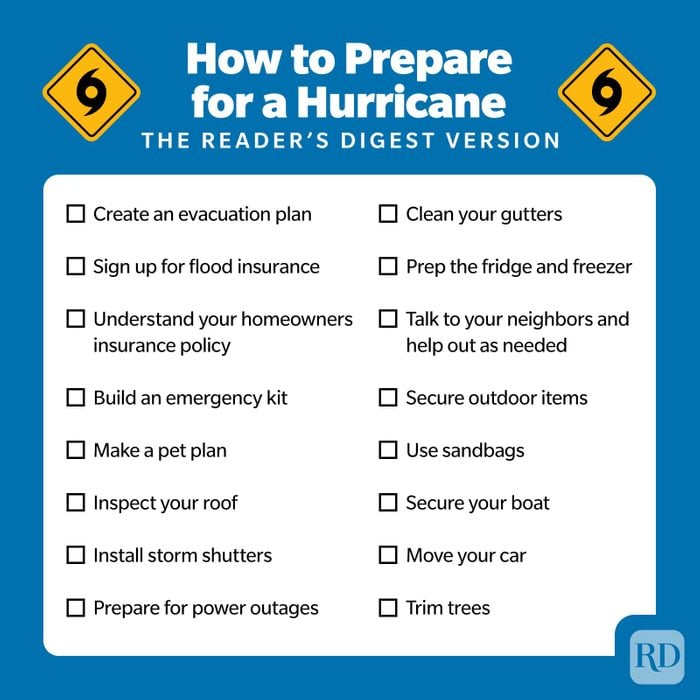
Credit: www.rd.com
Basic Survival Supplies
Basic survival supplies form the core of any hurricane survival kit. These items keep you safe, healthy, and comfortable during and after the storm. Preparing these essentials early can prevent panic and confusion later. Focus on practical, easy-to-use items that cover your most important needs. Water, food, and first aid are the top priorities for survival.
Water And Hydration Needs
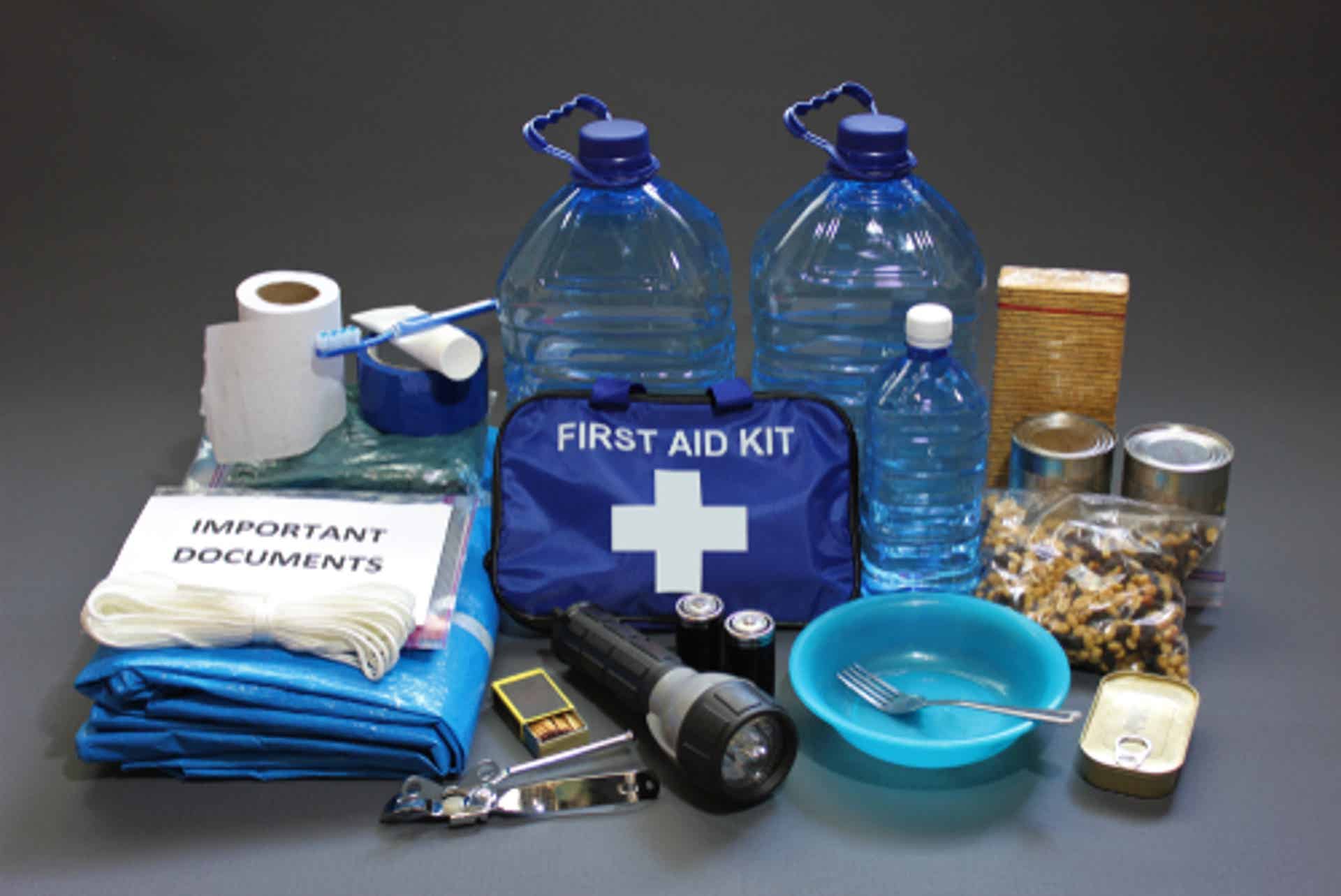
Water is the most critical supply in a hurricane kit. Each person needs at least one gallon per day. Store enough for at least three days. Use clean, sealed bottles or water containers designed for storage. Consider water purification tablets or filters for emergencies. Keep water in a cool, dark place. Avoid using old or damaged containers to prevent leaks or contamination.
Non-perishable Food Items
Choose foods that last long without refrigeration. Canned goods, dry pasta, rice, and nuts work well. Pick ready-to-eat items like granola bars and peanut butter. Avoid foods that require cooking or many utensils. Check expiration dates regularly and replace old items. Include a manual can opener in your kit. Pack food for at least three days to cover unexpected delays.
First Aid Essentials
A well-stocked first aid kit is vital for minor injuries. Include adhesive bandages, antiseptic wipes, and sterile gauze pads. Add pain relievers, tweezers, and scissors. Pack allergy medication and any prescription drugs needed. Learn basic first aid skills to use these supplies effectively. Store the kit in a waterproof container and keep it accessible. Check and restock supplies after use or yearly.
Tools And Equipment
Having the right tools and equipment in your hurricane survival kit can make all the difference when the power goes out or communication lines fail. These items help you stay safe, informed, and prepared to handle unexpected challenges. Think about what you would need if you had to rely on yourself for several days—your kit should cover those essentials.
Flashlights And Batteries
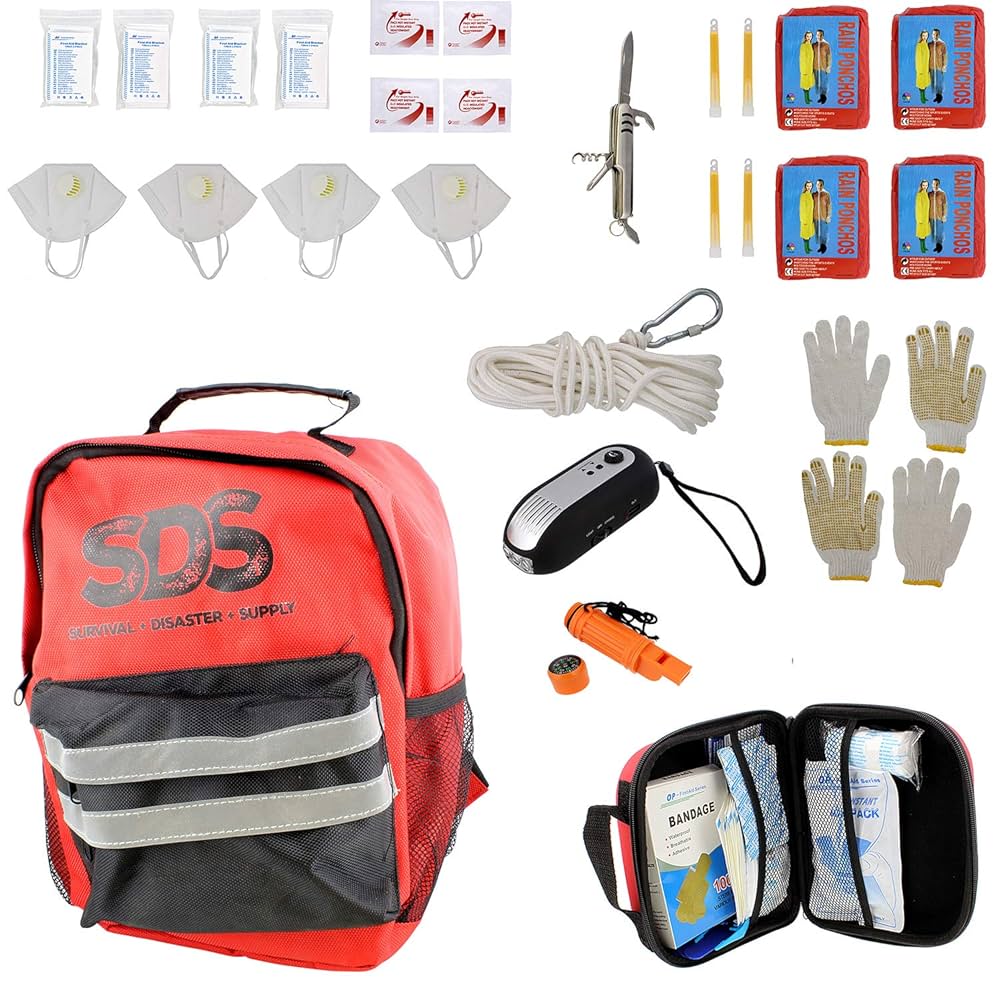
Flashlights are a must-have for any hurricane survival kit. They provide reliable light when the power is out, helping you navigate dark spaces safely. Choose LED flashlights because they last longer and use less battery power.
Always pack extra batteries that match your flashlights. Store them separately in a waterproof bag to keep them dry. Have you ever been stuck in the dark without a working flashlight? That feeling of helplessness is exactly what you want to avoid.
Multi-tools And Knives
A good multi-tool or a sturdy knife can be incredibly useful during an emergency. These tools can help with opening cans, cutting ropes, or even minor repairs. Look for multi-tools that include pliers, screwdrivers, and scissors to cover a wide range of needs.
Keep your tools sharp and clean to ensure they work when you need them most. You might not realize how handy a simple knife can be until you’re trying to cut through debris or package tape in a hurry.
Radio And Communication Devices
Staying informed during a hurricane is critical. A battery-powered or hand-crank radio lets you receive weather updates and emergency alerts even if your phone or internet is down. Some radios also include built-in flashlights and USB chargers, adding extra value.
Consider adding a whistle or a small signal mirror to your kit for attracting attention if you need rescue. Have you thought about how you would communicate if cell towers go offline? Having backup communication devices can give you peace of mind and keep you connected.
Clothing And Personal Items
Preparing your clothing and personal items for a hurricane survival kit is crucial. These essentials keep you comfortable, clean, and organized during uncertain times. Think beyond just clothes—your kit should support your daily needs and protect important valuables.
Weather-appropriate Clothing
Choose clothes that suit the climate and conditions you might face during and after a hurricane. Lightweight, quick-drying fabrics work well if you expect rain or humidity. Include:
- A sturdy waterproof jacket or poncho
- Extra pairs of socks and underwear
- Long-sleeved shirts and pants to protect against insects and debris
- A hat to shield from sun or rain
Remember, layering is key. You might feel warm inside a shelter but cold outdoors at night. Have you ever been caught shivering because you didn’t pack the right layers?
Personal Hygiene Products
Staying clean prevents illness and boosts morale during stressful times. Pack travel-sized toiletries such as:
- Soap or body wipes
- Toothbrush and toothpaste
- Hand sanitizer
- Feminine hygiene products if needed
- Small towel or washcloth
Don’t forget a basic first aid kit with items like band-aids and antiseptic wipes. These small items make a big difference when access to facilities is limited.
Important Documents And Cash
Waterproof containers or ziplock bags can protect your vital papers and cash. Include:
- Identification cards (driver’s license, passport)
- Insurance policies
- Medical records
- Emergency contact list
- Some cash in small bills
Digital copies stored on a secure phone or USB drive add a backup layer. Think about how frustrating it would be to lose everything and have no way to prove your identity or access funds.
Special Considerations
Building a hurricane survival kit requires careful thought about specific needs. This makes sure everyone stays safe and comfortable during the storm. Special considerations help prepare for unique challenges some people face.
Medications And Medical Needs
Include a supply of all essential medicines. Pack extra in case the storm lasts longer. Keep copies of prescriptions in a waterproof bag. Bring basic first aid supplies like bandages and antiseptic. Consider medical devices, such as inhalers or glucose meters. Plan for refrigeration needs if medicines require it.
Items For Children And Pets
Children need comfort items like favorite toys or blankets. Include baby supplies: diapers, formula, and wipes. Pack extra clothing and snacks for kids. Pets need food, water, and a sturdy carrier. Bring leashes, collars, and any pet medications. Prepare sanitation supplies like waste bags or litter.
Emergency Contact Information
Write down important phone numbers on paper. Include family, doctors, and local emergency services. Store contacts in waterproof containers or bags. Share the list with all family members. Keep a copy in your kit and another in your wallet. This helps in case phones die or lose signal.

Credit: ca.news.yahoo.com
Maintenance And Updates
Keeping your hurricane survival kit ready means regular care and updates. A well-maintained kit ensures safety during emergencies. Check your supplies often to avoid surprises. Replace old or used items quickly. Stay prepared and confident with a reliable kit.
Regular Kit Checks
Schedule a monthly review of your kit. Inspect every item for damage or wear. Confirm all tools and devices work well. Look for broken seals or leaks in containers. Keep the kit clean and organized for quick access.
Replacing Expired Supplies
Check expiration dates on food, water, and medicine. Replace expired or soon-to-expire items immediately. Stock fresh batteries for flashlights and radios. Swap out first aid materials after use or expiry. Keep a list of items to replace regularly.
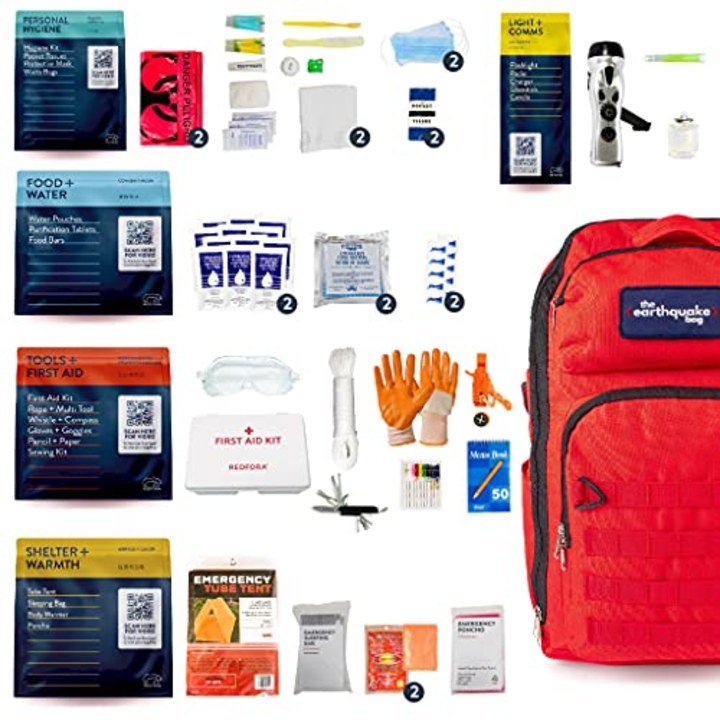
Credit: www.nbcnews.com
Frequently Asked Questions
What Should Be In A Hurricane Survival Kit?
A hurricane survival kit should include water, non-perishable food, a flashlight, batteries, first-aid supplies, and a multi-tool. Don’t forget important documents, medications, and personal hygiene items. Include a portable phone charger and a whistle for emergencies. Tailor your kit to your family’s specific needs.
How Much Water Do I Need Per Person?
It’s recommended to have at least one gallon of water per person per day. Plan for a minimum of three days. Consider your family’s needs, including pets and special circumstances. Storing extra water is always a good precaution.
How Can I Prepare My Home For A Hurricane?
Secure windows with shutters or plywood and clear gutters and drains. Bring outdoor furniture and items inside. Trim trees and check your roof for loose tiles. Ensure your emergency kit is accessible. Stay informed with local alerts and warnings.
Why Is A First-aid Kit Essential?
A first-aid kit is vital for treating minor injuries during a hurricane. It should include bandages, antiseptic wipes, pain relievers, and prescription medications. In emergencies, immediate care can prevent complications. Keeping a well-stocked kit ensures readiness for unexpected situations.
Conclusion
Building a hurricane survival kit saves lives. Prepare early to avoid last-minute stress. Include food, water, first aid, and tools. Check supplies often and replace expired items. Share your plan with family and friends. Stay safe and ready when storms approach.
Being prepared brings peace of mind. Don’t wait—start your kit today.