Imagine finding yourself in an unexpected situation where help is far away. What would you do?
Having the right items in your survival kit can make all the difference between staying safe and facing serious trouble. You might think you know what to pack, but are you really prepared for anything? You’ll discover the essential items that belong in your survival kit.
These simple tools and supplies can keep you alive, comfortable, and ready for whatever comes your way. Keep reading—your safety could depend on it.
Basic Survival Essentials
Basic survival essentials form the core of any survival kit. These items help you stay alive in emergencies. Focus on necessities that support water, food, and shelter needs. Each category includes tools and supplies vital for your safety and comfort.
Water And Hydration Tools
Water is the top priority in survival situations. Carry a reliable water container to store clean water. Include water purification tablets or filters to remove harmful bacteria. A metal cup or collapsible bottle helps boil and carry water. Hydration tools prevent dehydration and illness.
Food And Nutrition Supplies
Choose lightweight, non-perishable food items with long shelf life. Energy bars, dried fruits, and nuts provide quick nutrition. Freeze-dried meals are compact and easy to prepare. Include a small, portable stove or fire starter for cooking. Proper nutrition keeps energy levels steady.
Shelter And Warmth Gear
Shelter protects you from harsh weather and insects. A compact tent or emergency bivvy bag works well. Carry a lightweight sleeping bag suited for cold conditions. Thermal blankets reflect body heat to keep warm. Add a hat, gloves, and extra socks to maintain body temperature.

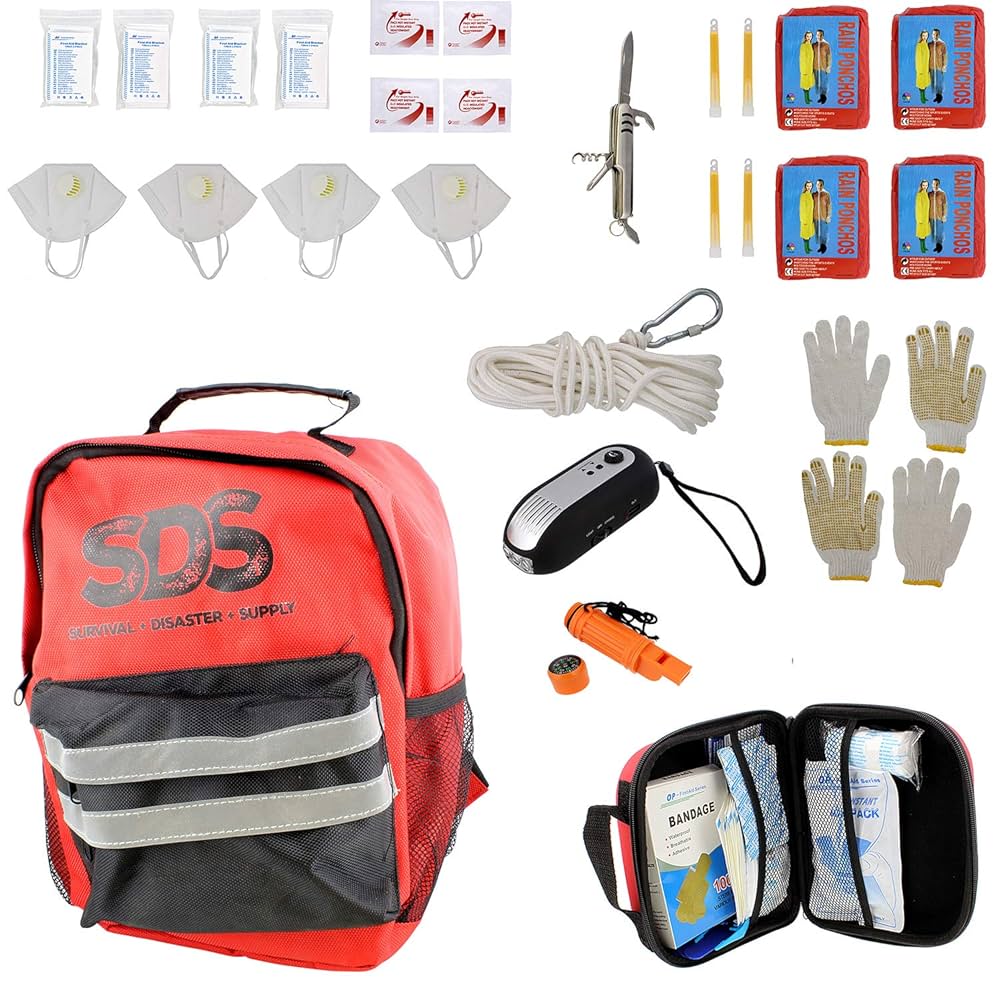
Credit: www.amazon.com
Navigation And Communication
When you’re out in the wild or facing an emergency, having the right navigation and communication tools can make all the difference. These items help you find your way and call for help if needed. Without them, even the best survival skills can fall short.
Maps And Compasses
A detailed map of the area and a reliable compass are essential. Electronic devices can fail or run out of battery, but a physical map and compass always work if you know how to use them.
Take time to learn basic orienteering skills. Knowing how to read a map and take a bearing with a compass can save you from wandering aimlessly. Always carry waterproof maps to protect them from rain or sweat.
Emergency Signaling Devices
Signaling devices increase your chances of being found quickly. Items like signal mirrors, whistles, and flares can grab attention over long distances.
A whistle, for example, is lightweight and can be heard farther than your voice. Having a mirror to reflect sunlight can alert rescuers without using batteries. Think about what you have on hand and how easily you can use it when stressed.
Portable Communication Tools
Having a way to communicate in emergencies can be lifesaving. Portable radios, satellite phones, or personal locator beacons (PLBs) allow you to send distress signals even where cell coverage is nonexistent.
Consider the terrain and how far you might need to reach help. A two-way radio works well for short distances with a group, but a satellite phone is better when you’re truly off the grid. Always check batteries and practice using your devices before heading out.
First Aid And Medical Supplies
Having the right first aid and medical supplies in your survival kit can make all the difference when emergencies strike. These items help you manage injuries, reduce pain, and maintain hygiene, which are crucial for staying healthy and safe. Think about how quickly a small wound can worsen without proper care—your kit should be ready to handle these situations.
Wound Care Items
Wound care is a top priority in any survival scenario. Your kit should include sterile gauze pads, adhesive bandages of various sizes, and medical tape to cover and protect cuts or scrapes. Don’t forget antiseptic wipes or solutions to clean wounds and prevent infection.
Including tweezers can help remove debris like splinters, while scissors assist in cutting tape or clothing around injuries. How would you handle a deep cut without these basic tools?
Medications And Pain Relief
Medications can ease discomfort and prevent complications. Pack pain relievers such as ibuprofen or acetaminophen to reduce pain and inflammation. Antihistamines are also essential if you’re prone to allergic reactions.
Consider adding antiseptic ointments to promote healing and prevent infections. Always check expiration dates and replace medicines regularly to keep your kit effective. What would you do if pain or allergies struck when help was far away?
Personal Hygiene Products
Keeping clean helps prevent infections and boosts morale during tough times. Include items like hand sanitizer, moist towelettes, and disposable gloves for safe wound care and hygiene. A small bar of antibacterial soap can also be invaluable.
Remember to pack feminine hygiene products if needed, as these can be hard to find in emergencies. How much easier would a survival situation be if you felt clean and comfortable?

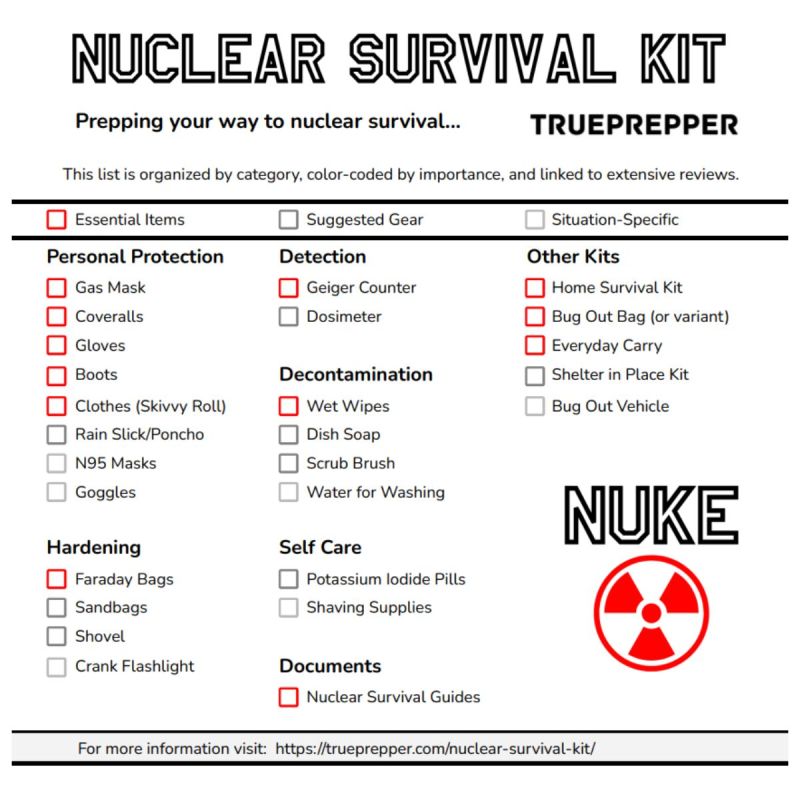
Credit: trueprepper.com
Tools And Equipment
Your survival kit’s effectiveness largely depends on the right tools and equipment. These items help you handle unexpected situations, from cutting rope to starting a fire or finding your way in the dark. Choosing versatile, reliable gear can make a real difference when you need it most.
Knives And Multi-tools
A sharp knife is a survival essential. It can help you prepare food, build shelter, or defend yourself if necessary.
Multi-tools combine several functions like pliers, screwdrivers, and scissors in one compact device. This saves space and weight without sacrificing utility.
Consider carrying a sturdy fixed-blade knife along with a quality multi-tool. Have you tested your tools for comfort and ease of use under pressure?
Fire Starting Kits
Fire is crucial for warmth, cooking, and signaling for help. A reliable fire-starting kit should include waterproof matches, a lighter, and fire starters like cotton balls soaked in petroleum jelly.
Practice using your fire kit in different conditions. Can you start a fire quickly when your hands are cold or wet?
Adding a ferrocerium rod can provide extra security, as it works even when wet and lasts for thousands of strikes.
Lighting And Batteries
Light extends your ability to work and stay safe after dark. Pack a compact flashlight or headlamp with extra batteries.
LED lights are energy-efficient and provide bright illumination. Don’t forget to check the battery type and carry spares that fit your devices.
How long will your light source last if you need it for several nights? Testing your gear beforehand prevents surprises when you rely on it most.
Clothing And Protection
Clothing and protection are crucial parts of any survival kit. The right clothes help keep the body safe from weather and injuries. They also offer comfort and support during tough outdoor conditions. Choosing proper clothing can mean the difference between staying warm and dry or facing serious health risks.
Weather-appropriate Clothing
Choose clothes that match the climate you expect. Layering works best for changing weather. Start with a moisture-wicking base layer to keep skin dry. Add an insulating layer like fleece or wool for warmth. Finish with a waterproof and windproof outer layer to block rain and wind.
- Lightweight, breathable fabrics for hot weather
- Warm, insulated jackets for cold weather
- Quick-dry materials to avoid dampness
Protective Accessories
Accessories protect sensitive body parts. A good hat shields the head and face from sun and cold. Gloves keep hands warm and safe from cuts or scrapes. Sunglasses protect eyes from UV rays and debris. A sturdy bandana or scarf can block dust and help with first aid.
- Wide-brim hat or cap
- Insulated or work gloves
- UV protection sunglasses
- Multi-use bandana or scarf
Durable Footwear
Strong shoes or boots prevent foot injuries and provide support. Look for waterproof and breathable materials. Good soles offer grip on slippery or rough surfaces. Proper fit reduces blisters and fatigue. Pack extra socks to keep feet dry and fresh.
- Waterproof hiking boots or shoes
- Non-slip, thick soles
- Comfortable fit with ankle support
- Extra pairs of moisture-wicking socks
Additional Survival Items
Beyond the basic necessities, additional survival items can significantly improve your chances in an emergency. These items often go unnoticed but provide comfort, security, and versatility when you need them the most. Paying attention to these extras could be the difference between enduring a tough situation and overcoming it with resilience.
Emergency Blankets And Tarps
Emergency blankets are lightweight and compact, yet they can retain body heat effectively. They are essential to prevent hypothermia, especially in cold or wet environments.
Tarps serve multiple purposes. You can use them to create shelter, collect rainwater, or even signal for help. Carrying a durable tarp adds a layer of protection against harsh weather.
Paracord And Repair Kits
Paracord is incredibly strong and versatile. You can use it to build shelters, secure gear, or even fashion a makeshift splint.
Repair kits often include needle and thread, duct tape, and multi-tools. These small items help fix torn clothes, broken equipment, or gear malfunctions. Have you ever found yourself wishing for just a bit of tape to fix a critical piece of gear?
Personal Identification And Cash
Carrying copies of your identification documents can be crucial if you get separated from your group or need assistance. Store them in waterproof bags to keep them safe.
Cash is often overlooked but vital when electronic payments aren’t an option. Small denominations work best for emergency purchases or transportation.

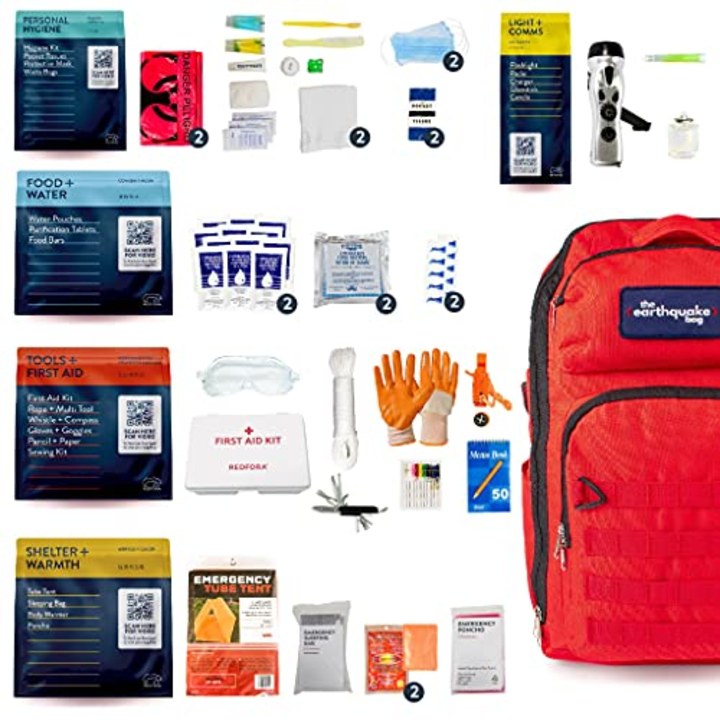
Credit: www.servpro.com
Frequently Asked Questions
What Are The Essentials In A Survival Kit?
A basic survival kit should include water, non-perishable food, a flashlight, batteries, and a first aid kit. Don’t forget a multi-tool, a whistle, and a fire starter. These items ensure you have the essentials for shelter, warmth, and communication in an emergency.
How Much Water Is Needed For Survival?
For survival, you need at least one gallon of water per person per day. This amount covers drinking and sanitation needs. Consider having a three-day supply of water in your kit. Proper hydration is crucial for survival in any emergency situation.
Why Is A First Aid Kit Important?
A first aid kit is essential for treating injuries during emergencies. It should include bandages, antiseptic wipes, and pain relievers. These items help manage minor injuries and prevent infections. A well-stocked first aid kit can be a lifesaver in critical situations.
What Food Should Be In A Survival Kit?
Include non-perishable food items like canned goods, energy bars, and dried fruits. These foods have a long shelf life and require minimal preparation. They provide essential nutrients and energy during emergencies. Store enough food to last each person at least three days.
Conclusion
A survival kit saves lives in tough situations. Carry water, food, and basic tools always. A flashlight and first aid kit help a lot. Keep items lightweight and easy to carry. Check your kit regularly and replace used supplies. Being ready brings peace and confidence.
Start building your kit today. Stay safe and prepared wherever you go.