Imagine finding yourself alone in the wild, far from help and comfort. What would you do?
How prepared are you to face the challenges of wilderness survival? Building your own survival kit can make all the difference between staying safe and facing serious danger. You’ll discover exactly what you need and how to put together a kit that fits your needs.
Keep reading, because your safety could depend on the choices you make right now.
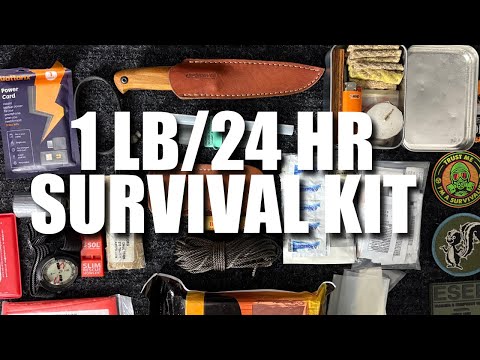
Credit: www.youtube.com
Choosing The Right Container
Choosing the right container for your survival kit is crucial. It protects your gear and keeps it organized. The container must be tough enough to handle rough outdoor conditions. It also needs to keep water out to protect the contents inside.
The size and weight of the container affect how easy it is to carry. A bulky container can slow you down. A small, well-packed container fits better in your backpack.
Durability And Waterproofing
Pick a container made from strong materials like hard plastic or metal. It should resist cracks and breaks from drops or pressure. Waterproof sealing is important to keep moisture away from your supplies. Look for containers with rubber gaskets or tight lids. This helps protect items like matches, paper, and electronics.
Size And Portability
The container should be large enough to hold all your essentials. Avoid containers that are too big or too small. A compact size makes it easier to carry on hikes or climbs. Lightweight containers reduce your overall pack weight. Consider containers with handles or straps for easy transport.
Essential Survival Tools
Essential survival tools form the backbone of any wilderness survival kit. These tools help you perform critical tasks like cutting, making fire, and finding your way. Choosing the right tools increases your chances of staying safe and comfortable outdoors. Every item should be reliable, easy to use, and lightweight for quick access.
Cutting Tools
Cutting tools are vital for building shelter, preparing food, and crafting other survival items. A strong, sharp knife is a must-have. Look for a fixed blade knife with a comfortable handle. A folding knife adds convenience and safety. Small saws or multi-tools can also help with wood cutting and repairs.
- Fixed blade knife for durability
- Folding knife for portability
- Small hand saw for cutting branches
- Multi-tool with pliers and scissors
Fire Starters
Fire is essential for warmth, cooking, and signaling help. Reliable fire starters make lighting fire easier in all weather. Waterproof matches are simple and effective. A lighter offers quick ignition but can fail when wet. Flint and steel kits work without fuel and last a long time. Carry tinder like cotton balls or dry leaves to start fire fast.
- Waterproof matches for damp conditions
- Lighter for quick ignition
- Flint and steel for long-term use
- Dry tinder like cotton balls or dry grass
Navigation Aids
Navigation aids prevent you from getting lost in the wilderness. A compass is a simple, reliable tool to find your direction. Learn how to use it with a map of the area. GPS devices provide exact location but need batteries. Marking your trail with biodegradable tape helps track your path back.
- Compass for basic direction
- Topographic map of the survival area
- GPS device with extra batteries
- Biodegradable trail markers
First Aid Supplies
First aid supplies are the backbone of any survival kit. They prepare you to handle injuries and illnesses that can happen unexpectedly in the wild. Having the right items can make a huge difference in managing pain, preventing infection, and stabilizing wounds until help arrives.
Basic Medical Items
Start with essential tools like sterile gauze pads and adhesive bandages in various sizes. These help you cover cuts and scrapes to stop bleeding and keep dirt out.
- Antiseptic wipes or solution to clean wounds
- Medical tape to secure bandages
- Elastic bandages for sprains or strains
- Tweezers for removing splinters or debris
- Scissors for cutting tape or clothing
- Disposable gloves to protect yourself and the injured person
Think about the last time you got a small cut outside. Did you have what you needed to clean and cover it? You want your kit ready for those moments.
Emergency Medications
Carrying a few key medications can prevent minor issues from turning serious. Pain relievers like ibuprofen or acetaminophen reduce discomfort and inflammation.
- Antihistamines for allergic reactions
- Anti-diarrheal medicine to avoid dehydration
- Oral rehydration salts to maintain electrolyte balance
- Antibiotic ointment to prevent infection in wounds
Ask yourself: what health problems do you face most often? Tailor your emergency meds to suit your needs and potential wilderness challenges.

Credit: www.youtube.com
Food And Water Essentials
Food and water are vital for survival in the wilderness. Proper preparation ensures energy and hydration. Pack items that last long without spoiling. Carry tools to make water safe to drink. Prioritize lightweight and compact options. This keeps your survival kit practical and efficient.
Non-perishable Food Options
- Dried fruits: rich in vitamins and easy to carry.
- Nuts and seeds: provide protein and healthy fats.
- Energy bars: compact and packed with calories.
- Dehydrated meals: lightweight and simple to prepare.
- Canned fish or meat: long shelf life and good protein.
- Hard candies or chocolate: quick energy and morale boosters.
Water Purification Methods
- Boiling: kills bacteria and parasites effectively.
- Water purification tablets: lightweight and easy to use.
- Portable water filters: remove dirt and harmful organisms.
- UV light purifiers: destroy bacteria and viruses quickly.
- Improvised methods: using cloth or sedimentation before purification.
Shelter And Clothing
Your shelter and clothing choices are critical when preparing a survival kit for the wilderness. They protect you from harsh weather, regulate your body temperature, and offer a sense of security. Without the right gear, even short stays outdoors can turn into dangerous situations.
Emergency Shelter Options
Having a reliable shelter can make all the difference in a survival scenario. You want something lightweight but sturdy enough to shield you from wind, rain, and cold.
- Tarp or Emergency Blanket:Compact and versatile, these can be quickly set up as a makeshift tent or ground cover. I’ve used a tarp once during unexpected rain, and it kept me dry and warm.
- Bivy Sack:A small, waterproof shelter that fits over your sleeping bag. It’s great for retaining heat and blocking moisture.
- Compact Tent:If space allows, a lightweight tent offers the best protection but adds more weight to your kit.
- Natural Shelter:Know how to use natural materials like branches and leaves to build a shelter if your gear fails. Have you practiced building one before heading out?
Weather-appropriate Clothing
Your clothing needs to match the environment to keep you comfortable and safe. Layering is key—you can add or remove clothes to regulate your body heat.
- Base Layer:Choose moisture-wicking fabrics like merino wool or synthetic materials to keep sweat off your skin.
- Insulation Layer:Fleece or down jackets trap heat. I always pack a lightweight insulated jacket because temperatures can drop unexpectedly.
- Outer Layer:A waterproof and windproof shell protects you from rain and wind. Breathability is just as important to avoid overheating.
- Accessories:Don’t forget gloves, hats, and extra socks. These small items can prevent frostbite or heat loss during cold nights.
Have you tested your clothing setup in different weather conditions before relying on it in the wild? Preparing your shelter and clothing carefully can turn a tough survival situation into a manageable challenge.
Signaling And Communication
Signaling and communication tools are essential in a survival kit. They help you attract attention and send distress signals. Being able to signal rescuers can save your life in the wilderness. Choose items that are lightweight, easy to use, and reliable.
Signal Mirrors And Whistles
Signal mirrors reflect sunlight to create bright flashes. These flashes can be seen from miles away. Use a mirror with a sighting hole to aim accurately. A whistle produces loud, sharp sounds that carry far in the forest. Carry a whistle that can produce multiple blasts. Three short blasts is a universal distress signal. Both tools require no batteries and work well in many conditions.
Emergency Communication Devices
Emergency communication devices send signals beyond visual and sound range. A personal locator beacon (PLB) sends your GPS location to rescue teams. Satellite messengers allow two-way text communication even in remote areas. These devices require batteries, so check them before your trip. Carry extra power sources to ensure they work when needed. They provide peace of mind and increase your chances of rescue.
Packing Tips And Maintenance
Packing your survival kit well makes a big difference in emergencies. Careful packing keeps items easy to find and protects them from damage. Regular maintenance ensures your kit stays ready for any wilderness challenge.
Organizing Your Kit
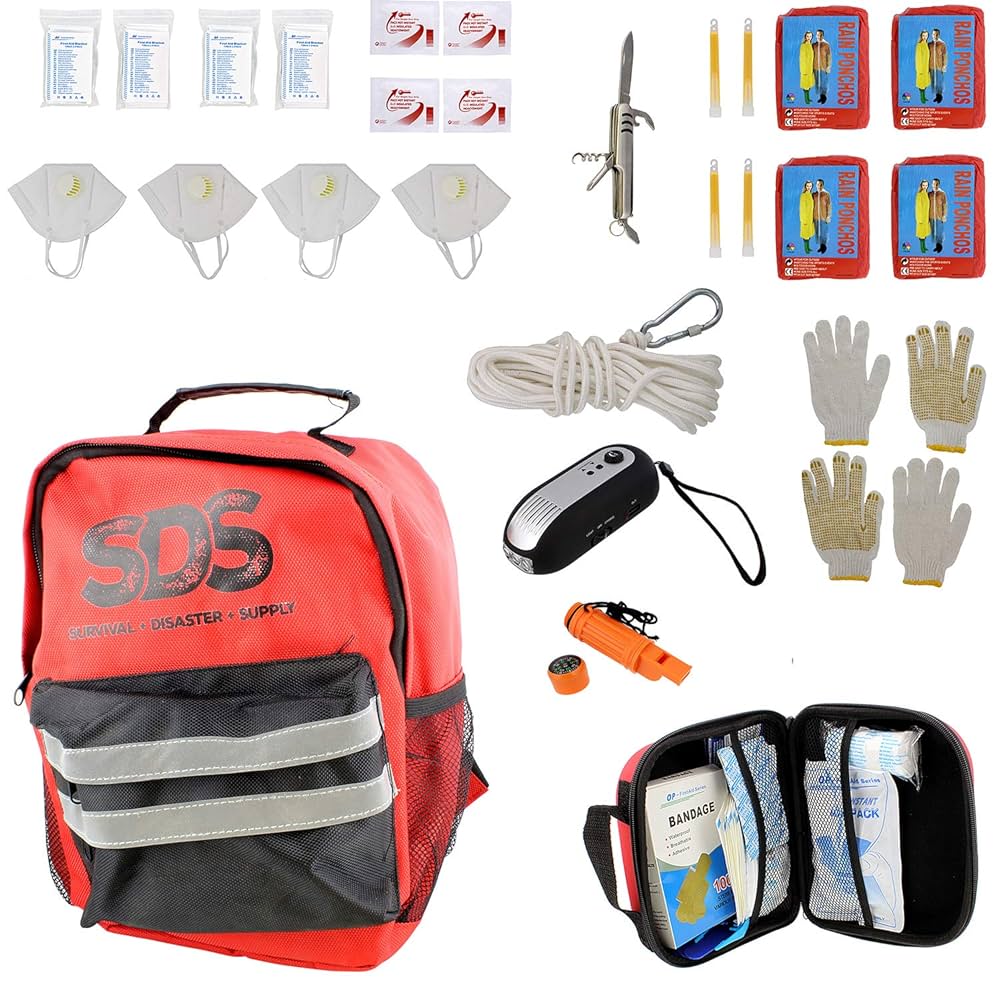
Group similar items together. Use small, clear bags or containers to separate tools, food, and first aid supplies. Label each bag for quick access. Keep heavier items at the bottom of your backpack. Place frequently used items on top or in side pockets. This setup saves time and reduces stress in urgent moments.
Regular Checks And Updates
Check your kit at least every six months. Replace expired food, batteries, and medicines promptly. Inspect tools for rust or damage. Test flashlights and fire starters to ensure they work. Update your kit based on changing seasons or new skills. This practice keeps your kit reliable and ready to use anytime.

Credit: www.youtube.com
Frequently Asked Questions
What Essentials Should Be In A Survival Kit?
A survival kit should include items like a multi-tool, first aid kit, water purification tablets, and a fire starter. Don’t forget a compass, flashlight, and emergency blanket. These essentials help ensure safety and survival in the wilderness.
How Do I Choose The Right Backpack?
Choose a backpack that’s durable, water-resistant, and comfortable. Consider its size and weight, ensuring it can hold your essentials. Adjustable straps and multiple compartments are ideal for organizing gear effectively.
Why Is A First Aid Kit Crucial For Survival?
A first aid kit is essential for treating injuries and preventing infections. It should contain bandages, antiseptic wipes, pain relievers, and tweezers. Quick access to medical supplies can be life-saving in emergencies.
How Do I Purify Water In The Wilderness?
Purify water using water purification tablets or a portable filter. Boiling water is also effective. These methods remove bacteria and parasites, making water safe to drink. Always prioritize water purification to avoid illness.
Conclusion
A good survival kit can keep you safe in the wild. Choose tools and supplies that fit your needs. Keep your kit light but complete. Check and update it often before trips. Practice using your gear to build confidence. Preparedness can make a big difference in emergencies.
Stay calm and use your kit wisely. Survival is about planning and staying ready. Your safety depends on what you bring and how you use it.