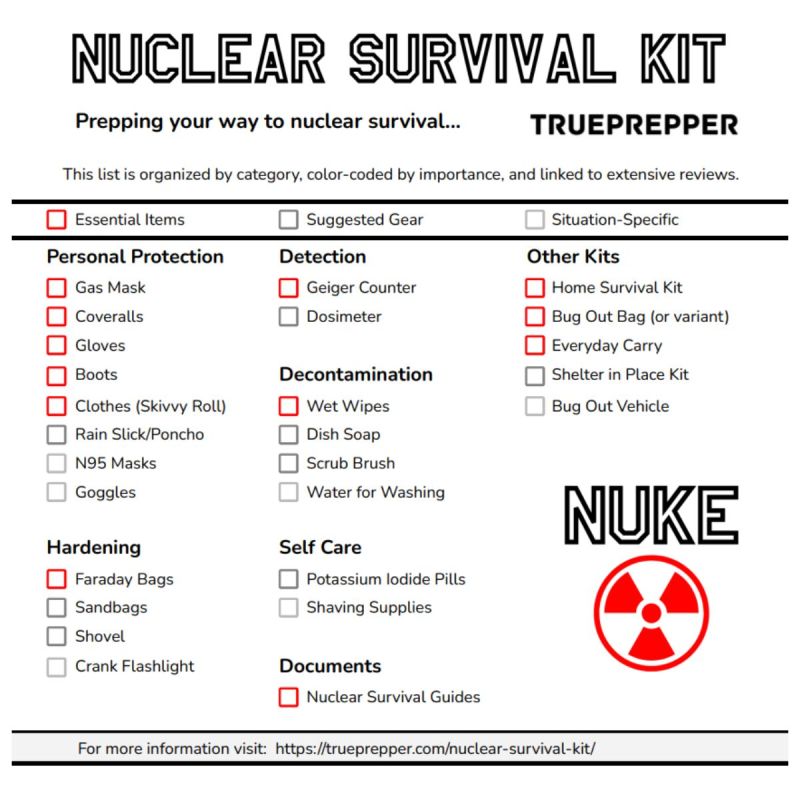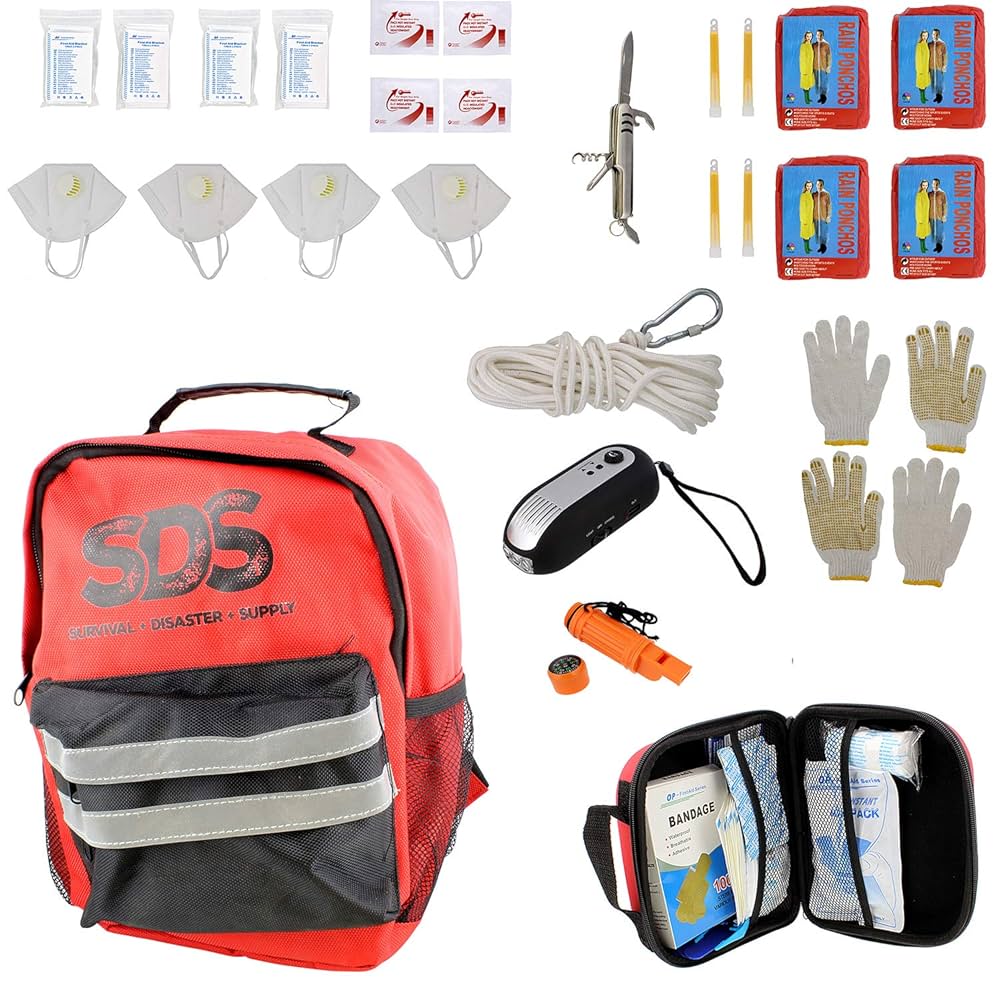
Imagine facing an unexpected situation where your health is on the line. Would you be ready?
Creating a healthy survival kit isn’t just about packing random items—it’s about choosing the right essentials that protect your body and mind when it matters most. In this guide, you’ll discover simple steps to build a kit that keeps you strong, safe, and prepared.
Keep reading, and you’ll feel confident knowing you can handle whatever comes your way.
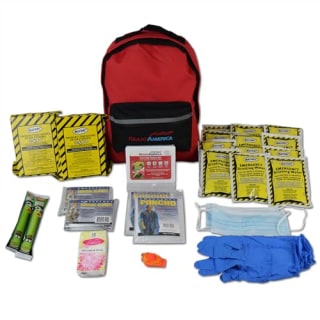
Credit: www.nbcnews.com
Choosing The Right Container
Choosing the right container is a crucial first step in creating a healthy survival kit. The container holds everything together and protects your essentials from damage. Picking the right one ensures your kit is easy to carry, keeps items safe, and lasts through tough conditions.
Size And Portability
Think about how much space you’ll need. Your survival kit should be compact enough to carry comfortably but large enough to hold all your essentials.
If you plan to carry it during hikes or daily travel, choose a container that fits easily in your backpack or glove compartment. Bulky containers can discourage you from taking your kit along, defeating its purpose.
Ask yourself: Will this container fit in my usual carry spots? Can I grab it quickly in an emergency? These questions help you find the perfect size and portability balance.
Durability And Waterproof Features
Your container must protect your supplies from damage. Look for materials like hard plastic, metal, or heavy-duty fabric that withstand drops and rough handling.
Waterproofing is essential. Moisture can ruin bandages, medicines, and electronics. A container with a tight seal or waterproof lining keeps everything dry and functional.
Consider containers with locking lids or secure clasps. These features prevent accidental openings and keep your supplies safe. Remember, your survival kit’s container is your first line of defense against environmental hazards.
Essential Medical Supplies
Essential medical supplies form the backbone of a healthy survival kit. These items help treat injuries and manage common illnesses. They provide quick relief and prevent complications during emergencies. A well-stocked kit saves time and reduces stress in tough situations.
Choosing the right medical supplies ensures safety and readiness. Focus on versatile and easy-to-use items that suit your needs. Keep supplies organized and accessible for fast use.
Basic First Aid Items
- Adhesive bandages in various sizes
- Sterile gauze pads and adhesive tape
- Antiseptic wipes and ointments
- Elastic bandages for sprains
- Scissors and tweezers
- Disposable gloves for hygiene
- Instant cold packs
- Thermometer
Medications And Prescriptions
- Pain relievers like acetaminophen or ibuprofen
- Antihistamines for allergic reactions
- Anti-diarrheal and anti-nausea drugs
- Cough and cold remedies
- Personal prescription medicines with clear labels
- Any special medications for chronic conditions
- Extra supplies of essential prescriptions
Nutritious Food And Hydration
Building a healthy survival kit means planning ahead for your body’s most basic needs: food and water. Nutritious food keeps your energy steady, while proper hydration supports every function in your body. Missing either can make tough situations even harder to handle.
Non-perishable Food Options
Choose foods that last long without refrigeration and provide balanced nutrition. Look for items rich in protein, fiber, and healthy fats. Think about canned beans, nuts, dried fruits, and whole-grain crackers.
- Canned tuna or chicken:High in protein and easy to store.
- Peanut butter:Provides fats and protein, great for quick energy.
- Instant oatmeal packets:Offer fiber and carbs for sustained energy.
- Dehydrated vegetables:Add vitamins and minerals without extra weight.
- Energy bars:Compact and nutrient-dense for on-the-go fuel.
Consider your taste and dietary restrictions. Would you eat these foods regularly? If not, you might avoid them when stressed. Try different options ahead of time and choose what you enjoy and tolerate well.
Water Storage And Purification
Water is critical for survival and must be stored safely. Use food-grade containers designed to keep water fresh. Store at least one gallon per person per day for drinking and hygiene.
Purification tools help when clean water isn’t available. Carry water purification tablets or a portable filter. Boiling water also kills most germs—do you have a reliable way to boil water if needed?
- Water bottles with built-in filters:Filter out bacteria and protozoa.
- Purification tablets:Lightweight and easy to pack for emergencies.
- Collapsible water containers:Save space but hold plenty of water.
Storing water without proper sealing or in unsuitable containers can lead to contamination. When was the last time you checked your stored water’s condition? Regularly rotate your supplies to keep them fresh and safe.
Personal Hygiene Items
Keeping personal hygiene in check during emergencies is more than a comfort issue—it’s crucial for your health. When your usual routines get disrupted, the right hygiene items in your survival kit help prevent infections and keep you feeling fresh. Think about how a small pack of wipes or a travel-size toothpaste can change your day in tough situations.
Sanitizers And Wipes
Hand sanitizers and wipes are must-haves in any survival kit. They kill germs quickly when soap and water aren’t available, reducing your risk of illness.
- Choose alcohol-based sanitizerswith at least 60% alcohol for effective germ-killing power.
- Pack antibacterial wipesfor cleaning hands, surfaces, and even your face if water is scarce.
- Consider fragrance-free optionsif you have sensitive skin or allergies.
Have you ever realized how much you touch before washing your hands? A small bottle of sanitizer can be a lifesaver in crowded or outdoor settings.
Dental And Skin Care
Oral and skin care items are often overlooked but vital for your well-being in survival situations. Neglecting these can lead to discomfort and infections.
- Include a compact toothbrush and fluoride toothpasteto maintain oral hygiene and prevent toothaches.
- Add a small tube of moisturizerto combat dry, cracked skin caused by harsh conditions.
- Consider lip balm with SPFto protect your lips from sun damage and dryness.
Imagine going days without brushing your teeth or moisturizing your skin—how would that affect your mood and health? Keeping these simple items handy can make a big difference in your comfort and resilience.
Tools And Equipment
Having the right tools and equipment in your healthy survival kit can make a huge difference in an emergency. These items not only help you manage unexpected situations but also keep you calm and confident. Choosing reliable, multi-purpose gear is key to staying prepared without overloading your kit.
Multi-tools And Flashlights
Multi-tools are the ultimate space-savers. A good multi-tool combines pliers, knives, screwdrivers, and scissors into one compact device. This means you can fix, cut, or open things quickly without needing separate tools.
Flashlights are essential for visibility when power goes out. Look for LED flashlights that are bright and energy-efficient. Rechargeable options save money and reduce waste, but always keep extra batteries handy just in case.
- Choose a multi-tool with a comfortable grip and strong materials like stainless steel.
- Pick a flashlight with adjustable brightness and a durable casing.
- Test your tools regularly to ensure they work when you need them most.
Communication Devices
Staying connected can be a lifesaver during emergencies. A basic cell phone is helpful, but consider a two-way radio or a satellite phone for areas with poor reception. These devices keep you in touch with family or rescue teams even when networks fail.
Don’t forget to pack extra chargers and power banks. Solar chargers can be a great backup if you’re off the grid for a long time. Have you ever been in a situation where you wished you could call for help but had no signal? Preparing your communication devices can prevent that helpless feeling.
- Include a battery-powered or hand-crank radio to receive weather updates and news.
- Keep a list of emergency contact numbers written down in case your devices fail.
- Practice using your communication gear to avoid fumbling during a crisis.

Credit: trueprepper.com
Clothing And Protective Gear
Clothing and protective gear form a crucial part of a healthy survival kit. They protect against weather, injuries, and environmental hazards. Choosing the right apparel and accessories ensures comfort and safety in emergencies.
Weather-appropriate Apparel
Select clothing based on the climate and season. Layering works best for temperature control. Start with moisture-wicking base layers to keep dry. Add insulating layers for warmth. Use waterproof outerwear to stay dry in rain or snow.
- Lightweight, breathable fabrics for hot weather
- Thermal clothing for cold climates
- Durable pants and jackets for rough terrain
- Hats and gloves for sun and cold protection
Safety Accessories
Protective gear boosts safety during survival situations. Include items that shield the body from harm and hazards. Eye protection guards against debris and UV rays. Gloves protect hands from cuts and cold. Sturdy boots prevent foot injuries and improve mobility.
- Safety goggles or sunglasses
- Work gloves or insulated gloves
- Hard hat or helmet for head protection
- Reflective vests for visibility
- Knee and elbow pads if needed
Mental Wellness Essentials
Mental wellness is a crucial part of any survival kit. It helps keep the mind calm and focused during tough times. Including essentials that support mental health improves overall resilience and comfort. Small, thoughtful items can reduce anxiety and boost mood. These items provide a sense of normalcy and peace in uncertain situations.
Stress Relief Techniques
Simple practices ease tension and clear the mind. Include easy-to-use tools and methods that help manage stress daily.
- Breathing exercises guide sheets or apps.
- Stress balls or fidget toys for hand movement.
- Calming scents like lavender or chamomile essential oils.
- Journal or notebook for writing thoughts and feelings.
- Guided meditation or mindfulness audio recordings.
These tools help create calm moments. Use them anytime stress builds up.
Entertainment And Comfort Items
Entertainment distracts the mind from worry. Comfort items bring a sense of security and warmth.
- Books or e-readers with favorite stories.
- Puzzles or small games that fit in a bag.
- Photos of loved ones or personal keepsakes.
- Soft blanket or scarf for physical comfort.
- Music player with relaxing or uplifting tunes.
These items help pass time and improve mood. They make hard moments easier to face.

Credit: trueprepper.com
Regular Maintenance And Updates
Regular maintenance and updates keep your healthy survival kit ready for any situation. Over time, some items can expire or get damaged. This reduces their effectiveness. Checking your kit often ensures everything works when needed.
Set a routine to review your kit every few months. This habit helps catch issues early. Staying organized means your kit stays reliable and safe. Let’s explore key tasks to keep your kit in top shape.
Checking Expiry Dates
Check all food, medicine, and supplies for expiration dates. Expired items might not work well or could be unsafe. Mark a calendar to remind yourself when to inspect these dates. Replace anything that is out of date. This simple step keeps your kit fresh and useful.
Replacing Used Or Damaged Items
Look for items that are missing, broken, or worn out. Replace bandages, antiseptics, and other first aid supplies after use. Check packaging for tears or leaks. Damaged items can let dirt or germs in. Keeping everything intact ensures your kit stays hygienic and ready.
Frequently Asked Questions
What Items Are Essential In A Survival Kit?
Include water, non-perishable food, a flashlight, first-aid supplies, and a multi-tool. Add a whistle, matches, and a thermal blanket. Ensure you have personal documents and a communication device. Customize based on your needs and environment.
How Do You Maintain A Healthy Survival Kit?
Regularly check expiration dates and replace items as needed. Store the kit in a cool, dry place. Update personal items like medications and documents. Rotate food and water supplies every six months.
Why Is A First-aid Kit Crucial?
A first-aid kit addresses injuries in emergencies. It provides supplies for wounds, burns, and basic medical needs. Having one ensures prompt treatment, preventing complications. It’s an essential part of any survival kit.
How Often Should You Update Your Survival Kit?
Review your survival kit every six months. Replace expired items and update personal information. Adjust contents according to seasonal changes or family needs. Regular updates ensure readiness for emergencies.
Conclusion
Creating a healthy survival kit takes some planning and care. Choose items that support your body and mind. Keep your kit organized and easy to carry. Check your supplies regularly and replace what you need. A good kit helps you stay safe and strong.
Start with simple items and add what fits your needs. Staying prepared brings peace of mind. Your health matters most in any situation. Prepare now, and feel ready for whatever comes.