Imagine facing not one, but two combat knives coming straight at you. Your heart races, and every second counts.
How do you stay safe? How do you survive? If you want to learn the skills and mindset needed to protect yourself in this intense situation, you’re in the right place. This article will guide you step-by-step through practical tips and proven techniques to increase your chances of survival.
Keep reading—your safety could depend on what you learn next.

Credit: www.amazon.com
Choosing The Right Combat Knife
Choosing the right combat knife is crucial for survival and effectiveness. The knife must fit your needs, comfort, and the tasks ahead. A well-chosen blade can make all the difference in tough situations. Focus on blade type, handle material, and weight balance to find your perfect match.
Blade Types And Their Uses
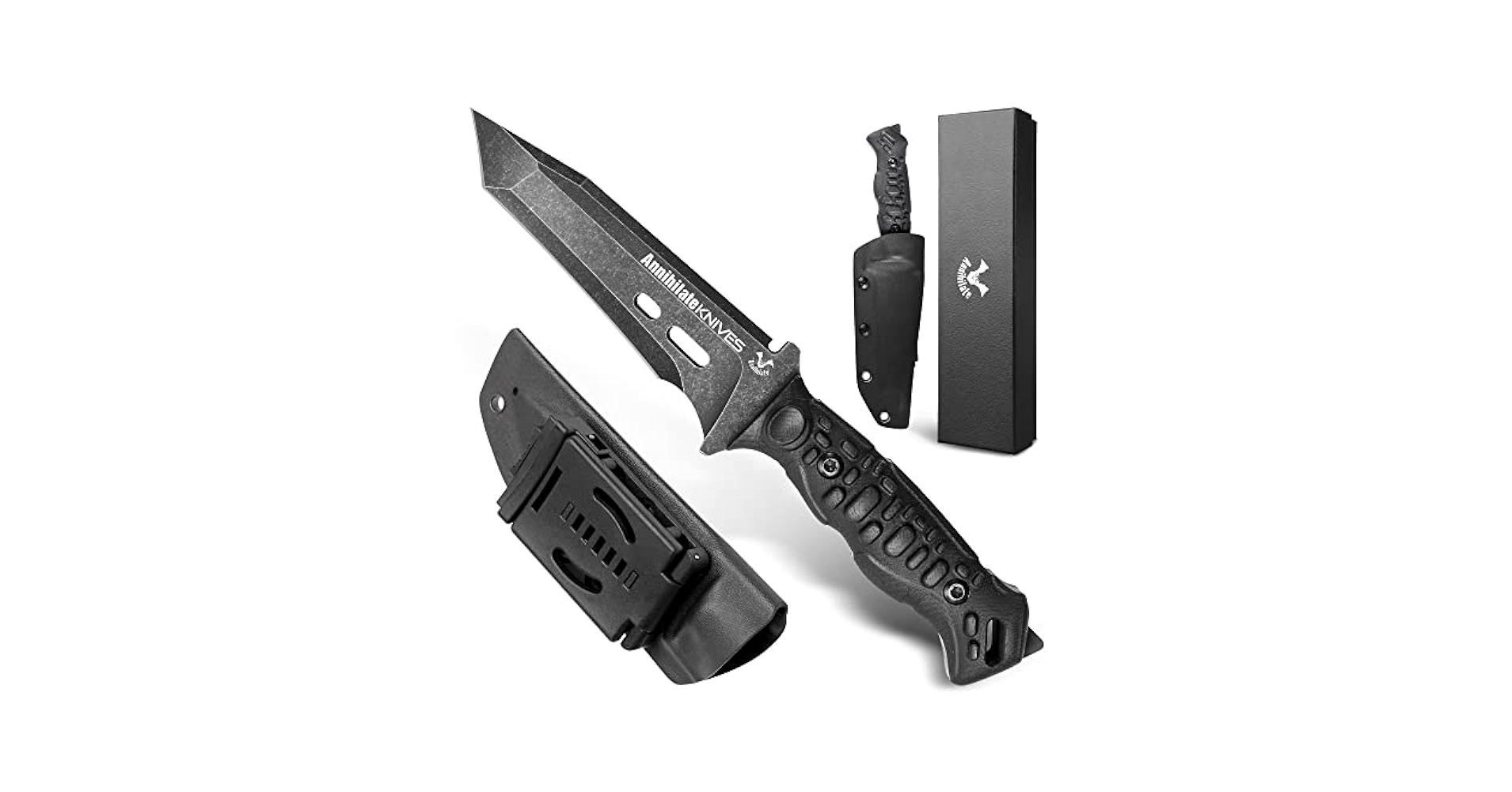
Different blades serve different purposes. A drop point blade offers strength and control, ideal for general tasks. Tanto blades provide strong tips, perfect for piercing. Clip point blades excel in precision cutting. Consider the tasks you expect to face. Choose a blade that matches those needs.
Handle Materials And Grip
The handle material affects comfort and grip security. Rubber handles provide good grip, even when wet. Micarta handles are durable and resist slipping. G-10 handles combine strength and light weight. Test how the handle feels in your hand. A solid grip reduces accidents and improves control.
Balancing Weight And Size
Weight affects how easy the knife is to carry and use. A heavy knife offers power but tires your hand faster. A lighter knife is easier to carry but may lack strength. Size matters too; a large knife can be hard to control. Choose a knife that balances well for your hand and purpose.

Credit: www.amazon.com
Essential Knife Handling Techniques
Essential knife handling techniques form the foundation of surviving combat with two knives. Proper skills improve control, speed, and defense. They help avoid injury and outmaneuver your opponent. Practice each technique carefully and regularly. Build muscle memory and confidence.
Basic Grip And Stance
Hold each knife firmly but not too tight. A relaxed grip allows quick, smooth movements. Position your fingers around the handle for a secure hold.
Stand with feet shoulder-width apart. Keep knees slightly bent for balance. Distribute your weight evenly to stay agile. Face your opponent squarely with arms ready.
Striking And Parrying Moves
Use short, controlled strikes targeting vulnerable areas. Aim for wrists, forearms, or legs. Avoid wild swings that waste energy.
Parry incoming attacks by deflecting blades with your knives. Angle the knives to redirect force away from your body. Stay alert to your opponent’s movements.
Close-quarter Combat Drills
- Practice quick thrusts and slashes in tight spaces.
- Combine attacking and defending moves fluidly.
- Focus on speed and accuracy over strength.
- Train with a partner to simulate real combat situations.
Consistent drills improve reaction time and coordination. They prepare you for sudden, close encounters.
Defensive Strategies Against Knife Attacks
Surviving a knife attack requires smart and quick thinking. Defensive strategies can save your life. Knowing how to react is crucial. Learn to protect yourself and disarm the threat. Focus on observing and responding effectively. Below are key strategies to defend against knife attacks.
Reading Opponent’s Movements
Watch your opponent closely. Look for patterns in their movements. Their body language can hint at their next move. Stay alert to their eyes and hands. These reveal intentions. Anticipate their attack by reading these signs. Position yourself to see their actions clearly.
Effective Blocking Methods
Blocking is essential in defense. Keep your arms close to protect vital areas. Use your forearms to deflect the knife away. Move in sync with the attacker’s rhythm. Avoid using your hands directly. This reduces injury risk. Maintain balance to stand firm against strikes.
Counter-attack Timing
Timing a counter-attack is critical. Wait for the right moment to strike back. Look for openings in the opponent’s defense. A quick and decisive move can turn the tables. Use their momentum against them. Aim for a quick escape once you counter. Prioritize safety over aggression.
Training Regimens For Knife Defense
Training for defense against two combat knives demands more than just knowing the moves—it requires building muscle memory, sharp reflexes, and mental toughness. How you train can make the difference between freezing under pressure and reacting with precision. The right regimens focus on solo skills, partner interaction, and overall fitness to keep you prepared for real confrontations.
Solo Practice Exercises
Practicing alone lets you control your pace and focus on perfecting technique without distractions. Shadow fighting against two imaginary knives improves your ability to visualize attacks and counterattacks. Use a wooden or rubber training knife to practice blocks, parries, and quick strikes repeatedly.
Try drills like:
- Footwork patterns to stay balanced and mobile
- Fast hand switches between offensive and defensive moves
- Reaction drills where you respond to random cues or sounds
Have you noticed how solo repetition sharpens your instincts? It builds the confidence you need when facing unpredictable opponents.
Partner Drills And Sparring
Training with a partner brings unpredictability and real-time feedback. Start slow with controlled drills where your partner simulates dual knife attacks, allowing you to practice timing and distance. Gradually increase speed and intensity to mimic the chaos of an actual fight.
Some effective partner drills include:
- Deflecting double strikes while maintaining your guard
- Counterattacking after blocking or evading
- Maintaining situational awareness to avoid being trapped
During sparring, stay calm and observe your partner’s patterns. This awareness helps you anticipate attacks instead of just reacting.
Incorporating Fitness And Agility
Physical conditioning is crucial for knife defense. Strength alone won’t save you; you need explosive speed, endurance, and flexibility. Add exercises that improve your core stability and quick directional changes.
Focus on:
- High-intensity interval training (HIIT) to build stamina
- Agility ladder drills for foot speed and coordination
- Core strengthening exercises like planks and medicine ball twists
Ask yourself: Can you maintain sharp reactions when you’re tired? Conditioning your body ensures your defense stays effective under stress.
Safety Tips And Legal Considerations
Using combat knives safely requires care and respect. Understanding safety tips and legal rules protects you and others. This section covers how to handle and store knives properly, important local laws, and when it is best to avoid knife confrontations.
Safe Handling And Storage
Always hold knives firmly with a secure grip. Keep your fingers away from the blade edge. Carry knives in a sheath or case to prevent accidents. Store knives out of reach of children and pets. Clean and dry knives after use to avoid rust and damage.
Local Knife Laws To Know
Knife laws vary by country, state, and city. Check local rules about knife length and blade type. Some places ban carrying knives in public without a reason. Know laws about owning, buying, and transporting combat knives. Ignorance of the law can lead to fines or arrest.
When To Avoid Knife Confrontations
Never use knives to threaten or start fights. Walk away from hostile situations when possible. Use other tools or call for help if you feel unsafe. Fighting with knives can cause serious injury or legal trouble. Staying calm and avoiding conflict is the safest choice.

Credit: www.youtube.com
Frequently Asked Questions
What Are The Best Tactics To Survive 2 Combat Knives?
Use distance and quick movement to avoid close attacks. Block and parry strikes effectively. Look for openings to counterattack or escape safely.
How Can I Defend Against Dual Knife Attacks?
Maintain a strong guard and keep your arms between you and the attacker. Use your environment to create barriers and disarm one attacker if possible.
What Is The Safest Distance From Two Knife Attackers?
Stay at least several feet away to reduce their reach advantage. Use long-range weapons or objects to keep attackers at bay.
Can I Disarm Two Knife Attackers Alone?
Disarming two attackers is risky but possible with skill and timing. Focus on one attacker first and use distractions to gain control.
Conclusion
Surviving two combat knives takes focus and quick moves. Stay calm and keep your distance when possible. Use your environment to block or escape attacks. Watch the knives closely to predict each strike. Keep moving to avoid getting trapped. Practice these tips to improve your chances.
Stay alert and trust your instincts during fights. Safety depends on your speed and awareness. Remember, staying alive means staying smart.