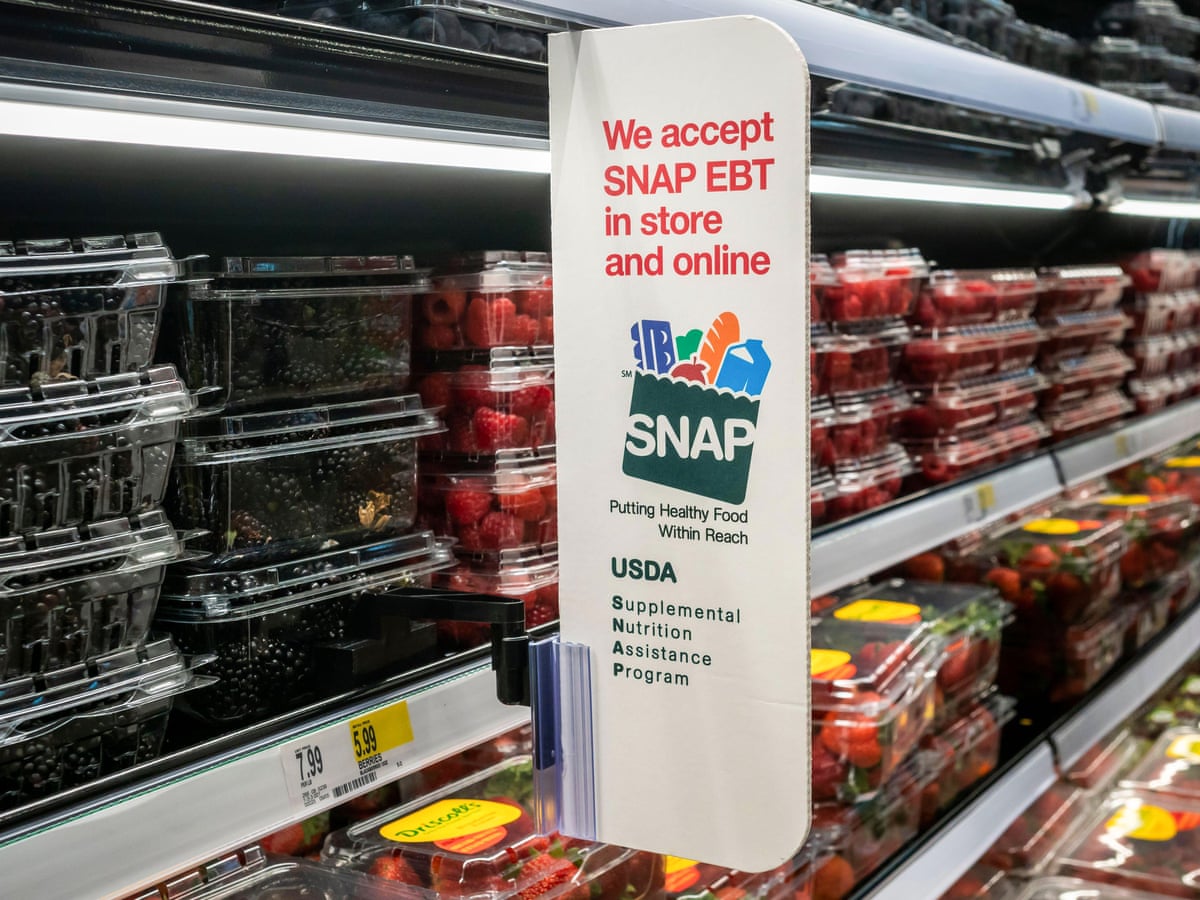
Are you worried about having enough food for your family during tough times? You might be wondering, “Will the government give emergency food stamps to help me?”
If you’re facing sudden financial struggles, this question is urgent and personal. Understanding how emergency food stamps work and whether you qualify can make a big difference for you and your loved ones. Keep reading to discover what you need to know to get the support you deserve right now.

Credit: www.economist.com
Eligibility For Emergency Food Stamps
Understanding your eligibility for emergency food stamps is crucial if you find yourself in urgent need of assistance. The government sets specific criteria to ensure that help reaches those who need it most. Knowing these requirements can save you time and stress during difficult moments.
Income Requirements
Your income plays a central role in determining eligibility for emergency food stamps. Generally, your gross monthly income must fall below a certain threshold, which varies by state and household size.
For example, if your income is just above the limit, you might still qualify due to deductions for expenses like rent or utilities. Have you checked how your monthly earnings compare to your state’s limits recently?
Household Size Considerations
The number of people living in your household directly impacts eligibility and benefit amounts. A larger household means higher income limits but also greater food needs.
Think about your current living situation. Are there extended family members or dependents you support? Accurately reporting your household size ensures you get the right level of assistance.
Special Circumstances
Certain situations can affect your eligibility beyond income and household size. For instance, if you’ve lost your job suddenly or faced a disaster, emergency food stamps might be available to you even if you don’t typically qualify.
Additionally, households with elderly or disabled members sometimes receive priority. Have you experienced a recent life change that could affect your eligibility? Don’t hesitate to share these details when applying.

Credit: www.world-grain.com
How To Apply Quickly
Applying for emergency food stamps quickly can ease stress during tough times. Knowing the fastest way helps you get support without delays. Prepare your documents early and choose the right application method. Act fast to receive aid as soon as possible.
Online Application Process
Visit your state’s official food stamp website. Fill out the online form with accurate details. Submit the form electronically to avoid mailing delays. Check your email for confirmation and next steps. Some states offer live chat for quick help.
In-person Application Steps
Find your nearest food stamp office using your zip code. Bring all required documents to speed up the process. Speak clearly about your emergency needs. Ask for an expedited review if your situation is urgent. Wait times vary, so arrive early.
Required Documentation
Prepare these documents before applying:
- Photo ID (driver’s license or state ID)
- Proof of income (pay stubs or benefits letter)
- Proof of residency (lease or utility bill)
- Social Security numbers for all household members
- Emergency situation proof (medical bills or eviction notice)
Emergency Food Stamp Benefits
Emergency Food Stamp Benefits provide quick help to families facing sudden hardships. These benefits aim to ease food insecurity during tough times. They offer financial assistance for groceries and essential food items. The program ensures that people do not go hungry while waiting for regular aid or during unexpected crises.
Benefit Amounts
The amount of emergency food stamp benefits varies by household size. Generally, larger families receive more aid. The government calculates the benefit based on income and expenses. There is a maximum limit to the amount each household can get. This helps distribute resources fairly among those in need.
Duration Of Assistance
Emergency food stamp benefits are short-term support. The assistance usually lasts from one to three months. It helps families until they can get regular benefits or improve their situation. Extensions may be possible in special cases but are not common. This temporary aid prevents hunger during critical periods.
What Can Be Purchased
Emergency food stamps can only be used to buy certain food items. Eligible products include:
- Fruits and vegetables
- Meat, poultry, and fish
- Dairy products
- Breads and cereals
- Seeds and plants for growing food
Non-food items, alcohol, and tobacco cannot be bought with these benefits. This ensures that the aid supports proper nutrition and health.
State-specific Programs
Emergency food assistance through government programs is not a one-size-fits-all solution. Each state manages its own version of emergency food stamps, leading to differences in eligibility, application processes, and benefit amounts. Understanding these state-specific programs can help you navigate the system more effectively and secure the support you need quickly.
Variations By State
States have unique rules on how emergency food stamps are distributed. Some states offer expedited processing within a few days, while others may take longer. The amount you receive can also vary, depending on local cost of living and state budgets.
For example, California provides emergency SNAP benefits for disaster survivors almost immediately, while in Texas, the process may require more documentation before approval. This means your experience will depend largely on where you live.
Additional State Resources
Beyond emergency food stamps, many states offer extra resources like food pantries, utility assistance, and housing support. These can be a lifeline when your financial situation is tight.
- Some states partner with local nonprofits to distribute food boxes.
- Others provide online portals for quick access to multiple aid programs.
- State websites often have updated lists of available resources specific to your area.
Have you checked if your state provides special programs during extreme weather or public health emergencies? These can sometimes boost the help you receive.
Contacting Local Agencies
Reaching out directly to your local social services office can speed up your application and clarify any confusing rules. Staff there often know about short-term emergency programs that aren’t widely advertised.
Calling or visiting your county or city welfare office can also connect you with caseworkers who guide you through the process. Don’t hesitate to ask about walk-in hours or emergency hotlines—they are there to assist you.
What’s stopping you from making that call today? Sometimes, a quick conversation is all it takes to get the help you need sooner.
Common Challenges And Solutions
Applying for emergency food stamps can sometimes feel overwhelming due to common challenges applicants face. Understanding these obstacles and knowing how to tackle them can increase your chances of receiving timely assistance. Let’s look at some frequent issues and practical ways to handle them effectively.
Application Delays
One of the biggest frustrations is waiting too long for your application to be processed. Delays can happen due to high demand, missing documents, or system backlogs. To avoid this, double-check that your application is complete before submission and respond quickly if the agency asks for more information.
Keeping a copy of everything you submit helps if you need to follow up. Also, consider contacting your local office directly to get updates rather than relying solely on automated systems. Have you ever waited weeks without hearing back? Staying proactive can make a real difference.
Appealing Denials
Receiving a denial can feel discouraging, but it doesn’t have to be the end. Many people successfully appeal decisions by carefully reviewing the reason for denial and gathering additional proof. For example, if income was calculated incorrectly, providing recent pay stubs or bank statements can support your case.
Write a clear and polite appeal letter explaining why you believe the decision was wrong. Don’t hesitate to ask for help from local advocacy groups or legal aid services if you’re unsure how to proceed. Have you considered that a denial might just be a step toward approval with the right evidence?
Avoiding Fraud
It’s important to be honest and accurate when applying for emergency food stamps. Providing false information can lead to penalties, including losing benefits or legal trouble. Always report your current income, household size, and expenses truthfully.
If you’re unsure about what counts as income or how to report certain changes, ask the caseworker for clarification. Staying transparent protects you and ensures the system works fairly for everyone. Have you ever wondered how honesty impacts not just your case but the whole community?

Credit: www.yahoo.com
Alternatives To Emergency Food Stamps
If you find yourself waiting for emergency food stamps or they aren’t available, there are other ways to get the food support you need. Knowing where to turn can ease stress and fill your pantry quickly.
These alternatives often require less paperwork and can provide immediate help. Would you be surprised at how much local communities offer once you ask?
Food Pantries And Banks
Food pantries and banks are a direct way to get groceries without any delay. Many operate with flexible hours and don’t ask for extensive documentation.
You can often find fresh produce, canned goods, and sometimes even dairy or meat. Some pantries allow you to choose items to suit your family’s needs, which makes the experience more respectful and helpful.
- Locate nearby food pantries through websites like Feeding America.
- Check if you need to bring ID or proof of residency before visiting.
- Visit more than once; many pantries serve families regularly.
Community Support Programs
Community centers and religious organizations frequently run meal programs or food giveaways. These programs are designed to support people in crisis quickly.
Some offer hot meals, while others provide food boxes for take-home. You might find programs tailored to seniors, children, or veterans, so don’t hesitate to ask what’s available for you.
- Contact local churches, mosques, temples, or community halls.
- Join social media groups focused on community help in your area.
- Volunteer at these programs to build connections and learn about resources.
Other Government Assistance
Besides emergency food stamps, other government programs might help you stretch your food budget. Programs like Women, Infants, and Children (WIC) provide specific food support based on age and health needs.
Additionally, some states offer utility or housing assistance that frees up money for groceries. Have you checked if you qualify for these programs? Applying for multiple forms of aid can make a big difference.
- Visit your state’s human services website to explore benefits.
- Ask about Temporary Assistance for Needy Families (TANF) for broader support.
- Use online pre-screening tools to quickly see what you qualify for.
Frequently Asked Questions
What Are Emergency Food Stamps?
Emergency food stamps, also known as Disaster Supplemental Nutrition Assistance Program (D-SNAP), provide immediate food assistance. They are given to individuals and families affected by natural disasters or emergencies. This program helps eligible recipients purchase food during challenging times, ensuring access to essential nutrition.
Who Qualifies For Emergency Food Stamps?
Eligibility for emergency food stamps depends on disaster impact and income levels. Applicants must demonstrate need due to loss of income or resources. Eligibility criteria can vary by state. It’s essential to apply promptly after a disaster declaration to access benefits.
How Do You Apply For Emergency Food Stamps?
To apply for emergency food stamps, visit your state’s SNAP office or website. Complete the application form and provide necessary documentation. Some states may offer online applications or phone interviews. Ensure you apply within the specified disaster response period for prompt assistance.
How Long Do Emergency Food Stamps Last?
Emergency food stamps typically last up to one month, covering immediate needs. However, the duration may vary based on the disaster’s severity and ongoing recovery efforts. Extensions or additional assistance may be available if the situation persists, depending on state and federal guidelines.
Conclusion
Emergency food stamps help many people during tough times. The government offers support to those who qualify. You can apply quickly in urgent situations. Knowing the rules can make the process easier. Keep important documents ready to speed up approval.
Local offices and websites provide useful information. Stay informed about changes in programs and benefits. Help is available, so don’t wait to ask. Everyone deserves access to food in emergencies. Reach out for support and take the first step today.


