
Are you worried about how to put food on the table during tough times? You might be asking, “Are they going to issue emergency food stamps?”
If you’ve been struggling or fear a sudden crisis, knowing what help is available can bring real peace of mind. You’ll discover the latest updates on emergency food assistance and what steps you can take right now. Keep reading to find out how you can get the support you need—because no one should have to face hunger alone.
Current Status Of Emergency Food Stamps
Emergency food stamps provide critical help during hard times. Many people wonder if new emergency benefits will be issued soon. The current status of emergency food stamps shows mixed updates from different states and federal agencies.
Some states continue offering extra food aid due to ongoing challenges. Others have stopped issuing emergency benefits as pandemic programs ended. The federal government has not announced any new nationwide emergency food stamp programs yet.
Understanding the current situation helps families plan their food budgets better. It also clarifies what support is available right now for those in need.
Availability Of Emergency Food Stamps By State
States control how and when emergency food stamps are issued. Some states extended benefits beyond the federal expiration date. Others returned to regular Supplemental Nutrition Assistance Program (SNAP) rules.
- States with ongoing emergency support have special rules.
- Some states offer one-time or temporary boosts in benefits.
- Several states no longer issue any emergency food stamps.
Federal Government’s Role In Emergency Food Assistance
The federal government sets the baseline for food assistance programs. It paused emergency food stamp expansions after pandemic relief ended. No new emergency food stamp programs are in place now.
- Congress has not passed new emergency food stamp laws.
- The USDA monitors food aid needs and funding.
- Future emergency support depends on new federal decisions.
How To Check Emergency Food Stamp Status In Your Area
Each state has its own website and contact centers. They provide updates on emergency food stamp availability. Local offices offer guidance on applying or renewing benefits.
- Visit your state’s SNAP website for current info.
- Call local assistance offices to ask about emergency aid.
- Use online portals to check application status and benefits.

Credit: www.economist.com
Eligibility Criteria
Understanding the eligibility criteria for emergency food stamps is crucial if you’re considering applying or just want to stay informed. These criteria help determine who can receive assistance quickly during times of crisis or unexpected financial hardship.
Knowing what qualifies you can save time and reduce frustration. It also ensures that resources are directed to those who truly need immediate help. So, what exactly do you need to qualify?
Income Limits
Your income is the primary factor in eligibility. Generally, your household income must fall below a specific threshold based on federal poverty guidelines.
This threshold varies depending on your family size and location. For example, a family of four might have a higher income limit than a single individual.
Household Composition
The size and makeup of your household affect your eligibility. Emergency food stamps consider everyone living under your roof, including children and extended family.
Are you the primary caregiver for minors or elderly family members? This can influence the amount and urgency of assistance you receive.
Citizenship And Residency Status
To qualify, you must be a U.S. citizen or a legal resident. This ensures that benefits go to those who are legally allowed to receive federal assistance.
Non-citizens might still qualify under certain conditions, such as refugees or asylees, but documentation is required.
Current Benefits And Resources
If you already receive other types of public assistance, this could impact your eligibility. Sometimes, being enrolled in programs like Medicaid or Temporary Assistance for Needy Families (TANF) can simplify the process.
However, having significant savings or other resources might disqualify you from emergency food stamps.
Emergency Situations Considered
Emergency food stamps are designed for sudden crises, such as job loss, natural disasters, or unexpected medical expenses. You may need to provide proof of your situation.
Have you recently faced a financial shock that left you unable to buy groceries? That’s the kind of circumstance this program aims to address.
Government Announcements
Government announcements about emergency food stamps often bring hope to many families facing tough financial times. These updates can directly affect your access to essential support, so staying informed is crucial. Understanding what officials say helps you prepare and act quickly if new aid becomes available.
Recent Statements From Federal Agencies
The USDA and other federal bodies periodically release updates regarding emergency food assistance programs. Recently, they highlighted efforts to expand benefits in areas hit hardest by economic challenges. These statements provide insight into which groups might see increased support soon.
Have you checked if your state is part of these expansions? Sometimes, benefits vary widely depending on local conditions and government decisions.
State-level Announcements And Their Impact
State governments also play a big role in issuing emergency food stamps. Some states have announced temporary boosts to SNAP benefits or new emergency programs. These announcements often come with specific application deadlines and eligibility changes.
For example, during a recent tough season, one state quickly added extra funds to help families buy groceries. This timely move helped many avoid hunger during uncertain times.
How To Stay Updated On Official News
- Subscribe to your local government newsletters.
- Follow official social media channels for real-time alerts.
- Visit trusted websites like your state’s Department of Social Services regularly.
By actively tracking these sources, you can act fast if emergency food stamps become available. Are you ready to respond the moment new assistance is announced?
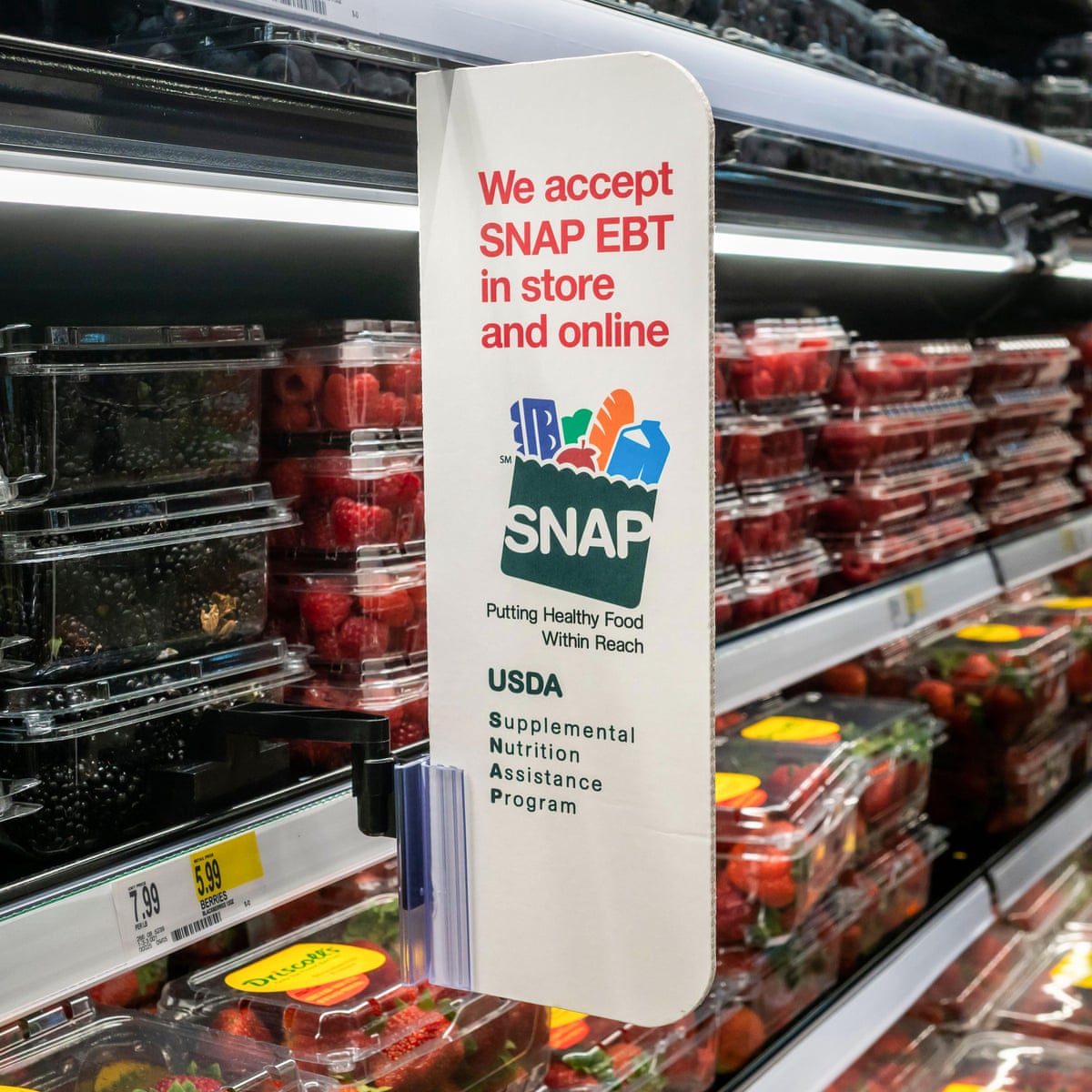
Credit: www.theguardian.com
Impact On Low-income Families
Emergency food stamps can be a crucial lifeline for low-income families struggling to put meals on the table. When unexpected hardships hit—like job loss or medical emergencies—these benefits can prevent hunger and reduce stress. Understanding their impact helps you see why timely access matters so much for those who need support the most.
How Emergency Food Stamps Alleviate Financial Pressure
Low-income families often juggle multiple bills and basic needs. Emergency food stamps free up some of their limited income, allowing them to pay for rent, utilities, or medicine instead of stretching every dollar for food.
One mother I spoke with shared how emergency assistance helped her avoid choosing between groceries and her child’s school supplies. This flexibility can make a real difference in daily life.
Reducing Food Insecurity And Its Effects
Food insecurity doesn’t just cause hunger—it affects health, school performance, and emotional well-being. Emergency food stamps help families avoid skipping meals or eating less nutritious food.
Think about the last time you felt too hungry to focus. Can you imagine that feeling for a child trying to learn? Access to food assistance can change that experience completely.
Barriers To Accessing Emergency Food Stamps
Even when emergency food stamps are available, some families face hurdles applying for them quickly. Complex paperwork, limited internet access, or lack of information can prevent timely help.
Have you ever struggled with a complicated form or waited weeks for approval? For a family in need, those delays can mean going hungry.
Long-term Benefits Beyond Immediate Relief
Emergency food stamps do more than fill empty stomachs—they provide stability during crises. This support can reduce the risk of homelessness, improve children’s development, and help families regain financial footing.
When you receive help at the right time, you’re more likely to bounce back faster and avoid deeper hardship. Isn’t that the kind of support you would want for your loved ones?
Potential Challenges And Solutions
Issuing emergency food stamps might sound straightforward, but several hurdles can complicate the process. Understanding these challenges helps you anticipate issues and discover practical ways to overcome them. Let’s look at what could stand in the way and how you or your community can respond effectively.
Technical And Administrative Barriers
Many states rely on online systems for food stamp applications, which can crash or slow down during emergency surges. This leaves applicants frustrated and unable to get help quickly. You might wonder, how can technology keep up with sudden demand?
One solution is increasing server capacity before emergencies hit. Some states have started using simpler, mobile-friendly application forms that require less data. This quickens processing and reduces errors.
Verification And Documentation Issues
Proof of income, residency, and identity is usually required to get food stamps. During emergencies, people may lose access to their documents or face delays in getting them. Have you ever struggled to find paperwork at a critical moment?
States can ease this by accepting alternative forms of verification or waiving some requirements temporarily. Allowing self-attestation or using existing government databases speeds up approval without compromising integrity.
Awareness And Accessibility Challenges
Even when emergency food stamps are available, many eligible individuals remain unaware of the aid. Language barriers and lack of internet access add to the problem. How can you make sure your neighbors get the help they need?
Community outreach through trusted local groups and multilingual campaigns can bridge this gap. Setting up phone hotlines and physical help centers also ensures no one is left behind.
Funding And Policy Limitations
Emergency food stamp programs depend on government funding and quick policy decisions. Delays or budget constraints can limit how many people get assistance. What happens if the funds run out before everyone is helped?
Advocating for flexible budgets and emergency reserves can cushion these shocks. Transparent reporting on fund use encourages continued support and accountability.
Community Reactions
Community reactions to the possibility of emergency food stamps vary widely. Many express relief at the thought of extra support during tough times. Others voice concerns about how quickly aid will arrive and who will qualify. The topic sparks conversations about fairness and urgency within neighborhoods.
People share personal stories about struggling to put food on the table. Local groups discuss ways to spread the word if emergency food stamps become available. This issue brings attention to food insecurity in many areas.
Hope And Relief Among Low-income Families
Low-income families often see emergency food stamps as a vital lifeline. They hope for faster access to food aid. Many feel this support could ease daily stress and hunger. The promise of additional help creates a sense of hope.
Concerns About Accessibility And Delays
Some worry emergency food stamps may not reach everyone in need. Delays in processing and distribution cause frustration. People ask for clearer communication from officials. Accessibility remains a top concern in community discussions.
Local Organizations’ Role In Spreading Awareness
Community groups and nonprofits prepare to inform residents about new benefits. They plan outreach efforts to ensure no one misses out. These organizations act as bridges between officials and the public.
Debates On Eligibility And Fairness
Conversations often touch on who should qualify for emergency food stamps. Some believe criteria should be broad to help as many as possible. Others worry about misuse or unfair distribution. These debates reflect diverse community views.
Future Prospects
The future of emergency food stamps depends on many factors. Economic conditions, government policies, and public needs all play a role. Understanding these elements helps predict if more aid will be available soon.
Emergency food stamps provide crucial help during tough times. Their continuation or expansion can ease hunger for many families. Watching policy changes and budget decisions is key to knowing what lies ahead.
Government Plans And Budget Allocations
The government decides food stamp programs through budget planning. Increased funding means more people can get emergency aid. Cuts or freezes may reduce the availability of benefits. Officials review data on food insecurity before making decisions.
Economic Trends And Impact
Rising unemployment or inflation often leads to higher demand for food assistance. Economic recovery can reduce the need for emergency food stamps. Tracking job market and price changes helps forecast program growth or reduction.
Public Advocacy And Policy Changes
Advocates push for stronger food aid programs. They raise awareness about hunger issues. Their efforts can influence lawmakers to expand or extend emergency food stamps. Community voices matter in shaping future policies.

Credit: www.economist.com
Frequently Asked Questions
Are Emergency Food Stamps Currently Being Issued?
Yes, many states are issuing emergency food stamps to help those facing urgent food needs. Programs vary by location.
How Can I Apply For Emergency Food Stamps?
You can apply online, by phone, or at your local SNAP office. Requirements differ by state.
Who Qualifies For Emergency Food Stamps?
Qualification depends on income, household size, and urgent need. States may have additional criteria.
How Fast Are Emergency Food Stamps Approved?
Approval times vary but emergency benefits often arrive within days after application and verification.
Conclusion
Emergency food stamps can provide crucial help in tough times. Many people wait anxiously for official announcements. Governments often respond based on economic and social needs. Keep an eye on local news and official websites. Applying early can sometimes speed up the process.
Stay informed and prepared to act quickly. Support programs aim to assist those in real need. Knowing your options helps you face uncertainty with confidence. The situation can change, so stay alert and patient. Help is possible, even if it takes some time.


