
Are you wondering how long the emergency food stamps you receive will actually last? If you’re relying on this support to feed your family, knowing the timeline can help you plan better and avoid unexpected shortages.
You’ll discover exactly how long these benefits typically stretch, what factors can affect their duration, and practical tips to make your assistance go further. Keep reading—you’ll gain the clarity and confidence you need to manage your food resources wisely.
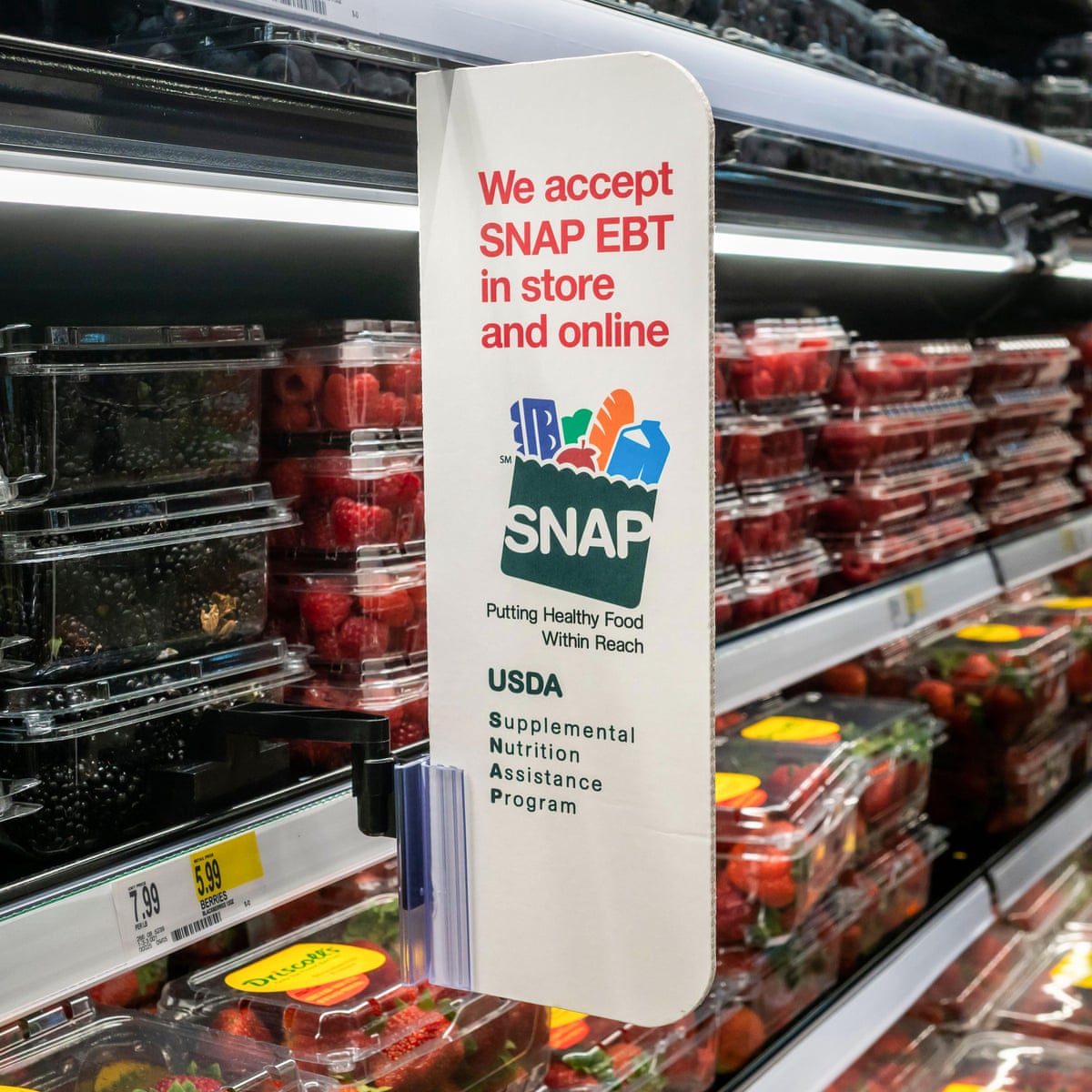
Credit: www.theguardian.com
Emergency Food Stamps Overview
Understanding how long emergency food stamps will last is crucial for managing your household budget during tough times. These benefits are designed to provide temporary relief, but the exact duration can vary based on several factors. Knowing the basics helps you plan better and avoid unexpected gaps in support.
What Are Emergency Food Stamps?
Emergency food stamps are extra benefits given to people who already receive food assistance or to those who suddenly face financial hardship. They aim to help families cover their basic food needs when unexpected situations arise, like natural disasters or economic downturns.
These benefits are often added on top of your regular monthly food stamp allotment, giving you extra purchasing power in the short term.
How Long Do Emergency Food Stamps Typically Last?
The length of emergency food stamp benefits varies by state and the specific emergency declared. Usually, these benefits last for one to three months but can be extended if the crisis continues.
For example, during the COVID-19 pandemic, many states extended emergency benefits multiple times, sometimes stretching over several months.
Have you checked your state’s current policy? This simple step can make a big difference in your financial planning.
Factors Affecting The Duration Of Benefits
- Type of Emergency:Natural disasters or public health crises often trigger emergency food stamps.
- State Policies:Each state decides how long to provide these benefits based on local conditions.
- Funding Availability:Federal and state funding limits can impact how long extra benefits are offered.
Understanding these factors helps you anticipate changes and avoid surprises.
Factors Influencing Duration
Several factors influence how long emergency food stamps last. These elements vary widely and affect the program’s duration and availability. Understanding these factors helps set realistic expectations.
Some influences depend on the state of the economy. Others come from government decisions. Public demand also plays a crucial role in determining how long support continues.
Economic Conditions
Economic health directly impacts emergency food stamp programs. During recessions or job losses, more people need assistance. This often leads to extended support periods.
Inflation and rising food prices also increase demand. When the economy improves, fewer people require help. This can shorten the program’s duration.
Government Policies
Government rules and budgets shape emergency food stamp programs. Lawmakers decide funding amounts and eligibility rules. These choices determine how long benefits last.
Emergency declarations or disaster responses can trigger temporary extensions. Changes in administration may also affect program priorities and funding levels.
Public Demand
The number of applicants influences program length. High demand can lead to longer support or expanded resources. Low demand may result in reduced funding or program end.
Community needs and awareness impact how many people apply. Outreach efforts can increase participation, affecting program duration.
State-specific Variations
Emergency food stamps provide crucial support during tough times, but how long they last can vary widely depending on where you live. Each state has its own rules and budget priorities that affect the duration and amount of aid. Understanding these state-specific variations can help you better plan and advocate for your needs.
Regional Economic Challenges
Some states face more severe economic challenges than others, which directly influences the length of emergency food stamp programs. Areas hit hard by unemployment or natural disasters often see extended benefits. If your state struggles economically, you might find that emergency assistance lasts longer to meet increased demand.
Have you noticed differences in aid duration between neighboring states? This often reflects how deeply local economies are affected. Knowing your region’s economic health can give you clues about what to expect.
Local Government Decisions
Local governments play a big role in managing emergency food stamps. Even with federal guidelines, states decide how to distribute funds and set program timelines. Some choose to extend benefits to support vulnerable populations longer, while others may shorten the period to stretch resources.
Your state’s political and budget priorities can impact these decisions. Are local officials responsive to community needs, or do budget constraints limit aid? Staying informed and involved can help you influence how long emergency food stamps are available where you live.
Federal Funding And Support
Federal funding plays a key role in how long emergency food stamps last. The government allocates money to support food assistance programs. This funding ensures families in need receive help during tough times.
Support from the federal level affects the availability and duration of benefits. Changes in funding impact how states distribute emergency food stamps. Understanding federal support gives insight into the program’s future.
Budget Allocations
The federal budget sets aside specific funds for emergency food stamps. These funds come from various government departments. The amount of money allocated can increase or decrease each year.
States rely on these budget allocations to manage their food assistance programs. Limited funds may shorten the duration of emergency benefits. Larger budgets allow for longer support to families.
- Funding depends on national priorities and economic conditions.
- Congress reviews and approves budget amounts annually.
- Unexpected crises may lead to additional emergency funding.
Legislative Actions
Laws passed by Congress influence emergency food stamp programs. Legislative decisions can extend or reduce benefit periods. Lawmakers review program effectiveness before making changes.
New laws may introduce extra funding or modify eligibility rules. These actions directly affect how long benefits last for recipients. Advocacy and public opinion often shape legislative outcomes.
- Congress can approve emergency relief packages during crises.
- Changes in legislation may respond to economic shifts.
- State governments also implement rules based on federal laws.
Impact Of Policy Changes
Policy changes greatly affect how long emergency food stamps will last. These changes can alter who qualifies and how much aid people receive. Understanding these shifts helps families prepare for adjustments in support.
Eligibility Adjustments
Rules for qualifying may tighten or loosen based on new policies. Some households might lose eligibility due to income or asset limits. Others could become eligible if criteria expand. Changes often reflect economic conditions or government priorities.
States may also modify requirements, creating differences across regions. This affects the number of people who can access food stamps. Staying updated on local rules is important for applicants.
Benefit Amount Modifications
The amount of emergency food stamp benefits can increase or decrease. Policy updates might raise benefits during crises to help more families. Cuts may happen as economic conditions improve or budgets shrink.
Benefit levels depend on household size, income, and expenses. Changes in these factors influence monthly support. Tracking these modifications helps recipients plan their food budgets better.

Credit: 72hours.ca
Historical Precedents
Understanding the history of emergency food stamps helps predict their duration. Past programs show patterns in government response during crises. These examples reveal how long aid typically lasts and what factors influence extensions.
Past Emergency Programs
Emergency food assistance has appeared during economic recessions and natural disasters. For example, the 2009 stimulus package included increased food stamp benefits. This boost lasted about a year before returning to normal levels.
During the COVID-19 pandemic, emergency food stamps expanded rapidly. The extra benefits continued for several months, adjusted by changing needs and budgets. These programs often begin with short time frames but extend based on demand.
Lessons Learned
Past programs teach that emergency food stamps last longer if economic hardship persists. Policymakers watch unemployment rates and food prices to decide on extensions. Quick responses help families avoid hunger during tough times.
Flexibility matters. Emergency aid adapts to real conditions, not fixed schedules. Communities with strong support networks tend to recover faster, allowing aid to phase out sooner. Clear communication also helps families plan for changes in benefits.
Future Projections
Future projections about emergency food stamps depend on various factors. Economic trends, government budgets, and social needs all play a role. Understanding these projections helps people prepare and stay informed. The following sections explore possible economic scenarios and expert predictions.
Potential Economic Scenarios
Economic growth could reduce the need for emergency food stamps. More jobs mean higher incomes and less reliance on aid. On the other hand, a recession might increase demand. Job losses and rising prices often push more families to seek help.
Inflation also affects how long food stamps last. Higher costs reduce the buying power of benefits. This may force governments to increase funding or adjust policies. Natural disasters and pandemics can cause sudden spikes in demand. These events strain resources and complicate distribution.
Predictions From Experts
Experts expect emergency food stamps to remain important for years. Many warn that economic inequality will keep demand steady. Some predict gradual improvements if the job market strengthens. Others highlight risks of new crises that could worsen conditions.
Policy changes could impact how long benefits last. Experts suggest more flexible programs to respond quickly to changes. They also stress the need for better data to guide decisions. Overall, expert views show a mix of cautious optimism and concern.

Credit: www.lasp.org
Community And Individual Adaptation
Emergency food stamps provide crucial help during tough times. Yet, their availability is often limited. Communities and individuals must find ways to adjust and sustain themselves beyond this support. Adaptation plays a key role in managing food security when emergency aid runs out.
Local Support Systems
Communities often build networks to share resources and information. Food banks, local churches, and nonprofit groups step up to fill gaps. These organizations offer food drives, meal programs, and pantry access. Neighbors help each other by sharing meals or groceries. Local farmers markets sometimes provide discounted produce for families in need. Community gardens also grow fresh food and foster cooperation.
- Food banks distribute emergency food supplies regularly.
- Charities organize free meal services and food pantries.
- Community centers host workshops on nutrition and cooking.
- Volunteers deliver meals to seniors and disabled residents.
- Local groups create food-sharing networks to reduce waste.
Personal Preparedness Strategies
Individuals can take steps to improve their food security. Planning meals ahead helps stretch food supplies further. Buying non-perishable items in bulk saves money and lasts longer. Growing simple vegetables at home adds fresh options. Learning easy recipes with pantry staples boosts confidence. Budgeting for food and tracking expenses prevents shortages. Maintaining a small stock of emergency food is wise for unexpected situations.
- Make weekly meal plans to avoid food waste.
- Stock up on canned goods, rice, and pasta.
- Start a small garden with herbs and vegetables.
- Use affordable recipes that require few ingredients.
- Keep a food diary to monitor consumption and needs.
Frequently Asked Questions
How Long Do Emergency Food Stamps Typically Last?
Emergency food stamps usually last between 3 to 6 months. The exact duration depends on state policies and individual circumstances. Extensions may be granted during prolonged emergencies or disasters.
Can Emergency Food Stamps Be Extended Beyond Initial Period?
Yes, emergency food stamps can be extended if the crisis continues. States review ongoing needs and may provide additional benefits to eligible recipients during extended emergencies.
What Factors Determine The Length Of Emergency Food Benefits?
The length depends on the emergency type, state regulations, and funding availability. Personal financial situation and household size also influence the benefit duration.
Do Emergency Food Stamps Differ From Regular Snap Benefits?
Yes, emergency food stamps are temporary and issued during crises. Regular SNAP benefits provide ongoing monthly assistance based on income and eligibility criteria.
Conclusion
Emergency food stamps offer vital help during tough times. The exact length of support varies by state and program. Many programs provide assistance for several months, but extensions depend on funding. Stay updated on local announcements to know current details.
Planning ahead helps manage your food needs better. Keep track of program deadlines and renewal dates. Remember, these benefits aim to support, not replace, regular income. Use this aid wisely to get through difficult periods. Reach out to local offices for specific questions or help.
Stay informed and prepared for changes ahead.


