
Have you ever wondered how safe your clothes are after being out in public? You might be asking yourself, “How long can coronavirus survive on clothing?” This question matters because your clothes come into contact with many surfaces and people every day.
Knowing the answer can help you protect yourself and your loved ones from hidden risks. Keep reading to discover simple facts that can keep your wardrobe—and you—safer than you think.
Credit: www.goodrx.com
Virus Survival On Fabrics
The coronavirus can survive on clothing for varying times. Fabrics create a unique environment for the virus. It depends on the type of fabric and external conditions. Understanding virus survival on fabrics helps in taking safety steps.
Factors Affecting Longevity
Several factors influence how long the virus stays active on clothing:
- Fabric Type:Smooth, synthetic fabrics often hold the virus longer than rough, natural ones.
- Moisture Level:Damp fabrics can keep the virus alive longer than dry ones.
- Temperature:Higher temperatures reduce virus survival time.
- Exposure to Sunlight:UV rays from the sun break down the virus faster.
- Virus Load:More virus particles mean longer survival on fabric.
Comparison With Other Surfaces
The virus does not survive equally on all surfaces. Hard, non-porous surfaces keep the virus longer than fabrics.
| Surface Type | Approximate Virus Survival Time |
|---|---|
| Clothing (cotton, wool) | Up to 2 days |
| Plastic and Stainless Steel | Up to 3 days |
| Cardboard | Up to 24 hours |
| Glass | Up to 4 days |
Fabric tends to absorb and trap virus particles. This lowers its survival time compared to smooth surfaces.
Impact Of Fabric Type
The type of fabric your clothing is made from plays a significant role in how long coronavirus can survive on its surface. Different materials interact with the virus in unique ways, affecting its lifespan and the risk of transmission. Understanding these differences can help you make smarter choices about what to wear and how to care for your clothes during the pandemic.
Natural Vs. Synthetic Materials
Natural fabrics like cotton and wool tend to absorb moisture quickly, which can reduce the virus’s survival time. The virus struggles to stay active on damp surfaces, so these materials may be safer in that regard. However, synthetic fabrics such as polyester or nylon often repel moisture, allowing the virus to remain viable longer on the surface.
Think about your workout clothes made of synthetic fibers—they might harbor the virus longer than your everyday cotton T-shirt. This difference highlights why washing synthetic garments thoroughly and regularly is crucial. Have you noticed how some clothes feel more “sticky” or less breathable? That sensation might correspond with a higher risk of virus survival.
Role Of Fabric Weave And Texture
The tightness of the weave and texture of the fabric also influence virus longevity. Tightly woven fabrics create a denser surface that can trap virus particles but may also dry faster, reducing survival time. On the other hand, loosely woven or rough-textured fabrics can trap moisture and particles in crevices, potentially extending the virus’s lifespan.
Consider how your favorite flannel shirt feels compared to a smooth silk blouse. The rough texture of flannel might trap more particles, but its ability to retain moisture could work against virus survival. Does this make you rethink which fabrics you choose during flu season or a pandemic?
Environmental Influences
The survival of coronavirus on clothing depends greatly on environmental factors. These influences affect how long the virus can remain active and infectious on fabric surfaces. Understanding these factors helps in reducing the risk of contamination from clothes.
Temperature And Humidity Effects
Higher temperatures tend to reduce the virus’s survival time on clothing. Heat can break down the virus’s outer layer, making it inactive faster. Cooler environments allow the virus to live longer on fabrics.
Humidity also plays a role. Dry air can cause the virus to dry out quickly, lowering its ability to survive. In contrast, high humidity may help the virus stay alive longer on clothing surfaces.
Exposure To Sunlight
Sunlight, especially ultraviolet (UV) rays, damages the virus’s structure. Direct sunlight exposure can kill the virus within minutes. Clothes left in the sun are less likely to carry active virus particles.
Shaded or indoor areas without sunlight allow the virus to survive for a longer time. Using sunlight as a natural disinfectant is effective for reducing viral presence on fabrics.
Credit: health.clevelandclinic.org
Safe Handling Of Clothing
Handling clothing safely during the coronavirus pandemic is crucial to reduce the risk of virus transmission. The virus can survive on fabric surfaces for varying times depending on conditions, so taking the right steps when dealing with your clothes matters. Simple habits can protect you and your loved ones from unnecessary exposure.
Precautionary Measures
Always handle worn clothing with care, especially if you have been in public places or around others. Avoid shaking clothes as this can release viral particles into the air. Place used garments directly into a laundry basket or bag without letting them touch other surfaces.
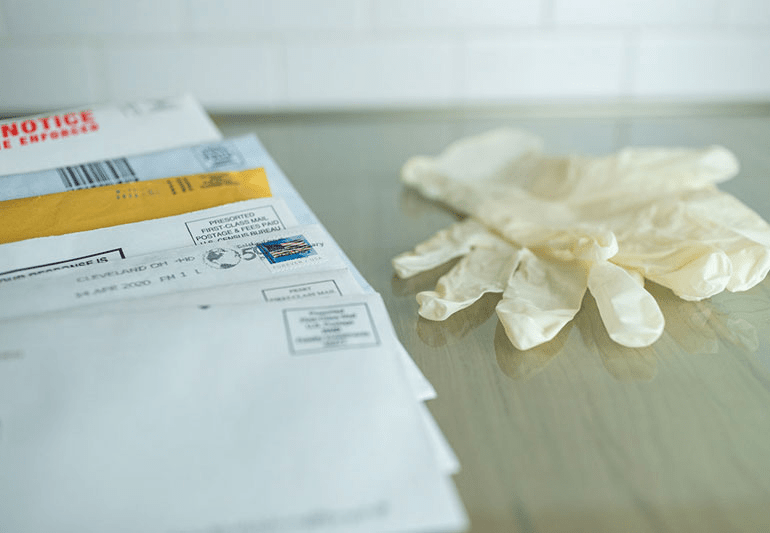
When transporting laundry, keep your hands away from your face and wash them immediately after handling dirty clothes. Consider wearing disposable gloves if someone in your household is sick, and discard or wash the gloves after use. Could changing how you manage your laundry routine lower your chances of catching the virus?
Proper Laundering Techniques
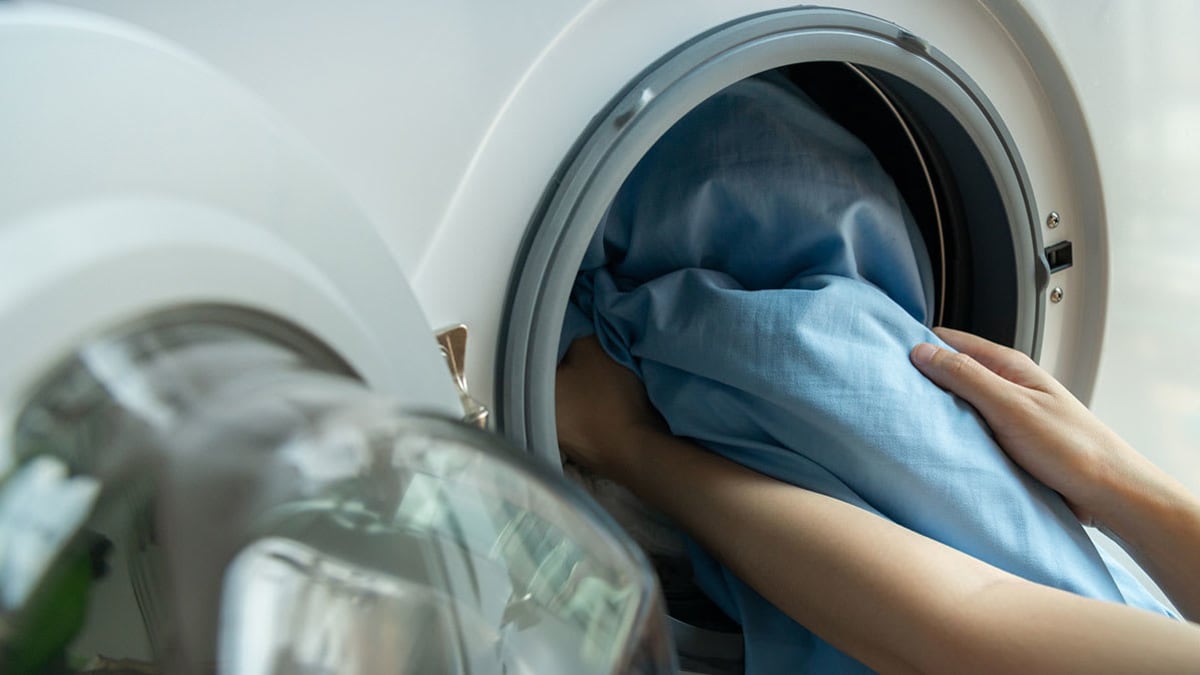
Washing clothes at the right temperature is key to killing the virus. Use the warmest water safe for the fabric, ideally above 60°C (140°F). Add your usual detergent; soap breaks down the virus’s outer layer, making it inactive.
Dry clothes completely using a dryer or hang them in direct sunlight if possible. Sunlight helps reduce the virus on fabric further. Avoid overcrowding your washing machine to ensure thorough cleaning.
After laundering, clean and disinfect laundry baskets and washing machine handles regularly. These small actions can make a big difference in keeping your home virus-free. How often do you think about the cleanliness of the tools you use to wash your clothes?
Expert Insights
Understanding how long coronavirus can survive on clothing is crucial for protecting yourself and others. Experts have studied this closely, providing valuable insights to help you make safer choices. Let’s look at what research and health authorities say about fabric transmission and practical ways to reduce risks.
Research Studies On Fabric Transmission
Studies show that the coronavirus does not survive as long on fabric as it does on hard surfaces. On clothing, the virus may remain active for a few hours up to a day, depending on the material and environmental conditions like humidity and temperature.
One study found that porous materials like cotton absorb and trap the virus, reducing its viability faster than synthetic fabrics. This means your favorite cotton shirt might pose less risk than polyester gear.
Have you ever noticed how your clothes feel damp or dry quickly? This natural drying process can help deactivate the virus. So, airing out clothes and washing them regularly is a smart habit.
Recommendations From Health Authorities
- Wash clothes regularly:Use the warmest water safe for your fabric and a good detergent to kill the virus effectively.
- Avoid shaking dirty laundry:This can release viral particles into the air and increase exposure risk.
- Use gloves when handling contaminated clothing:Especially if you or someone in your household is sick.
- Dry clothes completely:The heat from dryers helps inactivate the virus faster.
Health authorities also suggest minimizing the use of shared clothing, like uniforms or costumes, during outbreaks. Think about how often you wash your gym clothes and whether they get enough sun and air between uses.
What small changes can you make today to lower your risk? Simple steps like washing your hands after handling clothes and keeping them clean can protect you more than you might expect.
Myths And Facts
Understanding how long coronavirus survives on clothing is crucial. Many myths confuse people about the risks. Separating fact from fiction helps us make safer choices. This section clears up common misunderstandings with clear, simple facts.
Common Misconceptions
- Coronavirus stays on clothes for days and infects easily.
- Wearing the same clothes all day spreads the virus.
- Drying clothes outside kills the virus instantly.
- Only special detergents remove the virus from fabric.
- Touching fabric always leads to infection.
Evidence-based Clarifications
Studies show coronavirus survives on fabric for a few hours to two days. Survival depends on fabric type and environmental conditions. Virus particles reduce rapidly on porous surfaces like cotton.
Washing clothes with regular detergent removes the virus effectively. Hot water and thorough drying increase safety. The virus does not multiply on clothes, so risk lowers over time.
Touching contaminated fabric can spread the virus, but hand hygiene stops it. Washing hands after handling clothes is enough to prevent infection. Outdoor drying helps but does not replace washing.
Credit: www.consumerreports.org
Frequently Asked Questions
How Long Does Coronavirus Survive On Clothes?
Coronavirus can survive on clothing for a few hours up to 2 days. Survival depends on fabric type, temperature, and humidity. Porous fabrics like cotton hold the virus for shorter periods than synthetic materials.
Can Washing Clothes Remove Coronavirus Effectively?
Yes, washing clothes with detergent and warm water kills coronavirus. Use at least 60°C (140°F) for best results. Proper drying also helps eliminate the virus from fabrics.
Is It Safe To Handle Clothes From Infected Areas?
Handling clothes from infected areas is generally safe with precautions. Avoid touching your face and wash hands after. Use gloves if possible, and wash clothes promptly to reduce risk.
Does Fabric Type Affect Coronavirus Survival Time?
Yes, virus survival varies by fabric. Non-porous fabrics like polyester retain the virus longer than porous ones like cotton. Breathable fabrics reduce virus lifespan by allowing quicker drying.
Conclusion
Coronavirus does not live long on clothing. It usually stays active for a few hours only. Washing clothes with soap and water removes the virus well. Drying clothes in the sun helps kill germs faster. Avoid touching your face after handling clothes outside.
Staying clean and washing hands often lowers infection risk. Small actions protect you and others around you. Keeping clothes clean is a simple, effective step. Stay safe by following these easy tips every day.


