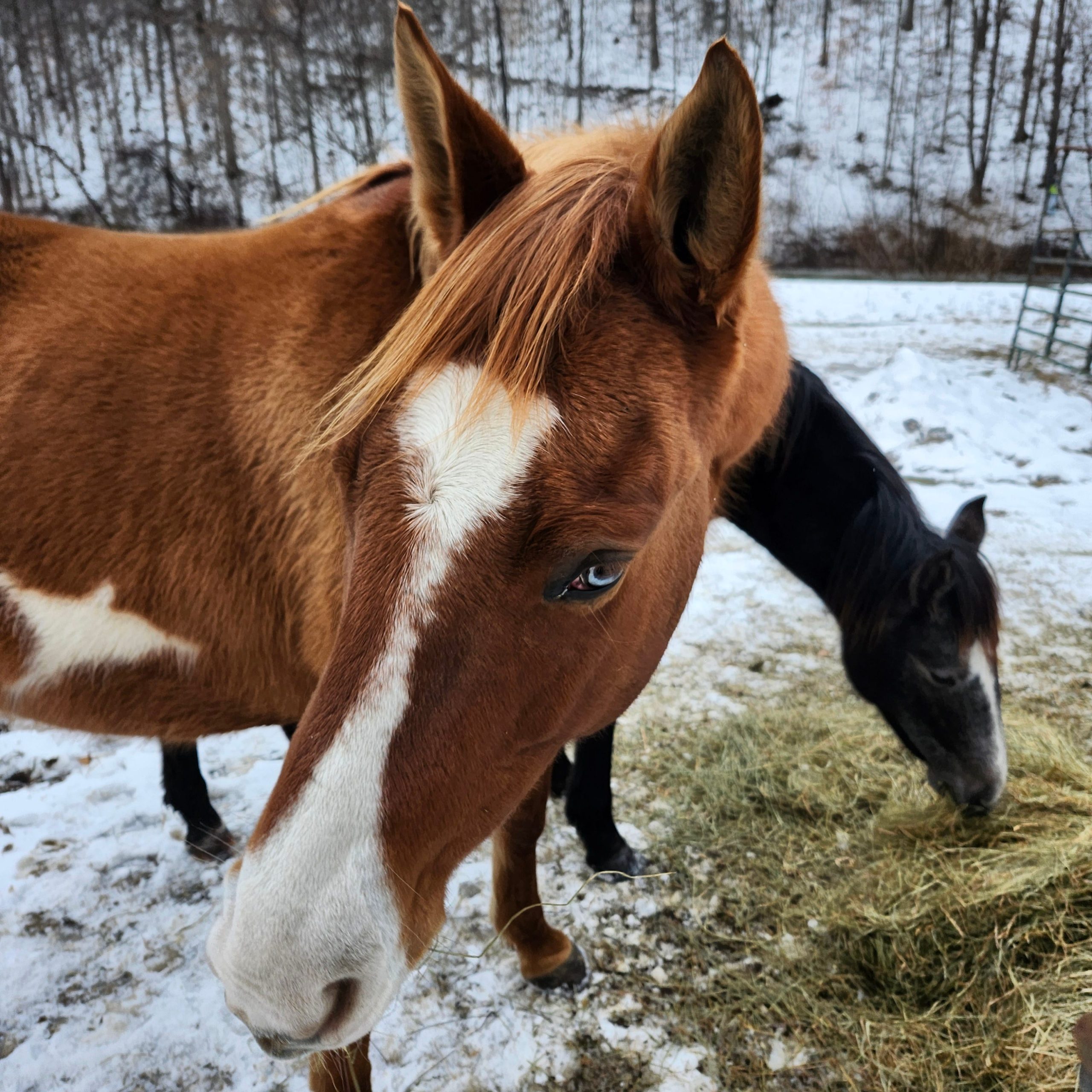
Have you ever wondered if your horse can handle those freezing winter days? Keeping your horse safe and comfortable during cold weather is more important than you might think.
You want to make sure your trusted companion stays healthy and happy, no matter how low the temperature drops. You’ll discover the truth about how horses cope with cold weather and what you can do to help them thrive. Keep reading to learn essential tips that could make all the difference for your horse this winter.
Horse Adaptability To Cold Climates
Horses have natural ways to stay warm during cold weather. Their bodies adjust well to cold climates. These adaptations help them survive and stay healthy even in freezing temperatures.
Understanding how horses adapt helps owners care for them better. Horses rely on their physical traits and behaviors to handle cold weather. These traits include their coat, fat layers, and how they act during winter.
Thick Winter Coat
Horses grow a dense, thick coat as winter approaches. This coat traps heat close to their skin. The hair stands up, creating an insulating layer of air. This layer keeps cold air away from their bodies.
Body Fat And Muscle
Horses build up fat under their skin during colder months. This fat works as an extra layer of insulation. Strong muscles also help generate body heat. Both fat and muscles protect against the cold.
Behavioral Adaptations
Horses change their behavior to stay warm. They often huddle together to share body heat. Horses may move more to keep blood flowing. They also seek shelter from wind and rain.
Circulation And Heat Regulation
Horses have a unique way to manage blood flow. Blood moves away from the skin to reduce heat loss. Their legs have special veins that keep feet warm. This system helps maintain body temperature in freezing weather.
Recognizing Cold Stress Symptoms
Recognizing cold stress symptoms in horses is crucial for their survival and well-being during chilly weather. Horses can endure cold temperatures, but they need your help to identify when they’re struggling. Knowing the signs early lets you act fast and keep your horse comfortable and safe.
Physical Signs Of Cold Stress
Look for shivering, which is your horse’s natural way to generate heat. If shivering is constant or intense, it means your horse is struggling to stay warm.
Check for a dull coat or wet, matted fur. A healthy winter coat should be thick and dry, so dampness can increase heat loss.
Notice any stiffness or reluctance to move. Cold-stressed horses may stand still to conserve energy, but this can make the cold worse.
Behavioral Changes To Watch For
- Decreased appetite: If your horse isn’t eating like usual, it might be too cold or stressed.
- Unusual lethargy: Horses normally stay alert. If yours seems unusually tired or slow, that’s a warning.
- Seeking shelter excessively: While horses often prefer open spaces, constant hiding or huddling could signal discomfort.
Monitoring Vital Signs
Take your horse’s temperature regularly. A drop below 99°F or a sudden spike can indicate cold stress or illness.
Check the pulse and respiration rates. Rapid or irregular breathing and heartbeats might mean your horse is struggling to cope.
Feel the extremities like ears, legs, and tail for coldness or numbness, which are signs of poor circulation from cold stress.
Have you ever noticed your horse’s behavior change on a cold day? Paying close attention can prevent serious health issues before they start. What small signs might you be missing right now?
Winter Feeding Practices
Feeding your horse properly in cold weather is key to keeping it healthy and comfortable. The winter chill pushes horses to burn more energy just to stay warm. That means you need to adjust their diet to meet these extra demands without causing digestive upset.
Nutritional Needs In Cold Weather
Cold weather increases a horse’s calorie needs by up to 20-30%. Your horse will use more energy to maintain body heat, so simply feeding the usual amount might not be enough.
Focus on providing higher-quality feed that packs more calories. Adding fat sources like vegetable oil or rice bran can boost energy without adding too much bulk.
Also, keep protein levels balanced. Protein helps with muscle repair and maintaining a strong immune system, both vital when facing colder temperatures.
Importance Of Forage And Fiber
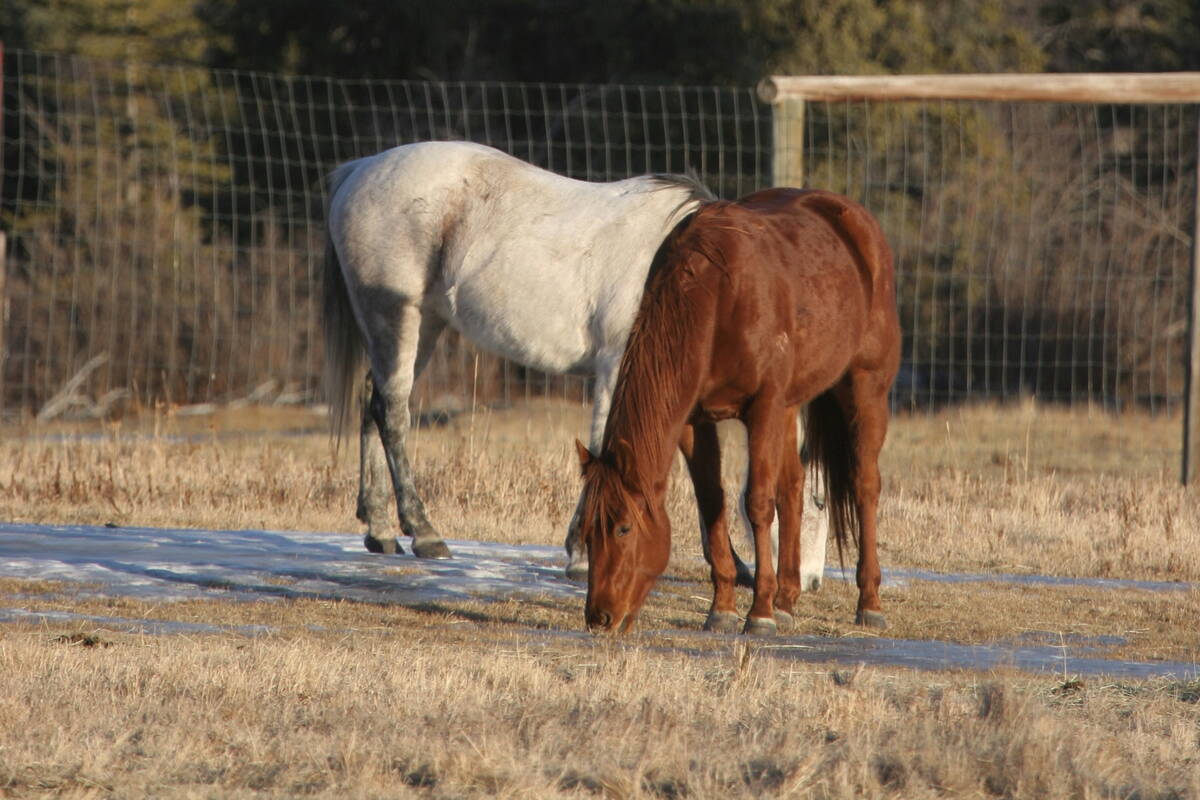
Forage is the cornerstone of winter feeding. Horses digest fiber through fermentation in their gut, which generates internal heat—nature’s own heater.
Make sure your horse has constant access to good-quality hay. This encourages chewing and saliva production, which helps digestion and keeps the gut moving smoothly.
If your horse reduces hay intake due to cold or dental issues, consider soaking hay or offering chopped hay to make it easier to eat. You want to avoid sudden changes; instead, increase forage gradually to prevent colic or other digestive problems.
Credit: www.manitobacooperator.ca
Shelter And Wind Protection
Horses need protection from cold winds and harsh weather to stay healthy. Shelter and wind protection help keep them warm and safe. Proper shelters block cold air and offer a dry, cozy space. Without shelter, horses use more energy to stay warm, which can lead to health problems.
Designing Effective Shelters
Shelters must be sturdy and large enough for horses to move freely. Walls should block wind but allow fresh air to flow. Use materials like wood or metal with insulation for better warmth. A roof prevents rain and snow from soaking the horse. Keep the floor dry with straw or mats to avoid cold and dampness.
Simple designs work best. A three-sided shelter is common and effective. It protects from wind from one direction while leaving the front open. This setup offers good ventilation and easy access for horses.
Positioning And Orientation
Place shelters where natural windbreaks exist, such as trees or hills. Position the open side away from prevailing winds to reduce cold drafts. Orient the shelter to catch sunlight during the day for extra warmth. Avoid low areas that collect cold air or water.
Good shelter placement reduces wind chill and improves horse comfort. It also helps keep the shelter dry and less muddy. These small steps make a big difference in cold weather care.
Maintaining Hydration
Maintaining hydration is crucial for your horse’s health during cold weather. Horses might drink less when it’s chilly, but their need for water remains high. Ensuring they have constant access to fresh water helps prevent dehydration and supports their overall well-being.
Ensuring Water Availability
Always provide plenty of clean water. Horses tend to avoid cold or dirty water, which can lead to dehydration. Try warming the water slightly to make it more appealing—this small change often encourages them to drink more.
Check water buckets or troughs multiple times a day. Horses can be picky, so if water looks uninviting, they might refuse it. Offering water in different containers or locations can also improve their willingness to drink.
Preventing Frozen Water Sources
Frozen water is a common issue in winter. If water freezes, your horse can’t drink, risking serious health problems. Use heated water buckets or install tank heaters to keep water from freezing.
Another option is breaking ice frequently, but this requires regular attention. Consider insulated water troughs as a more hands-off solution. Have you ever noticed your horse avoiding water in freezing conditions? This simple fix could change that behavior.
Credit: pethelpful.com
Blanketing: When And How
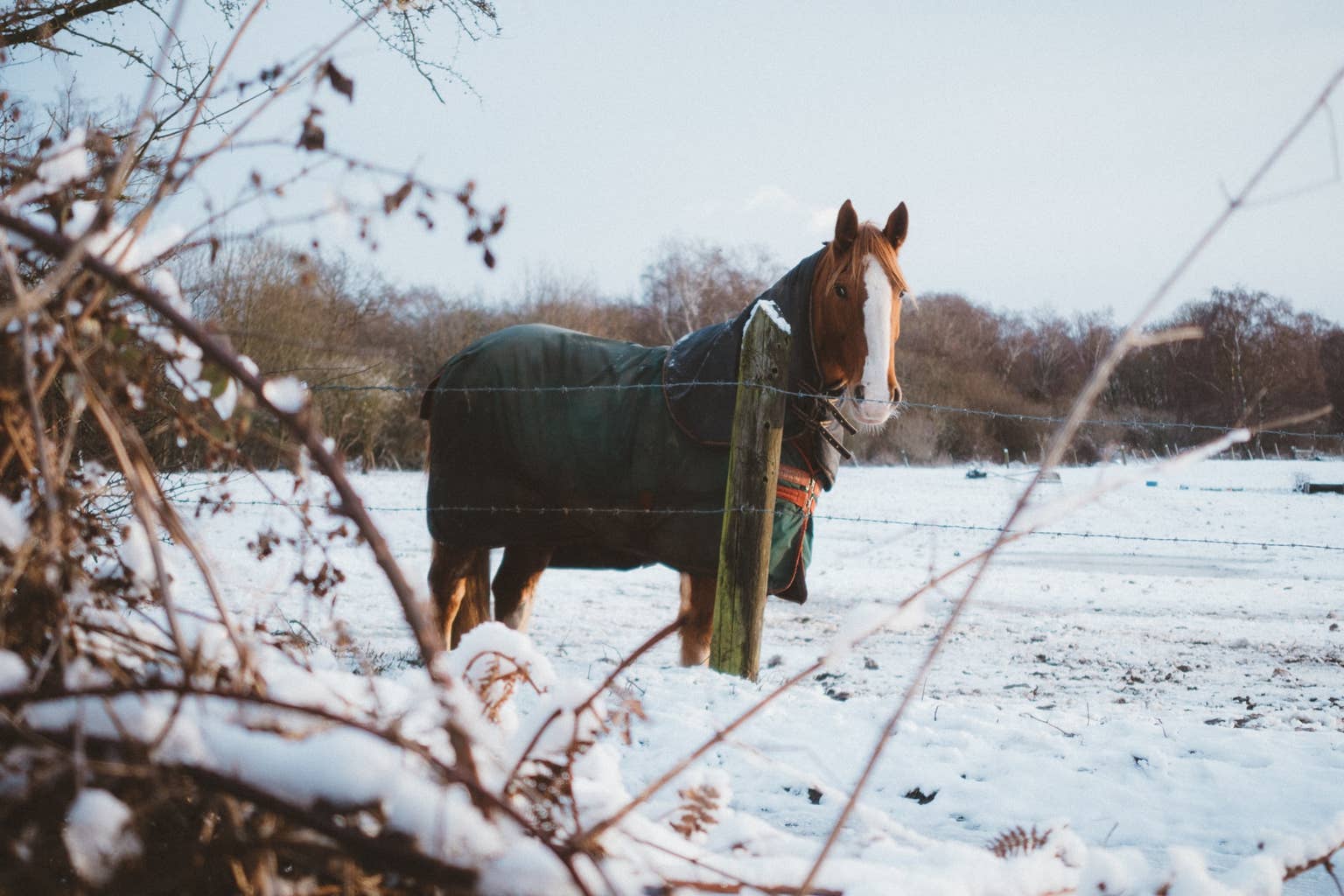
Blanketing horses can protect them from cold weather. It helps keep their body heat inside, especially when temperatures drop sharply. Knowing when and how to blanket ensures your horse stays warm without overheating.
Assessing The Need For Blankets
Check your horse’s natural coat first. Some horses grow thick winter coats that keep them warm. Older horses or those with thin coats might need extra help. Consider the weather conditions too. Wet and windy days make it harder for horses to stay warm. Also, think about your horse’s health and activity level. Sick or thin horses often benefit from blanketing. Watch for signs like shivering or weight loss, which suggest your horse feels cold.
Choosing The Right Blanket
Select a blanket based on your horse’s needs and weather. Lightweight blankets work for mild cold and dry days. Heavyweight blankets suit very cold or wet weather. Look for blankets that are waterproof and breathable. This keeps your horse dry and comfortable. Make sure the blanket fits well and does not rub or pinch. Secure the straps properly to avoid slipping. Remove the blanket during warmer parts of the day to prevent overheating.
Regular Health Checks
Regular health checks are vital for helping your horse cope with cold weather. They ensure your horse stays strong and comfortable throughout the chilly months. By keeping a close eye on their health, you can catch small problems before they turn serious.
Monitoring Weight And Condition
Cold weather demands more energy from your horse, so keeping track of their weight is crucial. You want to make sure your horse is neither losing too much weight nor gaining unhealthy fat.
Use a weight tape or scale regularly and note any changes. Feel their ribs and check the fat cover—does your horse still have a healthy layer? Adjust their feed if you notice weight loss or poor coat condition.
Have you noticed your horse’s coat getting dull or thin? That could signal a need for dietary changes or added shelter. Small adjustments early on can make a big difference in how well they manage cold days.
Identifying Health Issues Early
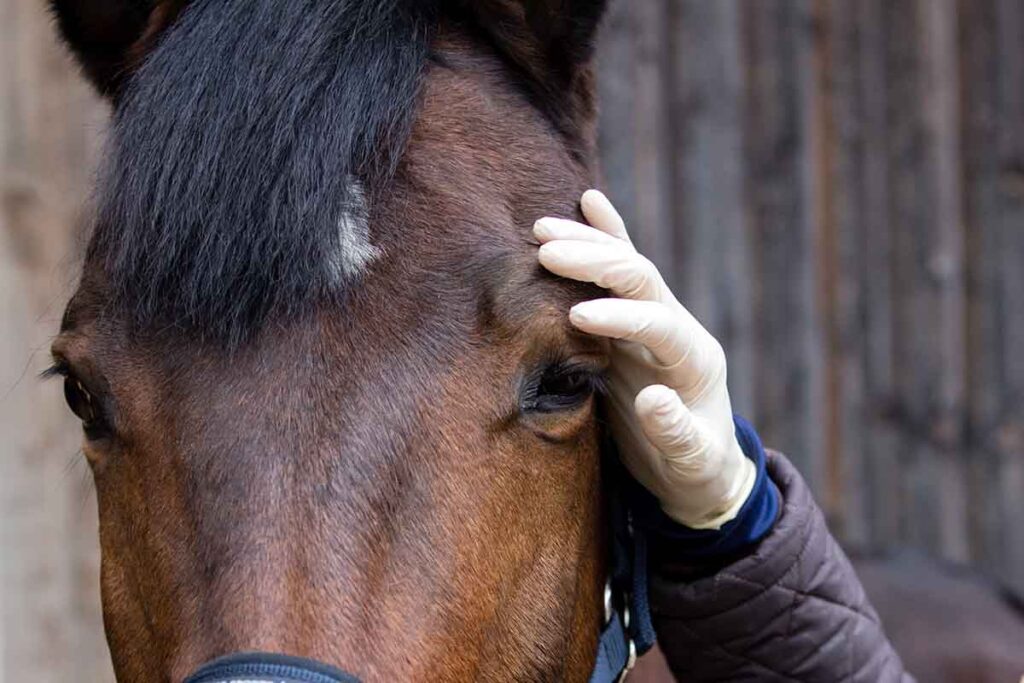
Early detection of health issues can prevent serious complications during winter. Watch for signs like coughing, nasal discharge, or changes in behavior.
Check hooves regularly for cracks or thrush, as wet and cold conditions can worsen these problems. Also, monitor your horse’s hydration and appetite closely.
Have you ever caught a cold or infection in your horse just in time? Those moments show how important daily health checks are. Spotting trouble early lets you act fast and keep your horse safe through the cold season.
Exercise And Movement
Exercise and movement play a crucial role in keeping horses healthy during cold weather. Staying active helps them generate body heat, maintain muscle tone, and support overall well-being. But how do you encourage movement without risking injury or overexertion in winter conditions?
Encouraging Natural Movement
Allow your horse plenty of time outdoors to roam and move freely. Horses are built to walk and graze for hours, and even in cold weather, this natural activity helps them stay warm.
Provide safe, open spaces with good footing to prevent slips or falls. You might notice your horse stretching its legs more when the air is crisp, which helps circulation and keeps joints flexible.
Try adding simple obstacles or varied terrain in the paddock to stimulate movement. This encourages your horse to engage different muscles and stay mentally sharp. Ever seen a horse happily trotting over a small hill or stepping carefully through a shallow ditch? These small challenges boost their fitness.
Safe Riding Practices In Winter
If you ride during the colder months, prioritize safety and comfort for both you and your horse. Cold muscles are prone to strains, so warm up slowly with gentle walking before increasing intensity.
Check the footing before riding to avoid icy or slippery spots that could cause injury. Shorter, more frequent rides can be better than long sessions that tire your horse.
Use appropriate tack and clothing that keep your horse warm without overheating. Pay attention to your horse’s breathing and behavior—if they seem tired or stiff, give them a break.
Have you noticed how your horse’s energy changes with the weather? Adjusting your riding plan based on these signs helps keep exercise safe and enjoyable all winter long.
Foot Care In Winter
Foot care plays a vital role in keeping horses healthy during cold weather. Cold and wet conditions can cause hoof problems that affect a horse’s comfort and mobility. Proper care helps prevent issues like cracks, thrush, and infections. It also keeps hooves strong and ready to handle icy or snowy ground. Regular attention to hooves supports overall well-being in winter months.
Managing Hoof Health
Trimming hooves regularly prevents uneven wear and cracks. Clean hooves daily to remove mud and debris. Moisturize dry hooves with special hoof conditioners to avoid brittleness. Watch for signs of infection such as swelling or foul odor. Balanced nutrition with essential minerals supports strong hoof growth. Protect hooves from prolonged wetness to reduce risk of thrush.
Preventing Ice And Snow Buildup
Snow and ice can pack into hooves and cause slipping. Use hoof boots or pads to protect against buildup. Applying non-stick sprays can help snow slide off easily. Check hooves often to remove packed ice or snow. Avoid walking horses on icy or frozen ground when possible. Keeping paths clear of ice improves safety and hoof health.
Credit: mynewhorse.equusmagazine.com
Frequently Asked Questions
Can Horses Survive Extreme Cold Weather Conditions?
Yes, horses can survive extreme cold if properly cared for. They grow thick winter coats and need shelter, adequate food, and water to maintain body heat. Regular care and monitoring are essential for their health in freezing temperatures.
How Do Horses Stay Warm In Winter?
Horses stay warm through their dense winter coats, body fat, and metabolic heat. They also rely on shelter from wind and wet conditions. Providing extra hay helps boost their internal heat production during cold weather.
Do Horses Need Blankets In Cold Weather?
Blanketing depends on the horse’s health, age, and coat thickness. Some horses need blankets in severe cold or if clipped. Others grow natural coats that keep them warm. Proper assessment ensures horses stay comfortable without overheating.
What Shelter Is Best For Horses In Winter?
A three-sided run-in shelter or stable with wind protection is ideal. It keeps horses dry and blocks cold winds. Good ventilation is important to prevent respiratory issues while providing warmth.
Conclusion
Horses can live through cold weather with the right care. They grow thick coats and eat more to stay warm. Shelter from wind and wet helps them a lot. Fresh water is key, even in freezing times. Owners must watch their horses closely in winter.
Cold days are tough, but horses are strong. Taking simple steps keeps them healthy and safe. Winter does not have to be hard on horses. Caring well makes all the difference for them.


