
Have you ever wondered how stray cats manage to stay alive when the cold weather sets in? You might think it’s impossible for them to survive freezing temperatures without a warm home.
Yet, these clever animals have surprising ways to protect themselves from the chill. Understanding their secrets can change the way you see stray cats and even help you support them better. Keep reading to discover how stray cats brave the cold and what you can do to make a difference.

Credit: ahconnects.org
Adaptations To Cold Weather
Stray cats face harsh winter conditions without the comfort of a warm home. Their survival depends on specific adaptations that help them cope with cold weather. Understanding these adaptations can change how you see these resilient animals and maybe even how you can help them.
Fur And Body Fat
Stray cats grow thicker fur during cold months. This dense coat traps heat close to their bodies, acting like a natural blanket. You might notice their fur looking fluffier, which is a sign they’re preparing for winter’s chill.
Besides fur, body fat plays a crucial role. Cats build up fat stores that provide insulation and energy reserves. This extra layer helps keep their body temperature stable when food is scarce.
Behavioral Changes
Stray cats change how they behave to stay warm. They seek sheltered spots like under porches or inside abandoned buildings to avoid wind and snow. Have you ever seen a cat curl up tightly in a small space? That’s a smart way to conserve body heat.
They also become more active during the warmer parts of the day to hunt and find food. At night, they minimize movement to save energy. These small shifts in behavior show how adaptable they are to cold conditions.

Credit: khpet.com
Shelter And Warmth
Stray cats face harsh cold weather every year. Finding shelter and staying warm are key to their survival. They use clever ways to protect themselves from the cold. Their choices depend on the environment and what is available nearby.
Finding Natural Shelters
Stray cats look for natural places that offer protection. They hide in thick bushes and under fallen trees. These spots block cold winds and keep them dry. Cats also use hollow tree trunks or dense shrubs to stay safe. Snow can act like insulation, trapping heat close to their bodies. They often curl up in small spaces to keep body heat from escaping.
Human-made Shelters
Stray cats often find warmth near human structures. They hide under porches, inside abandoned buildings, or in garages. These places shield them from wind and rain. Cats may sleep in cardboard boxes or old crates left outside. Sometimes they curl up near warm engines of parked cars. Human shelters offer better protection than natural ones in cities. These spots help cats survive freezing nights and storms.
Foraging And Food Sources
Stray cats face tough challenges finding food in cold weather. Their survival depends on smart foraging and using every chance to eat. Food sources become scarce, so cats must adapt quickly. They use their natural skills and sometimes human help to find meals. Understanding how they do this shows their resilience and cleverness.
Hunting Techniques
Stray cats rely on hunting small animals to get food. They often hunt rodents like mice and rats, which stay active in winter. Cats use stealth and patience, waiting quietly for prey to come close. Their sharp senses help them detect even slight movements.
- They use cover like bushes and debris for surprise attacks.
- Quick pounces catch prey before it escapes.
- Hunting at dawn and dusk, when prey is active, increases success.
These skills help stray cats secure meals despite cold conditions.
Relying On Human Assistance
Many stray cats depend on humans for extra food during winter. People often leave out scraps or feed feral cat colonies. This support is vital when natural prey is scarce.
- Food left near buildings or shelters attracts stray cats.
- Some cats visit restaurants or garbage bins for leftovers.
- Warm spots near human homes offer safe feeding places.
Human kindness increases stray cats’ survival chances in cold months.
Credit: pethelpful.com
Social Structures And Cooperation
Stray cats rely on social structures and cooperation to endure cold weather. Living alone in harsh conditions is tough. Together, cats can share warmth and resources. These social bonds increase their chances of survival.
Forming Colonies
Stray cats often form colonies to stay safe and warm. A colony is a group of cats living close together. This group usually shares shelter and looks out for each other. Cats in a colony groom each other to build trust. They also protect their territory as a team. This cooperation helps them survive cold nights.
Sharing Resources
Resource sharing is key in cold weather survival. Cats in a colony share food and shelter spots. They take turns using warm places like barns or porches. Sharing food reduces hunger risks for all members. This teamwork helps the whole colony stay healthier. It also lowers stress during tough weather.
Health And Hydration
Stray cats face harsh challenges in cold weather, especially when it comes to maintaining their health and staying hydrated. Without consistent care, their chances of falling ill or becoming dehydrated rise sharply. Understanding how they manage these essentials can help you better support them or simply appreciate their resilience.
Preventing Illness
Cold weather weakens a cat’s immune system, making it easier for illnesses to take hold. Strays often seek shelter in warm, dry places like abandoned buildings, under cars, or inside dense bushes to avoid exposure. These hideouts not only protect them from the cold but also reduce the risk of catching respiratory infections.
You might notice some cats curling up tightly with their tails wrapped around their faces. This behavior isn’t just about warmth—it also minimizes the chance of frostbite on sensitive areas like ears and noses. Have you ever seen a stray cat looking lethargic or sneezing? These are signs they may need help before illness worsens.
Finding Water Sources
Water is crucial, yet it becomes scarce when temperatures drop below freezing. Stray cats often rely on melted snow or ice, but this isn’t an ideal source since it can lower their body temperature. Some cleverly find running water from streams or drainage systems that don’t freeze easily.
If you’ve ever left out a bowl of water for outdoor cats during winter, you know it can freeze quickly. Using heated water bowls or changing the water frequently can make a big difference in helping them stay hydrated. What other ways could you think of to provide fresh water safely when nature doesn’t supply much?
Role Of Human Intervention
Human help plays a key role in the survival of stray cats during cold weather. Stray cats face many challenges like finding food, warmth, and shelter. People in communities often step in to provide support. Their actions reduce the risks stray cats face in harsh winters.
Community Support
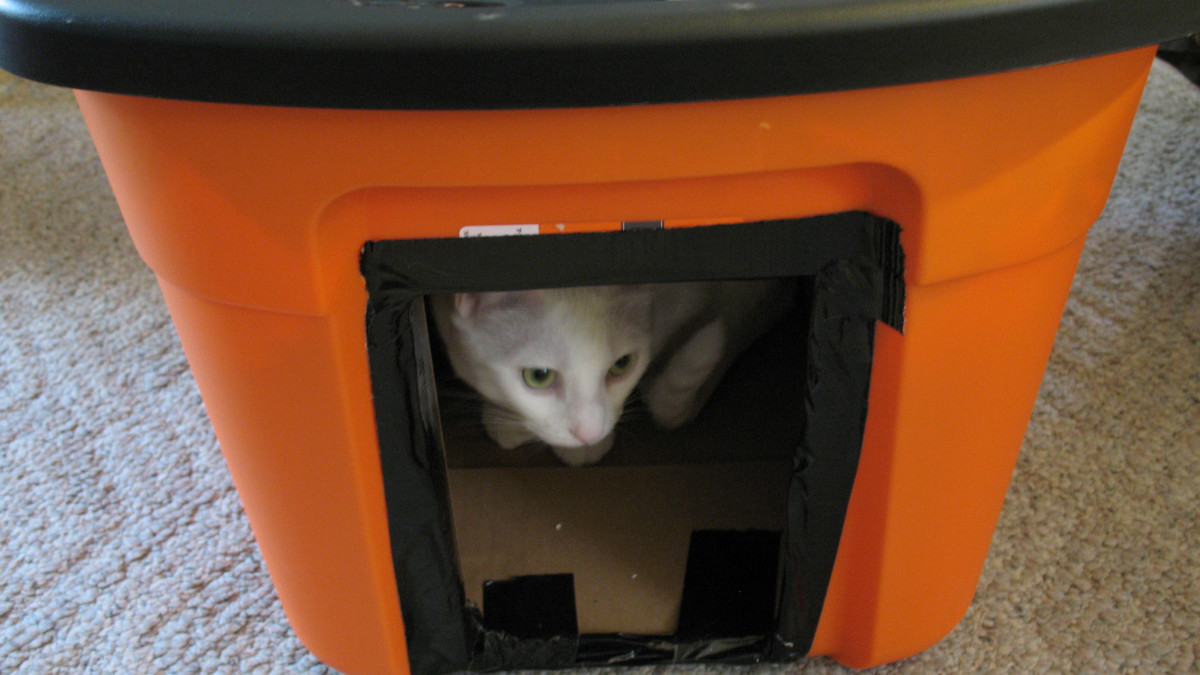
Many communities create safe spaces for stray cats. People leave out food and water to keep them nourished. Some build simple shelters using materials like wood, cardboard, or plastic.
Volunteers check on these shelters regularly. They clean and repair them to keep cats warm and dry. Community support also includes spreading awareness about caring for strays.
Trap-neuter-return Programs
Trap-Neuter-Return (TNR) programs help control stray cat populations. Volunteers trap cats humanely, then take them to get neutered or spayed. After recovery, cats return to their outdoor homes.
TNR reduces breeding and lowers the number of strays in the long run. It also improves cats’ health and reduces their need to roam far for food. This program helps keep stray cats safer during cold weather.
Frequently Asked Questions
How Do Stray Cats Find Shelter In Cold Weather?
Stray cats seek warm, hidden places like abandoned buildings and under cars. They use natural shelters and human structures to avoid harsh weather.
What Do Stray Cats Eat To Survive Winter?
They hunt small animals, scavenge food scraps, and rely on occasional human feeding. Their diet helps maintain energy and body heat.
How Do Stray Cats Keep Warm During Winter Nights?
Stray cats curl up tightly to conserve heat. Their thick fur and body fat also provide natural insulation against cold.
Can Stray Cats Survive Extreme Cold Without Help?
Yes, but survival is tough. They rely on shelter, food, and their natural adaptations. Assistance improves their chances significantly.
Conclusion
Stray cats face tough cold weather every day. They find warm places to stay safe. Their thick fur helps keep them warm. Cats often curl up to save heat. They look for food to stay strong. These animals show great strength and skill.
Watching them teaches us about survival. They adapt well to harsh conditions. Caring for stray cats can make a difference. Their fight to survive is truly inspiring.

