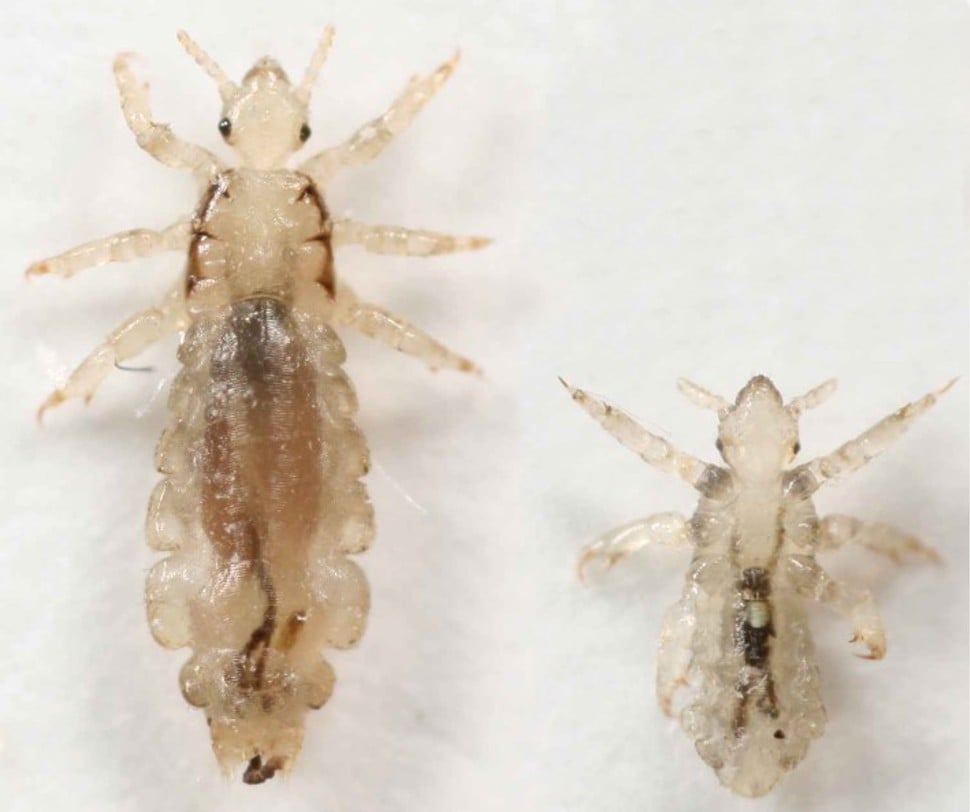
Have you ever worried about lice hiding in your clothes? You’re not alone.
Knowing how long lice survive on clothes can help you protect yourself and your family from getting an infestation. Imagine avoiding the stress and discomfort of dealing with lice by simply understanding how these tiny pests behave outside the scalp.
Keep reading, and you’ll discover the surprising facts about lice survival on fabric—and the simple steps you can take to keep your clothes lice-free. This knowledge could save you time, money, and a lot of frustration.

Credit: www.medicalnewstoday.com
Life Cycle Of Lice
The life cycle of lice is a crucial factor in understanding how long they can survive on clothes. Knowing their stages helps you take effective actions to stop their spread. Lice go through three main stages: egg, nymph, and adult.
Egg Stage (nits)
Lice eggs, called nits, are tiny and stick firmly to hair strands. They usually hatch within 7 to 10 days. While eggs don’t survive long off the scalp, they rarely stay alive on clothes for more than a day or two.
Nymph Stage
Once hatched, lice enter the nymph stage, which lasts about 7 days. Nymphs look like smaller adults but can’t reproduce yet. They need a human host to survive, so on clothes, their life span is very short—typically less than 24 hours without a scalp nearby.
Adult Lice
Adult lice can live up to 30 days on the scalp by feeding on your blood. Away from the scalp, however, they only survive about 1 to 2 days. This means lice found on clothes or bedding are usually nearing the end of their life cycle.
Have you ever wondered why lice infestations keep recurring despite cleaning your home? Understanding this life cycle can help you focus on treating your scalp and washing clothes properly to break the cycle effectively.
Lice Survival Off The Host
Lice are tiny parasites that depend heavily on human blood to survive. Once they leave the warmth and nourishment of a host, their survival chances quickly diminish. Understanding how long lice can live on clothes or other surfaces helps you take the right steps to prevent reinfestation.
Lice Lifespan Without A Human Host
Lice cannot survive long without feeding. Typically, they live less than 48 hours off the human body. Clothes, bedding, and furniture are not ideal environments, so lice become weak and die quickly.
Temperature and humidity also affect survival. Cooler, more humid conditions may allow lice to live a bit longer. However, in most household settings, lice die within two days.
How Lice Behave On Clothes
Lice cling to fabrics but don’t thrive there. They may hide in seams or folds, waiting to find a host. Still, without blood, they weaken fast and can’t reproduce.
Think about your daily routine—do you share hats, scarves, or jackets? These items can briefly carry lice, but the risk drops sharply after 24 to 48 hours without contact.
Effective Ways To Prevent Lice Spread Through Clothing
- Wash clothes in hot water:Use water above 130°F (54°C) to kill lice and nits.
- Dry on high heat:Heat from dryers is effective at eliminating lice.
- Seal non-washable items:Store in plastic bags for at least 48 hours.
- Avoid sharing personal items:Hats, scarves, and headphones can transfer lice quickly.
Have you ever wondered if leaving clothes untouched for a few days is enough? It might be, but combining several methods ensures you won’t risk reinfestation.
Factors Affecting Lice Longevity On Clothes
Lice survival on clothes depends on several key factors. These factors influence how long lice can live away from the human scalp. Understanding these elements helps in managing and preventing lice infestations effectively.
Temperature And Humidity
Lice thrive in warm and moist environments. High temperatures close to body heat help lice stay alive longer. Low temperatures reduce their survival time significantly. Humidity also plays a big role. Dry conditions cause lice to dehydrate quickly. They usually live less than 24 hours on dry clothes. In damp or humid conditions, lice can survive for up to 48 hours.
Fabric Type
The type of fabric affects lice survival. Rough and thick fabrics like wool trap more heat and moisture. This can help lice survive longer. Smooth fabrics like silk or synthetic blends dry faster. Lice find it harder to stay alive on these materials. Clothes with tight weaves give lice fewer places to cling. Loose weaves provide more hiding spots, increasing their longevity.
Common Misconceptions About Lice On Clothes
Lice on clothes is a topic that often sparks confusion and unnecessary worry. Many people believe lice can live for days or even weeks on fabrics, but the reality is quite different. Understanding common misconceptions can help you handle lice infestations more effectively and avoid overreacting.
Do Lice Live Long On Clothes?
Many think lice survive for a long time on clothing, but lice actually need a human scalp to stay alive. Off the scalp, lice can only survive for about 1 to 2 days at most. Without feeding on blood, they quickly weaken and die.
Can Lice Lay Eggs On Clothes?
It’s a common myth that lice lay eggs on clothes. Lice lay their eggs, called nits, only on hair strands close to the scalp. Clothes do not provide the right environment for egg-laying or hatching.
Is Washing Clothes Enough To Kill Lice?
Washing clothes in hot water is effective in killing lice and nits. However, simply putting clothes aside without washing might not guarantee the removal of lice within 24 hours. Drying clothes on high heat can also help ensure lice are eliminated.
Does Vacuuming Clothes Prevent Lice Spread?
Vacuuming furniture or clothes is often suggested, but it doesn’t effectively remove lice from fabrics. Lice cling tightly to hair, not loose fabric, so vacuuming clothes provides little benefit. Focusing on washing and heat treatment is more practical.
Are Lice On Clothes A Sign Of Poor Hygiene?
Lice infestations are not related to cleanliness. Anyone can get lice regardless of how often they wash their clothes or hair. It’s more about close contact with an infested person than hygiene habits.
Preventing Lice Infestation
Preventing lice infestation requires careful attention to clothes and personal items. Lice cannot live long off the scalp, but they may survive on fabric for a short time. Taking the right steps helps stop lice from spreading through clothes.
Effective Cleaning Methods
Wash clothes in hot water to kill lice and their eggs. Use water temperature of at least 130°F (54°C) for best results.
Dry clothes on high heat for at least 20 minutes. Heat helps destroy lice that survive washing.
For items that cannot be washed, seal them in plastic bags for two weeks. This starves lice and prevents them from living.
Proper Storage Solutions
Keep clean clothes in closed drawers or closets. This stops lice from getting onto fresh items.
Use airtight containers or sealed bags for storing clothes that are not in use. Lice cannot survive without a host in sealed environments.
Regularly clean storage areas to remove any lice or eggs that might hide there.
Signs Of Lice Infestation In Clothing
Clothing can hold lice and their eggs for a short time. Noticing signs of lice infestation in clothes helps stop its spread quickly. Early detection protects your family and home from lice problems. Clothes often show small clues that indicate lice presence. Understanding these clues aids in cleaning and treatment.
Visible Nits Or Lice On Fabric
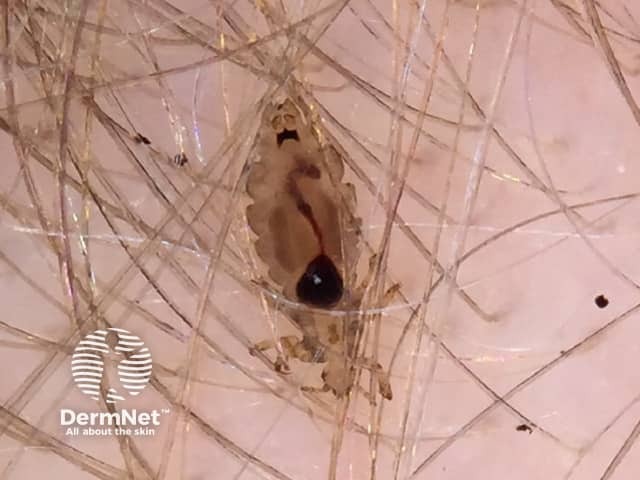
Small white or yellowish eggs, called nits, stick to fabric fibers. They look like tiny grains of sand. Live lice may crawl on clothes, especially near collars and cuffs. These insects move fast but can be seen with close inspection. Spotting nits or lice on clothing is a clear sign of infestation.
Itchy Or Irritated Skin Marks
Wearing infested clothes causes itching or red bumps on the skin. These marks often appear on the neck, shoulders, and back. Constant scratching can cause sores and infections. If skin irritation grows after wearing certain clothes, lice might be the cause.
Unpleasant Odor From Clothes
Infested clothes may develop a musty or sour smell. Lice and their waste produce odors that fabric absorbs. This smell differs from normal body odor. Detecting unusual smells in stored or worn clothes can signal lice presence.
Clumps Or Debris On Clothing
Sometimes lice leave tiny debris or shed skin on fabric. These look like small flakes or dust. Debris usually gathers around seams and folds. Finding clumps or dust on clothes suggests lice activity.
Frequent Lice On Personal Items
Lice can transfer to hats, scarves, and coats. Regular lice sightings on these items show infestation risk. These clothes touch the head and hair often. Checking personal items regularly helps catch lice early.
Treatment Options For Infested Clothes
Clothes can harbor lice and their eggs for several hours or even days. Treating infested clothes is vital to stop lice from spreading. Proper care of garments helps kill lice and prevents re-infestation.
Washing Techniques
Use hot water when washing infested clothes. Water temperature above 130°F (54°C) kills lice and their eggs. Use regular laundry detergent for best results.
Dry clothes on a high heat setting for at least 20 minutes. This further ensures lice and eggs are destroyed. Avoid washing infested clothes with clean clothes to prevent spreading lice.
Use Of Heat And Cold
Heat kills lice effectively. Items that cannot be washed can be sealed in plastic bags. Leave them sealed for 2 weeks. Lice cannot survive without food for that long.
Freezing clothes is another option. Place items in a sealed bag and freeze for 24 hours. Cold temperatures kill lice but may not kill all eggs.
Use heat or cold depending on the fabric type and item. Proper treatment ensures lice do not survive on clothes.

Credit: globalnews.ca
Myths Vs. Facts About Lice Transmission
Lice cause concern, especially about how they spread. Many people believe false ideas about lice transmission. These myths make it hard to know how to protect yourself. Understanding the facts helps prevent unnecessary worry and actions.
Many myths suggest lice live long on clothes. The truth is different. Lice need a human host to survive. They do not thrive on clothes or furniture for long.
Do Lice Jump Or Fly?
A common myth says lice can jump or fly from person to person. Lice cannot jump or fly. They crawl quickly but stay close to the scalp. Direct head-to-head contact spreads lice most often.
Can Lice Survive Long On Clothes?
Lice survive only 1 to 2 days off the scalp. Clothes or hats left lying around rarely spread lice. Washing clothes in hot water kills lice and their eggs.
Is It Safe To Share Hats Or Hairbrushes?
Sharing hats or brushes may risk lice, but it is low. Lice cling mostly to hair, not objects. Cleaning hair tools reduces any small chance of spread.
Do Pets Spread Lice?
Some think pets carry human lice. Human lice only live on people. Pets do not get or spread human lice.
Can Lice Live Without A Human Host?
Lice cannot survive without a human scalp. They die quickly without blood meals. Clothes or furniture are not good homes for lice.
Credit: www.rch.org.au
Frequently Asked Questions
How Long Can Lice Survive On Clothes?
Lice can survive on clothes for up to 48 hours without a host. They need blood to live, so survival time is limited. Proper cleaning kills lice effectively.
Can Lice Spread Through Shared Clothing?
Yes, lice can spread by sharing clothes or hats. Direct contact with infested items allows lice to transfer easily. Avoid sharing personal items to prevent infestation.
How To Kill Lice On Clothes Effectively?
Wash clothes in hot water above 130°F (54°C) for 10 minutes. Dry them on high heat to kill lice and eggs. This method ensures complete removal of lice.
Do Lice Eggs Survive On Clothing?
Lice eggs rarely survive off the scalp for more than 1-2 days. Eggs need warmth to hatch, which clothing usually cannot provide. Cleaning clothes removes most eggs effectively.
Conclusion
Lice can live on clothes for about one to two days. They need a human host to survive longer. Washing clothes in hot water helps kill lice quickly. Drying clothes on high heat also removes them safely. Regular cleaning stops lice from spreading.
Keep clothes separate if someone has lice. This small step helps protect your family. Remember, lice do not live long off the scalp. Taking simple actions keeps your home lice-free. Stay calm and act fast for best results.


