
Have you ever wondered how long germs can live on your clothes? Knowing this can help you protect yourself and your loved ones from getting sick.
Germs don’t just disappear the moment you take off your shirt or jacket. They can stick around, waiting for the right moment to spread. You’ll discover exactly how long germs survive on different types of cloth and simple steps you can take to keep your clothes—and yourself—safe and clean.
Keep reading, because what you learn here could change the way you handle your laundry forever.
Lifespan Of Germs On Fabric
Germs can survive on fabric for varying lengths of time. The lifespan depends on the type of germ and the fabric’s properties. Understanding how long germs live on cloth helps reduce infection risks.
Lifespan Of Bacteria On Cloth
Bacteria can live on fabric from a few hours to several days. Some types, like Staphylococcus, survive up to 48 hours. Others, such as E. coli, last less than 24 hours. Moisture and warmth increase their survival time.
Lifespan Of Viruses On Fabric
Viruses generally survive shorter periods on cloth than bacteria. Flu viruses can live up to 24 hours on fabric. Coronavirus may survive for a few hours to two days. Dry and cool environments help viruses last longer.
Lifespan Of Fungi On Fabric
Fungi, including molds and yeasts, survive longer on cloth. They can live for several days or weeks. Fabrics that stay damp support fungal growth. Good ventilation helps reduce fungal survival.
Factors Affecting Germ Survival On Fabric
- Fabric type: Natural fibers hold moisture more than synthetics.
- Humidity: Higher humidity extends germ lifespan.
- Temperature: Cooler temperatures slow down germ death.
- Sunlight: UV light kills many germs quickly.
- Cleanliness: Dirt and oils can protect germs on fabric.
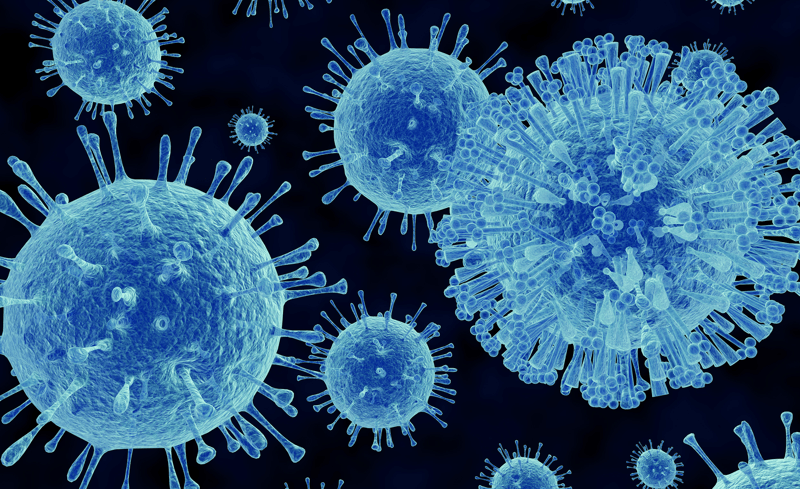
Credit: health.clevelandclinic.org
Factors Influencing Germ Survival
Germs do not survive the same time on all cloth types. Several factors affect how long they live. These factors control the risk of infection from contaminated fabrics.
Understanding these factors helps in better cleaning and handling of cloth items.
Type Of Fabric
Different fabrics hold germs differently. Natural fibers like cotton absorb moisture and may keep germs longer. Synthetic fabrics like polyester dry faster, reducing germ survival time. The weave and thickness also matter. Tightly woven fabrics trap fewer germs on the surface.
Environmental Conditions
Temperature and humidity affect germ survival on cloth. Warm and moist environments help germs stay alive longer. Dry, hot conditions make germs die faster. Sunlight, especially UV rays, can kill many germs quickly. Airflow can also help dry the fabric, lowering germ survival.
Type Of Germ
Different germs behave differently on cloth. Bacteria can survive from hours to days depending on the species. Viruses vary widely; some last a few hours, others several days. Fungi tend to survive longer in damp cloth. Germ structure, like whether they have a protective outer layer, influences survival time.
Common Germs Found On Clothes
Clothes are more than just fabric; they can harbor a surprising variety of germs. These microorganisms cling to your clothing throughout the day, especially if you’re in crowded places or touching different surfaces. Understanding the types of germs on your clothes helps you make smarter choices about washing and handling them.
Bacteria
Bacteria are among the most common germs found on clothes. They thrive in warm, damp environments like sweaty gym clothes or damp towels. Some bacteria, such as Staphylococcus aureus, can cause skin infections if they enter through cuts or scrapes.
Have you ever noticed that your workout shirt smells even after one wash? That odor often comes from bacteria breaking down sweat. Washing clothes properly can stop these bacteria from multiplying and reduce health risks.
Viruses
Viruses can survive on fabric for varying lengths of time, depending on the type. For example, the flu virus can live on clothes for up to 24 hours, while some cold viruses last only a few hours. These tiny invaders are tricky because they need a living host to multiply but can still transfer from your clothes to your hands or face.
Think about how often you touch your jacket or scarf during the day. Could those items be silently spreading germs? Keeping your clothes clean is a simple step to cut down on virus transmission.
Fungi
Fungi like mold and yeast can also inhabit your clothes, especially if they stay damp for too long. Damp socks or workout gear left in a bag overnight create perfect conditions for fungal growth. This can lead to unpleasant smells and sometimes skin irritations like athlete’s foot.
Do you air out your clothes before putting them away? Letting your clothes dry completely can prevent fungal growth and keep your wardrobe fresh and safe.
Impact Of Washing And Drying
The way you wash and dry your clothes plays a big role in how long germs can survive on fabric. Cleaning isn’t just about making clothes look fresh; it’s also about removing harmful bacteria and viruses that cling to fibers. Understanding the impact of washing and drying can help you keep your garments safer for everyday use.
Effectiveness Of Detergents
Not all detergents work the same when it comes to killing germs. Some contain antibacterial agents that target microbes more effectively, while others focus mainly on dirt and stains.
Choosing a detergent with proven antimicrobial properties can reduce germs significantly. You might want to check product labels or opt for detergents designed specifically for hygiene.
Have you noticed how certain detergents leave your clothes feeling cleaner than others? That feeling often comes from their ability to break down oils and germs better.
Temperature Considerations
Temperature of the water is a key factor in killing germs on cloth. Hot water, usually above 140°F (60°C), is more effective at eliminating bacteria and viruses than cold water.
However, not all fabrics can handle high heat without damage. You need to balance between killing germs and preserving your clothes.
Drying your clothes thoroughly is just as important. Using a hot dryer cycle or sun-drying can help remove remaining moisture and reduce microbial survival. Have you tried drying your clothes outside on a sunny day? It’s a natural way to keep germs at bay.
Role Of Disinfectants And Sanitizers
Disinfectants and sanitizers play a vital role in reducing germs on cloth surfaces. They help kill bacteria, viruses, and fungi that can survive for hours or days. Using the right product ensures your fabric is safer to touch and wear.
Choosing an effective disinfectant or sanitizer depends on the type of germs and the fabric material. Some products work faster or better on certain germs. Others might be gentle on delicate cloth without causing damage.
How Disinfectants Kill Germs On Cloth
Disinfectants destroy germs by breaking down their cell walls or disrupting their proteins. This stops germs from growing or spreading. Most disinfectants need a certain time to work well on cloth surfaces.
Types Of Disinfectants Suitable For Fabric
- Alcohol-based solutions (at least 70% alcohol) are fast and effective.
- Quaternary ammonium compounds (quats) provide longer-lasting protection.
- Hydrogen peroxide breaks down germs without harsh chemicals.
- Chlorine bleach is strong but may damage some fabrics.
Using Sanitizers Safely On Cloth
Always test disinfectants on a small fabric area first. Follow product instructions for dilution and contact time. Avoid mixing different products, as this can cause harmful reactions.
Washing cloth with soap and water before disinfecting improves germ removal. Drying fabric thoroughly also helps prevent germ survival.
Credit: www.lysol.com
Preventing Germ Spread Through Clothing
Clothing can hold onto germs longer than you might think, turning everyday fabrics into hidden carriers. Preventing germ spread through clothing is essential not only for your health but also for those around you. Simple, smart habits can make a big difference in stopping germs from hitching a ride on your clothes.
Proper Laundry Practices
Washing clothes at the right temperature helps kill most germs. Use hot water if the fabric allows, especially for towels, bed linens, and workout gear.
Adding a disinfectant laundry additive or a small amount of bleach can boost germ-killing power. Avoid overloading the washing machine so water and detergent reach all fabric areas evenly.
Dry clothes completely in a dryer or under the sun. Moisture left in fabric creates a perfect environment for germs to survive and multiply.
Storage And Handling Tips
Keep dirty clothes in a well-ventilated hamper to prevent germs from thriving. Avoid piling up laundry for days, as germs can multiply in damp, warm environments.
When handling soiled clothes, use gloves or wash your hands immediately afterward. This stops germs from transferring to your skin or other surfaces.
Store clean clothes in a dry, clean area away from contaminated items. Sealing seasonal clothes in plastic bags or containers can protect them from dust and germs.
Myths And Misconceptions
Many people have strong opinions about how long germs survive on cloth, but not all of these beliefs are accurate. Misunderstandings can lead to either unnecessary worry or careless habits. Let’s clear up some common myths so you can handle your fabrics more safely and confidently.
Germs Die Immediately On Fabric
It’s a common belief that germs vanish as soon as they land on cloth. This isn’t true. Some bacteria and viruses can survive on fabric for hours or even days, depending on the type of germ and the fabric material.
Think about your gym clothes after a workout; they can still harbor bacteria long after you’ve changed. So, assuming germs die instantly might make you overlook the importance of regular washing.
Sunlight Kills All Germs On Clothes
Many rely on sunlight to disinfect their clothes, assuming UV rays eliminate all germs. While sunlight does reduce some germs, it doesn’t guarantee complete sterilization.
If your clothes are only air-dried in the sun without washing, some germs may survive. This is why washing with detergent is essential before drying outside.
Washing With Cold Water Is Enough
Some people think cold water washing removes germs effectively. Cold water can clean visible dirt but doesn’t kill many germs as well as warm or hot water.
Adding a good detergent and using warmer water when possible improves germ removal. If you’re washing cloth that might be contaminated, consider a higher temperature setting.
Fabric Type Doesn’t Affect Germ Survival
You might not realize that different fabrics hold germs differently. Smooth, synthetic fabrics may allow germs to survive longer than natural fibers like cotton.
Knowing which fabrics harbor germs more can help you decide how often to wash them. For example, synthetic workout clothes may need more frequent washing than cotton shirts.
Only Visible Dirt Carries Germs
It’s easy to think that if your clothes look clean, they’re germ-free. Germs are invisible and can live on even spotless fabrics.
Have you ever touched a clean-looking jacket and then rubbed your eyes or mouth? Germs can transfer easily, so don’t rely on appearance alone to judge cleanliness.

Credit: www.army.mil
Frequently Asked Questions
How Long Do Germs Survive On Fabric Surfaces?
Germs can survive on cloth for a few hours to several days. Survival depends on the germ type and fabric conditions like moisture and temperature.
Which Germs Live Longest On Clothing Materials?
Bacteria like Staphylococcus and viruses such as influenza can survive longest on cloth. Their lifespan varies from hours to days based on fabric type.
Does Washing Remove All Germs From Clothes?
Proper washing with detergent and hot water removes most germs. Adding disinfectants improves germ elimination, ensuring clothes are safer to wear.
Can Germs Transfer From Cloth To Skin Easily?
Yes, germs can transfer from contaminated cloth to skin through direct contact. This can lead to infections if proper hygiene is not maintained.
Conclusion
Germs can live on cloth for hours or even days. The type of germ and cloth affects survival time. Washing clothes often helps reduce germs quickly. Drying clothes in sunlight also kills many germs. Clean clothes lower the chance of spreading illness.
Stay aware of germs on fabrics you touch daily. Simple habits keep you and others safer. Remember, clean cloth means less risk of germs. Small actions make a big difference in health.


