
Have you ever wondered if German cockroaches can survive cold weather? If you’re dealing with these pesky insects, knowing how they react to colder temperatures can help you protect your home better.
You might think freezing weather would get rid of them, but the truth might surprise you. Keep reading to discover what really happens to German cockroaches when the temperature drops—and what that means for your home’s safety.
German Cockroaches: An Overview
German cockroaches are among the most common household pests worldwide. Understanding their behavior and characteristics helps you manage and prevent infestations effectively. Before diving into their survival in cold weather, it’s crucial to get a clear picture of what makes these insects so resilient.
Physical Characteristics Of German Cockroaches
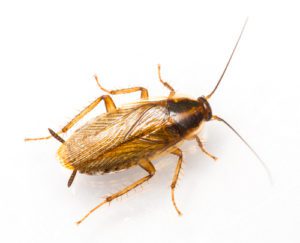
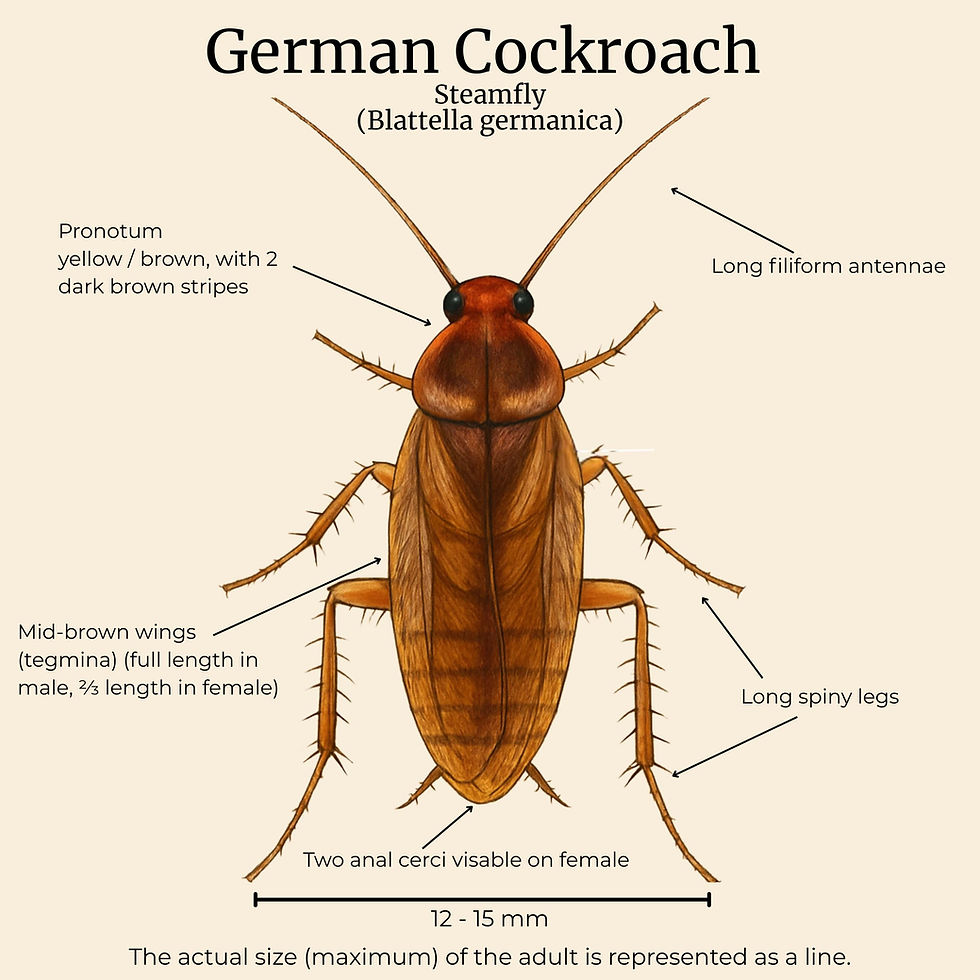
German cockroaches are small, usually about 1.1 to 1.6 cm long. They have a light brown or tan color with two dark stripes running parallel on their backs. Their size and color help them hide easily in cracks and crevices around your home.
Habitat And Behavior
These cockroaches prefer warm, humid environments. You’ll often find them near kitchens, bathrooms, and other places with easy access to food and water. They are nocturnal, which means they mostly come out at night, making them harder to spot.
Reproduction And Growth
German cockroaches reproduce rapidly. A single female can produce hundreds of offspring in a year. This fast growth rate means even a small infestation can quickly become a big problem if not addressed.
Why German Cockroaches Are Hard To Control
- They hide in tiny cracks where insecticides might not reach.
- They develop resistance to many common pesticides.
- Their quick reproduction cycle outpaces many control efforts.
Knowing these facts, you might wonder: can these hardy pests survive cold weather, or does winter slow them down? Understanding their resilience is key to protecting your home year-round.
Credit: www.brodybrotherspestcontrol.com
Adaptations To Environment
German cockroaches have unique ways to survive in different environments. Their adaptations help them live through cold weather. These changes happen in their bodies and how they act. Understanding these traits shows why they are hard to get rid of. They adjust quickly to harsh conditions.
Physical Characteristics
German cockroaches have small, flat bodies. This shape helps them hide in tight spaces. Their light brown color blends with indoor environments. They have a waxy coating on their skin. This coating stops moisture loss in cold, dry air. Their antennae sense temperature changes. This helps them find warmer spots to stay safe. Their small size also reduces energy needs.
Behavioral Adaptations
These cockroaches change their habits to survive cold. They seek warm places like kitchens and pipes. They hide in cracks and crevices for protection. They reduce movement to save energy during cold spells. They gather in groups to share body heat. Their breeding slows down but does not stop. This allows populations to recover quickly when warmth returns.
Impact Of Cold Weather
Cold weather can have a significant impact on German cockroaches, but understanding exactly how these pests respond to low temperatures helps you manage infestations more effectively. While you might expect harsh winter conditions to wipe them out, these resilient insects have surprising ways to cope. Knowing what temperature they can tolerate and their survival strategies can help you stay one step ahead.
Temperature Tolerance
German cockroaches struggle when temperatures drop below 50°F (10°C). Their activity slows, and they become less likely to reproduce. Yet, they rarely die just because it’s cold outside.
Inside your home, temperatures usually stay warm enough for them to survive and thrive. Even brief exposure to temperatures below freezing can be fatal, but these pests avoid that by hiding in warm areas.
Survival Strategies
German cockroaches use clever tactics to survive cold spells. They seek out warm, humid places like kitchens, bathrooms, and heating vents. This behavior keeps them protected from freezing temperatures.
They also reduce their activity and metabolism to conserve energy during cold periods. This slowdown helps them endure until conditions improve.
Have you ever noticed cockroaches disappearing during a cold snap only to come back stronger? This is because their survival strategies help them wait out the cold rather than perish. Understanding this can guide you in sealing entry points and reducing indoor warmth that shelters them.
Credit: www.pgmpestcontrol.co.uk
Indoor Vs Outdoor Survival
German cockroaches face very different conditions indoors and outdoors during cold weather. Their survival depends largely on where they live. Indoor environments often provide warmth and food. Outdoor spaces expose them to harsh cold and predators. Understanding these differences helps explain their survival chances in winter.
Indoor Habitats
Indoors, German cockroaches find warmth from heating systems. They hide in cracks, behind appliances, and inside cabinets. These places stay warm even in winter. Food crumbs and moisture inside homes help them survive. The steady temperature makes indoor survival easy for them.
Indoor areas also protect them from predators and extreme weather. Cockroaches reproduce faster indoors due to stable conditions. They can stay active all year. This makes indoor infestations hard to control during cold months.
Challenges Outdoors
Outdoors, cold weather is a major threat to German cockroaches. They cannot tolerate freezing temperatures for long. Lack of warmth slows their metabolism and reproduction. Snow and ice reduce their hiding spots and food sources.
Predators like birds and spiders are more active outside. Cockroaches face higher risks of being eaten. Rain and wind also make survival harder. Most outdoor cockroaches die off or seek shelter indoors as temperatures drop.
Factors Affecting Survival
German cockroaches are surprisingly tough, but their survival in cold weather depends on several key factors. Understanding these can help you manage their presence better, especially as temperatures drop. Let’s look closely at what influences their ability to endure harsh conditions.
Availability Of Food
Food is crucial for German cockroaches to maintain energy and survive cold spells. Without access to food, their chances of lasting through cold periods drop sharply.
If you leave crumbs or spills around your kitchen, you are essentially providing a winter buffet for these pests. Think about how often you clean up; even small amounts of food can sustain them.
Ask yourself: Are there hidden food sources in your home that you might be overlooking? Cockroaches can survive on tiny scraps, so vigilance is key.
Shelter And Warmth
German cockroaches seek warm, protected places when temperatures fall. They hide in cracks, behind appliances, and inside cabinets to escape the cold.
Your home’s warmth becomes a lifeline for them. If your heating is inconsistent or you have gaps in insulation, these insects may find cozy spots to survive.
Consider how you can reduce their shelter options. Sealing cracks and maintaining steady indoor temperatures can make your space less inviting for these unwelcome guests.
Credit: reconpestservices.com
Comparisons With Other Cockroach Species
Understanding how German cockroaches compare to other cockroach species in surviving cold weather can help you manage infestations better. Each species has unique traits that influence its ability to endure harsh conditions. Let’s look closely at what sets German cockroaches apart and how other species cope with the cold.
Unique Traits Of German Cockroaches
German cockroaches are known for thriving indoors rather than outdoors. They prefer warm, humid environments like kitchens and bathrooms, where they find shelter and food easily.
This preference means they rarely encounter freezing temperatures in nature. Their survival depends on staying inside heated buildings during cold months.
If temperatures drop too low indoors, German cockroaches struggle to survive. Unlike some other cockroach species, they do not have strong cold resistance mechanisms.
Survival Capabilities Of Other Species
Other cockroach species, such as the American and Oriental cockroaches, handle cold weather differently. These species often live outdoors or in basements and crawl spaces where temperatures can fluctuate.
American cockroaches can tolerate cooler environments by burrowing into soil or decaying matter, which offers insulation against the cold. Oriental cockroaches also survive by finding moist, sheltered spots that protect them from freezing.
Some species enter a dormant state, slowing their metabolism to survive winter. This ability is something German cockroaches lack, which limits their survival in cold climates.
Have you noticed that pest problems often spike after winter in certain areas? This pattern reflects how different species endure cold and then become active again. Understanding these behaviors can help you anticipate and prevent infestations more effectively.
Preventive Measures
Preventive measures are vital to keep German cockroaches out during cold weather. These pests seek warmth inside homes, making it important to block their entry. Taking simple steps can help protect your living space and reduce the risk of infestation.
Home Protection Tips
- Seal cracks and gaps around doors and windows.
- Fix leaks and reduce moisture in kitchens and bathrooms.
- Keep food sealed and store it in airtight containers.
- Clean up crumbs and spills immediately.
- Remove clutter where cockroaches can hide.
- Use weather stripping to close gaps under doors.
Professional Pest Control
Professional pest control offers expert help to prevent infestations. They use safe and effective treatments tailored for your home. Regular inspections can catch early signs of cockroach activity. Pest control experts also advise on long-term prevention strategies. This service ensures your home stays protected, especially during cold months.
Frequently Asked Questions
Can German Cockroaches Survive Cold Outdoor Temperatures?
German cockroaches cannot survive extreme cold outdoors. They seek warm indoor environments to stay alive. Cold weather slows their activity but rarely kills them indoors.
How Do German Cockroaches Adapt To Cold Weather?
They hide in warm places like kitchens and heating systems. This behavior helps them avoid cold temperatures and survive winter months.
Do German Cockroaches Die In Freezing Temperatures?
Freezing temperatures outdoors generally kill German cockroaches. However, they rarely stay outside long enough to freeze due to their preference for warm habitats.
Can Cold Weather Reduce German Cockroach Infestations?
Cold weather alone does not effectively reduce infestations indoors. Cockroaches find warm spots inside, so control methods are still necessary despite cold conditions.
Conclusion
German cockroaches rarely survive in cold weather outdoors. They prefer warm, indoor places to live and breed. Cold temperatures slow their activity and can kill them over time. Inside homes, they stay safe from the cold and keep growing. This makes controlling them tricky during winter.
Understanding their habits helps in managing infestations better. Keep your home clean and dry to reduce hiding spots. Seal cracks and fix leaks to block their entry. Cold weather alone won’t stop German cockroaches inside buildings. Stay alert and take action to keep them away.

