
Have you ever wondered if your kitten can handle chilly weather? When temperatures drop, you might worry about your furry friend’s safety and comfort.
Cold weather can be tough on kittens, but knowing how they cope and what you can do makes all the difference. You’ll discover essential facts about kittens and cold weather, plus simple tips to keep your little companion warm and healthy.
Keep reading to make sure your kitten stays safe and happy, no matter how cold it gets outside.
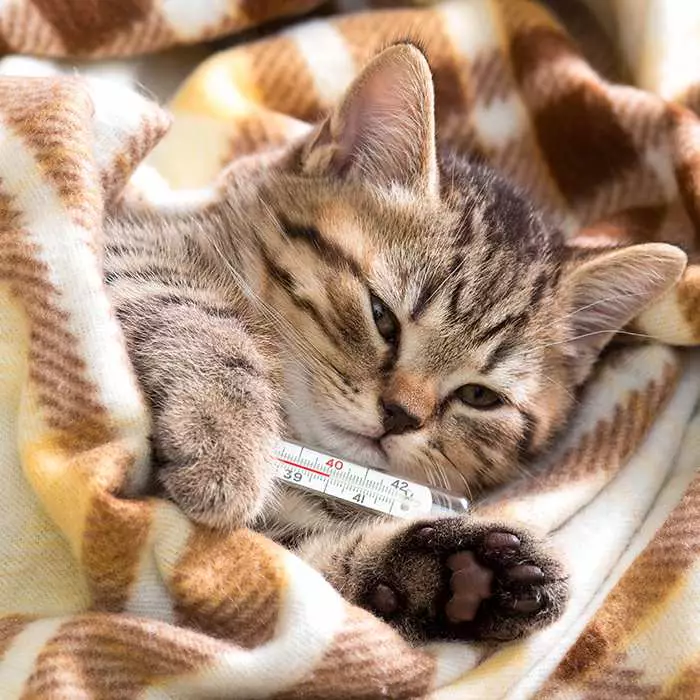
Credit: bowwowinsurance.com.au
Kitten Vulnerability To Cold
Kittens are much more sensitive to cold than adult cats. Their small bodies cannot hold heat well. They need extra care during cold weather to stay safe and warm.
Newborn kittens cannot regulate their body temperature. They rely on their mother and surroundings to keep warm. Without enough warmth, they risk serious health problems.
Limited Fur And Fat Protection
Kittens have thinner fur than adult cats. Their fur does not yet provide enough insulation. They also lack body fat that helps trap heat.
Immature Body Systems
Their organs and systems are still developing. This includes the parts that control temperature. They cannot shiver strongly to generate heat.
High Energy Needs
Kittens burn energy quickly to grow and stay healthy. Cold weather makes them use even more energy. Without enough food, their bodies cannot keep warm.
Risk Of Hypothermia
Hypothermia happens when body temperature drops too low. Kittens are at high risk because of their size and weakness. Signs include lethargy, weakness, and slow breathing.
Dependence On External Heat Sources
Kittens depend on warm bedding or their mother for heat. If these are missing, they can get cold fast. Providing a warm, safe space is crucial for their survival.
Signs Of Cold Stress In Kittens
Kittens are very sensitive to cold weather. They cannot keep their body warm like adult cats. Recognizing signs of cold stress is very important to protect them. Early signs help act quickly before serious problems develop.
Watch for changes in behavior and body condition. Cold stress affects their energy, breathing, and skin. Knowing these signs helps you keep kittens safe and healthy in cold weather.
Shivering And Trembling
Shivering is one of the first signs of cold stress. Kittens may tremble or shake to try to warm up. If you see this, the kitten is too cold and needs warmth immediately.
Cold Ears, Paws, And Tail
Check the kitten’s ears, paws, and tail for coldness. These parts get cold fastest. If they feel icy or very cold, the kitten is losing body heat and needs help.
Lethargy And Weakness
Kittens with cold stress often become very tired. They may move slowly or refuse to play. Weakness shows their body is struggling to stay warm.
Slow Or Shallow Breathing
Cold stress can make a kitten’s breathing slow or shallow. Watch for unusual breathing patterns. This signals the kitten’s body is under stress.
Blue Or Pale Gums
Look inside the kitten’s mouth. Blue or pale gums mean poor blood flow and low oxygen. This is a serious cold stress sign and needs urgent care.
Hunched Posture And Curling Up
Kittens try to save heat by curling into a tight ball. They may also hunch their backs. This posture shows they feel cold and uncomfortable.
Loss Of Appetite
Cold-stressed kittens often eat less or refuse food. Lack of appetite means their body is focused on survival, not growth.
Creating A Warm Environment
Keeping kittens warm during cold weather is vital for their health. They cannot regulate their body temperature well. Creating a cozy space helps them stay safe and comfortable. This space should block wind, rain, and cold. It must also be dry and clean. A warm environment lowers the risk of illness and stress for kittens.
Indoor Shelter Options
Indoor shelters offer the best protection from cold weather. A small room or closet can work well. Use soft blankets or towels for bedding. Heating pads made for pets keep the area warm. Make sure the heat source is safe and covered. Provide fresh water and food nearby. Keep the space quiet and free from drafts.
Outdoor Shelter Solutions
Outdoor shelters need extra care to protect kittens from harsh weather. Use a sturdy box or pet house with insulation. Line it with straw or blankets to keep warmth inside. Elevate the shelter off the ground to avoid moisture. Cover the entrance with a flap or curtain to block wind. Place the shelter in a sheltered spot, away from direct wind or rain. Check the shelter daily to ensure it stays dry and warm.
Proper Nutrition For Warmth
Keeping your kitten warm in cold weather isn’t just about cozy blankets and shelter—it starts with what you feed them. Proper nutrition plays a key role in helping kittens maintain their body heat and energy levels during chilly days. Let’s look at how you can support your kitten’s warmth through the right diet and hydration.
Caloric Needs In Cold Weather
Kittens burn more calories to stay warm when it’s cold outside. Their bodies work harder to maintain a stable temperature, which means they need extra energy. You might notice your kitten eating more or being more active—this is a sign they need more fuel.
Consider increasing the amount of food or offering higher-calorie options. Foods rich in proteins and fats provide the energy kittens need to generate heat. Always choose quality kitten food that supports growth and energy demands.
Have you observed your kitten’s appetite changing with the seasons? Adjusting their meals can make a big difference in how comfortably they handle the cold.
Hydration Considerations
Hydration is often overlooked but just as important in cold weather. Even when it’s chilly, kittens still need plenty of water to stay healthy and help regulate their body temperature. Dehydration can make them more vulnerable to cold stress.
Warm water bowls or adding moisture-rich wet food can encourage your kitten to drink more. Watch out for signs of dehydration like lethargy or dry gums, especially if your kitten spends time outside.
Could you make it easier for your kitten to drink by placing water bowls in warmer areas of your home? Small changes like this can keep them hydrated and warm.
Clothing And Accessories
Kittens are delicate creatures, especially when facing cold weather. Clothing and accessories can help keep them warm, but choosing the right items is crucial. Let’s look at how to pick suitable apparel and what safety concerns you should keep in mind to protect your furry friend.
Choosing The Right Apparel
Not all kitten clothes are created equal. Look for soft, breathable fabrics like cotton or fleece that won’t irritate your kitten’s skin.
Size matters. Clothes should fit snugly but not be too tight, allowing your kitten to move freely without restriction.
Think about practicality. Clothes that are easy to put on and take off will save you and your kitten a lot of stress.
- Consider sweaters or vests designed specifically for small pets.
- Booties can protect paws from cold surfaces but only if your kitten tolerates them.
- Hoods and hats might look cute but can cause discomfort or block vision.
Have you noticed your kitten’s reaction to different fabrics? Their comfort should always guide your choices.
Safety Concerns With Clothing
Clothing can trap heat, but it can also cause overheating if not monitored carefully. Watch your kitten closely during the first few wears.
Small parts like buttons, zippers, or loose threads can become choking hazards. Always inspect the garment thoroughly before use.
Restrictive clothing can interfere with natural movements or grooming habits. If your kitten tries to bite or scratch the outfit repeatedly, it’s a sign to remove it.
- Never leave your kitten unattended while wearing clothes.
- Check frequently for signs of irritation or stress.
- Make sure the clothing doesn’t cover the kitten’s face or impair breathing.
Could a simple scarf or blanket sometimes be a safer, cozier alternative? Observe your kitten’s behavior and decide what works best for their comfort and safety.
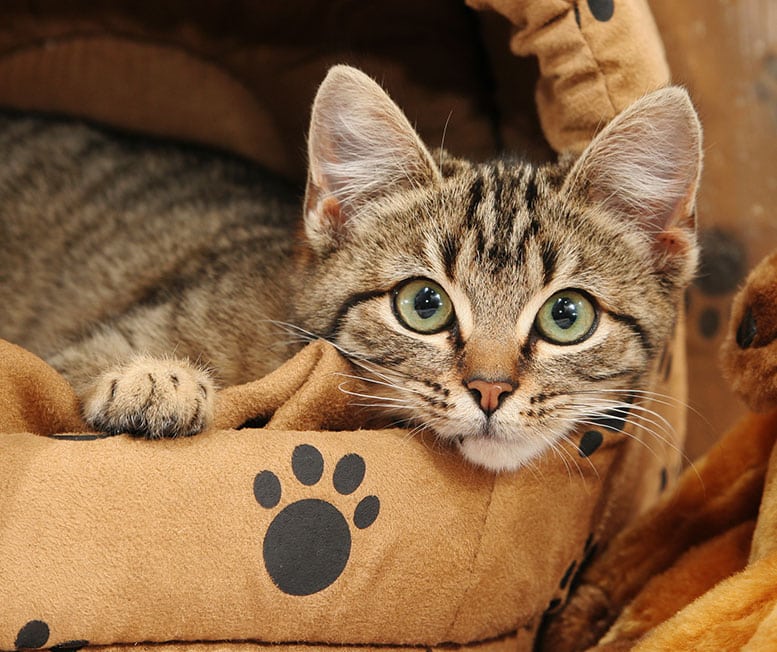
Credit: www.rspcansw.org.au
Monitoring Health And Behavior
Monitoring a kitten’s health and behavior is key during cold weather. Kittens are more sensitive to cold than adult cats. Their small size and thin fur make them prone to illness. Careful observation helps catch problems early. Early action can prevent serious health issues and improve survival chances.
Recognizing Illness Symptoms
Watch for signs that may show a kitten is sick. Common symptoms include:
- Shivering or trembling
- Labored or rapid breathing
- Loss of appetite
- Weakness or lethargy
- Vomiting or diarrhea
- Runny nose or eyes
- Coughing or sneezing
- Cold ears or paws
These symptoms often mean the kitten’s body is fighting illness or cold stress. Immediate care is necessary to help recovery.
Behavioral Changes To Watch
Changes in behavior often signal health problems. Notice if a kitten:
- Hides more than usual
- Is less active or playful
- Shows signs of discomfort when touched
- Has trouble moving or walking
- Cries or meows loudly and frequently
- Spends excessive time sleeping
These changes can indicate pain, cold stress, or illness. Early detection helps provide the right support.
Emergency Measures For Hypothermia
Hypothermia in kittens happens when their body temperature drops too low. This condition is serious and can become life-threatening quickly. Knowing how to act fast helps protect kittens from severe harm. Emergency measures can stabilize their condition before professional help arrives.
Immediate Actions To Take
Move the kitten to a warm and dry place immediately. Avoid cold floors and drafts. Gently wrap the kitten in a soft blanket or towel. Use a heating pad set on low or warm water bottle wrapped in cloth. Do not apply heat directly to the skin to prevent burns. Offer warm, but not hot, fluids if the kitten is awake and alert. Monitor the kitten’s breathing and heart rate closely. Keep the kitten calm to reduce stress and energy use.
When To Seek Veterinary Help
Seek veterinary care if the kitten’s condition does not improve quickly. Signs include shivering, weakness, slow breathing, or unresponsiveness. A vet can provide oxygen, fluids, and medicines. They may use special warming equipment for safe rewarming. Early professional treatment reduces risks of serious complications. Always call your vet immediately if hypothermia is suspected.
Preventive Measures For Cold Weather
Kittens are sensitive to cold weather and need extra care. Taking preventive steps helps keep them safe and warm. These measures reduce health risks and improve their comfort during chilly days.
Routine Health Checks
Regular vet visits help catch health problems early. Check your kitten’s weight and coat condition often. Look for signs of illness like sneezing or lethargy. Healthy kittens handle cold better. Keep their environment clean and dry to avoid infections. Monitor their behavior for changes in appetite or activity. Early detection of issues prevents serious cold-related problems.
Vaccination Importance
Vaccines protect kittens from diseases that worsen in cold weather. Common illnesses like feline herpes and calicivirus spread quickly when temperatures drop. Vaccination builds immunity and lowers infection risks. Follow your vet’s recommended schedule strictly. Vaccinated kittens recover faster if they get sick. Protect your kitten with timely shots for a strong defense.
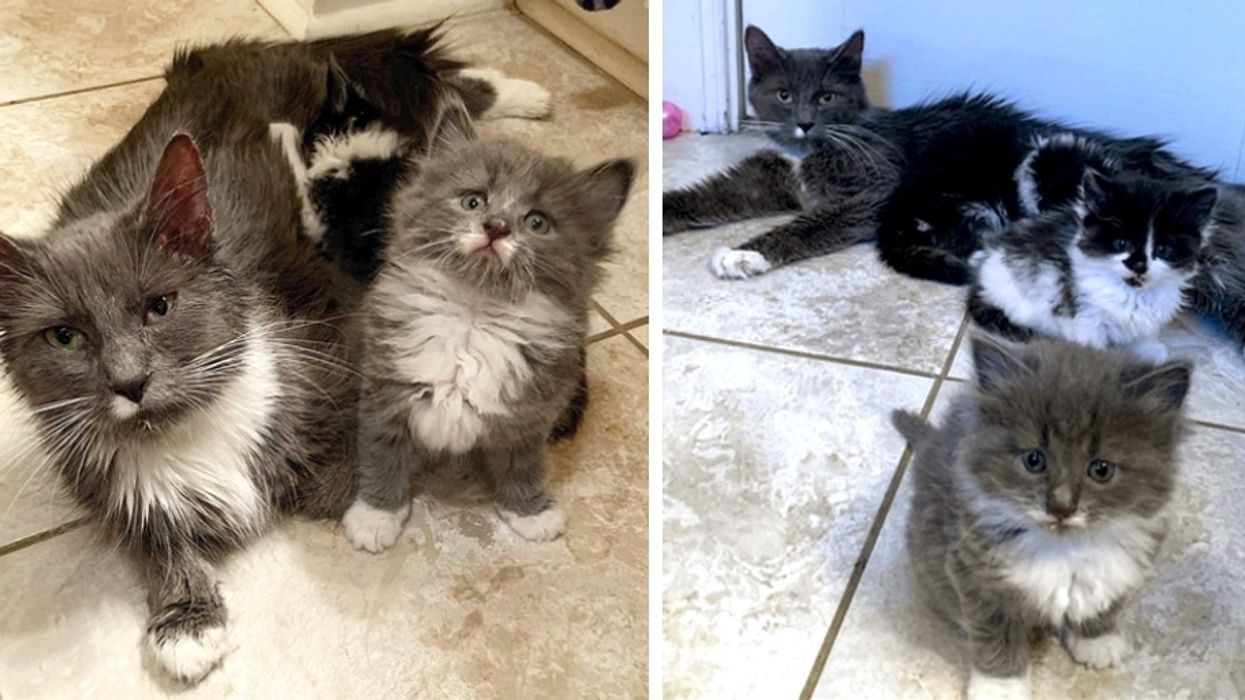
Credit: www.lovemeow.com
Frequently Asked Questions
Can Kittens Survive In Cold Weather Naturally?
Kittens struggle to survive in cold weather without proper warmth. Their small size and thin fur make them vulnerable to hypothermia and illness. Providing shelter, warmth, and extra care is essential to help them survive during cold conditions.
How To Keep Kittens Warm In Cold Weather?
Use heated blankets, warm bedding, and indoor shelters to keep kittens cozy. Avoid direct heat sources that can cause burns. Regularly check their body temperature and provide extra food to help maintain energy levels during cold weather.
What Are Signs Of Cold Stress In Kittens?
Signs include shivering, lethargy, pale gums, and cold ears or paws. Kittens may also refuse to eat or become weak. Immediate warming and veterinary care are crucial to prevent serious health issues or death.
Can Outdoor Kittens Survive Winter Without Help?
Outdoor kittens rarely survive winter without human intervention. Exposure to cold, wet conditions, and predators is dangerous. Providing insulated shelters and regular food increases their survival chances significantly.
Conclusion
Kittens are very sensitive to cold weather. They need warm places to stay safe and healthy. Without warmth, they can get sick quickly. Providing cozy bedding and shelter helps them survive cold days. Feeding them nutritious food supports their energy and warmth.
Watching for signs of cold stress keeps kittens protected. Caring for kittens in cold weather shows love and responsibility. Keep them warm, dry, and loved. That’s the best way to help kittens live well in cold weather.

