Have you ever wondered how long the coronavirus can survive on your clothes? You touch your jacket, your shirt, or your favorite jeans every day, but do you really know if those fabrics could be carrying the virus?
Understanding how long COVID-19 stays on your clothes can help you protect yourself and your loved ones better. Keep reading, because what you learn here might change the way you handle your laundry and stay safe every day.
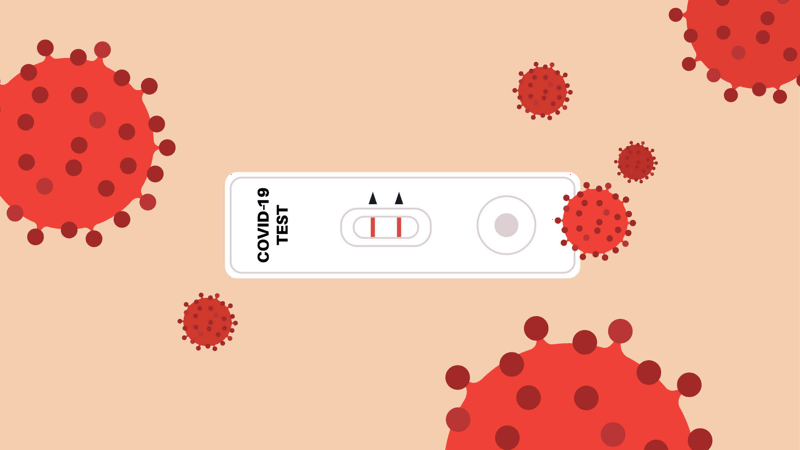
Credit: health.clevelandclinic.org
Virus Lifespan On Fabrics
Understanding the virus lifespan on fabrics is essential for safe handling of clothes. The coronavirus can survive on different fabrics for varying periods. This depends on several conditions and fabric types. Knowing these details helps reduce the risk of virus transmission through clothes.
Factors Affecting Virus Survival
- Temperature: Higher temperatures reduce virus lifespan.
- Humidity: Dry conditions help the virus survive longer.
- Exposure to sunlight: UV rays can deactivate the virus quickly.
- Fabric moisture: Wet fabrics may protect the virus more than dry ones.
- Virus concentration: Higher virus amounts last longer on surfaces.
Types Of Fabrics And Their Impact
| Fabric Type | Virus Survival Time | Reason |
|---|---|---|
| Cotton | Up to 1 day | Absorbs moisture, reducing virus survival |
| Polyester | 2 to 3 days | Non-absorbent surface allows longer survival |
| Wool | Less than 1 day | Natural fibers trap moisture and heat |
| Silk | Less than 1 day | Smooth surface and low moisture retention |

Credit: www.nebraskamed.com
Transmission Through Clothing
Understanding how coronavirus transmits through clothing is essential in managing your daily safety. Clothes can carry the virus, but the chance of catching COVID-19 from them is generally low compared to other surfaces. Still, knowing the risks helps you take smart precautions without unnecessary worry.
Risk Of Infection From Clothes
The virus can survive on fabric for several hours to days, depending on the material and environmental conditions. However, infection risk from clothes is lower because the virus doesn’t multiply on fabrics like it does in the human body.
Touching contaminated clothes and then touching your face could potentially lead to infection, but this requires several steps to happen perfectly. Washing your hands after handling clothes reduces this risk significantly.
Common Scenarios Of Transmission
Think about crowded places where people are close together, like public transport or gyms. If someone nearby coughs or sneezes, droplets may land on your clothes, potentially carrying the virus.
Another scenario is handling laundry from a sick family member. The virus might transfer to your hands if you touch contaminated fabric and then touch your eyes, nose, or mouth without washing your hands first.
- Wearing clothes for extended periods without washing in high-risk areas
- Sharing clothes or towels with others who may be infected
- Touching your face after adjusting your mask or clothes
Have you ever noticed how often you touch your face or adjust your clothes unknowingly? Being aware of these habits can help you reduce the chance of virus transmission through clothing.
Safe Handling Of Clothes
Handling clothes safely during the pandemic is more important than ever. Since the coronavirus can survive on fabrics for varying periods, your laundry routine plays a key role in reducing any risk of transmission. Simple changes in how you manage your clothes can make a big difference in keeping you and your family safe.
Best Practices For Laundry
Wash your clothes regularly, especially those worn outside or during social activities. Use the warmest water setting that is safe for the fabric to help kill the virus effectively.
Separate clothes that may be contaminated from the rest of your laundry. Avoid shaking dirty laundry to minimize the spread of virus particles in the air.
Wear gloves when handling heavily soiled clothes and wash your hands immediately after removing them. Dry clothes completely, as the virus is less likely to survive on dry surfaces.
Guidelines For Disinfection
Adding disinfectants like bleach can boost the cleaning power of your laundry. Make sure to follow the product instructions carefully to avoid damage to fabrics.
For items that cannot be washed easily, consider using a steam iron or placing them in direct sunlight for several hours. Both heat and UV light can reduce the virus on fabric surfaces.
Think about your routine: could you set up a dedicated laundry basket for used clothes? This simple step limits cross-contamination and keeps potentially infectious items contained.
Scientific Studies And Findings
Understanding how long the coronavirus survives on clothes is essential for keeping yourself and others safe. Scientific studies offer valuable insights into how the virus interacts with different fabrics and what that means for everyday life. Let’s look at the latest research and expert advice to help you handle your clothes more confidently during these times.
Research On Fabric And Virus Interaction
Studies show that the coronavirus can survive on various fabrics for different lengths of time, depending on the material and environmental conditions. For example, the virus tends to last longer on synthetic fabrics like polyester compared to natural fibers such as cotton.
One study found that the virus could remain active on cloth surfaces for up to 2 days under certain conditions. However, factors like humidity, temperature, and fabric weave can significantly reduce this time.
This means that your cotton t-shirt might pose less risk than a polyester jacket if both are exposed to the virus. Have you ever wondered why some clothes feel safer to wear after you’ve been outside? This could be the reason.
Experts’ Opinions And Recommendations
Health experts recommend washing clothes regularly, especially after you’ve been in public places or around others. Using hot water and detergent can effectively remove or kill the virus on your garments.
Experts also suggest avoiding shaking dirty clothes to prevent spreading viral particles into the air. Instead, place them gently into the washing machine and wash promptly.
Many agree that drying clothes on high heat or in direct sunlight can further reduce virus survival. Have you tried hanging your clothes outside to dry on a sunny day? It’s a simple step that adds an extra layer of safety.
- Wash clothes after each use, especially if exposed to crowded areas.
- Use the warmest water safe for the fabric.
- Dry clothes thoroughly, preferably in sunlight or a dryer.
- Handle dirty clothes carefully to avoid spreading the virus.
Practical Tips For Everyday Safety
Understanding how long coronavirus survives on clothes helps keep you safe. Practical steps reduce the risk of spreading the virus through fabric. Small habits make a big difference in daily safety.
Advice For Public Settings
- Wear clothes that are easy to wash and dry quickly.
- Avoid touching your face after touching public surfaces.
- Carry a spare mask and change it if it gets damp.
- Keep your outerwear separate from indoor clothes when you get home.
- Use hand sanitizer after touching public transport handles or doors.
Personal Hygiene And Clothing Care
- Wash clothes with hot water to kill viruses effectively.
- Use regular detergent and dry clothes completely in the sun or dryer.
- Change clothes after being in crowded places or public transport.
- Wash your hands immediately after handling worn clothes.
- Avoid shaking dirty laundry to prevent spreading virus particles.
Credit: www.una.ca
Frequently Asked Questions
How Long Does Coronavirus Survive On Clothes?
Coronavirus can survive on clothes from a few hours up to 2 days. Survival depends on fabric type and environmental conditions. Porous fabrics like cotton reduce virus lifespan faster than synthetic materials. Proper washing with detergent effectively removes or kills the virus on clothing.
Can Washing Clothes Kill The Coronavirus?
Yes, washing clothes with regular detergent and warm water kills the coronavirus. Detergents break down the virus’s lipid envelope, rendering it inactive. Use the warmest water safe for the fabric and dry clothes thoroughly for best results.
Is Coronavirus Transmission Through Clothes Common?
Transmission through clothes is considered low risk. The virus does not survive long on porous fabrics. Proper hygiene practices like washing hands after handling clothes reduce any risk further. Avoid touching your face until hands are clean.
Should I Disinfect Clothes After Exposure To Covid-19?
Disinfecting clothes is unnecessary if washed properly. Regular laundering with detergent and warm water removes the virus effectively. For extra caution, use a hot dryer cycle or iron clothes after washing.
Conclusion
Corona virus can stay on clothes for a few hours up to days. It depends on fabric type and environment. Washing clothes with soap and warm water kills the virus well. Drying clothes thoroughly also helps stop germs. Avoid touching your face after handling worn clothes.
Clean hands often to reduce risk. Staying careful keeps you and others safe. Understanding virus survival helps you take smart steps daily. Stay informed and keep your clothes clean. Simple actions make a big difference in staying healthy.


