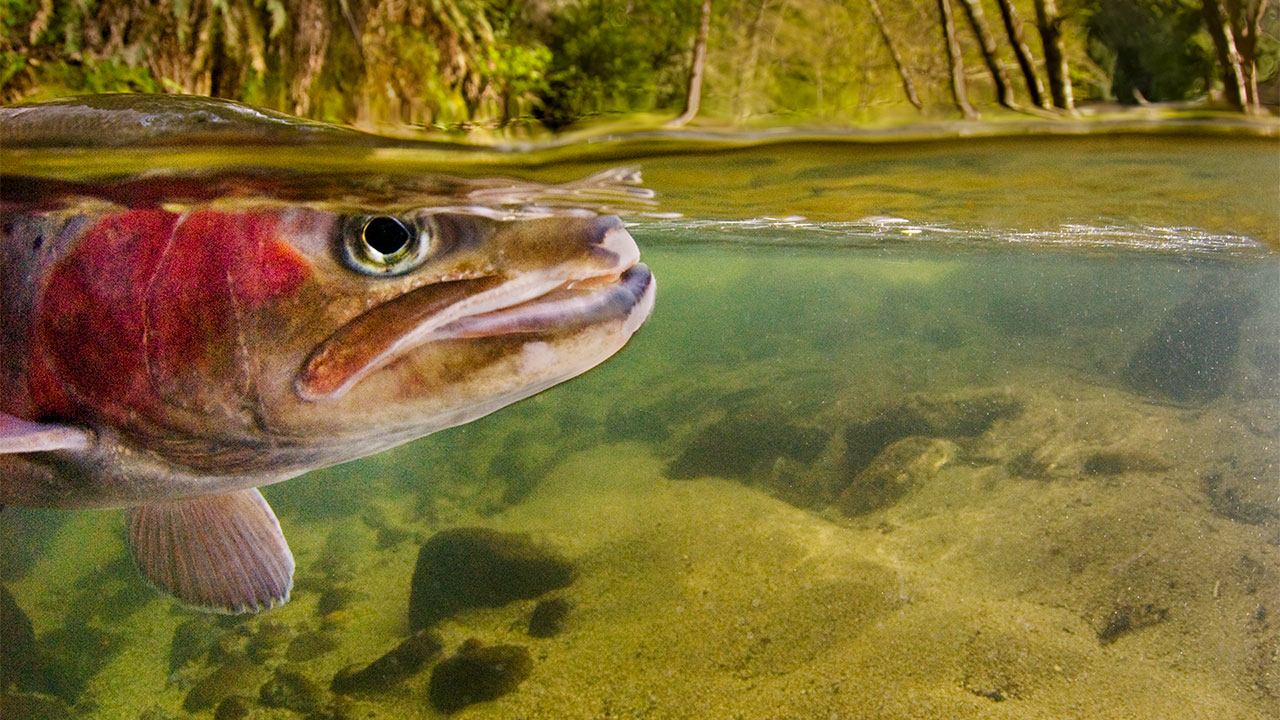
Have you ever wondered how long a trout can live once it’s taken out of water? If you’re someone who enjoys fishing or simply cares about these beautiful fish, this question might have crossed your mind.
Knowing how long trout can survive out of water isn’t just interesting—it’s important for keeping them safe and healthy. You’ll discover the surprising facts about trout survival, what affects their time out of water, and how you can help ensure they stay alive if you catch one.
Keep reading to learn what every trout lover needs to know!
Trout’s Breathing Mechanism
Trout rely on a special breathing system to live underwater. Their survival depends on how well they can get oxygen from water. Understanding their breathing helps explain how long they last out of water.
How Trout Extract Oxygen
Trout breathe by pulling water through their mouths. Water flows over their gills, thin tissues full of blood vessels. Oxygen in water moves into the blood through these gills. At the same time, carbon dioxide leaves the blood and goes into the water.
This process is very efficient underwater. Trout need water to keep their gills wet and working. The gills must stay moist to allow oxygen to pass through easily.
Limitations Outside Water
Out of water, trout face big problems. Their gills start to dry quickly. Dry gills cannot absorb oxygen well. The blood vessels collapse without water, stopping oxygen flow.
Trout cannot breathe air like humans. They do not have lungs. Without water, their oxygen supply runs out fast. This limits the time they can survive out of water to just a few minutes.
Survival Time Limits
Understanding how long trout can survive out of water is crucial, especially if you handle these fish during fishing trips or scientific studies. Survival time limits vary and depend on several conditions that affect the fish’s ability to breathe and maintain moisture. Knowing these limits helps protect the fish’s health and improves your chances of safely releasing them back into their environment.
Typical Out-of-water Duration
Trout generally can survive out of water for about 5 to 15 minutes under normal conditions. This short window is due to their gills needing water to extract oxygen. If you’ve ever held a trout during fishing, you might notice it starts to struggle quickly, showing signs of stress.
Some species, like rainbow trout, are more tolerant and may last slightly longer, up to 20 minutes in cool, humid conditions. But pushing this limit can cause permanent damage or death. The key is to minimize air exposure whenever possible.
Factors Affecting Survival Time
- Temperature:Cooler air temperatures slow down metabolism and water evaporation from gills, extending survival time.
- Humidity:High humidity keeps the trout’s skin moist, helping it breathe longer outside water.
- Handling:Rough or prolonged handling stresses the fish, reducing its survival chances.
- Size and Species:Larger trout with more body mass may survive slightly longer, but species differences matter significantly.
Have you ever wondered why some trout seem to revive quickly after a brief air exposure while others don’t? It often comes down to these factors combined. Next time you catch a trout, try to keep it wet and limit your handling time to give it the best chance to survive.
Environmental Influences
Trout’s survival outside water depends heavily on environmental factors. These conditions can either extend or shorten their time out of water, directly influencing their ability to breathe and stay alive. Understanding these influences helps you handle trout more responsibly and improve your fishing or conservation efforts.
Temperature Effects
Temperature plays a crucial role in how long a trout can survive out of water. Cooler air temperatures slow down the fish’s metabolism, reducing oxygen demand and helping them last longer.
On a hot day, you might notice trout struggling quickly after being caught. Heat speeds up metabolism and evaporates moisture from their skin, causing rapid stress and damage.
Have you ever tried holding a fish on a warm summer afternoon? Their survival time drops dramatically compared to a chilly morning. This shows why quick, gentle handling in the shade is vital to keep trout alive longer.
Humidity And Moisture Role
Humidity and moisture in the air also affect trout survival outside water. High humidity slows down the drying of their skin and gills, which helps maintain their ability to absorb oxygen.
In dry or windy conditions, trout lose moisture fast, which harms their delicate respiratory tissues. This makes it harder for them to breathe and shortens their survival time.
When fishing in dry weather, try to keep trout moist by lightly spraying water on them or covering them with a damp cloth. This simple step can make a big difference in their chances of survival.

Credit: moonshinerods.com
Behavioral Adaptations
Trout have developed smart behaviors to survive out of water for a limited time. These behavioral adaptations help them cope with dry conditions and low oxygen. Understanding these behaviors reveals how trout manage stress and increase survival chances.
Movement To Moist Areas
Trout instinctively seek damp places when out of water. They may move toward wet rocks, shaded spots, or nearby puddles. Staying near moisture helps keep their skin wet, which is vital for breathing through their skin. This movement reduces dehydration and extends their survival time.
Reduced Metabolic Rate
Trout lower their metabolic rate to save energy when out of water. Slower metabolism means less oxygen is needed for survival. This adaptation allows trout to survive longer without breathing through gills. It also helps them endure stressful conditions until they return to water.
Scientific Studies And Findings
Scientific studies reveal how trout survive out of water under different conditions. Researchers observe trout behavior and physiology to understand their limits. These findings help anglers and conservationists handle trout safely.
Laboratory Experiments
Scientists test trout survival by placing them out of water in controlled settings. They measure survival time, breathing rate, and stress signs. Trout can survive a few minutes without water but show stress quickly.
Experiments show that temperature affects survival time. Cooler air helps trout survive longer. Some studies note trout can use skin breathing slightly to get oxygen outside water.
Field Observations
Researchers watch trout in natural habitats during low water or drought. Trout often hide in moist areas or under rocks to stay wet. These conditions help them survive longer outside water.
Field studies confirm trout usually survive only a few minutes exposed to dry air. Survival depends on humidity, temperature, and trout size. Larger trout tend to survive slightly longer.

Credit: fishingbooker.com
Implications For Anglers
Understanding how long trout can survive out of water is crucial for anglers who want to ensure the fish’s health and promote sustainable fishing. Trout are sensitive creatures, and the time they spend out of water directly affects their chances of survival after release. Your actions can make a big difference in whether a trout swims away strong or suffers lasting harm.
Handling Practices To Increase Survival
Handle trout with wet hands or a damp cloth to protect their delicate slime coating. This coating helps prevent infections and is vital for their health.
Keep the trout in the water as much as possible. If you must remove it, limit air exposure to under 30 seconds. Even a minute can cause stress and reduce survival chances.
Use barbless hooks or circle hooks to minimize injury. Removing hooks quickly and gently reduces damage and bleeding.
Support the trout’s body fully when holding it. Avoid squeezing or holding it by the gills, which can cause serious injury.
Catch And Release Tips
Plan your release spot before you catch the trout. Choose calm, oxygen-rich water where the fish can recover comfortably.
Revive the trout by holding it gently in the water, facing upstream. Let water flow through its gills until it swims away on its own.
Use quick photography if you want a picture. Keep the fish close to water and minimize handling time to avoid stress.
Think about your impact: Are you prepared to release the trout safely, or will your catch become a casualty? Your choices affect the future of trout populations.
Trout Conservation Concerns
Trout face significant challenges that threaten their survival beyond just being out of water. Conservation concerns are growing as their natural habitats continue to change and degrade. Understanding these challenges can help you appreciate the urgent need to protect trout populations for future generations.
Impact Of Habitat Loss
Trout rely on cool, clean streams and rivers with plenty of oxygen to thrive. When these habitats are lost or altered—due to pollution, deforestation, or urban development—trout populations suffer dramatically.
For example, sediment from construction sites can cloud water, reducing oxygen levels and making it harder for trout to breathe. I’ve seen streams I used to fish in become nearly lifeless after nearby logging removed all the shade, causing water temperatures to rise dangerously high.
Have you noticed how changes in land use around waterways affect local fish species? Protecting these habitats means thinking about more than just the water—you need to consider the whole ecosystem.
Protecting Trout Populations
You can play a role in protecting trout by supporting efforts that restore and preserve their habitats. This includes advocating for riparian buffer zones—areas of vegetation alongside streams that help keep water cool and clean.
Catch-and-release fishing is another practical step. Handling trout gently and minimizing their time out of water significantly improves their chances of survival. I’ve practiced this myself and seen trout swim away strong every time.
Consider joining local conservation groups or participating in stream clean-up events. Small actions add up and make a real difference in the health of trout populations near you.

Credit: www.gameandfishmag.com
Frequently Asked Questions
How Long Can Trout Live Without Water?
Trout can survive out of water for about 10 minutes. This varies depending on environmental conditions and the trout’s health. It’s crucial to minimize the time they spend out of water to ensure their survival.
What Affects Trout’s Survival Out Of Water?
Several factors affect trout’s survival, including temperature, humidity, and handling. Cooler temperatures and high humidity can prolong their survival. Proper handling minimizes stress and potential injury, improving their chances of survival.
Can Trout Survive If Released Quickly?
Yes, trout can survive if quickly released back into water. Immediate release reduces stress and prevents damage to their skin and organs. Always handle them gently and ensure they remain wet to increase their survival chances.
Why Is Water Essential For Trout?
Water is crucial for trout as it provides oxygen and supports their bodily functions. In water, they can regulate temperature and maintain buoyancy. Without water, their gills dry out, leading to suffocation.
Conclusion
Trout need water to breathe and survive. Out of water, they can live only a few minutes to a couple of hours. The exact time depends on temperature and moisture. Keeping trout wet helps them last longer outside water. Always handle trout gently and return them quickly to water.
This helps protect their health and the environment. Understanding how long trout survive out of water keeps fishing safe and fun. Care for nature. Respect the fish.


