Have you ever wondered when allergies to foods actually begin? If you or someone you care about has experienced sudden reactions after eating, you’re not alone.
Understanding when food allergies emerge can help you spot the signs early and take control of your health. You’ll discover the key moments when these allergies typically appear and what triggers them. Keep reading to learn how to protect yourself and your loved ones from unexpected allergic reactions.
Common Food Allergens
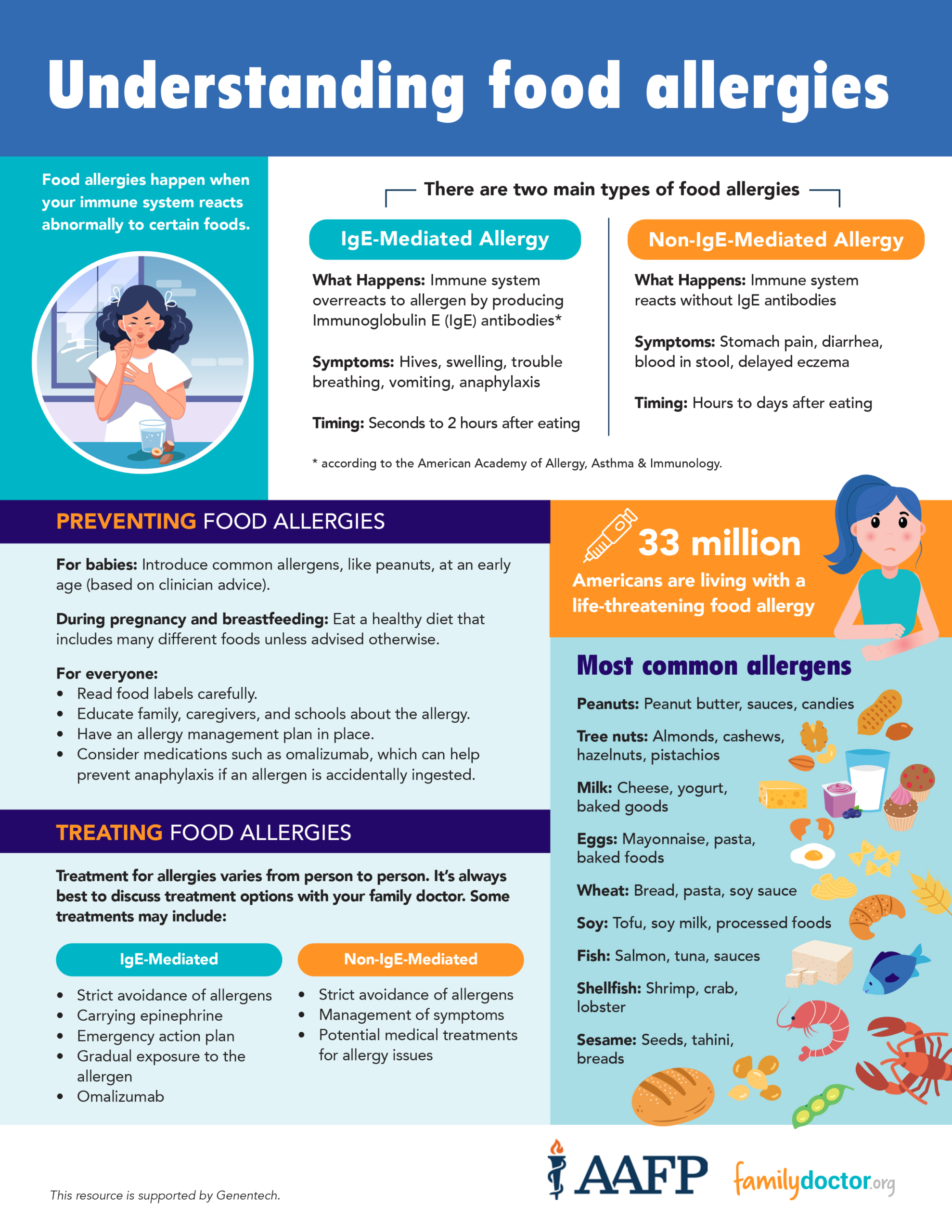
Food allergies arise when the immune system reacts to certain proteins in food. These reactions can cause symptoms ranging from mild to severe. Knowing which foods commonly cause allergies helps people stay safe and avoid triggers. Some foods are more likely to cause allergic reactions than others.
Top Allergenic Foods
- Peanuts
- Tree nuts (almonds, walnuts, cashews)
- Milk
- Eggs
- Fish
- Shellfish (shrimp, crab, lobster)
- Wheat
- Soy
These foods cause most allergic reactions worldwide. They contain proteins that can trigger the immune system. Many children show allergies to milk, eggs, or peanuts early in life. Some allergies, like to shellfish and nuts, often last into adulthood.
Hidden Sources Of Allergens
Allergens do not always appear obvious in foods. Sometimes they hide in sauces, dressings, or processed snacks. Food labels may list ingredients like “natural flavors” or “spices” without specifics.
Common hidden sources include:
- Peanut oil in salad dressings
- Milk powder in baked goods
- Soy lecithin in chocolate or candy
- Fish sauce in Asian cuisine
- Egg in mayonnaise or pasta
Always check ingredient lists carefully. Cross-contamination can also introduce allergens during food preparation. Being aware of hidden allergens helps manage food allergies better.

Credit: foodallergycanada.ca
Age Factors In Allergy Onset
Age plays a significant role in when food allergies appear. Your body’s immune system changes over time, which affects how it reacts to certain foods. Understanding these age-related patterns can help you spot allergies early and manage them better.
Infant And Toddler Reactions
Food allergies often start showing up in infancy or toddlerhood. Common triggers include milk, eggs, peanuts, and soy. You might notice symptoms like rashes, vomiting, or even breathing difficulties shortly after introducing these foods.
Parents often feel overwhelmed when their child suddenly reacts to a new food. Watching your child closely during the first few feedings can make a huge difference. Early detection helps you avoid serious reactions and work with your doctor on safe eating plans.
Allergies Developing In Adults
It’s less common but entirely possible to develop food allergies as an adult. Sometimes, people tolerate a food for years before suddenly reacting to it. Stress, illness, or changes in your immune system might trigger this shift.
Have you ever eaten a food you loved for years and then had an allergic reaction? This change can be confusing and scary. If you experience new symptoms like hives, swelling, or stomach pain after eating, it’s important to get tested promptly.
Early Warning Signs
Recognizing early warning signs of food allergies can make a huge difference in how quickly you respond and manage the reaction. These signs often show up soon after eating the allergen, and knowing what to look for can help protect your health. Have you ever noticed unusual symptoms after a meal but weren’t sure if they were related to food?
Skin Reactions
One of the most visible early signs of a food allergy is a skin reaction. You might see redness, hives, or itchy bumps appear suddenly. These reactions often happen around the mouth, face, or other parts of the body.
If you notice your skin breaking out in rashes or swelling shortly after eating, it’s a clear signal to pay attention. Sometimes, these skin changes can be the first clue that your body is reacting badly to something you ate.
Digestive Symptoms
Food allergies can also trigger digestive issues, which might feel like stomach pain, nausea, or even vomiting. Some people experience diarrhea or cramps within minutes or hours after eating the allergen. These symptoms can be confusing since they overlap with other digestive problems.
Think about your last meal—did you feel discomfort that wasn’t there before? Tracking these symptoms can help you and your doctor identify potential food allergies faster.
Respiratory Issues
Breathing difficulties are a more serious early sign of a food allergy. You might notice wheezing, coughing, or a tight feeling in your chest. Nasal congestion or a runny nose can also occur, making it harder to breathe comfortably.
These symptoms require immediate attention, especially if they worsen quickly. Have you ever felt your throat tighten or struggled to breathe after eating something new? Those moments could be warning signs you shouldn’t ignore.

Credit: www.mdpi.com
Timeline Of Allergy Development
Understanding the timeline of allergy development helps you recognize symptoms and seek timely care. Food allergies don’t always appear right away; they can emerge at various stages of life. Knowing when and how these reactions manifest can guide you in managing your or your child’s health better.
Immediate Vs Delayed Reactions
Immediate allergic reactions typically happen within minutes to a couple of hours after eating the allergen. These reactions are often dramatic—like hives, swelling, or even anaphylaxis—which demand quick medical attention.
Delayed reactions, on the other hand, can take several hours or even days to show up. These might include digestive issues, skin rashes, or chronic fatigue that you might not immediately link to food.
Have you noticed symptoms that appear long after eating certain foods? This could be a delayed allergy reaction, often overlooked but equally important to identify.
Chronic Allergy Patterns
Some allergies develop gradually and cause persistent symptoms over weeks or months. Unlike sudden reactions, these chronic patterns might feel like ongoing discomfort rather than acute episodes.
For example, repeated exposure to a mild allergen might cause continual eczema flare-ups or recurring stomach pain. Tracking these patterns can help you and your doctor pinpoint hidden food allergies.
Pay attention to symptoms that come and go or worsen over time. Could a food allergy be the underlying cause of your persistent health issues?
Risk Factors Influencing Allergy Emergence
Understanding the risk factors influencing the emergence of food allergies can help you better anticipate and manage potential allergic reactions. These factors often interact in complex ways, shaping how and when allergies appear. Recognizing these influences can guide you in making informed decisions about diet and environment for yourself or your loved ones.
Genetic Predisposition
Your family history plays a significant role in the likelihood of developing food allergies. If one or both parents have allergies, your chances increase considerably. This genetic link doesn’t guarantee an allergy but raises the risk, so staying alert to early symptoms is crucial.
Think about a friend whose child suddenly developed a peanut allergy, despite no prior family history. This shows that while genetics matter, they aren’t the sole factor. Still, knowing your family’s allergy background helps you stay prepared and consult healthcare providers proactively.
Environmental Influences
Where and how you live can affect the timing and severity of food allergies. Exposure to allergens early in life, hygiene levels, and even pollution can all play a part. For example, children growing up in urban areas with higher pollution may experience different allergy patterns than those in rural settings.
Have you noticed how some kids develop allergies after starting daycare or school? This is often due to new exposures to allergens and changing immune responses. Adjusting your environment, like monitoring diet introduction and reducing allergen exposure, might help delay or reduce allergy symptoms.

Credit: familydoctor.org
Diagnosing Food Allergies
Diagnosing food allergies involves careful observation and medical tests. Identifying the allergen is crucial for managing symptoms and avoiding reactions. Doctors use different approaches to pinpoint food allergies accurately. Understanding these methods helps in finding the right treatment and prevention plan.
Allergy Testing Methods
Several tests can detect food allergies. Skin prick tests expose the skin to small amounts of allergens. A reaction shows if the immune system responds to the food. Blood tests measure specific antibodies linked to allergies. Sometimes, doctors recommend an oral food challenge. This test involves eating small amounts of the suspected food under supervision. It confirms if the food causes a reaction.
Tracking Symptoms Over Time
Keeping a detailed food diary helps track symptoms. Note the food eaten, time, and any reactions. This record can reveal patterns between foods and symptoms. Share the diary with your doctor for better diagnosis. Observing symptoms over days or weeks gives a clearer picture. This approach supports accurate identification of the allergen.
Managing Food Allergies
Managing food allergies requires careful attention and clear strategies to keep safe. People with allergies must know how to avoid triggers and act fast in emergencies. Understanding these steps helps reduce risks and improves quality of life.
Avoidance Strategies
Avoiding allergenic foods is essential. Read food labels carefully every time. Cross-contamination can happen easily, so clean surfaces and utensils well. Inform restaurants or hosts about allergies before eating. Carry safe snacks to prevent accidental exposure. Educate family and friends about the allergy to ensure support.
Emergency Response Plans
Have an action plan ready for allergic reactions. Always carry prescribed medication like antihistamines or epinephrine auto-injectors. Know how to use emergency medicine properly. Teach caregivers and close contacts how to respond. Call emergency services immediately if symptoms worsen. Regularly review and update the plan with a doctor.
Frequently Asked Questions
What Age Do Food Allergies Typically Develop?
Food allergies can develop at any age. However, they are most common in children. Many allergies appear in infancy, with some children outgrowing them. Common allergens include milk, eggs, and peanuts. Adults can also develop new food allergies, even to foods they previously ate without issues.
Can Food Allergies Appear Suddenly?
Yes, food allergies can appear suddenly. Even if you’ve eaten a food before without problems, an allergy can develop later. Reactions can vary from mild to severe. It’s important to seek medical advice if you suspect a new allergy. Identifying and avoiding the allergen is crucial for safety.
How Are Food Allergies Diagnosed?
Food allergies are diagnosed through medical history and tests. Common methods include skin prick tests and blood tests. An allergist can help determine the specific food causing reactions. An oral food challenge might be conducted under medical supervision. Accurate diagnosis is essential for managing allergies effectively.
Do Food Allergies Run In Families?
Yes, food allergies can run in families. If parents have allergies, children are more likely to develop them. However, the specific allergen may differ among family members. Genetics play a role, but environmental factors also influence allergies. Understanding family history can help in early identification and management.
Conclusion
Food allergies can appear at any age, but often start in childhood. Symptoms may show up quickly after eating certain foods. Knowing the signs helps you act fast and stay safe. Talk to a doctor if you suspect a food allergy.
Early diagnosis and care can prevent serious problems. Stay informed and watch for changes in your body. Being aware makes living with food allergies easier and safer.


