Have you ever wondered how long a bass can survive out of water? Whether you’re fishing, handling a catch, or simply curious, knowing this can make a big difference.
Imagine holding a bass in your hands—how long do you think it can stay alive before it needs to be back in the water? Understanding this can help you protect the fish and improve your fishing experience. Keep reading to discover surprising facts that might change the way you handle bass forever.

Credit: www.si.com
Bass Survival Limits
Bass are freshwater fish known for their strength and agility in water. Their ability to survive outside water is limited and depends on several key factors. Understanding these limits helps anglers and enthusiasts handle bass safely during catch and release. Knowing how long bass can stay out of water reduces stress and improves survival chances.
Typical Time Out Of Water
Bass usually survive between 5 to 15 minutes out of water. Short periods cause less harm and allow safe release. Beyond 15 minutes, the risk of damage and death rises quickly. Fish breathe through gills, which need water to extract oxygen. Without water, bass begin to suffocate and weaken.
Factors Affecting Survival Time
- Temperature:Warmer air speeds up drying and oxygen loss.
- Humidity:Higher humidity slows gill drying and helps survival.
- Handling:Rough or prolonged handling stresses fish more.
- Size and Health:Bigger, healthier bass survive longer outside water.
- Water Quality:Fish from cleaner water handle stress better.

Credit: www.youtube.com
Physiological Adaptations
Bass are remarkable creatures with unique physiological adaptations that help them survive brief periods out of water. Understanding these adaptations sheds light on how they manage to breathe and retain moisture when they’re not submerged. These traits are crucial for anglers and biologists alike, revealing how bass endure stressful environments.
Respiration Outside Water
Bass primarily breathe through gills, which extract oxygen from water. Outside of water, their gills collapse, making it difficult to absorb oxygen efficiently. However, bass can survive short periods out of water by slowing their metabolism and using oxygen stored in their blood and muscle tissues.
This means their bodies enter a low-energy state to reduce oxygen demand. Have you noticed how bass seem sluggish when removed from water? That’s their survival mechanism kicking in, buying them time until they can be returned to their aquatic habitat.
Moisture Retention Mechanisms
Keeping their gills and skin moist is vital for bass survival outside water. Their slimy coating acts as a barrier, reducing water loss and protecting delicate tissues. This mucus layer is more than just slime; it’s a natural moisturizer and shield against drying out.
When you handle bass, wetting your hands before touching them helps maintain this protective layer. Without moisture, their chances of survival drop rapidly. Have you ever wondered why fish feel slippery? That slipperiness is a life-saving feature.
Environmental Influences
Bass survival outside water depends heavily on environmental factors. These conditions shape how long the fish can last before harm occurs. Small changes in surroundings greatly affect their breathing and body functions.
Understanding environmental influences helps anglers and biologists protect bass during handling. It also reveals how nature challenges fish in different habitats.
Temperature Effects
Temperature plays a crucial role in bass survival out of water. Warm air increases bass metabolism, causing faster oxygen use. This leads to quicker exhaustion and risk of death.
Cold temperatures slow down metabolism, allowing bass to survive longer without water. However, extreme cold can cause freezing damage. Ideal temperature ranges extend survival time.
Humidity Impact
Humidity affects moisture loss from bass skin and gills. High humidity reduces water evaporation, helping bass retain moisture. This slows dehydration and supports breathing.
Low humidity speeds up drying, damaging the fish’s skin and gill function. Bass lose vital water faster, cutting survival time drastically. Moist environments are safer for air exposure.
Common Misconceptions
Many people have strong beliefs about how long bass can survive out of water, but not all of these ideas are accurate. Misunderstandings about bass resilience often lead to poor handling practices that can harm the fish. Clearing up these misconceptions helps you protect bass better, whether you’re fishing or just curious.
Myths About Bass Resilience
One common myth is that bass can survive for hours out of water if kept wet. While moisture helps, bass actually need oxygen from water to breathe, and their survival time is limited to just a few minutes out of water.
Another false belief is that bass can easily “play dead” to survive longer without water. Bass do not have this ability; they become stressed and their organs start failing quickly when deprived of oxygen.
- Myth: Keeping bass wet on a wet towel means they’re safe indefinitely.
- Myth: Bass can survive long periods out of water if handled gently.
- Myth: Bass don’t need to be returned to water immediately if you want to take photos.
These myths can lead to improper handling and reduce the fish’s chance of survival after release.
Realistic Survival Scenarios
Bass typically survive about 3 to 5 minutes out of water under normal conditions. Your goal should be to minimize air exposure during catch and release.
In cooler temperatures, bass may survive slightly longer outside water because their metabolism slows down. However, warm weather drastically reduces this time, making quick handling critical.
Here’s what you can do to improve survival chances:
- Keep the bass in the water as much as possible while unhooking.
- If you must remove it, limit air exposure to under a minute.
- Use wet hands or gloves to handle the fish gently.
- Release the bass promptly and revive it in water if needed.
Have you ever timed how long you hold a bass out of water? It might be less than you think. Next time, challenge yourself to beat your record and help the fish stay alive longer.
Tips For Anglers
Handling bass carefully helps keep the fish healthy and alive longer. Anglers can protect bass by following simple steps. These steps reduce stress and injury to the fish. Proper care also improves the chances of a safe release back into the water.
Handling Bass Safely
Use wet hands or a wet cloth to hold bass. Dry hands can remove their protective slime. Avoid squeezing the fish too hard. Support the bass gently under the belly. Keep the fish’s mouth closed to protect its jaw. Do not touch the gills or eyes. These parts are very delicate. Use barbless hooks to reduce injury during release.
Minimizing Out-of-water Time
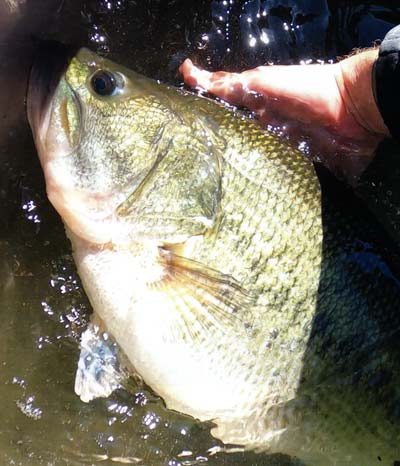
Limit the time bass spends out of water to less than one minute. Prepare tools like pliers and cameras before lifting the fish. Keep the fish close to the water surface during handling. Place bass on a wet surface if you must set it down. Avoid exposing the fish to direct sunlight. Quickly return the bass to the water to reduce stress. Revive the fish by gently moving it back and forth in the water to pass water over its gills.
Credit: www.bassresource.com
Frequently Asked Questions
How Long Can Bass Stay Out Of Water?
Bass can survive out of water for about 20 to 30 minutes. This duration varies based on environmental conditions. Factors like temperature and humidity can influence their survival time. It’s crucial to minimize their time out of water to avoid stress and ensure their well-being.
What Affects Bass Survival Outside Water?
Bass survival outside water is affected by temperature and humidity. High temperatures and low humidity can decrease survival time. Handling stress also plays a significant role. Keeping them cool and moist can extend their survival period. Always prioritize returning them to water quickly.
Can Bass Breathe Out Of Water?
Bass cannot breathe out of water. They rely on gills to extract oxygen from water. Without water, they can’t obtain oxygen, leading to potential suffocation. It’s important to limit their exposure to air. Ensure they are returned to water promptly to prevent harm.
Do Larger Bass Survive Longer Out Of Water?
Larger bass may survive slightly longer out of water due to their size. However, size alone doesn’t guarantee extended survival. Environmental conditions and stress levels are crucial factors. Regardless of size, all bass should be returned to water quickly to ensure their health and survival.
Conclusion
Bass can survive out of water for a short time only. Their gills need water to take in oxygen. Usually, bass live for about 30 minutes out of water. Keep them wet and cool to help them last longer. Prolonged exposure to air can harm or kill bass.
Always handle bass carefully to protect their health. Remember, quick release back into water is best. This helps bass stay healthy and strong. Respect fish and nature for a better fishing experience.


