Have you ever wondered what food you should keep for an emergency? When unexpected situations strike, having the right supplies can make all the difference.
You want to be prepared without overwhelming your space or your budget. This guide will help you choose the best foods that are easy to store, last a long time, and keep you energized when it matters most. Keep reading to discover how to build your emergency food supply with confidence and peace of mind.
Non-perishable Staples
Non-perishable staples are the backbone of any emergency food supply. These foods last a long time without refrigeration, making them reliable when fresh options are unavailable. Choosing the right staples can keep you nourished and confident during unexpected situations.
Canned Vegetables And Fruits
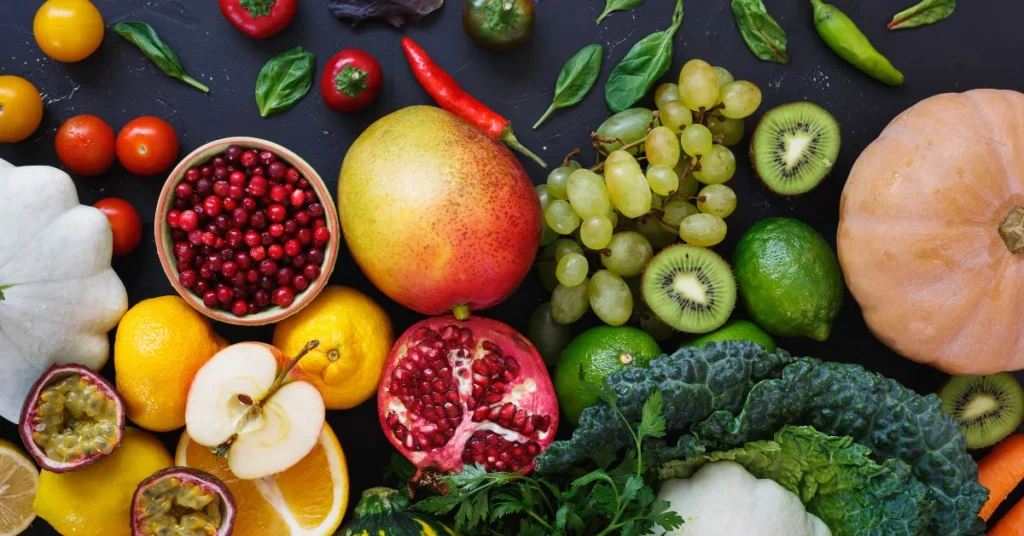
Canned vegetables and fruits offer essential vitamins and minerals even when fresh produce is out of reach. They are easy to store and usually have a shelf life of one to five years. Look for low-sodium or no-sugar-added versions to keep your meals healthier.
Have you ever tried canned pumpkin or diced tomatoes in your recipes? They add flavor and nutrition without needing preparation. Keeping a variety means you can create balanced meals, from stews to fruit salads, without relying on fresh ingredients.
Dry Grains And Legumes
Dry grains like rice, oats, and quinoa last for years when stored properly. Legumes such as beans, lentils, and chickpeas are packed with protein and fiber, making them a filling choice. Both are affordable and versatile, able to stretch your emergency food budget further.
Think about how many meals you can make with just rice and beans. These staples form the base of countless dishes worldwide. Storing them in airtight containers keeps pests out and maintains freshness, so you’re ready for any situation.
Powdered Milk And Dairy Alternatives
Powdered milk is a great source of calcium and protein, and it doesn’t require refrigeration. It’s convenient for cooking, baking, or drinking straight when reconstituted with water. If you prefer plant-based options, powdered almond or soy milk also store well and provide nutrients.
Do you have a favorite recipe that calls for milk? Powdered milk can keep those familiar flavors alive even during emergencies. Stocking a mix of dairy and dairy alternatives ensures you have options for everyone in your household.

Credit: www.youtube.com
High-energy Foods
High-energy foods are vital for emergencies. They provide lasting fuel for your body. These foods help maintain strength and focus. They store well and need little preparation.
Choose foods rich in healthy fats, proteins, and carbohydrates. These nutrients support energy and keep hunger at bay. Below are some excellent options to consider.
Nuts And Seeds
Nuts and seeds are compact energy sources. They contain healthy fats, protein, and fiber. These nutrients help keep you full longer. Examples include almonds, walnuts, sunflower seeds, and pumpkin seeds.
They have a long shelf life and require no cooking. Just grab and eat for quick energy. Keep them in airtight containers to stay fresh.
Energy Bars And Trail Mixes
Energy bars provide a balanced mix of carbs, fats, and protein. They are easy to carry and eat anywhere. Choose bars with natural ingredients and low sugar.
Trail mixes combine nuts, dried fruits, and sometimes chocolate. They offer a variety of flavors and textures. Trail mixes give a quick energy boost and satisfy hunger.
Peanut Butter And Nut Butters
Peanut butter and other nut butters are calorie-dense and nutritious. They contain healthy fats and protein for sustained energy. Spread on crackers, bread, or eat straight from the jar.
These butters store well if kept sealed and cool. They are versatile and filling, making them ideal for emergencies.
Ready-to-eat Options
Stocking up on ready-to-eat options is smart for emergencies. These foods require little preparation. They’re convenient and can last a long time. Here are some excellent choices to consider.
Canned Meats And Fish
Canned meats and fish are protein-packed and shelf-stable. They offer a quick source of nutrition. Options include tuna, chicken, and salmon. Look for cans with pull-tabs for easy access. Store them in a cool, dry place for longevity.
Instant Soups And Meals
Instant soups and meals are perfect for emergencies. They need minimal cooking. Often, just add hot water. Choices range from noodle soups to rice dishes. Consider options with a balance of protein and carbs. They’re easy to prepare and comforting in stressful times.
Dehydrated And Freeze-dried Foods
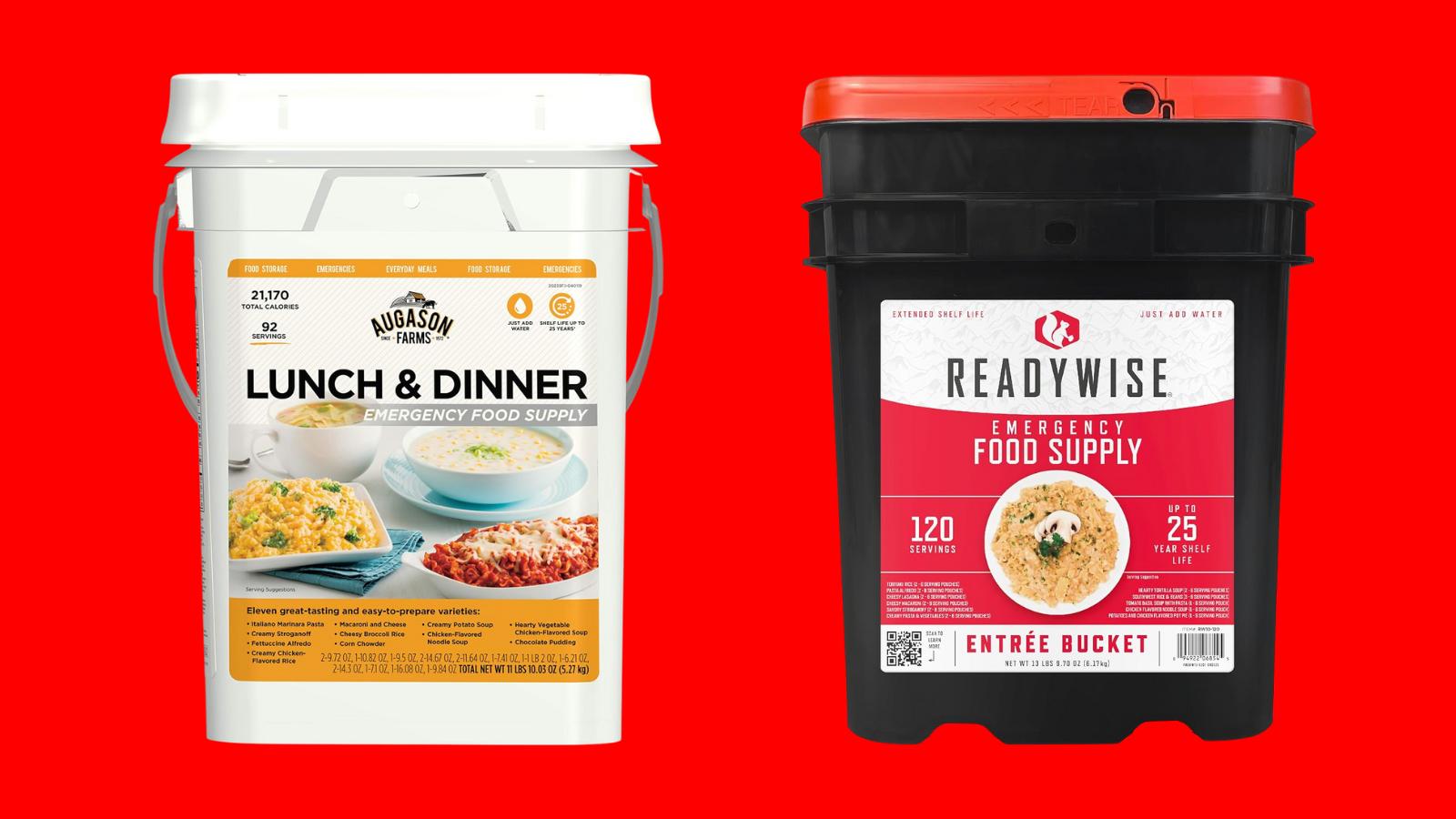
Dehydrated and freeze-dried foods are lightweight and long-lasting. They retain flavor and nutrients. Just add water to bring them to life. Popular options include fruits, vegetables, and full meals. They’re compact, making storage simple. Perfect for emergency kits.

Credit: www.youtube.com
Hydration Essentials
Hydration is the cornerstone of survival during any emergency. Without enough water, your body struggles to function, and your energy levels plummet quickly. Knowing what hydration essentials to keep can make a huge difference when regular water sources aren’t available.
Bottled Water Storage
Keeping a supply of bottled water is the most straightforward way to stay hydrated. Store at least one gallon per person per day for drinking and basic hygiene. Check expiration dates regularly, and rotate your stock to keep it fresh.
Consider using food-grade water storage containers for larger quantities. These can be refilled and sealed tightly to prevent contamination. Keep them in a cool, dark place to extend shelf life.
Water Purification Methods
What if your bottled water runs out? Having a way to purify water is crucial. Simple tools like water purification tablets, portable filters, or even boiling water can make unsafe water drinkable.
Test your purification methods before an emergency. Knowing how long to boil water or how many tablets to use can save you valuable time. Don’t rely solely on one method—having backup options is smart.
Electrolyte Replacement Drinks
Drinking plain water isn’t always enough, especially if you lose a lot of sweat or are sick. Electrolyte drinks help replace vital salts and minerals your body needs to maintain balance.
Look for powdered electrolyte mixes that are easy to store and prepare. Avoid sugary sports drinks that can sometimes dehydrate you further. Have these on hand to keep your energy and hydration levels steady.
Special Dietary Needs
Special dietary needs require careful planning for emergency food supplies. People with allergies, infants, or medical conditions must have safe and suitable options. Stocking the right foods ensures health and comfort during emergencies. Choosing the correct items avoids stress and health risks.
Gluten-free And Allergy-friendly Foods
Allergy-friendly foods protect from harmful reactions. Gluten-free options help those with celiac disease or gluten intolerance. Include:
- Gluten-free cereals and grains like rice and quinoa
- Nut-free and dairy-free snacks
- Packaged allergen-free meals and soups
Label foods clearly to avoid confusion. Keep separate containers for allergy-safe items.
Infant And Baby Food Supplies
Babies need special nutrition during emergencies. Stock enough formula, baby food jars, and snacks. Include:
- Infant formula suitable for your baby’s age
- Pureed fruits and vegetables in pouches or jars
- Rice cereal and teething biscuits
Check expiration dates often. Store food in a cool, dry place.
Foods For Medical Conditions
Medical conditions require specific diets. Plan for diabetes, heart disease, or kidney issues. Choose foods with:
- Low sodium and low sugar
- High protein and fiber
- Easy-to-digest options
Consult a healthcare provider to identify exact needs. Keep a list of medications and special foods.
Storage Tips And Rotation
Keeping food for emergencies is only part of the challenge; knowing how to store it properly and rotate your supplies is equally important. Poor storage can lead to spoilage, wasted money, and unsafe food. Smart storage and rotation ensure your emergency food is always fresh and ready when you need it most.
Proper Food Storage Techniques
Store your emergency food in cool, dry, and dark places. Heat and moisture speed up spoilage and reduce shelf life. Use airtight containers to protect food from pests and humidity.
Glass jars, heavy-duty plastic bins, and vacuum-sealed bags work well. Keep canned foods off the floor to prevent rust and damage. Think about using moisture absorbers like silica gel packets inside storage containers to keep things dry.
Shelf Life And Expiry Management
Knowing the shelf life of your emergency food helps you avoid surprises. Most canned goods last 1 to 5 years, but some staples like rice and honey can last much longer. Always check expiration dates and write the purchase or storage date on each item.
Use the “first in, first out” rule: consume older items before newer ones. Set reminders on your calendar to check your supplies every six months. This way, you catch expiring items early and replace them on time.
Organizing Your Emergency Pantry
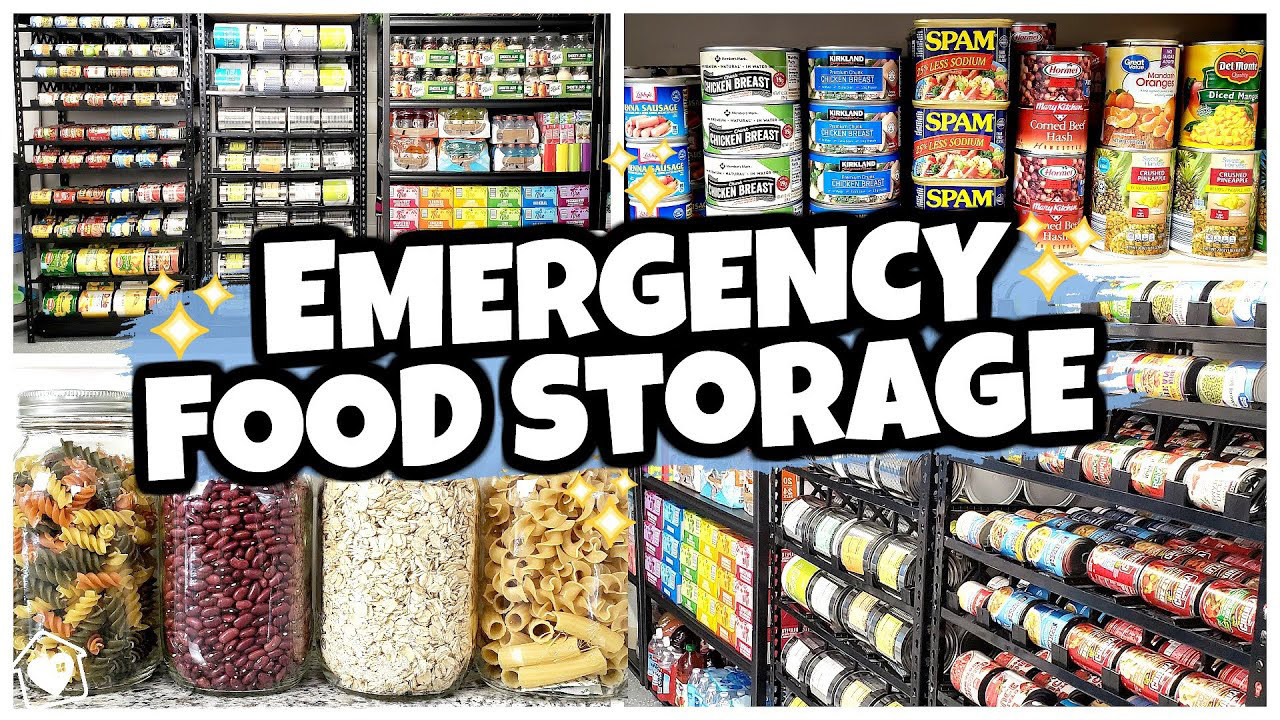
Organize your emergency pantry by food type and expiry date. Group grains, canned goods, freeze-dried items, and snacks separately. Label shelves clearly to find what you need quickly during an emergency.
Consider making an inventory list, either on paper or digitally, to track what you have and when it expires. This simple step saves time and stress. Have you ever opened your pantry only to find spoiled food you forgot about? Proper organization prevents this common problem.

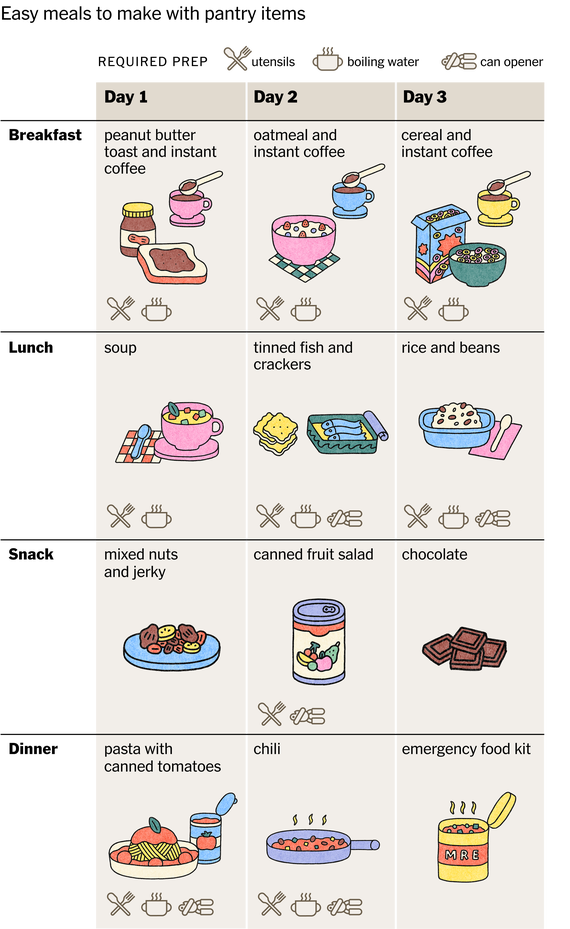
Credit: www.nytimes.com
Frequently Asked Questions
What Are The Best Non-perishable Emergency Foods?
Best non-perishable emergency foods include canned beans, rice, pasta, dried fruits, nuts, and powdered milk. These items last long and provide essential nutrients during emergencies.
How Much Emergency Food Should I Store Per Person?
Store at least a three-day supply of food per person for emergencies. Ideally, plan for two weeks to ensure safety during prolonged situations.
Which Foods Provide The Most Energy In Emergencies?
High-energy foods like nuts, peanut butter, granola bars, and dried fruits provide quick and lasting energy during emergencies. They are compact and easy to store.
Can I Store Fresh Foods For Emergencies?
Fresh foods spoil quickly, so focus on canned, dried, and freeze-dried options. However, root vegetables and hard fruits can last longer if stored properly.
Conclusion
Keeping the right food helps you stay safe during emergencies. Choose items that last long and need little cooking. Think about water, canned goods, and dry snacks. Store what you like and can eat easily. Check your supplies often to avoid spoilage.
Prepare now to feel ready and calm later. Simple steps can make a big difference. Start building your emergency food kit today. Stay safe and keep your family fed.