Are you worried about having enough food during tough times? You’re not alone.
The Emergency Food Assistance Program (EFAP) is here to help people like you get the food you need when life gets difficult. But what exactly is this program, and how can it benefit you and your family? Keep reading, because understanding EFAP could make a big difference in your peace of mind and well-being.
Let’s dive into how this program works and why it might be the support you’ve been looking for.

Credit: www.hpfb.org
Emergency Food Assistance Program Basics
The Emergency Food Assistance Program (TEFAP) provides food to people facing hunger. It helps low-income families, seniors, and others in need. TEFAP works through local agencies to distribute food efficiently. Understanding the program basics helps reveal its impact and importance.
Purpose And Goals
TEFAP aims to reduce hunger and improve nutrition. It supplies food to food banks, pantries, and soup kitchens. The program targets people with limited income. It supports families during emergencies and economic hardships.
Goals include:
- Providing nutritious food to those in need
- Helping communities manage food insecurity
- Supporting local agencies that serve vulnerable populations
History And Development
TEFAP began in 1981 to address rising hunger. It started by distributing surplus government food to states. Over time, the program expanded its reach and food variety. Today, TEFAP serves millions across the United States.
The program adapts to changing needs through funding and policy updates. It partners with local groups to reach more people. TEFAP remains a critical tool against hunger nationwide.
Who Qualifies For Assistance
People with low income or financial struggles often qualify for the Emergency Food Assistance Program. This help supports families needing extra food during tough times. Eligibility usually depends on household size and income level.
Who Qualifies for Assistance Understanding who qualifies for the Emergency Food Assistance Program (TEFAP) is crucial for those facing food insecurity. Not everyone may be aware of their eligibility, even if they are struggling to put food on the table. Knowing the criteria and how to apply can be a game-changer for families in need.Eligibility Criteria
Eligibility for TEFAP is primarily based on income levels. Households need to fall below specific income thresholds that vary by state and family size. You might qualify if your household income is at or below 185% of the federal poverty line. Some states also consider participation in other assistance programs like SNAP or TANF as part of their criteria. This means if you’re already receiving aid from these programs, you might automatically qualify for TEFAP. It’s essential to check the specific guidelines in your state. Each state has unique regulations and income limits, so understanding them can help you determine your eligibility.Application Process
Applying for TEFAP is usually straightforward, but it can vary by location. Many states allow you to apply through local food banks or community organizations. You’ll typically need to provide proof of income and residency. This could be in the form of pay stubs, tax returns, or utility bills. Once your application is submitted, you will often receive assistance rather quickly. In some cases, you can get food the same day, making it a vital resource for immediate needs. Have you ever wondered if there are additional resources that could help you during tough times? Knowing how to access and qualify for TEFAP might just be the first step toward alleviating some of the burdens you face.Types Of Food Provided
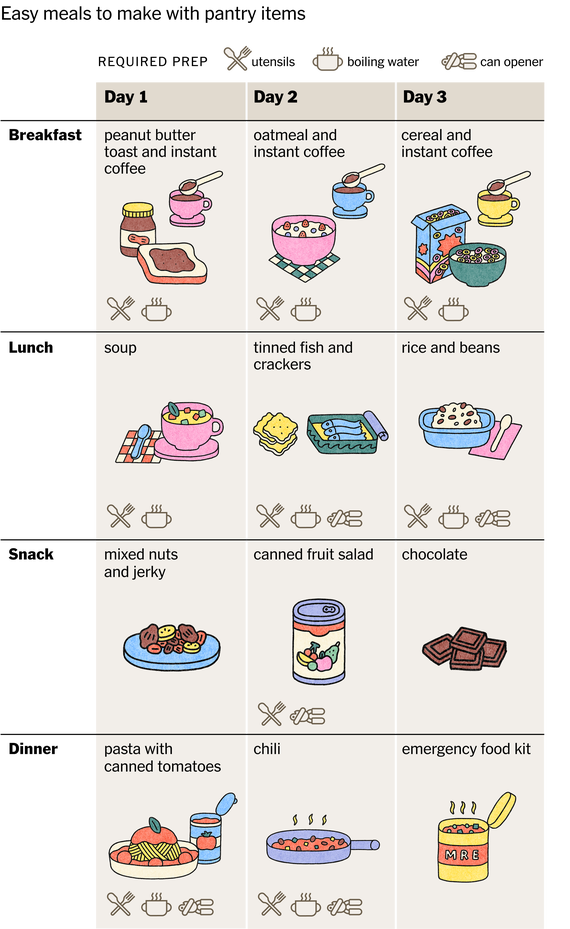
The Emergency Food Assistance Program offers different types of food to help families in need. These foods are chosen to provide basic nutrition and meet daily needs. The variety helps to support a balanced diet during tough times. Understanding the types of food provided helps recipients plan their meals better.
Common Food Items
- Canned vegetables and fruits
- Dried or canned beans
- Rice and pasta
- Canned meats like tuna or chicken
- Peanut butter
- Whole grain cereals
- Milk or powdered milk
- Juice
Nutritional Value
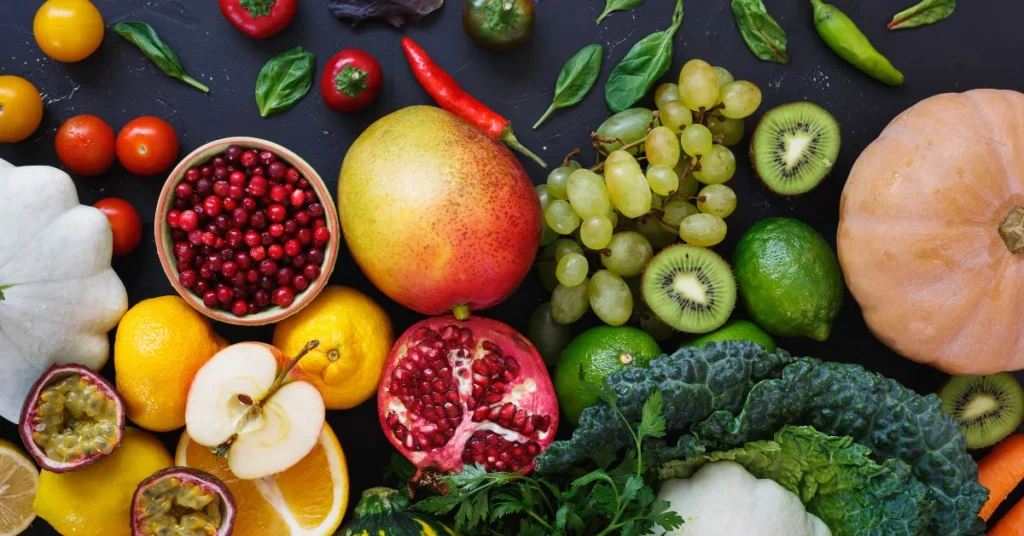
The foods provided focus on essential nutrients. They include protein, fiber, vitamins, and minerals. These nutrients support energy and overall health. For example, beans and canned meats offer protein. Vegetables and fruits provide vitamins A and C.
Whole grains give fiber for digestion. Milk adds calcium for strong bones. The program aims to help maintain a balanced diet. This support is vital during food shortages or emergencies.
How Food Is Distributed
Understanding how food is distributed through the Emergency Food Assistance Program (TEFAP) helps you see the effort behind every meal provided. The process is designed to reach those in need quickly and efficiently. The distribution system relies on well-established channels and strong local partnerships.
Distribution Channels
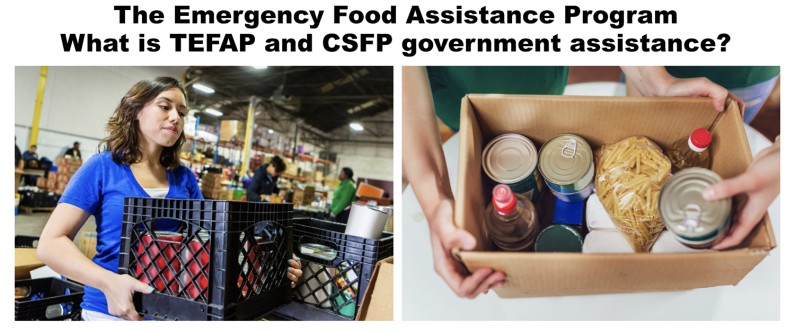
Food reaches communities through several key channels. One major route is direct distribution sites where individuals can pick up groceries. These sites often include food banks, pantries, and community centers.
Mobile food pantries also play a crucial role, especially in rural or hard-to-reach areas. They bring food closer to people who might otherwise struggle to access help. This flexibility ensures no one is left behind.
Some programs distribute food boxes or vouchers that recipients can exchange at local stores. This option gives you more control over your food choices, catering to dietary needs and preferences.
Role Of Local Agencies
Local agencies are the backbone of food distribution. They receive food from state warehouses and manage the logistics of getting it to those who need it. These agencies include nonprofit organizations, faith-based groups, and government partners.
Many local agencies tailor their distribution methods to fit their community’s unique needs. For example, a local church might host weekly food drives, while a nonprofit could focus on delivering meals to elderly residents. This local knowledge makes the program more effective.
Have you ever wondered how community groups coordinate to make sure food doesn’t go to waste? These agencies often work together, sharing resources and information to cover gaps. Their collaboration ensures food assistance reaches the right hands at the right time.
Program Funding And Support
The Emergency Food Assistance Program relies on strong funding and support to reach those in need. Funding comes from various government sources and the dedication of community volunteers. Both play key roles in keeping the program active and effective.
Government Funding Sources
The program receives money mainly from federal and state governments. Funds come through departments focused on agriculture and social services. These budgets help buy food, transport it, and manage distribution centers.
Congress allocates funds yearly to support food assistance efforts. Grants and subsidies ensure steady supplies for local food banks. This financial backing makes large-scale food aid possible across the country.
Community And Volunteer Involvement
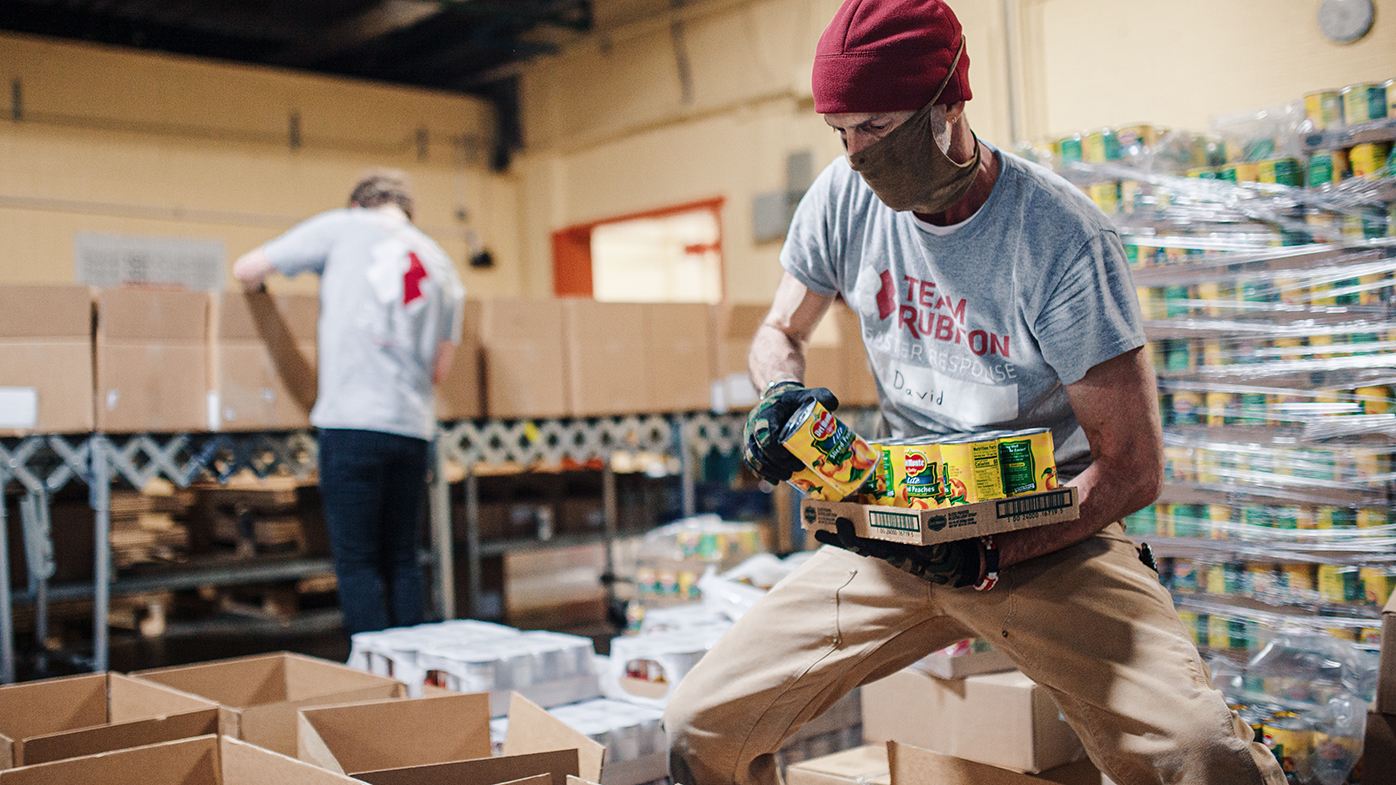
Communities provide vital support beyond government funding. Volunteers sort, pack, and deliver food to families. Their work reduces costs and boosts local engagement.
Local groups and charities often partner with the program. They help reach more people and organize food drives. This collaboration strengthens the program’s impact in hard-hit areas.
Credit: www.bms.com
Impact On Communities
The Emergency Food Assistance Program (TEFAP) offers vital support to communities facing food insecurity. It helps families access nutritious food during tough times. The program strengthens local food networks and uplifts vulnerable populations.
TEFAP’s impact goes beyond just providing food. It improves health, reduces hunger, and fosters community connections. Many neighborhoods have seen positive changes thanks to this program.
Success Stories
- Small towns increased food access for seniors and children.
- Community centers expanded meal services with TEFAP supplies.
- Families reported better nutrition and less stress about meals.
- Local food banks grew stronger and more organized.
Challenges Faced
- Some areas struggle with limited food variety and quantity.
- Distribution can be uneven, leaving some families underserved.
- Storage and transportation challenges affect food quality.
- Awareness gaps reduce program reach in certain communities.
Ways To Get Involved
Getting involved with the Emergency Food Assistance Program (TEFAP) offers a powerful way to support your community. Whether you have time, resources, or connections, there’s a meaningful role you can play. Your participation can directly impact families struggling with food insecurity.
Volunteering Opportunities
Volunteering with TEFAP can take many forms. You might help sort and package food donations, assist at distribution sites, or support outreach efforts to spread awareness. These hands-on activities allow you to see the difference your effort makes firsthand.
Have you ever felt the satisfaction of making a direct impact? Many volunteers report that working with TEFAP connects them to their community in unexpected ways. You don’t need special skills—just your willingness to help.
Donations And Partnerships
Donating food or funds is another vital way to support TEFAP. Local businesses, farmers, and individuals can contribute non-perishable items or fresh produce. Financial donations help cover transportation, storage, and administrative costs.
Partnerships with community organizations can expand the program’s reach. Consider how your workplace, church, or club might collaborate to organize food drives or fundraising events. Could your network be the key to reaching more families in need?

Credit: www.youtube.com
Frequently Asked Questions
What Is The Emergency Food Assistance Program?
The Emergency Food Assistance Program (TEFAP) provides free food to low-income individuals and families. It helps improve nutrition and food security during emergencies. TEFAP distributes USDA foods through local agencies and food banks nationwide.
Who Qualifies For The Emergency Food Assistance Program?
Eligibility varies by state but generally targets low-income households. Priority is given to families facing financial hardship, seniors, and unemployed individuals. Income limits and proof of need are usually required by local agencies distributing the food.
How Does Tefap Help During Food Emergencies?
TEFAP offers immediate food assistance during disasters or economic crises. It ensures access to nutritious food when other resources are unavailable. The program supports community food banks and pantries to meet increased demand quickly.
What Types Of Food Does Tefap Provide?
TEFAP supplies a variety of nutritious USDA foods. These include canned vegetables, fruits, grains, dairy products, and protein items like beans or canned meat. The food choices vary based on availability and local needs.
Conclusion
The Emergency Food Assistance Program helps many families in need. It provides food quickly during tough times. People can get healthy meals to stay strong. The program supports communities across the country. It works with local groups to reach more people.
Everyone deserves access to enough food every day. This program plays a key role in fighting hunger. Understanding it can help you or someone you know. Food assistance offers hope and relief when times are hard. It shows how communities care and support one another.