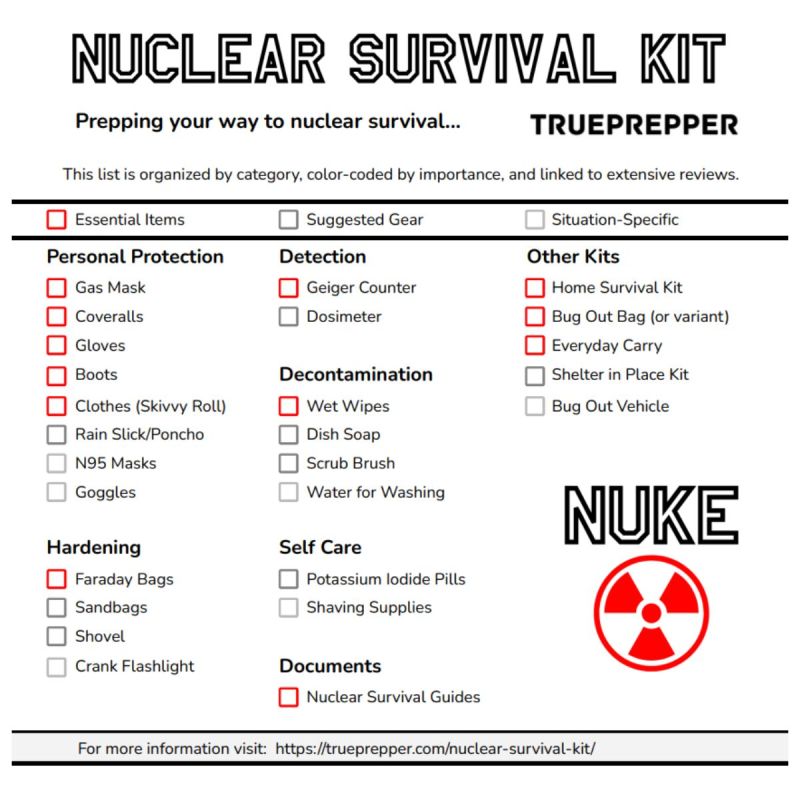
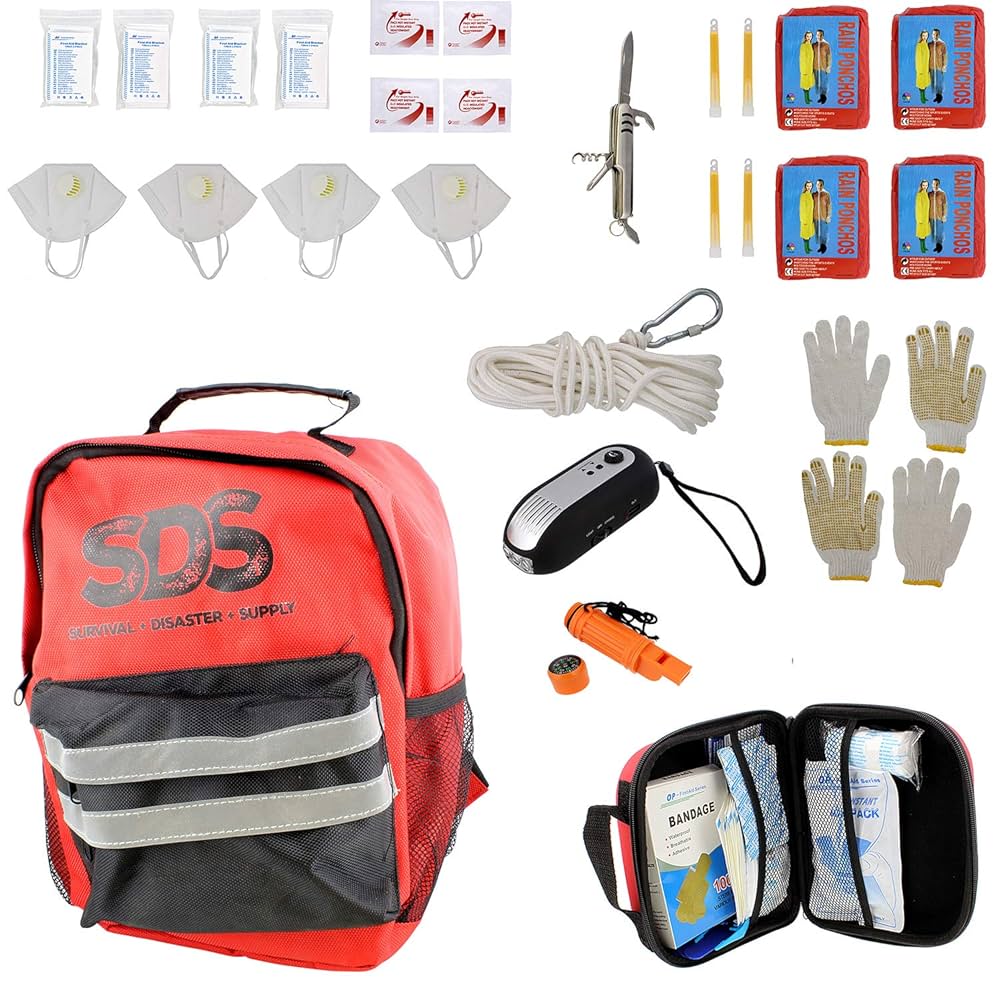
Imagine being stuck on the side of the road with no help in sight. Your phone is dead, the weather is harsh, and you have no idea how long you’ll be waiting.
Scary, right? That’s why having a well-stocked vehicle survival kit isn’t just smart—it could save your life. But what exactly should you put in your kit to be truly prepared? Keep reading, and you’ll discover the essential items that will keep you safe, comfortable, and ready for any emergency on the road.
Don’t leave your safety to chance—make sure your vehicle is ready for whatever comes your way.
Basic Survival Essentials
Having the right basic survival essentials in your vehicle can make a huge difference during an unexpected emergency. These items keep you prepared for situations where help might not arrive quickly. Think about your last road trip or daily commute—would you have what you need if something went wrong?
Water And Hydration Tools
Water is the most critical element in any survival kit. You should always carry at least one gallon of water per person for a 24-hour period. Alongside bottled water, consider adding a compact water filter or purification tablets to your kit. These tools let you safely drink from natural sources if you run out of stored water.
A collapsible water container saves space and is easy to refill on the go. Don’t forget a sturdy, reusable bottle to drink from. Staying hydrated keeps your mind sharp and energy up, especially in hot or stressful conditions.
Non-perishable Food Items
Choose foods that don’t spoil and are easy to eat without cooking. Energy bars, dried fruits, nuts, and jerky provide essential calories and nutrients. These items last long and give you a quick energy boost when you need it most.
Pack enough to sustain you for at least three days. Think about comfort too—something tasty can lift your spirits in tough moments. You might want to add small packets of peanut butter or instant oatmeal for variety.
First Aid Supplies
A well-stocked first aid kit is a must-have in your vehicle survival kit. Include bandages, antiseptic wipes, adhesive tape, and pain relievers. Don’t forget any personal medications you or your passengers need.
Adding a compact first aid manual can guide you through basic treatments. I once had to use my kit after a minor accident on a deserted highway, and having everything ready made the experience less stressful. What simple injuries could you handle right now with your current supplies?
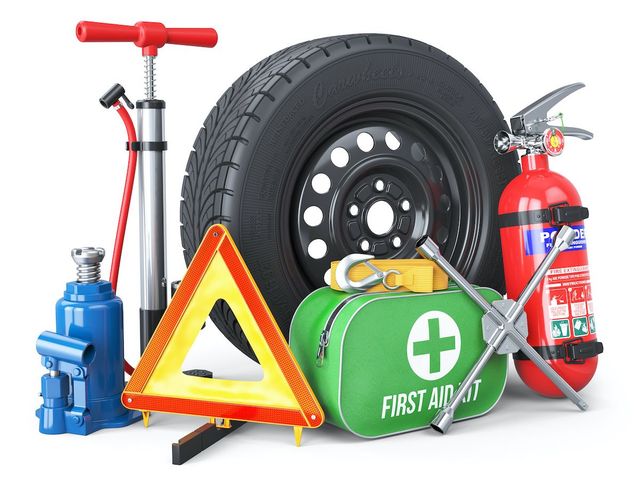
Credit: www.lexbrodies.com
Tools For Vehicle Emergencies
Having the right tools in your vehicle survival kit can save time and stress during emergencies. Tools help fix common car problems quickly and safely. They prepare you to handle unexpected issues on the road.
Jumper Cables And Battery Chargers
Dead batteries stop your car from starting. Jumper cables allow you to borrow power from another car. A portable battery charger can recharge your battery anywhere. Keep cables thick and long for easy use. A charger with multiple connectors fits many car models.
Tire Repair And Replacement Gear
Flat tires happen without warning. Carry a reliable jack and lug wrench for tire changes. A spare tire is essential, but also include a tire repair kit. Kits usually have plugs, sealant, and tools to fix small punctures. Check tire pressure regularly with a small gauge in your kit.
Multipurpose Tools And Knives
A multipurpose tool combines pliers, screwdrivers, and scissors in one. It fits many tasks, reducing the number of tools needed. A sharp knife helps cut seat belts or ropes in emergencies. Choose tools with sturdy handles and easy grips. Keep them accessible for quick use.
Navigation And Communication Gear
Navigation and communication gear are essential parts of your vehicle survival kit. They help you find your way and stay connected when technology fails or signals drop. Without reliable tools, you might feel lost or isolated during an emergency.
Maps And Compass
Paper maps never run out of battery or lose signal. Having a detailed road map and a topographic map can guide you through unfamiliar areas. A compass works well with maps, helping you orient yourself and maintain the right direction.
Think about the last time your GPS stopped working on a remote road. Could a map and compass have saved you time and stress? Keeping these classic tools in your kit ensures you always have a backup navigation system.
Emergency Radios
Emergency radios keep you informed about weather alerts, road closures, and rescue updates. Many models run on batteries, solar power, or hand crank, so they work even without electricity. Some radios can also transmit signals, letting rescuers know your location.
Choosing a radio with NOAA weather channels can be a lifesaver in storms or natural disasters. Have you ever found yourself waiting for help without knowing what’s happening around you? An emergency radio fills that gap.
Mobile Phone Chargers
Your phone is a powerful survival tool, but it’s useless when the battery dies. Portable chargers, power banks, and solar chargers keep your device powered for calls, navigation, and emergency apps. Opt for chargers that hold multiple charges and recharge quickly.
Have you packed a charger that fits your phone’s needs? Don’t forget extra cables and adapters if you travel with multiple devices. Staying connected through your phone can be the key to getting help fast.
Clothing And Shelter Items
Clothing and shelter items are essential for staying safe and comfortable during an emergency. They help protect against cold, rain, and wind. These items can prevent hypothermia and other weather-related issues.
Keeping warm and dry is key. Pack items that are lightweight and easy to carry. Think about layers and versatile shelter options to suit different situations.
Thermal Blankets And Ponchos
Thermal blankets are compact and trap body heat efficiently. They reflect up to 90% of your body heat back to you. These blankets are waterproof and windproof, perfect for cold or wet conditions.
Ponchos protect against rain and wind. They are light and fold into small sizes. Use a poncho to stay dry or even as a makeshift shelter.
Extra Clothing Layers
- Pack several layers for warmth, such as thermal shirts and pants.
- Include a waterproof jacket to protect against rain and wind.
- Bring an extra pair of socks and gloves to keep extremities warm.
- Choose clothing made from synthetic or wool materials for better insulation.
Tents And Tarps
Tents provide reliable shelter and protect from insects and weather. Choose a lightweight, easy-to-assemble tent for emergencies.
Tarps are versatile and can be used as ground covers or shelters. They are lightweight and pack small. Use ropes or carabiners to secure tarps quickly.
Safety And Signaling Devices
Safety and signaling devices are essential in any vehicle survival kit. They help alert others and increase your visibility during emergencies. These tools can prevent accidents and speed up rescue efforts.
Flares And Reflective Triangles
Flares produce bright light to catch attention in low visibility. Use them at night or in bad weather to warn other drivers. Reflective triangles are easy to set up around your vehicle. They reflect light from cars, marking your location clearly. Both items are compact and easy to carry.
Whistles And Signal Mirrors
Whistles can make loud sounds that carry far. They are useful if you need to call for help without shouting. Signal mirrors reflect sunlight to send visual signals over long distances. They work well in daylight and open areas. Both tools require no batteries and are lightweight.
Flashlights And Batteries
A reliable flashlight is vital for nighttime emergencies. Choose one with bright LED bulbs and a sturdy body. Carry extra batteries to avoid running out of power. Consider rechargeable flashlights to save money and reduce waste. Keep your flashlight easily accessible in the vehicle.
Personal Hygiene And Health
Keeping your personal hygiene and health in check during an emergency can make a huge difference in how you feel and handle the situation. Your vehicle survival kit should cover more than just food and water. Think about the small things that help you stay clean, comfortable, and protected from health risks on the road.
Sanitation Supplies
Sanitation is crucial when you’re stuck for hours or days. Pack items like wet wipes, hand sanitizer, and biodegradable soap to keep germs at bay. A small roll of toilet paper and disposable bags can help manage waste if restrooms aren’t available.
Consider including a travel-sized toothbrush and toothpaste. Staying fresh can boost your morale more than you might expect. Have you ever noticed how clean hands and a quick face wash can lift your spirits during tough times?
Medications And Prescriptions
Don’t forget to add your essential medications to the kit. Bring enough prescription medicine to last several days, along with copies of your prescriptions. Over-the-counter pain relievers, allergy medicine, and basic first aid supplies are also key.
Think about any personal health needs you have. Do you use inhalers, insulin, or other specialty items? Include extras to avoid surprises. Your health depends on it, especially when access to pharmacies might be limited.
Insect Repellent And Sunscreen
Protecting your skin is often overlooked but vital. Insect repellent helps prevent bites that can cause irritation or even disease. Sunscreen shields you from harmful UV rays, which can be stronger than you expect when you’re outdoors for long periods.
Choose a repellent with DEET or natural alternatives if you prefer. For sunscreen, look for SPF 30 or higher. Have you ever underestimated the sun’s power just because it’s cloudy? Don’t let that happen during an emergency.
Additional Survival Extras
Additional survival extras make your vehicle kit more useful in tough situations. They prepare you for unexpected challenges. These items help with warmth, safety, and peace of mind. Small additions can mean a big difference during emergencies.
Fire Starting Materials
Fire provides warmth, light, and a way to cook food. Pack waterproof matches, lighters, and fire starters. Cotton balls soaked in petroleum jelly work well. Store these in a sealed container to keep dry. Fire-starting tools are small but essential for survival.
Cash And Important Documents
Keep some cash in small bills for emergencies. Electronic payment may not always work. Store copies of your ID, insurance, and vehicle registration. Use a waterproof pouch or ziplock bag. These documents help prove your identity and get help faster.
Entertainment And Comfort Items
Long waits can cause stress and boredom. Include a deck of cards or small puzzle books. A lightweight blanket adds warmth and comfort. Chewing gum or hard candy can ease anxiety and dry mouth. These extras improve morale during tough times.

Credit: unchartedsupplyco.com

Credit: www.amazon.ca
Frequently Asked Questions
What Items Are Essential In A Vehicle Survival Kit?
A vehicle survival kit should include essentials like water, non-perishable food, a first-aid kit, flashlight, jumper cables, and a multi-tool. These items ensure you’re prepared for emergencies. Always tailor your kit to your local climate and personal needs for maximum effectiveness.
How Often Should You Check Your Survival Kit?
Check your vehicle survival kit every six months. This ensures all items are functional and not expired. Regular checks help maintain preparedness for unexpected situations. Rotate any perishable items and replace anything used or missing to keep the kit ready.
Why Is Water Crucial In A Survival Kit?
Water is vital for hydration and basic needs during emergencies. It prevents dehydration and maintains energy levels. Always store at least one gallon per person. Consider adding water purification tablets to ensure a safe supply in case of extended emergencies.
Can A Survival Kit Help In All Weather Conditions?
Yes, a well-prepared survival kit can assist in all weather conditions. Include items like blankets and a rain poncho. Tailor your kit with season-specific gear, like sunscreen for summer or a thermal blanket for winter, to ensure you’re ready for any climate.
Conclusion
A vehicle survival kit keeps you ready for unexpected events. Pack essential items like water, food, and first aid supplies. Tools such as a flashlight and a multi-tool are helpful too. Don’t forget blankets and extra clothing for warmth. Regularly check your kit to replace expired items.
Staying prepared can make a big difference in emergencies. Keep your kit organized and easy to reach. Safety on the road starts with smart preparation. Stay calm, stay ready, and drive with confidence.