Imagine facing an emergency with your dog by your side—are you truly prepared? What if a natural disaster or unexpected situation strikes, and you need to keep your furry friend safe and comfortable?
Having a well-packed dog survival kit can make all the difference. You’ll discover exactly what to put in your dog survival kit to protect your pet when it matters most. Keep reading to ensure you never miss a crucial item that could save your dog’s life.
Basic Supplies
Preparing a dog survival kit starts with gathering basic supplies. These essentials keep your pet safe and comfortable during emergencies. Focus on items that provide food, water, and control. These three categories cover your dog’s immediate needs. Ensure these supplies are easy to carry and use in any situation.
Food And Water
Include enough dog food for several days. Choose dry kibble or canned food with a long shelf life. Store food in airtight containers to keep it fresh. Pack bottled water designed for pets or clean, fresh water. Plan for at least one gallon of water per dog per day. Water is vital to prevent dehydration during emergencies.
Portable Bowls
Carry lightweight, collapsible bowls for food and water. These bowls save space and are easy to clean. Silicone or nylon bowls work well for travel. Portable bowls allow your dog to eat and drink comfortably anywhere. Avoid heavy or bulky containers that slow you down.
Leash And Collar
Always pack a sturdy leash and collar in the kit. A collar with ID tags helps identify your dog quickly. Use a strong leash to keep your dog safe and close. Consider a harness for better control if your dog pulls. These items prevent your dog from running away or getting lost.

Credit: www.amazon.ca
Health And First Aid
Keeping your dog healthy during emergencies is vital. A well-prepared survival kit includes key health and first aid items. These essentials help you act fast and keep your dog safe. Preparing ahead reduces stress for you and your pet.
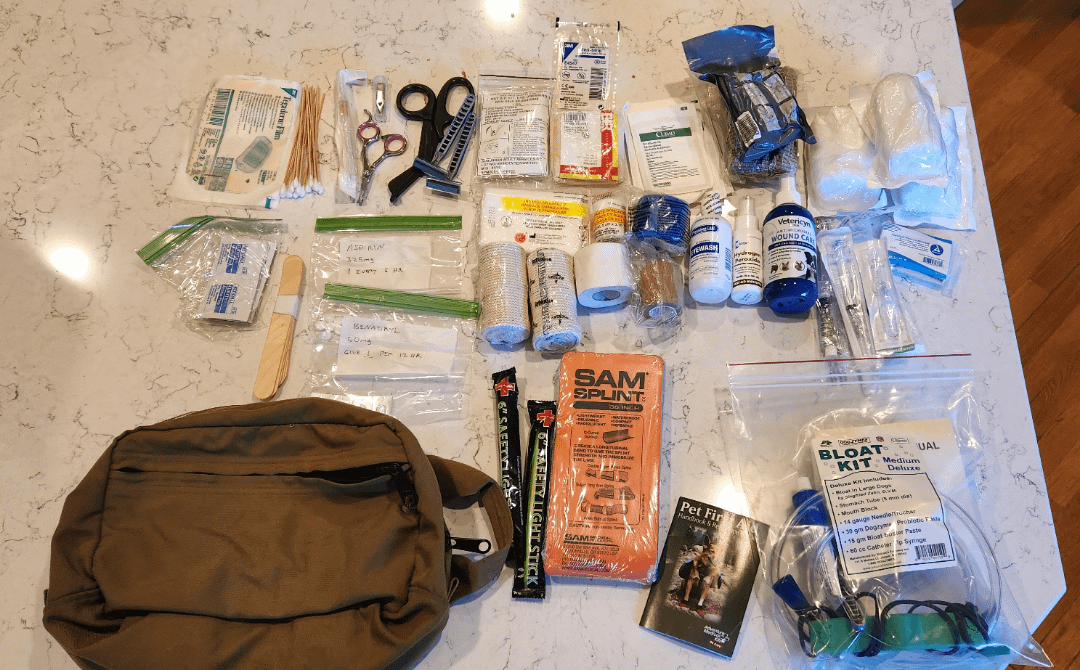
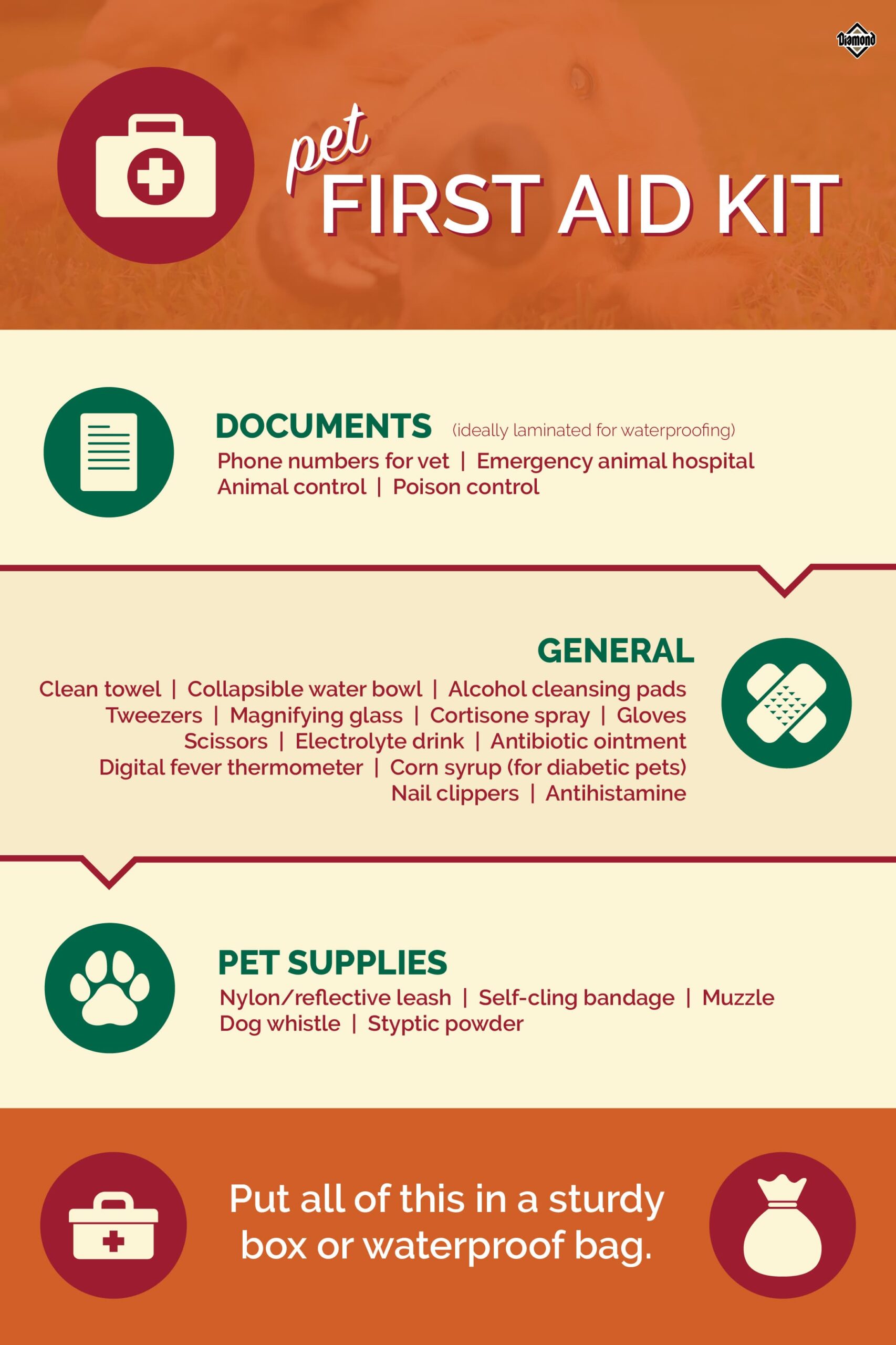
First Aid Kit Essentials
- Sterile gauze pads and bandages
- Adhesive tape and scissors
- Antiseptic wipes and ointment
- Tweezers for splinters or ticks
- Disposable gloves for hygiene
- Instant cold packs to reduce swelling
- Thermometer to check temperature
- Pet-safe wound cleaner
- Emergency blanket for warmth
Medications And Supplements
- Any prescribed medications your dog needs
- Activated charcoal for poisoning (consult vet first)
- Digestive aids for upset stomachs
- Electrolyte supplements for dehydration
- Joint supplements to ease pain
- Flea and tick prevention treatments
Vaccination Records
Keep up-to-date vaccination records in a waterproof folder. Include rabies, distemper, parvovirus, and other key shots. These records help vets provide proper care quickly. Store copies digitally on your phone or cloud. Always have these ready for emergencies or shelter visits.
Shelter And Comfort
Providing shelter and comfort for your dog is vital in any survival kit. Shelter keeps your pet safe from harsh elements. Comfort items help reduce stress during emergencies. Both contribute to your dog’s well-being and calmness.
Blankets And Towels
Soft blankets and towels offer warmth and cushioning. They can be used for bedding or drying your dog. Choose lightweight, easy-to-clean fabrics. Pack extra blankets for colder weather or wet conditions.
Portable Crate Or Carrier
A portable crate or carrier creates a secure, familiar space. It protects your dog during transport or rest. Look for a sturdy, well-ventilated model. Make sure it is large enough for your dog to stand and turn around comfortably.
Weather Protection Gear
Weather protection gear shields your dog from rain, wind, and cold. Include items like waterproof jackets or booties. These keep your pet dry and prevent injuries from rough terrain. Choose gear that fits well and allows easy movement.
Credit: www.diamondpet.com
Identification And Safety
Identification and safety are vital for your dog’s survival kit. They help keep your dog safe in emergencies and during outdoor adventures. Clear identification speeds up the return if your dog gets lost. Safety items protect your dog from dangers in low light or hazardous areas.
Id Tags And Microchip Info
Always include updated ID tags on your dog’s collar. Tags should show:
- Dog’s name
- Owner’s phone number
- Any important medical info
A microchip provides a permanent ID. Keep the microchip info handy in your kit. It helps vets and shelters identify your dog quickly.
Emergency Contact List
Prepare a list of emergency contacts. Include:
- Your phone number
- Local veterinarian
- Nearby animal hospital
- Trusted friend or family member
Store the list in a waterproof pouch inside the survival kit.
Reflective Gear
Reflective gear increases your dog’s visibility in dark or foggy conditions. Include items like:
- Reflective collar or harness
- LED clip-on lights
- Reflective leash
These help drivers and other people see your dog easily, reducing accident risk.
Tools And Accessories
Having the right tools and accessories in your dog’s survival kit can make a big difference in an emergency. These items help you stay prepared for unexpected situations and keep your dog comfortable and safe. Think about what you would need if you had to care for your dog far from home, and then pack accordingly.
Multi-tool And Scissors
A multi-tool is a lifesaver when you need to fix gear or cut something quickly. Choose one with pliers, a knife, and screwdrivers to cover most needs. Adding a pair of sharp scissors helps in cutting bandages, trimming fur around wounds, or even cutting food packaging.
I once had to use a multi-tool to remove a thorn from my dog’s paw during a hike. Without it, the situation could have been much worse. Can you imagine being stuck without the right tool when your dog needs help fast?
Waste Bags
Waste bags aren’t just about cleanliness—they’re essential for hygiene and preventing the spread of bacteria. Always pack plenty of biodegradable bags to clean up after your dog wherever you go. This also helps you respect the environment and other people’s space, especially in survival scenarios.
Carrying extra bags means you won’t have to worry if your dog has an upset stomach or unexpected accidents. What’s your plan if you run out of waste bags in a remote area?
Toys And Chews
Toys and chews may seem like extras, but they provide vital mental stimulation and stress relief for your dog. A favorite chew can distract your dog from anxiety during tough situations. Durable toys can keep your dog entertained and calm when you’re busy handling survival tasks.
Think about how your dog behaves when bored or stressed. Having familiar toys on hand can make a stressful situation more manageable for both of you. What comforting item would your dog miss the most?

Credit: www.amazon.com.au
Emergency Preparedness
Emergency preparedness is vital for every dog owner. It ensures your pet stays safe during unexpected events. A well-prepared dog survival kit helps you face emergencies calmly and effectively.
Being ready means having a clear plan and the right tools. This reduces stress for both you and your dog. Keep essentials organized and accessible to act quickly.
Evacuation Plan
Create a simple evacuation plan that includes your dog. Know the safest routes and pet-friendly shelters. Pack your dog’s survival kit in an easy-to-carry bag. Practice quick exits from your home. Share the plan with family or friends who may assist.
Training And Practice
Train your dog to respond calmly during emergencies. Teach basic commands like “stay” and “come.” Practice using a leash and harness for safety. Run drills to simulate evacuation or shelter stays. This helps your dog adjust to unusual situations without panic.
Backup Power And Lighting
Power outages can happen anytime during emergencies. Include flashlights or headlamps in your kit. Use extra batteries or rechargeable power banks. Keep a small lantern for long-term lighting. These tools help you care for your dog in the dark.
Frequently Asked Questions
What Essentials Should Be In A Dog Survival Kit?
A dog survival kit should include food, water, a first-aid kit, and a leash. Also pack a blanket, waste bags, and a portable bowl. These items ensure your dog’s basic needs are met during emergencies. Always tailor the kit to your dog’s specific requirements.
How Much Food Should Be In The Kit?
Include at least three days’ worth of food in your dog’s survival kit. Choose non-perishable and easy-to-store options like kibble or freeze-dried meals. Ensure the food is suitable for your dog’s dietary needs. Rotate the food regularly to maintain freshness.
Why Is A First-aid Kit Necessary For Dogs?
A first-aid kit is crucial for treating minor injuries and emergencies promptly. Include bandages, antiseptic wipes, tweezers, and a pet-safe pain reliever. Knowledge of basic first-aid can prevent complications. It’s essential for your dog’s safety during unexpected situations.
Should I Include Identification In The Kit?
Yes, include identification like tags and microchip information in your dog’s survival kit. This ensures you can quickly reunite with your pet if separated. Update information regularly and include a recent photo. Identification helps in locating and identifying your dog during emergencies.
Conclusion
A dog survival kit keeps your pet safe during emergencies. Pack water, food, and a leash for basic needs. Include a first-aid kit to treat minor injuries quickly. Don’t forget important documents and your dog’s medications. Comfort items like a blanket help reduce stress.
Regularly check and update the kit to stay prepared. Being ready can make a big difference in tough situations. Your dog depends on you for safety and care. Stay calm, stay ready, and protect your furry friend.