Imagine facing a sudden emergency where food supplies run out, and you have no time to shop. Would you be ready?
Preparing emergency food is not just about having snacks on hand—it’s about ensuring your safety and peace of mind when it matters most. You’ll discover simple, practical steps to build your own emergency food stash. By the end, you’ll feel confident knowing you can provide for yourself and your loved ones, no matter what surprises come your way.
Keep reading to learn how to make your emergency food plan easy, effective, and stress-free.

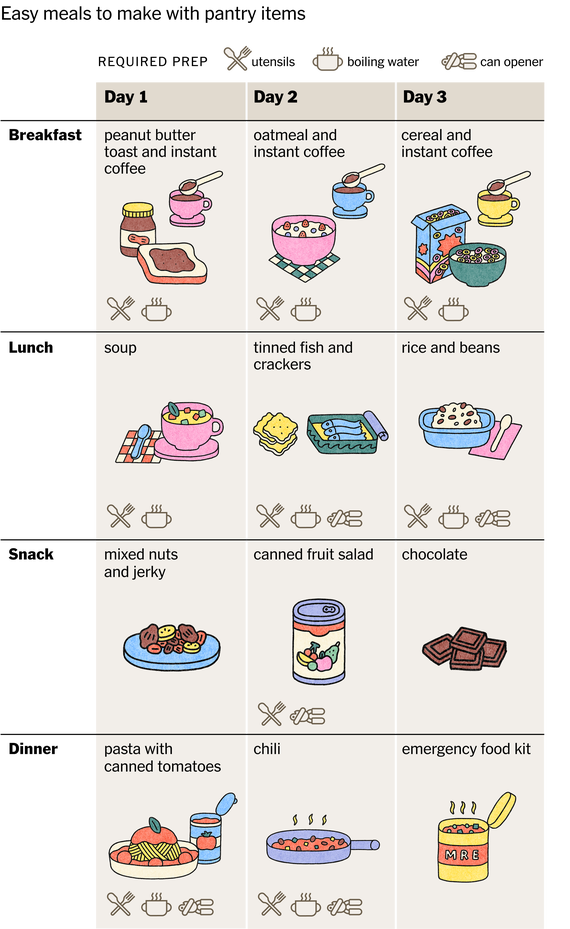
Credit: www.nytimes.com
Choosing The Right Foods
Choosing the right foods for emergency storage is crucial for survival and comfort. Foods should last long without spoiling. They must provide good nutrition to keep energy and health stable. Consider special dietary needs to ensure everyone in your group is covered.
Long-lasting Staples
Staples form the base of your emergency food supply. Choose items with a long shelf life and easy storage. These foods remain safe and edible for months or years.
- Rice and pasta
- Canned beans and vegetables
- Dried lentils and split peas
- Powdered milk and shelf-stable cheese
- Canned meats and fish
Store these in airtight containers and keep them in a cool, dry place.
Nutrient-dense Options
Emergency food must supply essential vitamins and minerals. Nutrient-dense foods support your body during stress and limited activity.
- Nuts and seeds for healthy fats and protein
- Dried fruits for natural sugars and vitamins
- Whole grain cereals for fiber and energy
- Freeze-dried vegetables and fruits
- Multivitamin supplements as backup
Balance calorie needs with nutrients to maintain strength and focus.
Special Dietary Needs
Every person has unique food requirements. Account for allergies, intolerances, and preferences. Planning ahead avoids health risks and discomfort.
- Gluten-free grains and snacks
- Lactose-free dairy or alternatives
- Low-sodium or heart-healthy options
- Baby food or formula if needed
- Vegetarian or vegan choices
Label and separate these foods clearly to prevent mix-ups.
Storage Techniques
Storing emergency food properly is just as important as choosing the right items. Poor storage can lead to spoilage, waste, and even health risks. Understanding effective storage techniques helps you keep your food fresh, safe, and ready when you need it most.
Proper Containers
Choosing the right containers protects your food from moisture, pests, and air exposure. Airtight containers like Mylar bags with oxygen absorbers or heavy-duty plastic buckets work well for dry goods.
Glass jars with tight lids are great for smaller quantities and items like grains or beans. Avoid containers that can easily tear or allow air inside, as this will speed up spoilage.
Optimal Locations
Pick storage spots that are cool, dark, and dry. Basements or pantries often work well, but be sure they don’t get damp or experience temperature swings.
Think about accessibility too. Can you reach your supplies quickly during an emergency? Placing food too high or in hard-to-reach places can slow you down when time is critical.
Temperature And Humidity Control
Food lasts longer when stored at stable, low temperatures, ideally between 50°F and 70°F (10°C – 21°C). High heat accelerates spoilage and degrades nutrients.
Humidity should be kept below 60% to prevent mold and bacterial growth. Using moisture absorbers or silica gel packs inside containers can help maintain a dry environment.
Have you checked your storage area for hidden leaks or humidity spikes? Small problems can quietly ruin your emergency food supply without you noticing until it’s too late.
Meal Planning
Preparing emergency food means choosing non-perishable items that last long and provide energy. Store canned goods, dried fruits, nuts, and easy-to-cook meals for quick access during emergencies. Regularly check and rotate supplies to keep food fresh and safe.
Meal planning is the cornerstone of preparing an effective emergency food supply. It ensures you have enough food on hand, covering all nutritional bases, and prevents waste. By planning your meals carefully, you can maintain a balanced diet even during unexpected situations, keeping you and your family healthy.Balanced Nutrition
To achieve balanced nutrition, aim to include a variety of food groups in your emergency meal plans. Consider storing a mix of proteins like canned beans and meats, whole grains, and plenty of canned or dried fruits and vegetables. These ensure your body gets the essential nutrients it needs to function optimally during stressful times. Think about what you enjoy eating regularly. This will help you maintain a sense of normalcy. Plus, familiar foods can provide comfort in uncertain times.Portion Sizes
Understanding portion sizes is crucial when planning meals for emergencies. Store foods in quantities that reflect your family’s daily consumption. This prevents overstocking and ensures everyone gets enough to eat without running out too soon. Consider how many calories each person needs daily and adjust your stock accordingly. A simple rule is to plan for three meals and two snacks per day. This structure helps maintain energy levels and keeps spirits high.Rotating Supplies
Rotating your supplies is a smart strategy to keep your emergency food fresh and safe to eat. Regularly check expiration dates and consume foods nearing their end date first. Replace them with new purchases to ensure your pantry is always stocked with fresh options. You could set a reminder to review your supplies every six months. Doing this helps avoid waste and ensures your emergency plan is always ready to go. Are there certain foods you forget to rotate? Make a list and keep it visible to stay on top of your stock. By being proactive, you can ensure your emergency meals are not only nutritious but also enjoyable.
Credit: www.youtube.com
Water Storage And Purification
Water is vital for survival during emergencies. Storing clean water and knowing how to purify it ensures safety and health. Proper water storage prevents contamination. Purification removes harmful germs and chemicals. This section covers safe water sources, storage methods, and purification techniques.
Safe Water Sources
Choose water from natural, clean places. Rainwater is a good option if collected properly. Tap water is usually safe but may not be available during emergencies. Avoid water near factories, farms, or sewage. Rivers and lakes can carry bacteria and pollutants. Look for clear, flowing water over stagnant pools.
Storage Methods
Select clean containers made for water storage. Food-grade plastic, glass, or stainless steel bottles work well. Keep containers tightly sealed to stop dirt and insects. Store water in a cool, dark place to slow algae growth. Label containers with the date of storage. Replace stored water every six months to maintain freshness.
- Use clean, disinfected containers only
- Fill containers completely to reduce air
- Keep water away from chemicals and strong smells
- Store in a place protected from sunlight
Purification Techniques
Purify water before drinking if its source is doubtful. Boiling water kills most germs. Bring water to a rolling boil for at least one minute. Use water purification tablets for a portable option. Follow the instructions carefully for correct use. Filters can remove particles and some bacteria. Choose filters certified for emergency use. UV light devices also kill bacteria and viruses quickly.
| Technique | How It Works | Pros | Cons |
|---|---|---|---|
| Boiling | Heat water until boiling | Kills most germs, no chemicals | Uses fuel, time-consuming |
| Purification Tablets | Chemicals kill germs | Lightweight, easy to carry | May leave taste, slower |
| Filters | Physical removal of particles | Quick, reusable | May not remove viruses |
| UV Light | Light kills germs | Fast, effective | Needs batteries, clear water |
Cooking Without Power
Cooking without power requires planning and creativity. During emergencies, electric stoves and microwaves may not work. Knowing how to cook food safely without electricity is essential. This skill helps maintain nutrition and comfort in tough times.
Alternative Cooking Methods
- Use a gas stove or portable camping stove with fuel.
- Build a small outdoor fire pit or use a charcoal grill.
- Try solar ovens that cook food using sunlight.
- Use a camping stove fueled by propane or butane.
- Cook over a wood-burning stove if available.
Essential Tools
- Portable gas or camping stove with extra fuel canisters.
- Matches and waterproof lighters for easy ignition.
- Cookware suitable for open flame or camping stoves.
- Heat-resistant gloves to handle hot pots and pans.
- Solar oven or reflective materials to build one.
- Coolers and insulated containers to keep food fresh.
Safety Precautions
- Never cook indoors with charcoal or gas stoves without ventilation.
- Keep flammable items away from open flames.
- Use sturdy surfaces to place stoves or pots.
- Always have a fire extinguisher or water nearby.
- Supervise cooking at all times to prevent accidents.
- Ensure fuel containers are stored safely and away from heat.
Supplementing With Vitamins And Minerals
Preparing emergency food is not only about calories and water. Vitamins and minerals keep the body healthy and strong. During emergencies, access to fresh fruits and vegetables might be limited. Supplementing with vitamins and minerals helps fill nutritional gaps. It supports the immune system and maintains energy levels.
Common Deficiencies
Some nutrients are harder to get in emergency food supplies. These include:
- Vitamin C – important for healing and immunity
- Vitamin D – supports bone health and mood
- Iron – needed for red blood cells and energy
- Calcium – essential for bones and muscles
- Magnesium – helps with muscle function and nerves
- Vitamin B12 – vital for nerve and blood health
Lack of these can cause fatigue, weakness, and illness. Including supplements can prevent these problems.
Choosing Supplements
Select supplements that are stable and have a long shelf life. Look for multivitamins that cover many nutrients. Single-vitamin pills can target specific needs. Choose trusted brands with clear labels. Avoid products with unnecessary fillers or additives. Consider chewable or powder forms if swallowing pills is hard. Store supplements in a cool, dry place to keep them effective.
Proper Dosages
Follow recommended daily amounts to avoid overdosing. More is not always better. Read labels carefully for dosage instructions. Take supplements with food to improve absorption. Keep track of what you take each day. Consult a healthcare professional before starting new supplements. Proper dosing helps maintain health and prevents side effects.
Emergency Food Kits And Ready Meals
Having emergency food kits and ready meals on hand is essential for any preparedness plan. These options save time and reduce stress during unexpected situations. They also ensure you have reliable nutrition without the need for cooking or refrigeration.
Store-bought Options
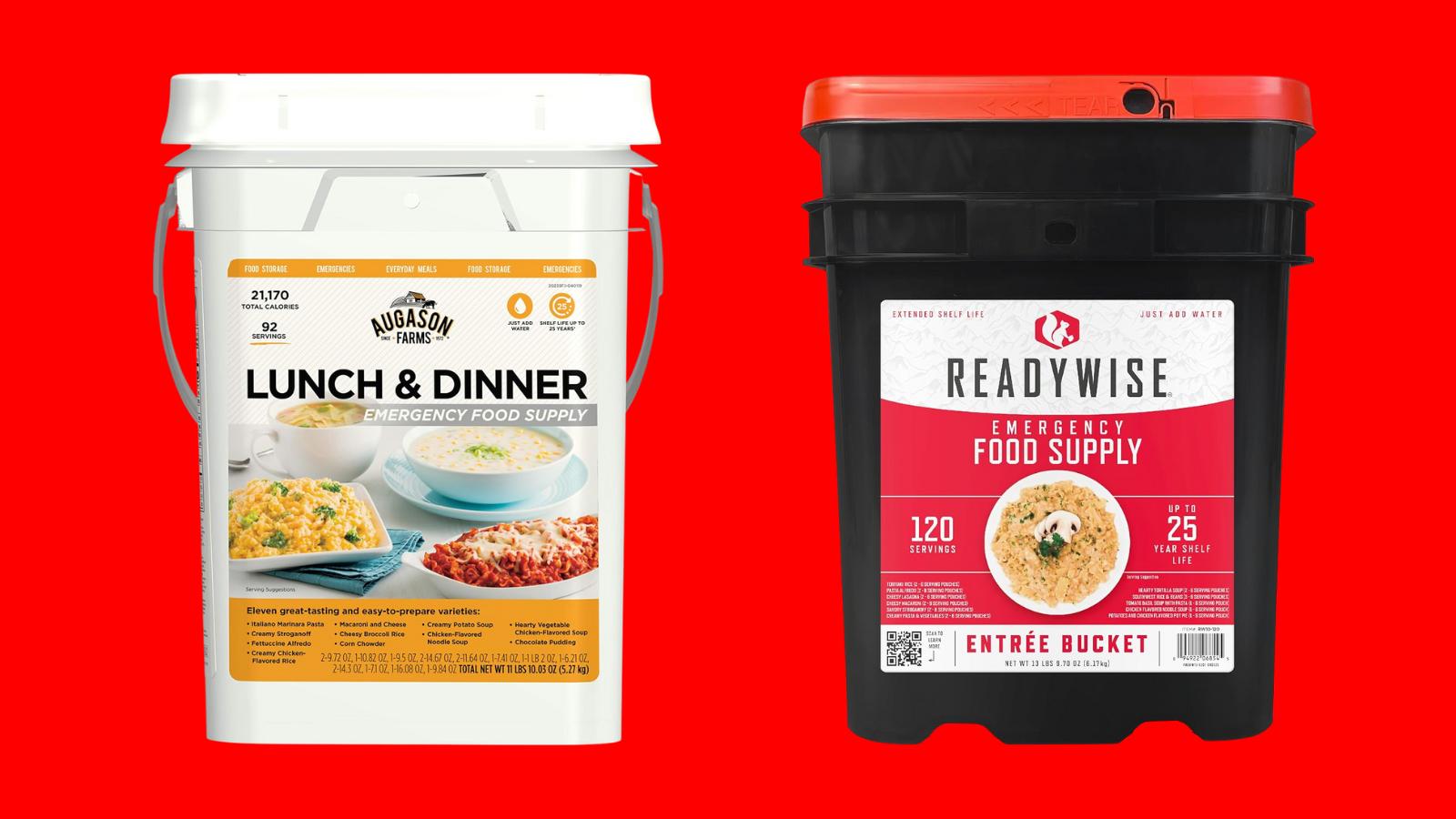
Store-bought emergency food kits often come in compact, easy-to-carry packages. Brands like Mountain House and Wise Company offer meals that only require water to prepare. These kits usually include a variety of meals, such as pasta, rice dishes, and breakfast options.
Many kits are designed to last for years, making them perfect for long-term storage. When I first bought a store-bought kit, I appreciated how simple it was to prepare a warm meal without any fuss. Have you checked the ingredients list to ensure the meals fit your dietary needs?
Diy Kits
Creating your own emergency food kit allows you to tailor meals to your preferences and dietary restrictions. You can mix canned goods, dried fruits, nuts, and freeze-dried vegetables to build a balanced kit. Adding comfort foods like chocolate or instant coffee can boost morale during tough times.
Organize your DIY kit in sturdy containers or vacuum-sealed bags to protect against moisture and pests. I once packed a DIY kit for a camping trip, and having familiar foods made the experience more enjoyable. What favorite snacks or meals would you include to stay comfortable?
Shelf Life Considerations
Understanding shelf life is crucial for maintaining an effective emergency food supply. Most store-bought kits have a shelf life ranging from 5 to 25 years, depending on packaging and storage conditions. DIY kits typically last between 1 to 5 years, depending on the food types and preservation methods.
Rotate your supplies regularly to avoid expired food. Label containers with purchase or packing dates to track freshness easily. How often do you review your emergency food stock to ensure it’s still safe and tasty?

Credit: www.nytimes.com
Maintaining Food Safety
Maintaining food safety is key when preparing emergency food supplies. Proper care helps prevent illness and keeps food edible longer. Understanding basic safety rules ensures your emergency food is safe to eat during any situation.
Avoiding Contamination
Keep all food away from dirt and germs. Use clean containers and utensils for storage. Wash hands thoroughly before handling food. Store raw and cooked foods separately to stop cross-contamination. Seal food tightly to protect it from pests and moisture.
Signs Of Spoilage
Check food for changes in color, smell, or texture. Look for mold or unusual spots on the surface. Avoid food that feels slimy or sticky. Discard any food with a bad or sour odor. Spoiled food can cause sickness and must be thrown away immediately.
Safe Handling Practices
- Store food in a cool, dry place to slow bacteria growth.
- Label containers with the date of storage for easy tracking.
- Use airtight containers to keep food fresh longer.
- Rotate stock regularly: use older food first.
- Thaw frozen food safely in the fridge or cold water.
Adapting To Different Emergencies
Preparing emergency food isn’t one-size-fits-all. Different emergencies demand different strategies. Understanding these nuances helps you stay nourished and comfortable no matter what hits.
Natural Disasters
Natural disasters like hurricanes, floods, or earthquakes often disrupt access to fresh food and clean water. You need food that lasts without refrigeration and is easy to prepare.
Pack items such as canned beans, dried fruits, and ready-to-eat meals that require minimal or no cooking. Don’t forget a manual can opener—it’s a simple tool that becomes essential.
Think about your local risks. If you live in a flood-prone area, waterproof packaging for your food is a smart choice. How much fresh water can you realistically store for cooking and drinking?
Power Outages
When the power goes out, refrigeration stops working, and cooking options shrink. Your emergency food should include items that stay safe without cooling and can be eaten cold.
- Ready-to-eat canned tuna or chicken
- Nut butters and whole-grain crackers
- Energy bars and trail mix
Consider foods that help maintain your energy and mood during the dark hours. Have you tried rotating your stock regularly to avoid expired items that lose their taste or nutrition?
Extended Isolation
Extended isolation, like during a pandemic or severe winter storm, means you might be stuck indoors for weeks. Your food needs to be both shelf-stable and nutritious enough to support long-term health.
Bulk up on versatile staples such as rice, pasta, and powdered milk. Include vitamin-rich freeze-dried vegetables and fruits to avoid nutrient gaps.
Don’t forget comfort foods that lift your spirits. What small food indulgence would keep you going if stuck inside for days?
Regular Review And Updates
Regularly check your emergency food supplies to ensure freshness and usability. Update your stock by replacing expired items and adding new essentials as needed. This keeps your emergency food reliable and ready for any situation.
In any emergency food plan, regular review and updates are crucial. They ensure you have fresh supplies and meet your family’s changing needs. Regular checks prevent spoilage and waste. They also help in identifying gaps in your stockpile. Keep your emergency food stash effective and reliable by reviewing it often.Inventory Checks
Conduct inventory checks every few months. Make a list of all items in your emergency food supply. Check expiration dates and ensure no food has spoiled. Replace items nearing expiration with fresh stock. Use a spreadsheet or a simple notebook to track your inventory. This habit keeps your food supply organized and up-to-date.Updating Supplies
Keep your supplies updated to maintain their effectiveness. Replace expired or damaged items promptly. Purchase new supplies in small batches to manage costs. Always restock after using any emergency food. Consider seasonal sales or bulk buying to save money. An updated supply ensures you are always prepared.Adjusting For Family Changes
Family needs can change over time. Adjust your food stock to match these changes. If you have a new family member, increase your food supply. Consider dietary needs or allergies. Update your emergency food to include suitable options. Regularly discuss food preferences with your family. This ensures everyone has what they need in an emergency.Frequently Asked Questions
What Are The Best Emergency Food Options To Store?
Choose non-perishable, high-calorie foods like canned beans, rice, nuts, and dried fruits. These last long and provide essential nutrients during emergencies.
How Long Can Emergency Food Supplies Last Safely?
Properly stored emergency foods can last from six months to several years. Shelf life depends on packaging, storage conditions, and food type.
How Do I Store Emergency Food For Maximum Freshness?
Keep food in cool, dry, and dark places. Use airtight containers and rotate supplies every 6-12 months to maintain freshness and safety.
What Essential Nutrients Should Emergency Food Contain?
Emergency food should provide carbohydrates, proteins, fats, vitamins, and minerals to sustain energy and health during crises.
Conclusion
Preparing emergency food takes planning and care. Choose foods that last long and provide good energy. Store them in a cool, dry place to keep them fresh. Rotate your supplies regularly to avoid spoilage. Keep a list of your food and check it often.
Remember, simple and easy-to-prepare items work best. Being ready helps you stay safe during unexpected events. Start your emergency food kit today, and feel more secure tomorrow.