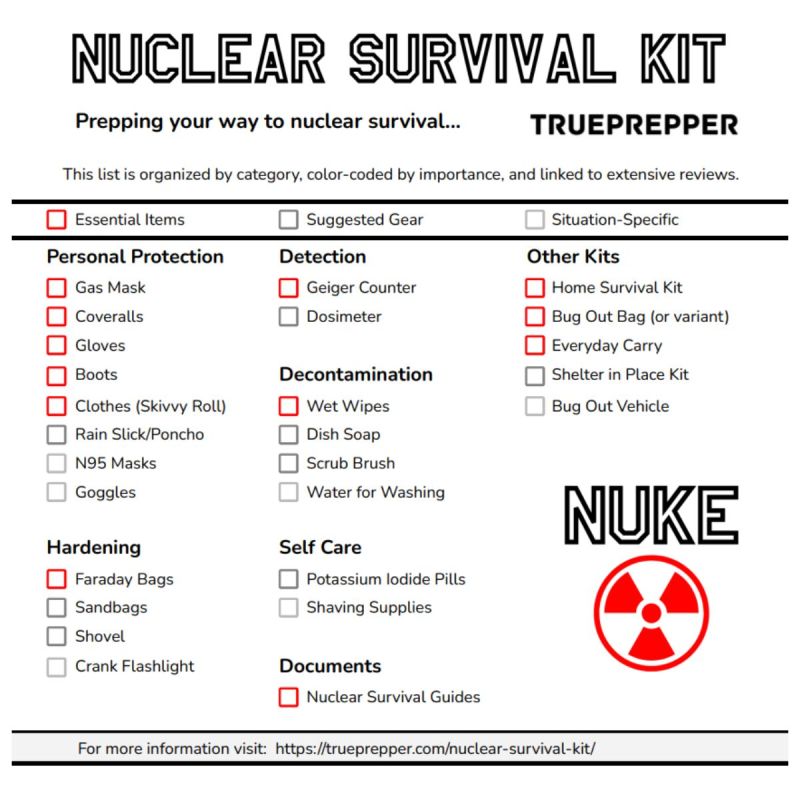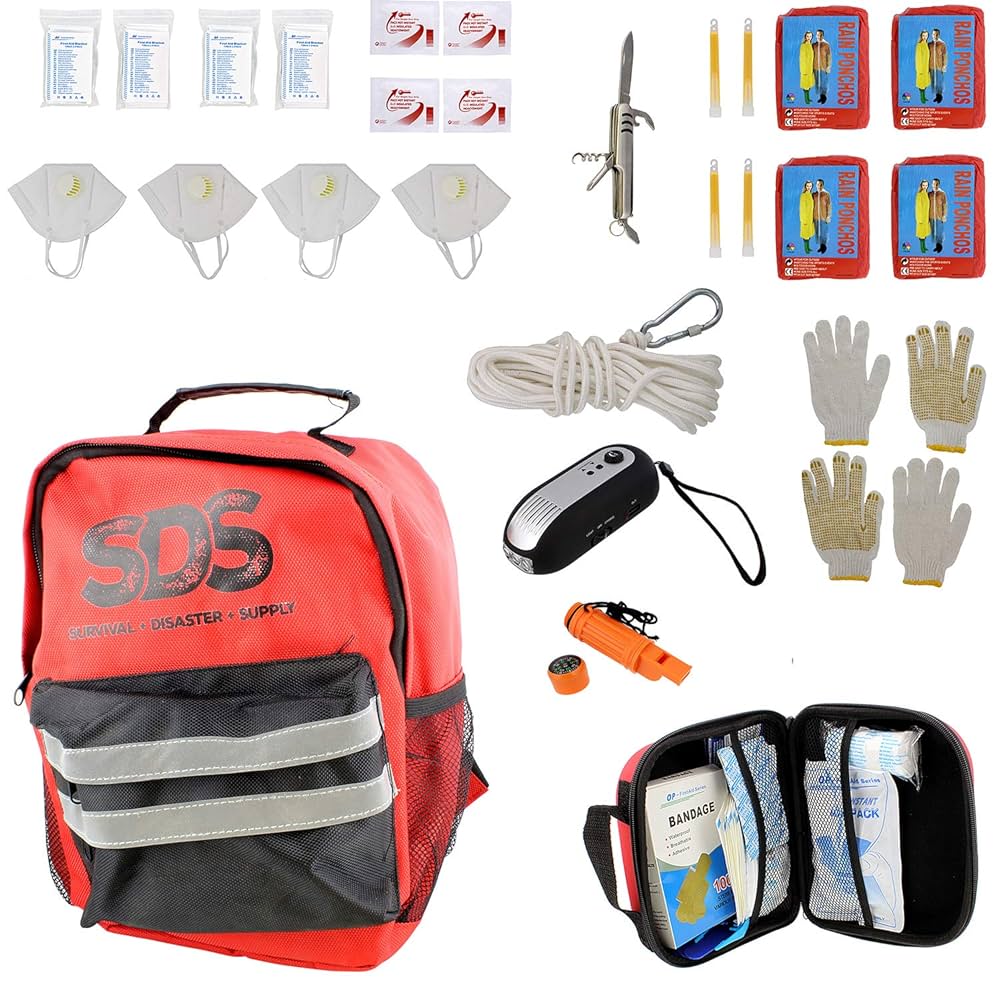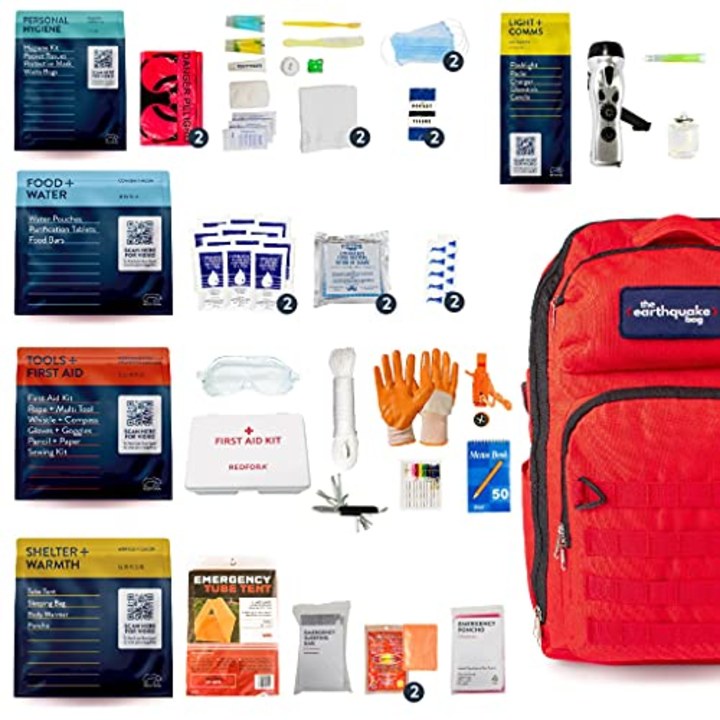
Have you ever thought about what you would do if an emergency suddenly struck? Whether it’s a natural disaster, a power outage, or getting lost on a hike, having a survival kit can make all the difference.
Your survival kit is more than just a box of supplies—it’s your lifeline when things go wrong. You’ll discover why having a survival kit is essential and how it can protect you and your loved ones when you need it most.
Keep reading to find out how being prepared can give you peace of mind and keep you safe.
Importance Of A Survival Kit
Having a survival kit is more than just a precaution—it’s a vital tool that can make a real difference when unexpected situations arise. A well-prepared kit puts you in control, ready to face challenges without panic. Understanding its importance helps you appreciate why investing time and effort in assembling one is truly worthwhile.
Emergency Scenarios
Emergencies can happen anytime—natural disasters, power outages, or getting stranded outdoors. In these moments, a survival kit provides essential supplies like water, food, and first aid items that can keep you safe and comfortable.
Think about being stuck in your car during a snowstorm. Having a survival kit with blankets, a flashlight, and non-perishable snacks could be the difference between waiting safely and facing serious danger.
Peace Of Mind
Knowing you have the right tools at hand brings a unique calmness. You won’t waste precious time searching for items or worrying about what to do next.
Imagine going on a hiking trip without a kit—you might constantly worry about what could go wrong. Packing one lets you focus on enjoying the adventure instead of stressing about the unknown.
Self-reliance
A survival kit encourages you to rely on yourself rather than others. It empowers you to handle problems independently, no matter where you are.
Have you ever been in a situation where help was delayed? Your kit becomes your lifeline, enabling you to take immediate action. Building this habit strengthens your confidence and preparedness for future challenges.

Credit: www.servpro.com
Core Items In A Survival Kit
A well-prepared survival kit contains essential items for emergency situations. These core items help you stay alive, safe, and comfortable. Each category plays a key role in survival. Knowing what to include improves your chances during unexpected events.
Water And Hydration
Water is the most critical survival need. Your kit should have enough water for at least three days. Include water bottles or pouches and water purification tools. Tablets, filters, or portable purifiers make unsafe water drinkable. Staying hydrated prevents dehydration and keeps your body working well.
Food Supplies
Food provides energy for survival tasks. Choose non-perishable, high-calorie foods. Examples include energy bars, dried fruits, nuts, and canned goods. Pack enough to last several days. Lightweight and easy-to-carry food items are ideal for emergencies.
First Aid Essentials
First aid items treat minor injuries and prevent infections. Your kit should contain bandages, antiseptic wipes, adhesive tape, and pain relievers. Add scissors, tweezers, and gloves for safety. A basic first aid guide helps you use these items correctly.
Shelter And Warmth
Protection from weather keeps you healthy. Pack a compact emergency blanket or sleeping bag. Include a lightweight tent or tarp for shelter. Warm clothing, hats, and gloves help maintain body heat. Staying dry and warm reduces the risk of hypothermia.
Tools And Equipment
Survival tools help with many tasks. Essential items include a reliable knife, multi-tool, and flashlight. Carry extra batteries and waterproof matches or a lighter. A whistle and signal mirror assist in rescue situations. These tools increase your ability to adapt and survive.
Choosing The Right Gear
Choosing the right gear for your survival kit can make a huge difference when you face unexpected situations. The right tools don’t just fill space—they provide real value and boost your confidence. Think about what you’ll actually need and use, rather than just what looks good on paper.
Durability And Quality
Your survival gear has to withstand tough conditions. Cheap materials might break or fail just when you need them most. Look for items made from strong metals, heavy-duty plastics, or durable fabrics that resist wear and tear.
Have you ever tried using a flimsy knife or a plastic water container that cracked after one fall? That frustration shows why investing in quality pays off. It’s better to have fewer items that last than many that don’t.
Portability And Weight
Carrying heavy or bulky gear can slow you down and drain your energy fast. Choose compact items that pack small but still deliver big functionality. Lightweight gear lets you move quickly without feeling weighed down.
Think about how often you’ll carry your kit. If you hike or travel, every ounce counts. Could you handle your kit all day without getting tired or annoyed?
Multi-functional Tools
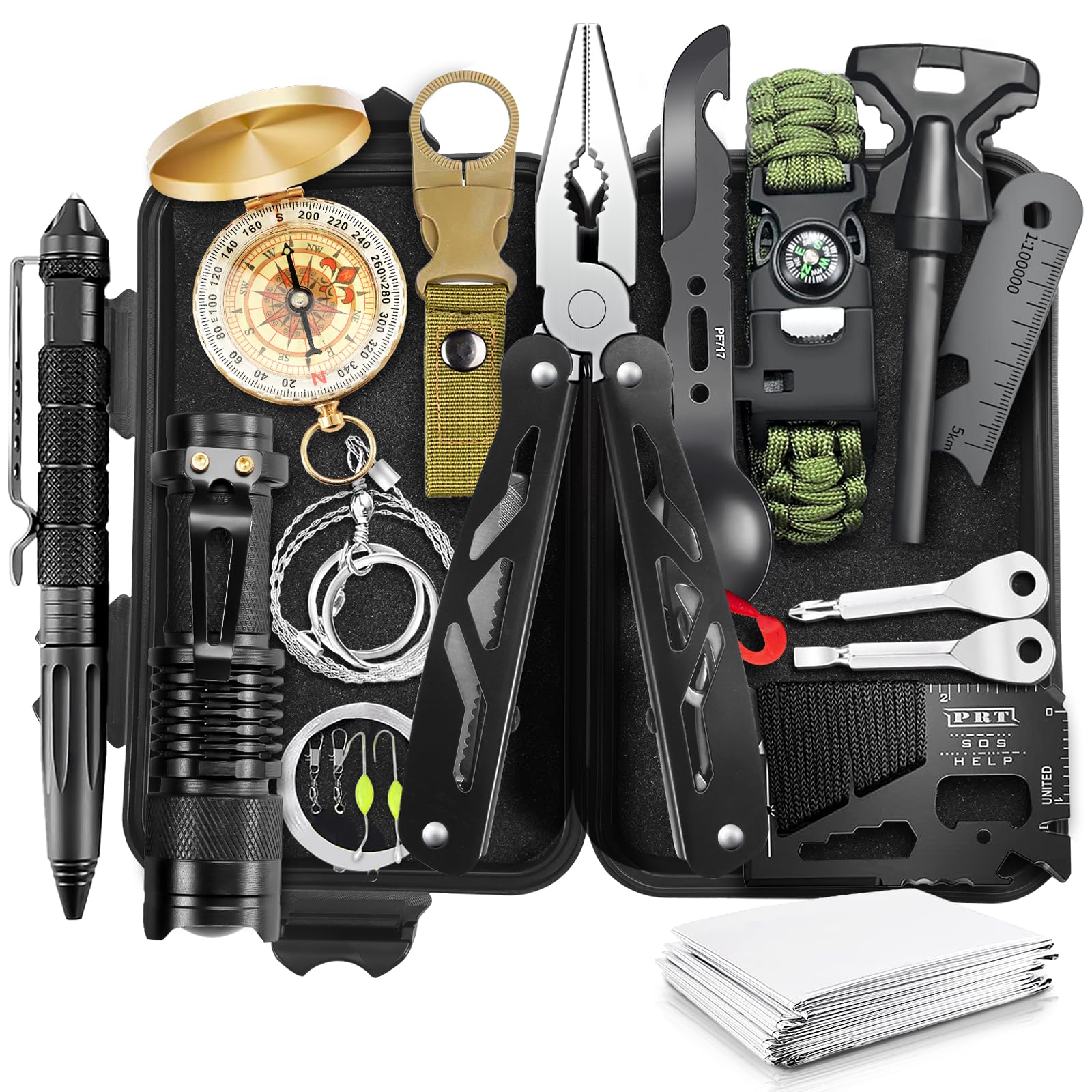
Space in a survival kit is limited, so tools that do multiple jobs are gold. A single item that serves several purposes reduces clutter and makes your kit more efficient. For example, a multi-tool with pliers, knife, screwdriver, and scissors covers many needs in one package.
Look for gear that combines functions without compromising on quality. Do you have a tool that surprises you by handling more than one task? That’s exactly the kind of smart choice to add to your kit.
Credit: www.amazon.ca
Customizing Your Kit
Customizing your survival kit ensures it fits your unique needs. A well-tailored kit increases your chances of handling emergencies effectively. Each person’s situation and surroundings differ. Your kit should reflect these differences.
Personal Needs
Consider your health conditions and daily habits. Include medicines and supplies for allergies or chronic illness. Add personal hygiene items that you use regularly. Think about your family members’ needs too. Tailor the kit to support everyone who might rely on it.
Local Environment
Study the climate and terrain where you live or travel. Prepare for cold, heat, rain, or snow. Include tools suited for the local wildlife and plants. Water purification methods might change based on water sources. Adjust your supplies based on natural disaster risks in your area.
Duration Of Preparedness
Decide how long you want your kit to support you. Short-term kits cover a few days, focusing on essentials. Longer kits require extra food, water, and supplies. Plan for power outages, shelter needs, and hygiene over time. Match your kit’s contents to the length of possible emergencies.
Maintenance And Updates
Keeping a survival kit ready means more than just packing it once. It needs regular care to stay useful. Maintenance and updates ensure the kit works well when needed most. Neglecting this can leave you with expired supplies or outdated tools. A well-maintained kit boosts your confidence and safety in tough situations.
Regular Checks
Check your survival kit every few months. Look for damaged packaging or broken items. Make sure everything is clean and dry. Test tools like flashlights and radios to see if they still work. Regular checks help find problems early, so you fix them fast.
Replacing Expired Items
Food and medicine expire over time. Using expired items can be harmful or useless. Replace these items before their expiry dates. Keep a list of expiration dates for easy tracking. Fresh supplies keep your kit ready for emergencies.
Adapting To Changing Risks
Risks change with seasons and locations. Update your kit to match new dangers. Add items for cold weather, floods, or other local threats. Review your kit after moving or major life changes. Adapting your kit ensures it fits your current needs.
Training And Skill Development
Training and skill development are key reasons to have a survival kit. Owning one is not enough. Knowing how to use its contents saves lives. Practice builds confidence and prepares you for emergencies. Skills like first aid, navigation, and fire starting are essential.
Basic First Aid
First aid knowledge helps treat injuries quickly. It prevents wounds from worsening. Learning to stop bleeding and clean cuts is vital. Knowing how to handle sprains or burns can ease pain. A survival kit often contains bandages and antiseptics. Training ensures you use these tools correctly.
Navigation Skills
Being able to find your way is crucial outdoors. A compass and map often come with survival kits. Understanding how to read them prevents getting lost. Training teaches how to identify landmarks and use natural signs. These skills keep you on track in unfamiliar places. They reduce anxiety and help reach safety faster.
Fire Starting Techniques
Fire provides warmth, light, and a way to cook food. Survival kits may include matches, lighters, or fire starters. Learning different fire-making methods is important. Practice helps you start a fire in wet or windy conditions. Knowing how to build a safe fire avoids accidents. Fire skills increase comfort and survival chances.
Survival Kit For Different Situations
A survival kit changes depending on the situation you face. Different emergencies need different tools and supplies. Preparing the right kit improves your chances of staying safe and calm.
Each environment has unique challenges. Urban emergencies, wilderness adventures, and natural disasters require specific items. Understanding these needs helps you pack smarter and be ready for anything.
Urban Emergencies
City life brings risks like power outages, accidents, or civil unrest. Your urban survival kit should include:
- A flashlight with extra batteries
- Basic first aid supplies
- A whistle for signaling
- Face masks for dust or smoke
- Water bottles and non-perishable snacks
- Portable phone charger
Compact and lightweight items work best in tight spaces. Quick access can make a big difference during urban chaos.
Wilderness Adventures
Nature can be unpredictable. Hiking, camping, or exploring demands a different set of tools. Essential wilderness survival kit items include:
- Fire starters or waterproof matches
- A reliable knife or multi-tool
- Water purification tablets or filters
- A map and compass
- Emergency blanket or shelter
- Insect repellent and sun protection
Being ready for weather changes and getting lost is crucial in the wild. These items help you stay safe and find your way.
Natural Disasters
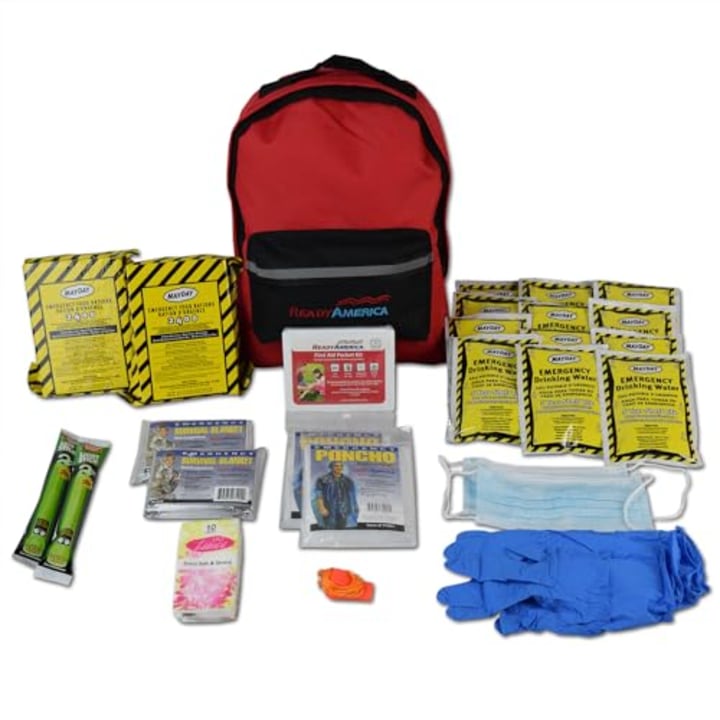
Storms, earthquakes, floods, or fires need a well-stocked disaster survival kit. Important supplies include:
- Non-perishable food for several days
- Clean water supply or purification methods
- Emergency radio for updates
- Extra clothing and sturdy shoes
- Cash in small bills
- Essential medications and hygiene items
Natural disasters often disrupt services and access. Having these items ready helps you endure until help arrives.
Credit: www.nbcnews.com
Frequently Asked Questions
What Is A Survival Kit?
A survival kit is a collection of essential items designed to help you in emergencies. It typically includes tools, food, water, and first-aid supplies. Its purpose is to support you in situations where resources are scarce. Having a well-equipped survival kit can significantly increase your chances of staying safe.
Why Is A Survival Kit Important?
A survival kit is crucial for unexpected emergencies. It provides essential supplies like food, water, and medical items. These resources help you manage situations like natural disasters or accidents. Having a survival kit ensures you are prepared, reducing stress and increasing your chances of survival in critical times.
What Should Be In A Survival Kit?
A survival kit should include non-perishable food, water, first-aid supplies, and a flashlight. Additionally, pack a multi-tool, matches, and a whistle. Consider including a blanket, personal documents, and cash. Customize your kit based on your specific needs and environment to ensure comprehensive preparedness.
How Often Should You Update A Survival Kit?
You should update your survival kit every six months. Check expiration dates on food and medical supplies. Replace any used or expired items promptly. Regularly updating your kit ensures that all contents remain functional and effective in an emergency, keeping you well-prepared for unexpected situations.
Conclusion
Having a survival kit saves precious time in emergencies. It keeps you prepared for unexpected situations. A well-stocked kit offers safety and peace of mind. Everyone can face risks like natural disasters or accidents. Carrying basic supplies helps you stay calm and focused.
It supports you until help arrives or conditions improve. Don’t wait for a crisis to start preparing. A survival kit is a small step with big benefits. Stay ready, stay safe.