When an earthquake strikes, every second counts. You might not have time to think clearly or gather what you need.
That’s why having a well-prepared earthquake survival kit is crucial. But what exactly should you put in your kit to stay safe and comfortable during those uncertain moments? You’ll discover the essential items that can protect you and your loved ones when the ground starts shaking.
Keep reading to make sure your kit is ready for anything.
Basic Supplies
Basic supplies form the heart of your earthquake survival kit. These items help you stay alive and safe during the critical hours after an earthquake. Focus on essentials that meet your immediate needs. Keep everything easy to carry and use.
Water And Hydration
Water is the most important supply. Your body needs water to stay alive for days. Store at least one gallon of water per person per day. Plan for three days minimum. Use sealed bottles or water containers made for long storage.
Consider water purification tablets or a portable filter. These help if your water supply runs out. Always check expiration dates and replace water regularly.
Non-perishable Food
Choose food that lasts without refrigeration. Canned goods, dried fruits, and nuts work well. Energy bars and ready-to-eat meals are great options too. Pick foods that need no cooking or just add water.
Store enough food for at least three days. Rotate your food supply to keep it fresh. Include a manual can opener and utensils.
First Aid Kit
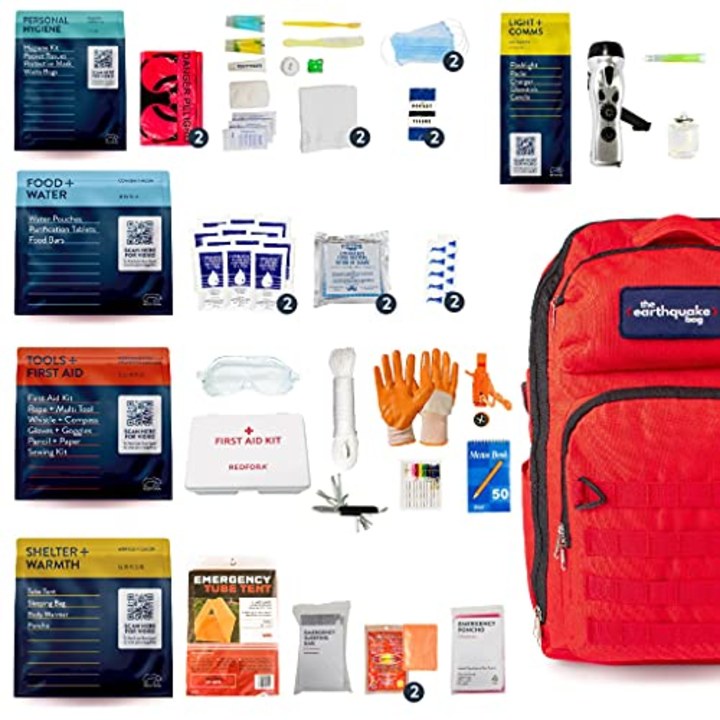
A first aid kit treats cuts, bruises, and other injuries. It should include bandages, antiseptic wipes, and adhesive tape. Add pain relievers, scissors, tweezers, and gloves.
Keep any personal medications in the kit. Include instructions for basic first aid. Check and restock your kit regularly.
Tools And Equipment
Tools and equipment form the backbone of any earthquake survival kit. They help you stay safe, signal for help, and manage daily tasks after a quake. Choose items that are reliable and easy to use in stressful situations. Compact and lightweight tools work best for quick access and portability.
Flashlights And Batteries
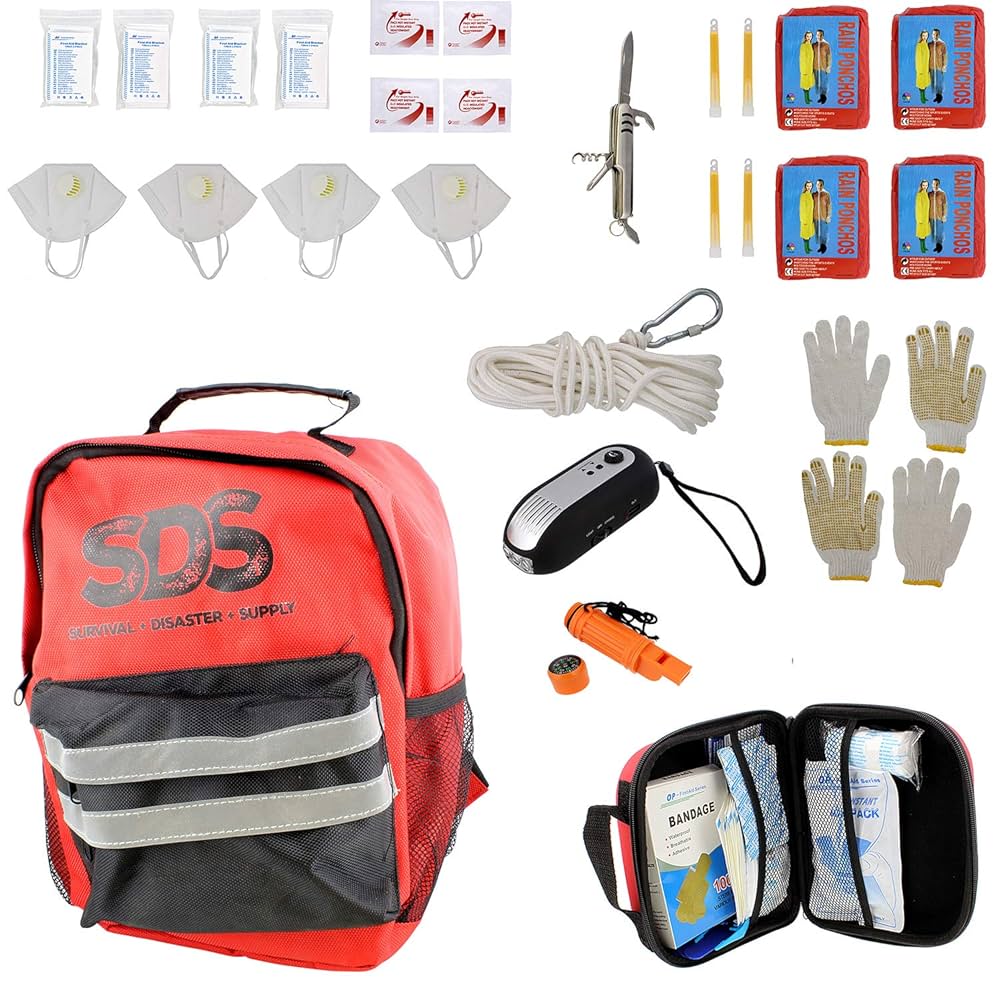
Light goes out during earthquakes. Flashlights provide crucial illumination in dark spaces. Pick LED flashlights for longer battery life and brighter light. Pack extra batteries to keep them running for days. Small, handheld models fit easily in bags or pockets. Consider glow sticks as a backup light source.
Multi-tool And Knife
A multi-tool combines many useful functions in one device. Look for models with pliers, screwdrivers, scissors, and a knife blade. A sturdy knife helps with cutting rope, opening packages, or preparing food. These tools assist in repairs and survival tasks. Make sure the tools lock securely to avoid accidents.
Whistle And Signal Devices
Sound signals attract rescuers if trapped or lost. A loud whistle can be heard from far away. Attach it to your kit or wear it around your neck. Signal mirrors reflect sunlight to draw attention during the day. Bright, flashing lights can work at night. These devices boost your chances of being found quickly.
Personal Items
Personal items in your earthquake survival kit keep you comfortable and secure. These essentials help you stay clean, warm, and organized during emergencies. Prepare items that cover basic needs and protect your identity.
Clothing And Blankets
- Pack extra clothes suitable for different weather conditions.
- Include sturdy shoes to protect your feet.
- Add warm blankets or sleeping bags for cold nights.
- Consider rain gear like ponchos or waterproof jackets.
- Choose layers for easy adjustment to temperature changes.
Personal Hygiene Products
- Include toothbrush, toothpaste, and soap for cleanliness.
- Pack feminine hygiene products for women.
- Add hand sanitizer and wet wipes for quick cleaning.
- Bring a small towel and tissues for comfort.
- Consider a razor and deodorant to maintain hygiene.
Important Documents
Keep copies of vital documents safe and dry. Store these in a waterproof container or zip-lock bag.
- Identification cards and passports
- Insurance papers
- Medical records and prescriptions
- Emergency contact information
- Bank account and property documents
Communication And Navigation
Communication and navigation tools are vital in your earthquake survival kit. When disasters strike, regular means of communication can fail, and roads might be blocked or unsafe. Having reliable ways to get information and find your way can make a huge difference in staying safe and connected.
Battery-powered Radio
A battery-powered radio keeps you updated when phones and internet go down. It allows you to receive emergency broadcasts, weather updates, and important instructions from authorities.
Choose a radio that supports multiple power sources—batteries, solar, or hand crank. This way, you won’t be left in silence if the power grid fails. I once relied on a small hand-crank radio during a blackout after a storm; it was my lifeline for news and reassurance.
Remember to pack extra batteries and test your radio regularly. Can you imagine being cut off from vital information when you need it most?
Maps And Compass
GPS devices might not work without power or signal, so physical maps and a compass are essential. They help you navigate safely if you need to evacuate or find a safe spot.
Keep a detailed local map in your kit, highlighting shelters, hospitals, and evacuation routes. Pair it with a reliable compass to determine direction, especially if landmarks are damaged or unrecognizable.
Practice reading your map and using your compass before an emergency. How confident are you in finding your way without digital help?
Safety And Protection
Safety and protection are crucial in an earthquake survival kit. These items help reduce injuries from dust, debris, and unstable conditions. Protecting your body and eyes can prevent serious harm during and after an quake.
Dust Masks And Gloves
Dust masks keep harmful particles out of your lungs. After an earthquake, dust and debris fill the air. Wearing a mask helps you breathe easier and avoid respiratory issues. Gloves protect your hands from sharp objects and rough surfaces. They also help when moving debris or handling broken glass.
Eye Protection
Eye protection shields your eyes from dust, flying debris, and broken glass. Safety goggles or glasses work best. They prevent injuries that could cause pain or blindness. In a chaotic environment, eye protection keeps your vision clear and safe.
Emergency Shelter
An emergency shelter provides a safe place to rest and stay protected. This could be a compact tent, tarp, or space blanket. It shields you from rain, wind, and falling debris. Shelter also helps maintain body heat and keeps you comfortable in tough conditions.

Credit: www.amazon.com
Special Considerations
When preparing your earthquake survival kit, some items need extra attention because they can make a big difference in your safety and comfort. These special considerations ensure you’re ready not just for basic survival but also for your unique needs and those of your family members. Think about what you might need beyond the usual supplies—these could be lifesavers in a real emergency.
Medications And Medical Supplies
Do you take prescription medications daily? Stock up on at least a week’s supply, and keep it in a waterproof container. Include over-the-counter pain relievers, allergy medicine, and any specific medical supplies like insulin, inhalers, or bandages.
Remember to check expiration dates regularly and replace items as needed. A small first aid kit is essential, but consider adding items like extra glasses, contact lenses, or hearing aid batteries if they apply to you.
Pet Care Items
Pets need care too, especially in emergencies. Pack enough food and water for at least three days. Include a leash, carrier, and any medications your pet requires.
Don’t forget comfort items like a favorite toy or blanket to keep them calm. If you have multiple pets, plan for their specific needs to avoid last-minute stress.
Cash And Emergency Contacts
Power outages can make electronic payment methods useless. Keep some cash in small bills in your kit to buy essentials if ATMs and cards are down.
Write down important phone numbers on paper—family members, doctors, emergency services—and keep them in your kit. Your phone’s battery might die, so having this backup can keep you connected when it matters most.
Maintenance And Storage
Maintaining and storing your earthquake survival kit properly keeps it ready for emergencies. Regular checks help avoid expired items and broken tools. Safe storage protects the kit from damage and makes it easy to grab when needed.
Kit Rotation And Updates
Check your kit every six months. Replace expired food, water, and medicine. Update supplies based on changing family needs. Add new items as recommended by safety experts. Keep a checklist to track all changes and ensure nothing is missing.
Storage Tips
- Store the kit in a cool, dry place.
- Choose a location easy to access quickly.
- Use a sturdy, waterproof container to protect contents.
- Keep the kit away from direct sunlight and moisture.
- Inform family members about the kit’s location.
- Label the container clearly for quick identification.

Credit: www.amazon.com

Credit: www.amazon.com
Frequently Asked Questions
What Essentials Are In An Earthquake Survival Kit?
An earthquake survival kit should include water, non-perishable food, a flashlight, batteries, a first-aid kit, and a whistle. Additionally, pack personal hygiene items, sturdy shoes, and a multi-tool. Ensure you have copies of important documents and some cash. Regularly check and update your kit based on your family’s needs.
How Much Water Should Be In The Kit?
Your earthquake survival kit should have at least one gallon of water per person per day. It’s advisable to store enough water to last for at least three days. This ensures you have enough for drinking and basic hygiene needs during emergencies.
Why Include A Whistle In Your Kit?
A whistle is crucial in an earthquake survival kit for signaling rescuers. In the event you are trapped, a whistle’s sound can travel further than a human voice. It requires less effort and can be a lifesaver in emergency situations when you need to alert others.
Should I Add Cash To My Earthquake Kit?
Yes, include cash in small bills in your earthquake kit. During emergencies, ATMs and card machines might be inaccessible or inoperative. Having cash ensures you can purchase essential items if needed, providing peace of mind when electronic transactions are unavailable.
Conclusion
Preparing an earthquake survival kit saves lives. Include water, food, first aid, and tools. Keep important documents in a safe place. Regularly check and update your kit. Stay calm and ready during emergencies. Small steps now protect your family later.
Don’t wait for disaster to strike. Be smart, be safe, and stay prepared.