When you’re out in the wild, your backpacking survival kit can make all the difference between a tough day and a safe adventure. But what exactly should you pack to be ready for anything?
You want to be prepared without carrying too much weight or unnecessary items. This guide will help you choose the right tools and supplies to keep you safe, comfortable, and confident on your trip. Keep reading, and you’ll discover the must-have essentials that belong in your survival kit—because being ready is the best way to enjoy the great outdoors worry-free.

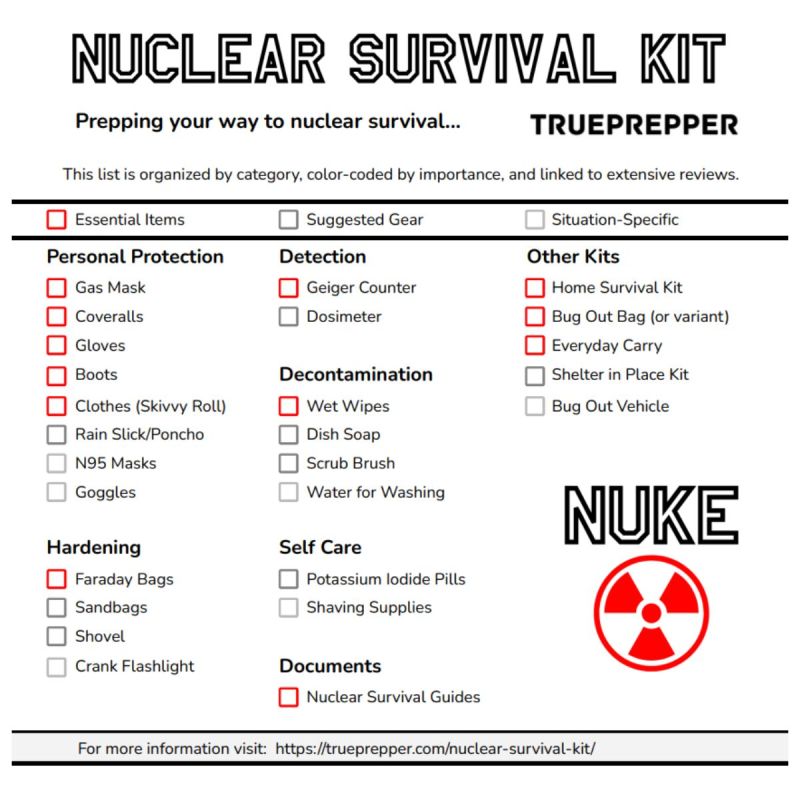
Credit: www.emergencyzone.com
Choosing The Right Backpack
Choosing the right backpack is key for any backpacking survival kit. It affects how much gear you carry and how comfortable you feel on the trail. The right backpack makes packing and hiking easier. It should fit your needs and support your body well.
Size And Capacity
Pick a backpack size based on your trip length and gear. Small backpacks hold 20 to 35 liters, good for day trips. Medium packs, 35 to 50 liters, fit overnight gear. Large packs over 50 liters carry multi-day supplies. Avoid overpacking. A proper size keeps weight manageable and saves energy.
Comfort And Fit
Comfort matters most for long hikes. Choose a backpack with adjustable straps and padded shoulder areas. Look for a hip belt to shift weight to your hips. Check the back panel for breathability. Try the backpack with weight before buying. A good fit reduces pain and improves balance.
Durability And Material
Backpack material affects weight and toughness. Nylon and polyester are common, both resist tears and water. Ripstop fabric adds strength. Waterproof coatings help in rain. Check stitching and zippers for quality. A durable backpack lasts many trips and protects your gear better.
Shelter And Sleeping Gear
Shelter and sleeping gear form the core of any backpacking survival kit. Protecting yourself from the elements and ensuring a good night’s rest can save energy and keep spirits high. The right gear must be light and compact yet reliable. Focus on tools that balance weight and durability. Prepare for cold nights, rain, or unexpected weather changes.
Lightweight Tents And Tarps
Choose tents that are easy to carry and quick to set up. Look for materials that resist wind and rain. Tarps are versatile and can create a simple shelter fast. They weigh less than tents and offer good protection from rain and sun. Both options help maintain body heat and block wind.
Sleeping Bags And Pads
Pick sleeping bags suited to the temperature range of your trip. Synthetic or down insulation provides warmth without bulk. Sleeping pads add comfort and insulation from cold ground. They prevent heat loss and improve sleep quality. Compact pads fit easily in a backpack.
Emergency Blankets
Emergency blankets are lightweight and take up little space. They reflect body heat and keep you warm in emergencies. These blankets resist water and wind. Carry one as a backup to enhance your shelter and sleeping setup. They are essential for unexpected cold or wet conditions.
Water And Hydration Tools
Water is the most important element in any backpacking survival kit. Staying hydrated keeps your body working well. It helps you think clearly and stay strong on the trail. Carrying the right tools for water and hydration is critical for safety and comfort.
Knowing how to store and purify water ensures you always have clean drinking water. Hydration tools should be light, durable, and easy to use. Let’s explore the essentials every backpacker needs for water and hydration.
Water Bottles And Bladders
Choose water containers that fit your style and trip length. Water bottles are simple and sturdy. Look for bottles made of BPA-free plastic or metal. They resist leaks and keep water clean.
Water bladders fit inside backpacks and allow hands-free drinking. They have a hose and valve for easy access. Bladders save space and encourage frequent sipping. Both bottles and bladders should be easy to clean and refill.
Water Purification Methods
Natural water sources may contain germs and harmful bacteria. Purify water to avoid sickness. Carry a reliable method like:
- Portable water filters that remove dirt and microbes
- Water purification tablets that kill bacteria and viruses
- UV light devices that use ultraviolet rays to clean water
- Boiling water over a campfire to kill pathogens
Pick a method that fits your trip and backpack weight. Test it before your hike to ensure it works well.
Hydration Tips
Drink small amounts often to stay hydrated. Don’t wait until you feel thirsty. Carry enough water for your hike and refill when possible. Use reminders to drink regularly. Track your water intake in hot weather or hard hikes.
Keep water containers clean to avoid bad taste and bacteria. Store water away from direct sunlight to keep it cool. Drink water before you start feeling tired or dizzy.
Food And Cooking Essentials
Packing the right food and cooking essentials can make or break your backpacking survival experience. You want items that are lightweight, easy to prepare, and provide enough energy to keep you going. Think about meals that fuel your body without weighing down your pack or requiring complicated cooking methods.
Non-perishable Food Items
Choose foods that won’t spoil even if your kit sits unused for months. Think about energy-dense options like:
- Dried fruits and nuts – compact and full of nutrients
- Instant oatmeal – quick to prepare with just hot water
- Energy bars and trail mix – perfect for snacking on the move
- Dehydrated meals – lightweight and easy to rehydrate
- Canned tuna or chicken – packed with protein but heavier, so use wisely
Have you ever been stuck without a reliable food source? These choices can keep you nourished when fresh food isn’t available.
Portable Cooking Stoves
A portable stove is a game-changer. It lets you cook hot meals even in challenging environments. Look for stoves that are:
- Compact and lightweight
- Easy to set up and operate
- Compatible with widely available fuel types
Personally, I prefer canister stoves because they light quickly and offer good heat control. But if you want something simpler, a solid fuel stove could work. What stove design suits your adventure style?
Utensils And Fuel
Don’t forget the tools that make cooking possible. A small, sturdy pot or pan is essential for boiling water and cooking meals. Add a spork or a lightweight set of cutlery to eat comfortably.
- Bring fuel that matches your stove and lasts several days.
- Always pack a lighter or waterproof matches as backup ignition sources.
- Consider a windscreen to improve stove efficiency and save fuel.
Choosing the right utensils and fuel saves time and frustration. What’s your backup plan if your primary fuel runs out?
Fire Starting Equipment
Fire starting equipment is essential for any backpacking survival kit. Fire provides warmth, cooks food, and signals for help. Carry reliable tools to start a fire in various weather conditions. Prepare for wet or windy environments where fire is harder to light. A small, lightweight kit can make a big difference during emergencies.
Matches And Lighters
Waterproof matches are a must for outdoor fire starting. They stay dry and ignite easily even in damp conditions. Carry a small, refillable lighter as a backup. Windproof lighters offer better performance in strong winds. Store matches and lighters in a sealed, waterproof container to protect them from moisture.
Fire Starters And Tinder
Fire starters help ignite a fire quickly. Common options include cotton balls soaked in petroleum jelly, wax sticks, and commercial fire starter cubes. Tinder is dry material that catches flame easily. Collect dry leaves, pine needles, or bark as natural tinder. Always pack some synthetic tinder to ensure fire starting regardless of conditions.
Fire Safety Tips
- Clear the area of leaves and twigs before lighting a fire.
- Build fires only in designated spots or fire rings.
- Keep water or dirt nearby to extinguish the fire quickly.
- Never leave a fire unattended, even for a short time.
- Fully extinguish the fire before leaving the site.
Navigation Tools
Navigation tools are essential for every backpacking survival kit. They help you find your way and avoid getting lost in the wild. Good navigation tools increase your safety and confidence on the trail.
Maps And Compasses
Maps show the terrain, trails, and landmarks in detail. A compass helps you find direction using magnetic north. Together, they provide a reliable way to navigate without batteries or signals. Carry a topographic map and a sturdy compass. Learn how to read both before your trip.
Gps Devices
GPS devices use satellites to pinpoint your exact location. They offer route tracking, waypoints, and emergency features. Choose a GPS device with long battery life and waterproof design. Carry extra batteries or a portable charger. Remember, GPS devices can fail, so do not rely on them alone.
Trail Markers
Trail markers guide you along established paths. They can be painted signs, cairns (stone piles), or flags. Pay attention to these markers to stay on track. Some trails have unique markers you should learn to recognize. Markers work well in clear weather and help confirm your position on a map.
First Aid Supplies
First aid supplies are essential in any backpacking survival kit. They help treat minor injuries and prevent infections. A well-stocked kit can make a big difference in an emergency. It should cover basic medical needs, injury care, and personal medication.
Basic Medical Items
- Adhesive bandages in various sizes
- Antiseptic wipes or solution
- Sterile gauze pads and adhesive tape
- Disposable gloves for hygiene
- Small scissors and tweezers
- CPR face shield for rescue breathing
Injury Treatment
- Elastic bandages for sprains and strains
- Antibiotic ointment to prevent infections
- Burn cream or aloe vera gel
- Pain relief gel or cream
- Cold packs for swelling and bruises
- Splint materials for immobilizing broken bones
Medication And Personal Needs
- Pain relievers like ibuprofen or acetaminophen
- Antihistamines for allergies
- Anti-diarrhea medication
- Personal prescription medicines
- Electrolyte packets to prevent dehydration
- Insect bite relief cream

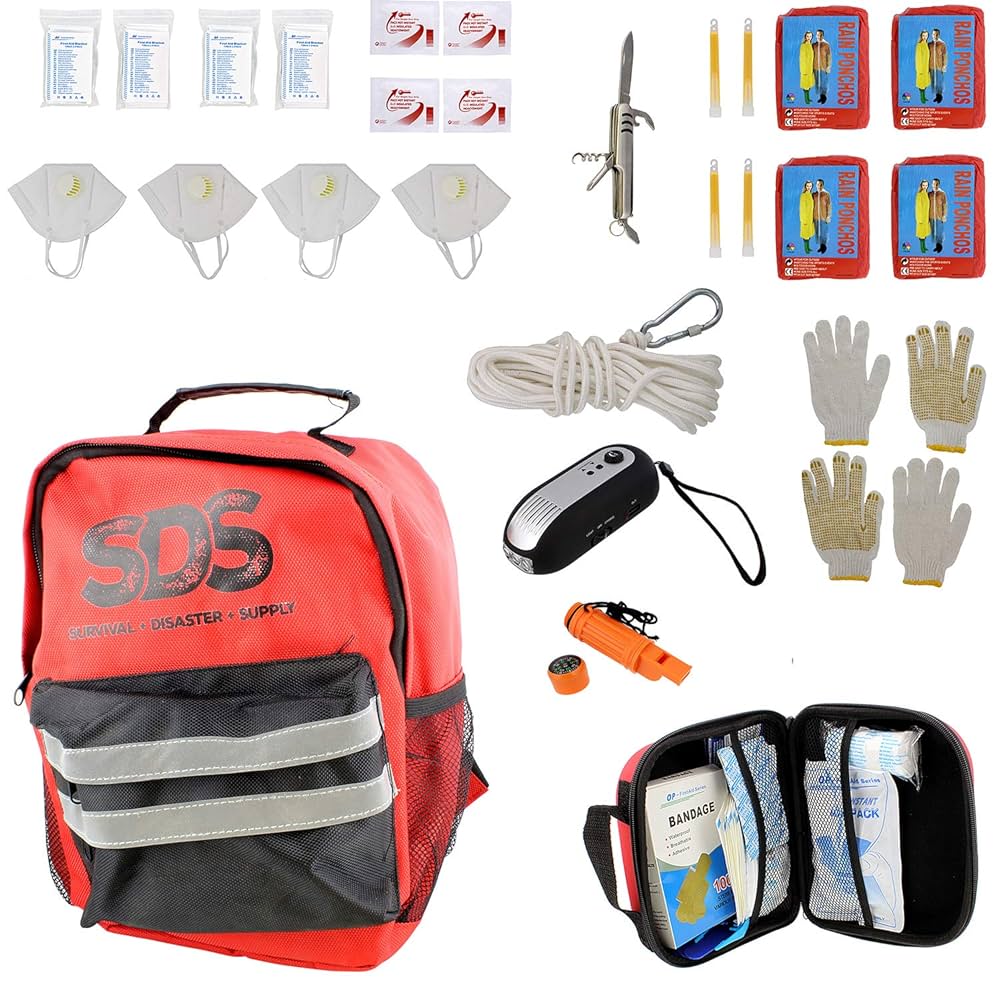
Credit: www.amazon.com
Clothing And Weather Gear
Clothing and weather gear are vital for any backpacking survival kit. They protect your body from cold, heat, rain, and wind. Proper clothing keeps you comfortable and safe in changing weather conditions. Choosing the right items can prevent hypothermia, sunburn, and blisters.
Pack clothes that dry fast and resist wind. Breathable fabrics help control moisture and temperature. Layering is key to adjust your warmth easily. Rain and wind protection must be lightweight and packable. Footwear needs to support your feet on rough trails.
Layering Techniques
Layering lets you add or remove clothes to stay warm or cool. Start with a base layer that wicks sweat from your skin. Use a middle layer for insulation, like fleece or wool. The outer layer should block wind and rain. Avoid cotton; it holds moisture and cools you down.
- Base layer: synthetic or wool
- Insulation layer: fleece or down
- Shell layer: waterproof and windproof
Rain And Wind Protection
Rain and wind gear keeps you dry and warm. A lightweight rain jacket with a hood is essential. Waterproof pants help protect your legs. Look for breathable materials to avoid sweating inside your clothes. Pack a compact poncho as a backup. Windproof jackets reduce heat loss on cold, windy days.
Footwear Considerations
Footwear must fit well and support your feet for long hikes. Choose sturdy hiking boots or trail shoes with good grip. Waterproof shoes protect against wet trails and streams. Break in your footwear before the trip to avoid blisters. Carry extra socks made from wool or synthetic fibers.
Multi-tools And Repair Kits
A well-prepared backpacking survival kit must include reliable multi-tools and repair kits. These items help solve unexpected problems and keep your gear working. Compact tools save space and weight while offering multiple functions. Repair materials fix broken equipment quickly, preventing bigger issues. Small fixes can make a big difference on the trail.
Knives And Multi-tools
A sharp knife is essential for cutting, food prep, and safety. Choose a knife with a strong, sharp blade and a comfortable handle. Multi-tools combine several useful tools in one compact device. Common tools include:
- Knife blade
- Pliers
- Screwdrivers
- Can opener
- Scissors
- File
Multi-tools reduce the need to carry many separate items. Pick one that fits your needs and feels good in your hand.
Repair Materials
Repair kits fix gear problems that can stop your trip. Include strong nylon thread and needles for sewing torn fabric. Carry extra cord or paracord for replacing broken laces or securing items. Small sewing kits or patches help fix tents or backpacks. Pack spare buckles and clips for quick replacements. These items keep your equipment functional and safe.
Duct Tape Uses
Duct tape is a must-have for quick fixes. It sticks to almost anything and holds well under tough conditions. Use duct tape to:
- Patch holes in tents or tarps
- Repair torn clothing or gear
- Fix broken straps or backpack parts
- Seal leaks in water containers
- Wrap injuries as a temporary bandage
Carry a small roll or wrap some tape around a pencil for easy access. Duct tape is lightweight and solves many common problems on the trail.
Communication And Signaling
Communication and signaling tools are vital in any backpacking survival kit. They help you call for help and guide rescuers to your location. These tools increase your safety when you face unexpected situations outdoors.
Whistles And Mirrors
Whistles make loud sounds that carry far. They need little energy and work in all weather. Carry a whistle with a clear, sharp tone. Use it in short bursts to attract attention.
Mirrors reflect sunlight and create bright flashes. These flashes can be seen from long distances. Use a small signal mirror for easy carrying. Aim the reflected light towards a distant person or aircraft.
Emergency Beacons
Emergency beacons send your location to rescue teams. They use GPS and satellite signals for accuracy. Personal Locator Beacons (PLBs) and Satellite Messengers are common types. Activate them only in real emergencies. They provide reliable help even in remote areas.
Mobile Devices
Mobile phones can be lifesavers with proper preparation. Keep your phone charged and in a waterproof case. Use apps designed for offline maps and emergency signals. Note that cell coverage may be limited. Always have backup communication tools alongside your phone.
Personal Hygiene Items
Keeping up with personal hygiene on a backpacking trip can be challenging but it’s crucial for your health and comfort. Your survival kit should include items that help you stay clean, protect your skin, and avoid common outdoor nuisances. Small, lightweight items can make a big difference in how you feel after a long day on the trail.
Sanitation Supplies
Sanitation supplies are essential to prevent illness and maintain cleanliness. Pack biodegradable soap, a small towel or washcloth, and hand sanitizer. Don’t forget a travel-sized toothbrush and toothpaste to keep your mouth fresh.
Adding a few plastic zip bags can help you pack out used tissues or sanitary items, protecting the environment and other hikers. Have you ever faced discomfort from not having basic sanitation tools during your hike? Carrying these small items can prevent that.
Insect Repellent
Insects can turn a peaceful hike into a frustrating experience. Including insect repellent in your kit helps you avoid bites and the risk of insect-borne diseases. Choose a repellent with DEET or natural alternatives like lemon eucalyptus oil, depending on your preference.
Remember to apply it regularly, especially during dawn and dusk when bugs are most active. If you’ve ever scratched endlessly from mosquito bites, you know how vital this item is. Consider also packing anti-itch cream for unexpected bites.
Sun Protection
Sun protection is often overlooked but can save you from painful sunburns and long-term skin damage. Sunscreen with at least SPF 30 should be part of your survival kit. Don’t forget lip balm with SPF to protect your lips.
Wearing a wide-brimmed hat and lightweight, UV-protective clothing adds extra layers of defense. Have you ever ended a hike with a sunburn that made the next day miserable? Taking sun protection seriously changes your entire backpacking experience.
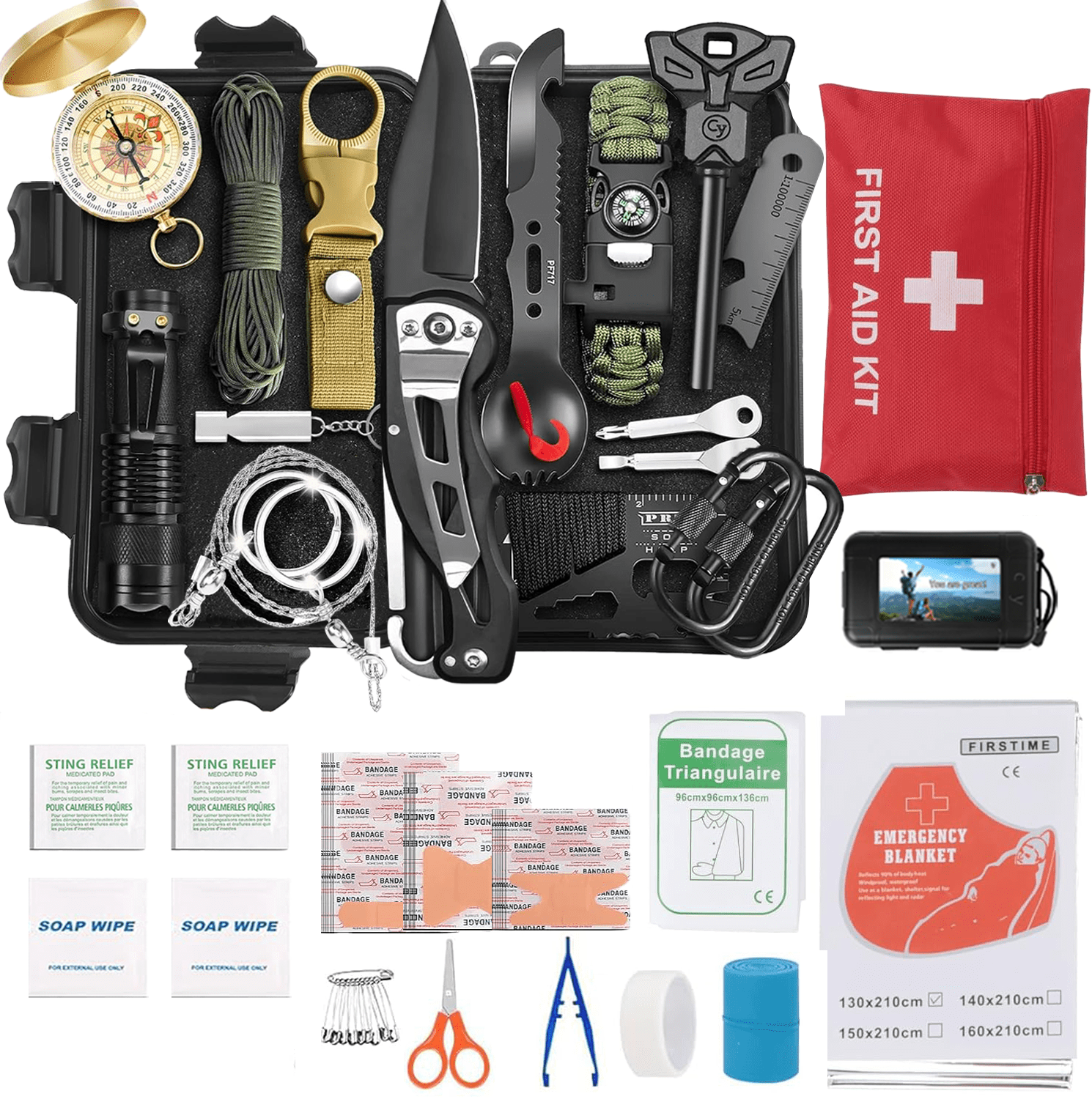
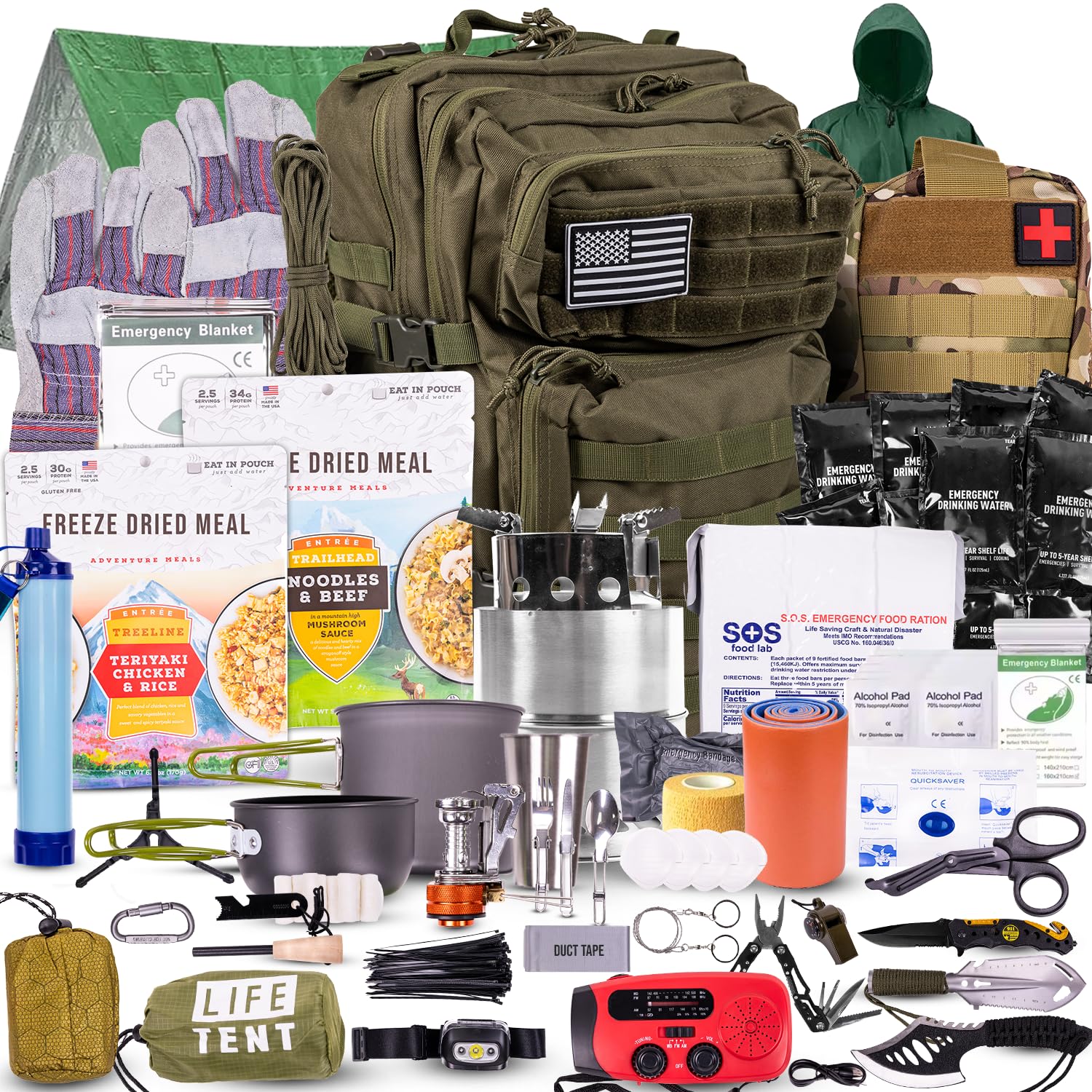
Credit: www.walmart.com
Frequently Asked Questions
What Essentials Go In A Backpacking Survival Kit?
A backpacking survival kit should include a first aid kit, multi-tool, fire starter, water purification tablets, and navigation tools. Additionally, pack a compact flashlight, emergency blanket, and high-calorie snacks. These items ensure safety, warmth, and sustenance during unexpected situations. Always tailor the kit to your specific trip and environment.
How Do I Choose A Survival Knife?
Choose a survival knife with a fixed blade, full tang, and comfortable grip. The blade should be stainless steel for durability. Consider a knife with a serrated edge for versatility. The size should be manageable for your hand. A reliable sheath is essential for safety and easy access during emergencies.
Why Is A Multi-tool Important?
A multi-tool provides versatile solutions for various challenges in the wilderness. It combines tools like pliers, knives, and screwdrivers in one compact unit. This versatility makes it invaluable for repairs, food preparation, and emergencies. Its lightweight design ensures it won’t add significant weight to your backpacking gear.
Should I Include A Compass In My Kit?
Including a compass in your survival kit is essential for navigation. It helps you stay on course and find your way back if lost. A compass doesn’t rely on batteries, unlike GPS devices. Always pair it with a map for effective navigation in unfamiliar terrains.
Conclusion
A good backpacking survival kit keeps you safe and ready. Pack essential items like a knife, fire starter, and first aid supplies. Choose lightweight and compact gear to save space. Regularly check and update your kit before trips. Being prepared helps you handle unexpected situations calmly.
Stay safe and enjoy your outdoor adventures fully. Remember, a simple kit can make a big difference. Always carry what you truly need. Ready for the wild? Your survival kit is your best friend.