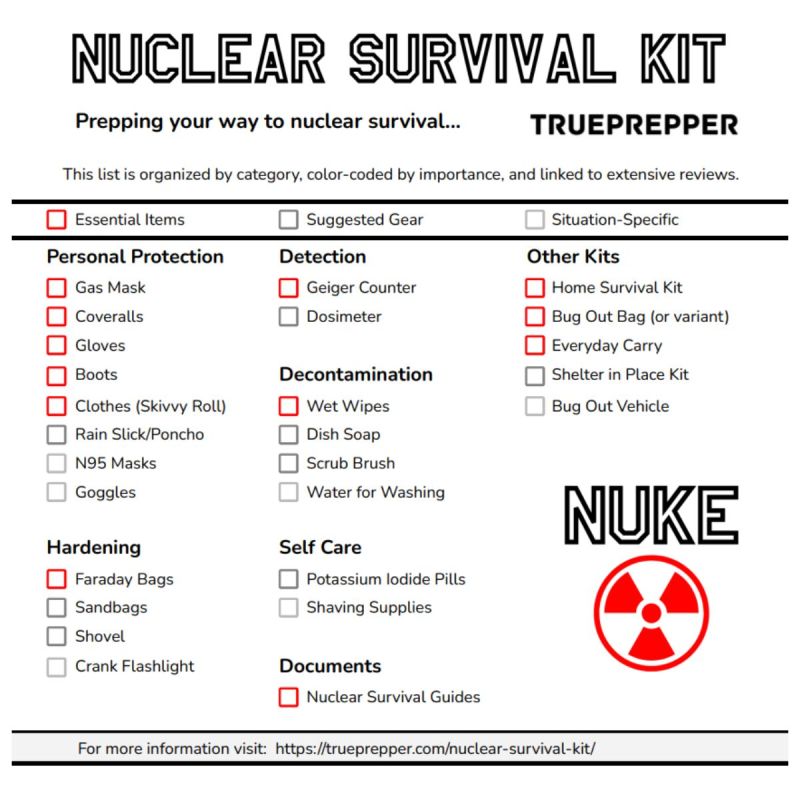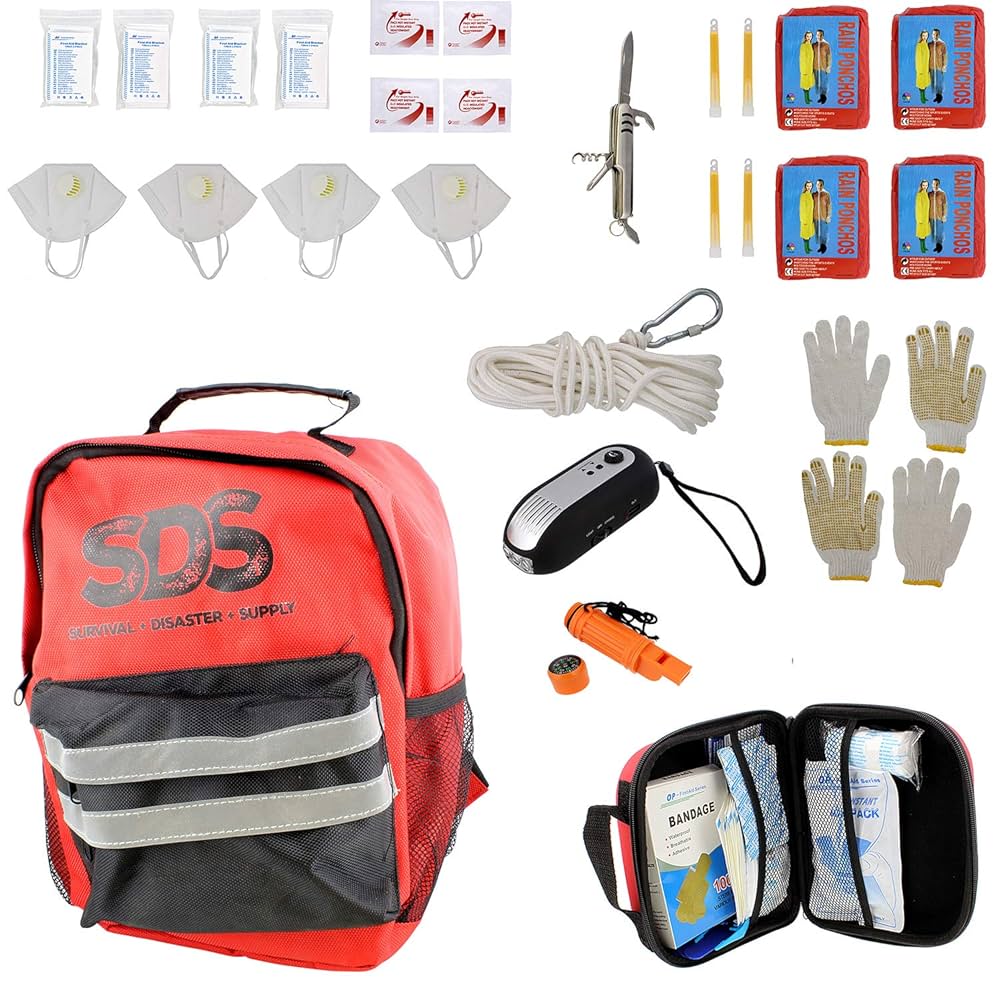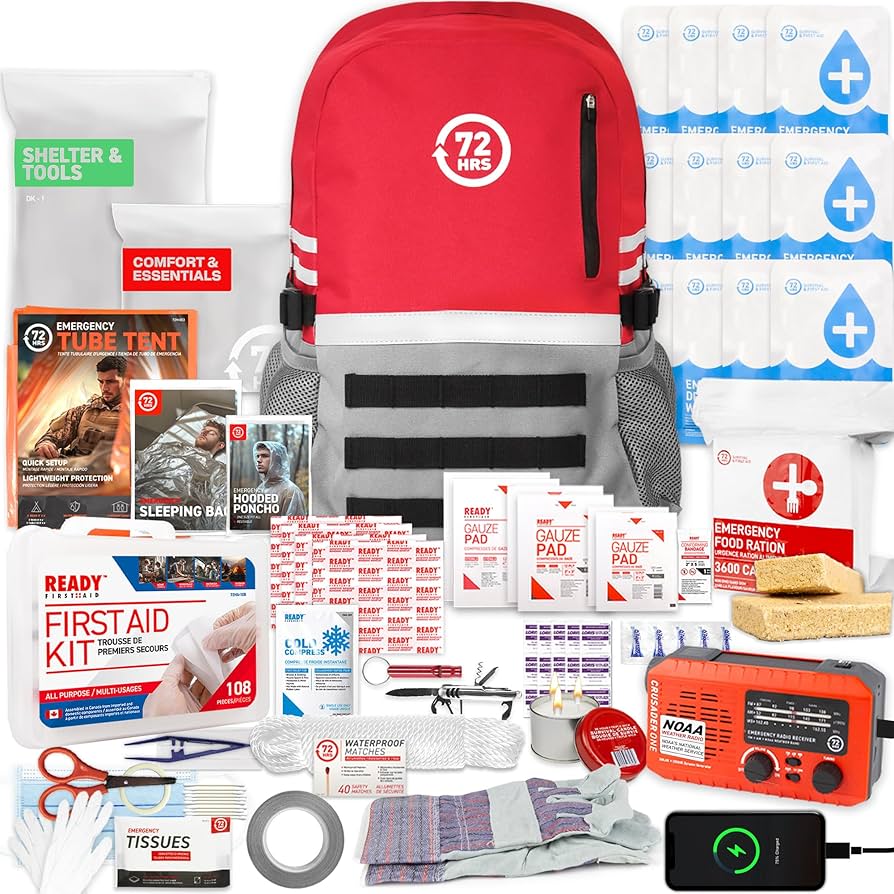
When a tsunami strikes, every second counts. You need to act fast and be ready to survive.
But do you know exactly what to pack in your survival kit to keep yourself and your loved ones safe? Having the right supplies can make all the difference between staying safe and facing serious danger. You’ll discover the essential items you must have in your tsunami survival kit.
Prepare now, so when the unexpected happens, you’re not left scrambling. Keep reading to protect your life and peace of mind.
Basic Survival Gear
Having basic survival gear ready is essential when preparing for a tsunami. These items can make the difference between staying safe and facing serious risks. Your kit should focus on essentials that keep you hydrated, nourished, and able to handle minor injuries.
Water And Hydration Tools
Clean water is your top priority after a tsunami hits. Carry at least one gallon of water per person per day for at least three days. Include water purification tablets or a portable water filter to treat contaminated water sources.
A compact water bottle with a built-in filter can save space and weight. Imagine being stranded without clean water—having these tools can be a lifesaver. Don’t forget to pack extra bottles or collapsible containers for storing water.
Non-perishable Food Supplies
You’ll need food that won’t spoil quickly and requires no cooking. Pack energy-dense items like canned beans, nuts, dried fruits, and energy bars. These provide essential nutrients and keep hunger at bay during stressful times.
Think about foods that are easy to open without tools, such as vacuum-sealed packs. Have a manual can opener in your kit to avoid frustration. Ever tried to open a can without one? It’s not a situation you want to face when time is critical.
First Aid Essentials
A well-stocked first aid kit is a must-have. Include bandages, antiseptic wipes, antibiotic ointment, and pain relievers. Don’t forget items like tweezers and medical tape for minor cuts and scrapes caused by debris.
Consider adding any personal medications and allergy treatments. You might be able to treat small injuries yourself, which reduces the need for immediate medical help. Are you prepared to handle a bleeding cut or a sprain on your own?
Emergency Communication
In a tsunami emergency, communication can save lives. Staying informed and connected helps you make quick decisions. Emergency communication tools keep you aware of warnings and allow contact with rescuers or family. Pack reliable devices that work without regular power sources.
Portable Radios
Portable radios are essential for receiving tsunami alerts and news. Choose a battery-powered or hand-crank radio. These radios do not rely on electricity, so they work when power is out. Tune into local emergency channels to get real-time updates.
Signal Devices
Signal devices help rescuers find you if trapped or lost. Include items like whistles, mirrors, or flares. Whistles can be heard from a distance without using energy. Reflective mirrors signal aircraft or boats by reflecting sunlight.
Chargers And Batteries
Chargers and extra batteries ensure your devices keep working. Carry portable power banks to recharge phones or radios. Stock up on spare batteries for flashlights and radios. Check expiration dates and replace old batteries regularly.
Protective Clothing And Shelter
Protective clothing and shelter form the backbone of any tsunami survival kit. These items keep you safe from harsh weather and water exposure. Proper gear helps maintain body heat and prevents injuries during evacuation. Choose lightweight, durable materials that dry quickly. Comfort and mobility are crucial in emergency situations.
Waterproof Clothing
Waterproof clothing shields you from rain and waves. A good waterproof jacket with a hood protects your head and body. Waterproof pants keep your legs dry and warm. Look for breathable fabrics to avoid overheating. Pack extra socks to keep feet dry and prevent blisters. Waterproof gloves protect your hands from cold water and debris.
Emergency Blankets
Emergency blankets are compact and highly effective. They reflect body heat to prevent hypothermia. Use them as a ground cover or wrap yourself for warmth. These blankets are lightweight and take little space in your kit. Carry several to share warmth with others. They are water-resistant and windproof.
Compact Shelter Options
Compact shelters provide protection from wind, rain, and sun. Choose lightweight tents or tarps that pack small. Look for quick setup designs to save time. A tarp can create a makeshift shelter using ropes and trees. Shelter helps you rest and stay safe while waiting for rescue. Include stakes and cords to secure your shelter firmly.

Credit: www.amazon.ca
Navigation And Lighting
Navigation and lighting tools are vital in a tsunami survival kit. They help you find your way in dark or confusing conditions. Power outages and debris often block familiar paths after a tsunami. Proper lighting guides your steps safely. Reliable navigation tools prevent getting lost in unfamiliar areas.
Flashlights And Headlamps
Flashlights and headlamps provide strong, focused light. Headlamps free your hands, helping you carry supplies or climb safely. Choose LED flashlights for longer battery life. Pack extra batteries or a solar charger. Waterproof models resist rain and water damage.
Glow Sticks
Glow sticks offer light without batteries. They are lightweight and easy to carry. Use them to mark your location or trail. Glow sticks stay lit for several hours. They work well in smoky or foggy conditions.
Maps And Compasses
Maps and compasses guide you when GPS fails. Carry a detailed local map showing roads and landmarks. A compass helps keep your direction steady. Practice using them before an emergency. Keep these tools in a waterproof case to protect them.
Tools And Equipment
Having the right tools and equipment in your tsunami survival kit can make a significant difference in your ability to respond quickly and effectively. These items help you manage emergencies, secure shelter, and maintain safety in unpredictable conditions. Choosing tools that serve multiple purposes saves space and weight, crucial when you need to move fast.
Multipurpose Knives
A good multipurpose knife is one of the most valuable tools you can pack. It can cut rope, open cans, prepare food, and even be used for first aid. Look for knives with sturdy blades and additional features like a screwdriver or a saw.
Think about how many times a simple blade has saved you from a tough spot. In a tsunami scenario, this tool becomes essential for quick repairs or creating makeshift shelter. Would you want to be stuck without one when time is critical?
Fire Starters
Fire starters are essential for warmth, cooking, and signaling for help. Waterproof matches, magnesium fire starters, or lighter kits ensure you can start a fire even in damp conditions. Don’t rely on just one type; having backups increases your chances of success.
Have you ever struggled to light a fire in wet weather? Having reliable fire starters in your kit means you won’t waste precious energy and time. Fire can also boost your morale when everything feels uncertain.
Rope And Cordage
Strong rope or paracord has countless survival uses—from building shelters and securing gear to rescuing others. Paracord, in particular, is lightweight and extremely durable, making it a top choice for your kit. Carry at least 15-20 feet to cover various needs.
Imagine needing to climb or tie something down quickly—would you have the right rope ready? This simple tool often becomes a lifesaver when every second counts.

Credit: www.amazon.ca
Personal Safety Items
Personal safety items are essential in a tsunami survival kit. They protect from hazards like debris, dust, and injuries. These items help you stay safe while evacuating or waiting for help. Carrying the right gear can make a big difference in your safety and comfort.
Whistles
Whistles are small and easy to carry. They help signal for help when you cannot shout. The sound travels far even through water or rubble. Choose a loud, durable whistle that works without batteries. Keep it within reach at all times during an emergency.
Dust Masks
Dust masks protect your lungs from harmful particles. After a tsunami, the air may contain dust, mold, or debris. Masks reduce the risk of breathing problems and infections. Use masks made of strong material that fits snugly on your face. Store multiple masks in your kit for longer emergencies.
Gloves And Eye Protection
Gloves shield your hands from sharp objects and contamination. Choose gloves that are waterproof and tear-resistant. Eye protection prevents dust and flying debris from harming your eyes. Use goggles or safety glasses with a secure fit. Both gloves and eye gear increase your chances of avoiding injuries.
Important Documents And Cash
Important documents and cash are vital in a tsunami survival kit. They help prove your identity and cover urgent needs. Keeping these items safe and easy to access can speed up recovery after a disaster.
Waterproof Document Holders
Protect documents from water damage with waterproof holders. Use plastic sleeves or sealed bags. Store passports, ID cards, birth certificates, and insurance papers inside. These holders keep papers dry and readable during floods.
Emergency Contact Lists
Keep a printed list of important phone numbers. Include family, friends, doctors, and local emergency services. Write down addresses and emails too. This helps you reach help quickly if your phone dies or loses signal.
Small Amount Of Cash
Carry some cash in small bills. ATMs and card machines may not work after a tsunami. Cash allows you to buy food, water, or transport without delay. Keep it in a waterproof pouch with your documents.

Credit: www.youtube.com
Special Considerations
Tsunami survival kits need more than just basic supplies. Special considerations ensure you’re ready for unique challenges that come with such disasters. Thinking beyond water and food can make a big difference in your safety and comfort.
Medications And Prescriptions
Never forget your essential medications. Pack enough for at least a week, including any prescription drugs you rely on daily. Keep a list of your medications and dosages in your kit, just in case you need to see a doctor.
Consider adding over-the-counter pain relievers, allergy medicine, and antiseptics. These can help you manage minor injuries or discomfort when medical help is not immediately available. How would you manage if your medication supply ran out after a disaster?
Infant And Pet Supplies
If you have a baby, your kit must include formula, diapers, wipes, and extra clothes. Infants have specific needs that can’t be ignored during an emergency. Even small items like pacifiers or bottles can become lifesavers.
Don’t forget your pets. Pack pet food, water, a leash, and any medications they need. Pets are family too, and their survival depends on your preparation. Would you be able to calm your pet in a stressful evacuation without their favorite comfort items?
Local Emergency Information
Keep printed maps and emergency contact numbers in your kit. Cell phones may fail, so having physical copies is crucial. Include local evacuation routes and shelter locations tailored to tsunami risks in your area.
Regularly update this information to reflect changes in your community’s emergency plans. Knowing where to go and who to call can speed up your escape and reduce panic. Are you confident you could navigate to safety without relying on your phone?
Frequently Asked Questions
What Essentials Should A Tsunami Survival Kit Include?
A tsunami survival kit should include water, non-perishable food, a flashlight, batteries, a first-aid kit, and a whistle. It’s also important to have a multi-tool, waterproof matches, and a portable phone charger. Always ensure your kit is easily accessible and check its contents regularly for expiration dates.
How Much Water Is Needed In A Tsunami Kit?
Store at least one gallon of water per person per day for three days. This amount covers drinking and sanitation needs. Consider individual needs, especially for children, nursing mothers, and sick individuals. Regularly check and replace the water to ensure it’s safe for consumption during emergencies.
Why Is A Whistle Important In A Tsunami Kit?
A whistle is crucial for signaling for help during emergencies. It’s louder than shouting and doesn’t exhaust your energy. In a chaotic situation, a whistle can draw attention to rescuers or other survivors. Ensure your whistle is easily accessible and attached to your survival kit.
How Often Should You Update Your Tsunami Kit?
Check and update your tsunami survival kit every six months. Replace expired items like food and batteries to ensure readiness. Regular updates ensure all contents are functional and suitable for current needs. Stay informed about new emergency tools or guidelines to enhance your kit’s effectiveness.
Conclusion
A well-packed tsunami survival kit saves lives. Keep water, food, and first aid supplies ready. Include a flashlight, batteries, and important documents. Prepare for power outages and communication loss. Check your kit regularly for expired items. Stay calm and act fast during emergencies.
Being ready makes a big difference. Protect yourself and your loved ones. Safety starts with simple, smart planning. Don’t wait—start assembling your kit today.