When an earthquake strikes, every second counts—and being prepared can make all the difference for you and your loved ones. Do you know what essential items you should have in your survival kit to stay safe and comfortable during those critical moments?
Having the right supplies ready can help you face the unexpected with confidence. In this guide, you’ll discover exactly what to put in a survival kit for an earthquake, so you can protect yourself and respond quickly when disaster hits.
Keep reading to learn how to build your kit step by step and take control of your safety today.
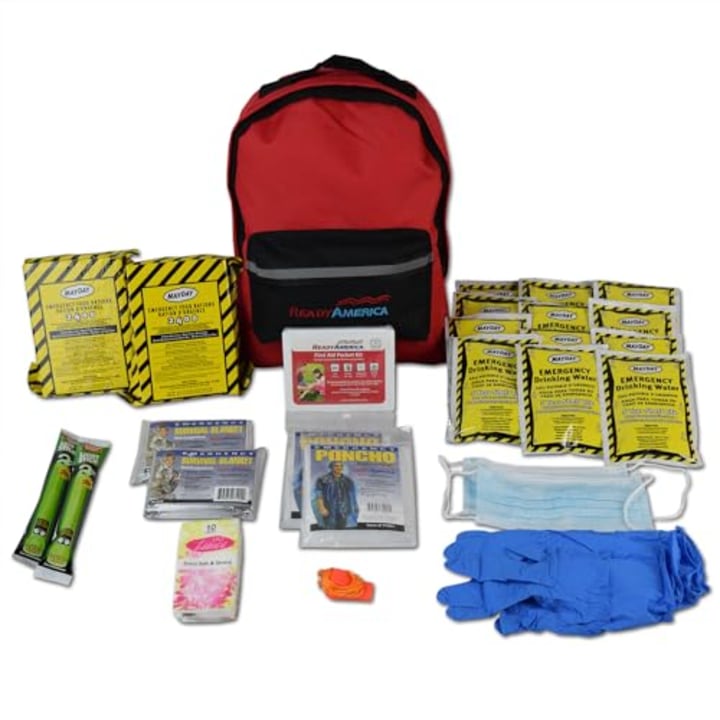
Credit: www.nbcnews.com
Basic Supplies
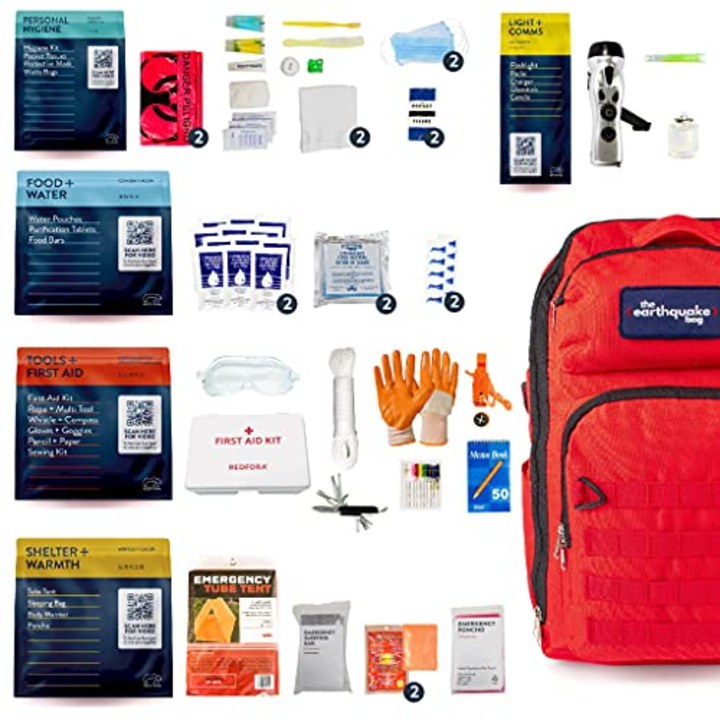
Building a survival kit for an earthquake means focusing on the basics that will keep you alive and comfortable in the days after the event. You need items that meet your essential needs: water, food, and medical supplies. These basics can make a huge difference when help is delayed, or you cannot leave your home safely.
Water And Hydration
Water is the most crucial supply to include. Your body can survive weeks without food but only a few days without water. Store at least one gallon of water per person per day for at least three days.
Think beyond just bottles—consider water purification tablets or a portable filter. These can save you if your water supply runs out or gets contaminated. Have extra water containers ready, and rotate your stored water regularly to keep it fresh.
Non-perishable Food
Choose food that won’t spoil quickly and doesn’t need cooking. Canned goods, energy bars, dried fruits, and nuts are great choices. These foods give you energy and essential nutrients without needing refrigeration.
Have a manual can opener in your kit. It’s easy to overlook this, but without it, canned food is useless. Think about your dietary needs—if you have allergies or special diets, make sure your food choices reflect that.
First Aid Kit
A well-stocked first aid kit is vital after an earthquake. It should include bandages, antiseptic wipes, pain relievers, and any prescription medications you need. Don’t forget to add items like tweezers, scissors, and adhesive tape for treating wounds.
Knowing how to use your first aid supplies is just as important. Consider taking a basic first aid course. In an emergency, you might be the only one who can help yourself or your loved ones.
Safety Equipment
Safety equipment is essential in your earthquake survival kit because it protects you from injuries during and after the shaking stops. Earthquakes can cause debris to fall, dust to fill the air, and sharp objects to become hazards. Having the right gear ready can make a big difference in how well you handle these dangers.
Protective Clothing
Choose sturdy, long-sleeved shirts and durable pants to shield your skin from cuts and scrapes. Thick-soled boots will protect your feet from broken glass and nails on the ground. Always pack clothes that cover your arms and legs fully, so you reduce the risk of injury while moving through debris.
Helmet And Gloves
A helmet is crucial for protecting your head from falling objects or bumps in dark, unstable places. Look for a hard hat or a bike helmet that fits securely. Thick gloves help you handle sharp or rough materials safely, whether you’re clearing debris or searching for help.
Dust Masks And Goggles
Earthquake aftermath often stirs up dust and fine particles that can harm your lungs and eyes. Keep a few N95 dust masks in your kit to breathe safely during rescue or clean-up efforts. Protective goggles will stop dust and small debris from irritating or injuring your eyes, especially in windy or smoky conditions.
Tools And Devices
Tools and devices in a survival kit help you stay safe and solve problems. They provide light, cut materials, and send signals for help. These items must be reliable and easy to use during an earthquake emergency.
Multi-tool And Knife
A multi-tool combines many tools in one compact item. It often includes pliers, screwdrivers, and scissors. A sharp knife helps cut ropes, open packages, or prepare food. Choose a sturdy multi-tool with a locking blade for safety.
Flashlights And Batteries
Flashlights provide light in dark or damaged areas. LED flashlights last longer and use less power. Pack extra batteries to keep your flashlight working. Consider a hand-crank or solar-powered flashlight for endless light.
Whistle And Signal Mirror
A whistle helps you call for help without shouting. It works over long distances and through debris. A signal mirror reflects sunlight to catch attention. Both are lightweight and easy to carry in your kit.
Communication Items
Communication is vital during an earthquake. It helps you get updates and reach help fast. Without proper tools, staying informed and connected becomes tough. Packing the right communication items in your survival kit makes a big difference. These tools keep you linked to news and loved ones.
Portable Radio
A portable radio keeps you updated on emergency news. It works without electricity, using batteries or hand crank. This device receives weather alerts and safety instructions. Choose one with NOAA weather channels for reliable info. A small, lightweight radio fits easily in your kit.
Extra Phone Charger
Phones need power to work during emergencies. Carry an extra charger to keep devices running. A power bank is ideal for charging without outlets. Ensure it is fully charged before storing in the kit. This lets you call for help or check alerts anytime.
Emergency Contact List
Write down important phone numbers on paper. Include family, friends, doctors, and emergency services. Phones may fail or lose battery. A printed list ensures you still have vital contacts. Keep it in a waterproof bag for protection.
Shelter And Warmth
After an earthquake, keeping yourself protected from the elements is crucial. Shelter and warmth can mean the difference between staying safe or facing serious health risks. You need items that are compact, easy to use, and effective in a variety of conditions.
Emergency Blanket
An emergency blanket is a must-have in your survival kit. It’s lightweight and takes up almost no space, but it can retain up to 90% of your body heat. I once had to rely on one during a sudden cold night after a quake, and it kept me surprisingly warm despite freezing temperatures.
These blankets are made from heat-reflective materials that block wind and moisture. Keep one in your kit to wrap around yourself or a companion when shelter isn’t immediately available.
Tarp And Rope
A tarp paired with sturdy rope can quickly create a makeshift shelter. You can use trees, poles, or even parts of a damaged structure to hang the tarp and shield yourself from rain or wind. This setup is versatile and can be adjusted depending on your surroundings.
Think about how you might use these items to create a windbreak or a shaded area. Having both in your kit gives you the freedom to build shelter wherever you find yourself after an earthquake.
Extra Clothing
Extra clothing is more than just comfort—it’s a necessity for warmth and protection. Pack layers like thermal shirts, socks, and a waterproof jacket to adapt to changing weather. When I was caught outside after a quake, having an extra pair of dry socks saved me from blisters and cold feet.
Choose clothes that dry quickly and provide insulation without bulk. Keeping your body temperature stable helps prevent hypothermia and keeps your energy up when you need it most.
Personal Essentials
Personal essentials form the core of any earthquake survival kit. These items help maintain health, prove identity, and provide funds during emergencies. Keeping these essentials ready ensures quick access after a disaster. Focus on items that support daily needs and legal proof.
Medications And Prescriptions
Include a supply of all necessary medications. Pack enough for at least three days, plus extras. Keep prescriptions in their original containers. Add a list of the medications and dosages. Include a copy of your doctor’s contact information. This helps medical personnel if you need assistance.
Important Documents
Store copies of vital papers in a waterproof pouch. Include:
- Birth certificates
- Marriage licenses
- Insurance policies
- Medical records
- Property deeds
- Emergency contact lists
These documents prove your identity and aid recovery after the quake.
Cash And Identification
Keep a small amount of cash in small bills. ATMs and credit cards may not work. Carry government-issued IDs like a driver’s license or passport. These items help with identification and purchasing essentials. Store them securely but within easy reach.
Extras For Comfort
Extras for comfort in a survival kit can make a huge difference during an earthquake. While essentials keep you safe, comfort items help maintain your mental and physical well-being. Imagine being stuck in a confined space—having a few small comforts can ease stress and keep your spirits up.
Hygiene Supplies
Staying clean helps prevent illness and keeps you feeling human in tough conditions. Pack travel-sized items like wet wipes, hand sanitizer, toothbrushes, and toothpaste. Don’t forget feminine hygiene products if needed—they’re crucial but often overlooked.
Adding a small towel or washcloth can also boost your comfort. It’s easy to underestimate how much cleanliness affects your mood. Would you feel better after a quick refresh during a crisis?
Entertainment Items
Boredom and anxiety often hit hardest during long waits. Include lightweight, compact items like a deck of cards, a small puzzle book, or a notepad and pencil. These can distract your mind and keep you calm.
Consider pre-downloaded podcasts or audiobooks on a phone with a portable charger. These don’t take much space but can provide hours of mental escape. What simple thing helps you relax when you’re stressed?
Special Needs Gear
If you or your family members have special medical needs, your survival kit must reflect that. Pack extra medications, hearing aid batteries, glasses, or mobility aids. These items are not just comforts but essentials for daily functioning.
Think about allergies, dietary restrictions, or infant care too. Having these specific items ready can prevent a small problem from turning into a crisis. What unique needs does your family have that you might overlook under pressure?

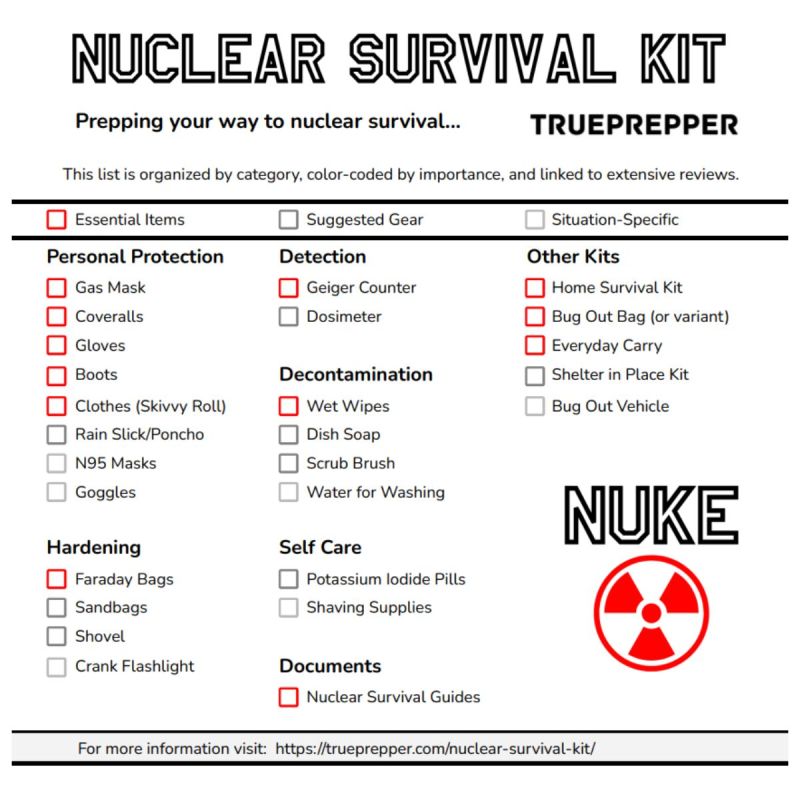
Credit: moreprepared.com

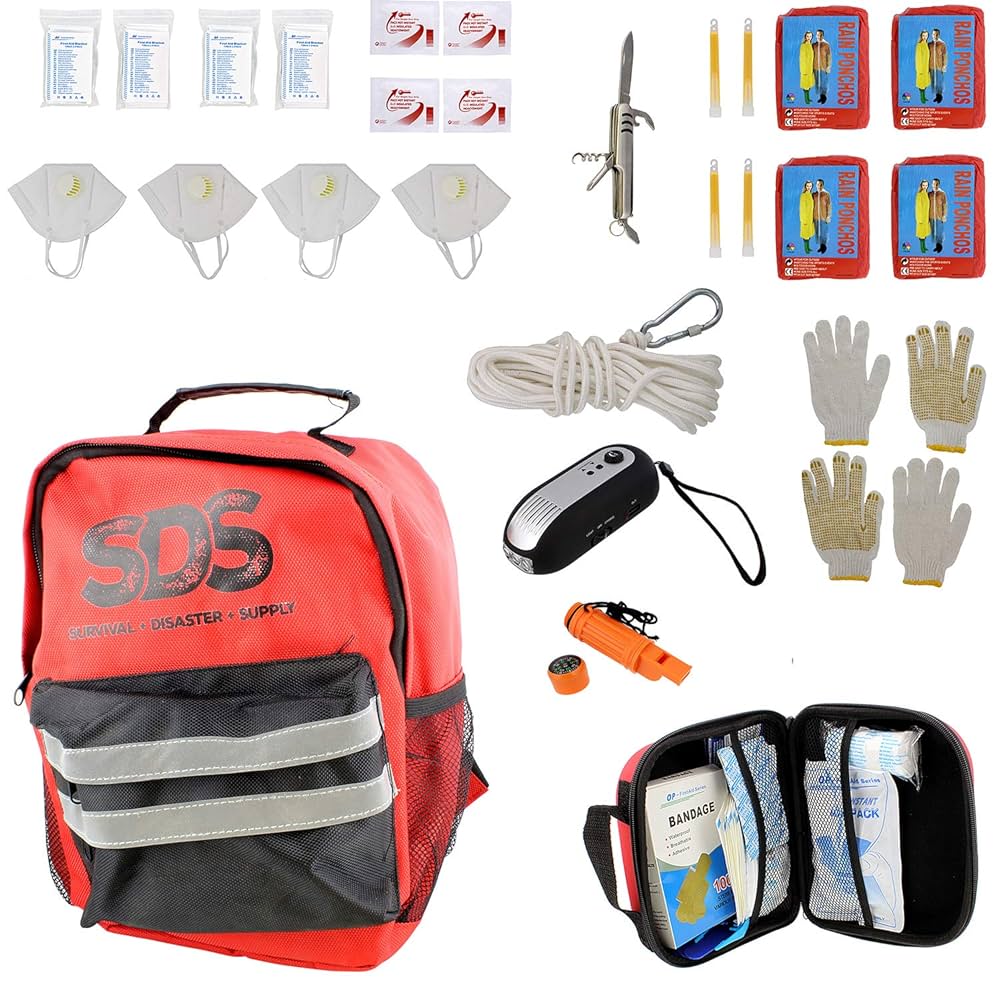
Credit: www.amazon.ca
Frequently Asked Questions
What Essentials Should Be In An Earthquake Kit?
An earthquake kit should include water, non-perishable food, flashlight, batteries, first aid kit, and emergency blankets. Add a whistle, dust mask, and local maps for extra safety. These essentials ensure you are prepared for the initial survival phase. Keep the kit accessible and regularly update it with fresh supplies.
How Much Water Should Be In A Survival Kit?
Include at least one gallon of water per person per day. Plan for a minimum of three days. This amount covers drinking, cooking, and sanitation needs. Ensure water is stored in sealed, durable containers. Regularly check and replace water supplies to ensure freshness and safety.
Why Is A Flashlight Important In An Earthquake Kit?
A flashlight provides essential light during power outages. It helps navigate safely in dark or damaged areas. Choose a reliable, battery-powered flashlight. Consider including extra batteries or a hand-crank flashlight. A flashlight ensures you maintain visibility and enhance your safety during emergencies.
Should Cash Be Included In An Earthquake Kit?
Yes, include small amounts of cash in your earthquake kit. ATMs may be inaccessible during emergencies. Cash helps you purchase essentials when card payments are unavailable. Secure cash in a waterproof bag. Include both small bills and coins for flexibility.
Conclusion
Preparing a survival kit for an earthquake saves lives. Include water, food, first aid, and tools. Keep important documents and flashlights ready. Check your kit often to replace expired items. Stay calm and be ready to act fast. A well-packed kit gives peace of mind.
Everyone should take time to prepare now. Safety starts with simple steps like these. Don’t wait for disaster—build your kit today.