Canning food ensures you have a reliable supply during emergencies. Choosing the right foods to can boosts your survival chances.
Survival depends on storing nutrient-rich, long-lasting foods. Canning preserves fruits, vegetables, and meats safely for months or years. Wild edible plants, like those in “The Forager’s Guide to Wild Foods,” offer natural nutrition. Beginners find easy steps in “The Prepper’s Food Survival Handbook” to grow and preserve food.
Learning to can jelly, pickles, and more helps prevent waste. Guides like “The Basics of Food Preservation” teach simple methods anyone can follow. Knowing how to find and prepare wild foods adds variety and security. Storing a mix of home-canned and foraged foods prepares you for uncertain times. Start with easy, common foods and expand your canned supplies for survival.
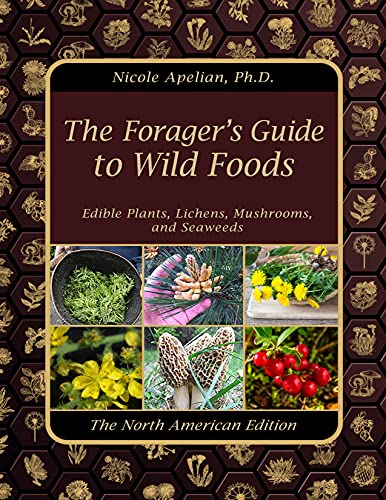
The Forager’s Guide To Wild Foods

The Forager’s Guide to Wild Foods is perfect for outdoor enthusiasts, nature lovers, and anyone interested in learning how to safely identify and harvest wild edibles. Whether you’re a seasoned forager or a curious beginner, this paperback edition offers comprehensive knowledge to expand your skills and confidence in sourcing natural foods from the wild.
Pros:
- Contains detailed descriptions of numerous wild plants and fungi.
- Includes practical tips for safe and sustainable foraging practices.
- Portable dimensions and lightweight design make it easy to carry on outdoor excursions.
- Published by Global Brother, a reputable source for nature guides.
- Extensive 319 pages packed with valuable illustrations and information.
Cons:
- Some readers may find the scientific terminology challenging without prior botanical knowledge.
- Limited to the 2021 edition, so newer discoveries or updates may not be included.
- Paperback format may not be as durable as waterproof or laminated guides for harsh outdoor conditions.
This guide stands out with its thorough coverage of wild foods, helping readers identify edible plants and fungi with confidence. The book’s compact size (approximately 11 inches tall and 8.5 inches wide) and light weight make it a convenient companion for hikes and foraging trips. Users benefit from clear instructions on how to recognize, harvest, and prepare wild foods, enhancing their outdoor experience and promoting a deeper connection with nature.
Additionally, the publication date of June 2021 ensures relatively up-to-date information, making it a reliable resource for contemporary foragers. Its emphasis on safety and sustainability encourages responsible foraging habits, protecting both the environment and the forager. Overall, this guide is an invaluable asset for anyone looking to explore the world of wild foods confidently and knowledgeably.
Edible Wild Plants

The book Edible Wild Plants: A North American Field Guide to Over 200 Natural Foods is ideal for outdoor enthusiasts, survivalists, foragers, and anyone interested in learning how to identify and safely consume wild plants. Whether you are a novice nature lover or an experienced herbalist, this guide provides valuable knowledge for those who want to explore natural food sources in North America.
Pros:
- Comprehensive coverage of over 200 edible wild plants found in North America
- Compact and portable size with dimensions of 8.28 x 5.42 x 0.69 inches, perfect for field use
- Contains detailed descriptions and illustrations to aid in accurate plant identification
- Published by reputable Sterling Publishing and manufactured by Union Square & Co.
- Reasonably lightweight at just over 1.1 pounds, making it easy to carry during outdoor activities
- The Reissue edition ensures updated and accessible content for modern readers
Cons:
- Some users may find the 288 pages overwhelming if they prefer concise guides
- Publication date from 2009 means some information might be slightly outdated compared to newer field guides
- Limited to plants native to North America, which may not be useful for foragers in other regions
This field guide excels in providing a thorough and practical resource for anyone interested in identifying and consuming wild plants safely. Its detailed descriptions and clear illustrations help users distinguish edible species from potentially harmful ones, promoting confidence during foraging expeditions. The book’s compact size and lightweight design make it an excellent companion for hiking, camping, or survival situations.
Additionally, the guide covers nutritional and culinary uses of these natural foods, adding value beyond simple identification. Users can benefit from learning which plants offer the best flavors and health benefits, enabling a more enriching outdoor experience. Although slightly dated, its comprehensive approach and ease of use make it a valuable addition to any nature lover’s collection.
The Prepper’s Food Survival Handbook

The Prepper’s Food Survival Handbook is ideal for individuals who are new to emergency preparedness and want a comprehensive, easy-to-understand guide on how to acquire, grow, raise, preserve, and store food effectively. Whether you are a beginner prepping for natural disasters, economic uncertainty, or any other crisis, this handbook provides essential knowledge to build self-reliance and ensure food security during uncertain times.
Pros:
- Comprehensive coverage of food-related survival skills including gardening, livestock raising, and food preservation
- Written in clear, beginner-friendly language, making complex survival concepts accessible
- Compact and lightweight format (8.5 x 5.5 inches, 0.6 pounds) for easy storage and portability
- Up-to-date publication (2024) reflecting current best practices in emergency food preparedness
- Includes practical tips on long-term food storage to maximize shelf life and minimize waste
Cons:
- Limited to 166 pages, which might not cover some advanced survival techniques in depth
- Independent publication may lack the polish or extensive peer review of larger publishing houses
- Focused primarily on food survival, so it may not address other critical preparedness areas in detail
This handbook features a well-structured approach to food survival, beginning with how to source food in emergencies and progressing through the basics of cultivating your own crops and raising small livestock. Readers benefit from practical guidance on preservation methods such as canning, drying, and freezing, which are crucial for extending food usability during prolonged crises. The book’s concise format ensures that essential information is delivered without overwhelming beginners.
The clear instructions and actionable tips empower users to take control of their food supply chain, reducing dependence on external resources. By following the handbook, readers can develop sustainable habits that enhance their self-reliance and peace of mind. Its portability and manageable size make it a useful reference both at home and on the go, perfect for those committed to preparing for any form of uncertainty.
The Complete Guide To Edible Wild Plants

The Complete Guide to Edible Wild Plants is ideal for outdoor enthusiasts, survivalists, foragers, and anyone interested in learning how to identify and safely consume wild plants. If you want a reliable, detailed resource to enhance your knowledge of nature’s edible offerings, this book by Skyhorse is a perfect choice.
Pros:
- Comprehensive and illustrated guide with clear images for easy plant identification
- Compact and lightweight with dimensions of 9.0 x 6.0 x 0.5 inches and weighing just over 1 pound, making it easy to carry outdoors
- Contains 160 pages of detailed information, providing an in-depth understanding of edible wild plants
- Published by trusted Skyhorse brand and manufacturer, ensuring quality content
Cons:
- Information may be region-specific and may require additional local knowledge for some users
- Publication date from 2009 means some newer plant discoveries or updates might be missing
This illustrated edition offers a well-organized and visually engaging way to learn about various edible wild plants. The detailed images paired with descriptive text help users confidently identify safe plants, reducing the risk of mistakes when foraging. Its compact size and lightweight design make it a practical companion for hikes, camping trips, or survival situations.
Beyond identification, the guide explains the benefits and uses of each plant, empowering readers to make the most of natural resources. With clear instructions and practical tips, it supports sustainable foraging practices and encourages a deeper connection with the environment. Whether you are a beginner or an experienced forager, this book provides valuable knowledge to enhance your outdoor adventures.
The Basics Of Food Preservation

The book The Basics of Food Preservation: How to Make Jelly, Can, Pickle, and Preserve Foods (Homestead Basics) is ideal for individuals who are passionate about sustainable living, homesteading, or anyone interested in learning traditional methods of food preservation. Whether you are a beginner looking to reduce food waste or an experienced homesteader wanting to expand your skills, this guide offers practical and easy-to-follow instructions.
Pros:
- Comprehensive coverage of various food preservation techniques including jelly making, canning, and pickling.
- Written in clear, simple language suitable for beginners.
- Compact and lightweight with 78 pages, making it easy to carry and reference.
- Published by Independently Published, ensuring unique and focused content.
- Practical tips that help extend the shelf life of homemade preserves safely.
Cons:
- Relatively short length might limit in-depth explanations of advanced techniques.
- Lacks extensive visual aids or step-by-step photographs that some learners prefer.
- Published in 2020, so it may not include the latest food preservation innovations or trends.
This book emphasizes the essential skills required to preserve food effectively and safely, focusing on traditional methods like jelly making, canning, and pickling. The step-by-step instructions help users gain confidence in preparing homemade preserves, reducing dependency on store-bought options. Its concise format makes it easy to digest the information quickly, perfect for those who want to start preserving food without getting overwhelmed.
Additionally, readers benefit from learning how to extend the freshness and nutritional value of their produce, which supports a more self-sufficient lifestyle. The clear guidelines on handling and storing preserves ensure that users can avoid spoilage and maximize the longevity of their food. Overall, this book is a valuable resource for anyone looking to embrace homestead basics and enjoy the satisfaction of homemade preserved foods.
How To Eat In The Woods

Ideal for outdoor enthusiasts, survivalists, and nature lovers, How to Eat in the Woods: A Complete Guide to Foraging, Trapping, Fishing, and Finding Sustenance in the Wild is perfect for anyone looking to enhance their self-sufficiency skills and confidently gather food in wilderness settings. Whether you’re a beginner or an experienced adventurer, this guide offers essential knowledge to safely and effectively find nourishment in the wild.
Pros:
- Comprehensive coverage of foraging, trapping, fishing, and other sustenance techniques.
- Includes detailed illustrations to aid identification and understanding.
- Compact and portable size (9.375 x 5.5 inches) ideal for carrying outdoors.
- Written by a reputable publisher, BLACK DOG & LEVENTHAL PUBLISHERS.
- Contains 320 pages of practical, well-organized information.
Cons:
- Publication date (2016) means some content may be slightly outdated.
- Not focused on advanced survival tactics; more suited for general foraging and fishing.
This illustrated edition provides clear, step-by-step instructions on how to identify edible plants, set traps, and fish, making it easier for users to apply the knowledge in real-world scenarios. Its detailed drawings enhance learning by visually guiding readers through various techniques, reducing the chance of mistakes while in the wild. The book’s manageable weight and dimensions ensure it can be conveniently packed for hiking or camping trips.
Beyond just techniques, the guide emphasizes safety and sustainability, helping users to forage and hunt responsibly without damaging the environment. By mastering the skills outlined in this book, readers gain the confidence to navigate and survive in diverse wilderness situations, transforming their outdoor experience into a more self-reliant and rewarding adventure.
Edible Wild Plants For Beginners

The book Edible Wild Plants for Beginners: The Essential Edible Plants and Recipes to Get Started is perfect for nature enthusiasts, hikers, survivalists, and anyone interested in learning how to identify and safely consume wild plants. If you want to expand your knowledge of foraging and enjoy fresh, natural ingredients from the wild, this book offers an accessible introduction to edible plants and practical recipes.
Pros:
- Comprehensive guide covering essential wild plants suitable for beginners
- Includes easy-to-follow recipes to make the most of foraged ingredients
- Portable size with 258 pages of valuable information
- Published by a reputable brand, Callisto, ensuring quality content
- Detailed plant descriptions with clear instructions on identification and preparation
Cons:
- Publication date from 2013, so some information might not reflect the latest research
- Focuses primarily on beginner-level plants; may not satisfy advanced foragers
- Limited to regions where the covered wild plants naturally grow
This book offers an in-depth exploration of various edible wild plants that can be found in natural environments. Its detailed descriptions help readers confidently identify safe plants, reducing the risk of confusion with harmful species. The inclusion of recipes allows users to immediately enjoy the fruits of their foraging efforts, making the learning process practical and enjoyable. The dimensions and weight make it easy to carry on outdoor excursions, which is ideal for hands-on learning.
By focusing on beginner-friendly plants, this guide ensures that readers build a strong foundation in wild plant foraging before moving on to more complex species. The clear, step-by-step instructions and vivid illustrations help users develop essential skills for sustainable and safe foraging. Overall, it empowers readers to connect with nature, enhance their outdoor experiences, and incorporate nutritious, natural ingredients into their diet.
Ultimate Diy Food Preservation Guide

The Ultimate DIY Food Preservation Guide is ideal for anyone interested in mastering the art of food storage, including survivalists, homesteaders, and culinary enthusiasts who want to extend the shelf life of their food. If you are looking to learn reliable, step-by-step techniques for preserving food at home, this guide offers practical and comprehensive methods suitable for beginners and experienced preservers alike.
Pros:
- Detailed, easy-to-follow step-by-step techniques for canning, fermenting, drying, and storing foods.
- Comprehensive coverage of long-term survival food preservation methods.
- Published by an independent author offering unique insights and tested methods.
- 190 pages packed with valuable tips and practical advice.
- Compact size (9.24 inches height) makes it easy to handle and store.
Cons:
- Primarily a printed guide, which may not suit those preferring digital formats.
- Requires some basic kitchen tools and supplies for practical application.
This guide meticulously walks you through various food preservation techniques such as canning, fermenting, drying, and proper storage. Each method is explained with clear instructions, making it accessible for novices while still providing depth for seasoned preservers. The benefit of mastering these skills means you can reduce food waste, save money, and ensure you have nutritious food available during emergencies or off-seasons.
Additionally, the book emphasizes safety and best practices, helping users avoid common pitfalls that could lead to spoilage or foodborne illnesses. With its focus on long-term survival, readers gain confidence in preparing food that lasts, promoting self-sufficiency and resilience. The combination of practical knowledge and detailed guidance makes this an indispensable resource for anyone serious about food preservation.
The Ultimate Food Allergy Cookbook And Survival Guide

The Ultimate Food Allergy Cookbook and Survival Guide is perfect for individuals and families dealing with food allergies who want to enjoy cooking without stress. If you or a loved one struggles with managing dietary restrictions and seeks reliable recipes that promote good health, this book is an ideal companion.
Pros:
- Comprehensive guide tailored specifically for food allergy sufferers
- Offers over 320 pages of detailed recipes and survival tips
- Published by Allergy Adapt, Inc., a trusted name in allergy-friendly resources
- Compact and easy-to-use dimensions for convenient kitchen reference
- Focuses on both ease of cooking and health recovery
Cons:
- First published in 2006, some recipes may not include the latest allergy research
- Physical weight of 1.26 pounds might be slightly heavy for some users
- Limited to recipes and advice relevant to food allergies, may not cover other dietary needs
This cookbook is designed to simplify the cooking process for those navigating the complexities of food allergies. With clear instructions and a variety of recipes, it empowers users to prepare safe and nutritious meals without feeling overwhelmed. The 320-page content ensures a wide range of options, helping to diversify diets while avoiding common allergens.
Beyond just recipes, the book provides survival strategies that address the emotional and practical challenges of living with food allergies. Users benefit from the expert guidance of Allergy Adapt, Inc., making it a reliable resource for maintaining health and enjoying food with confidence. Its manageable size fits well into any kitchen, making it a practical addition for daily use.
A Guide To Canning, Freezing, Curing & Smoking Meat, Fish & Game
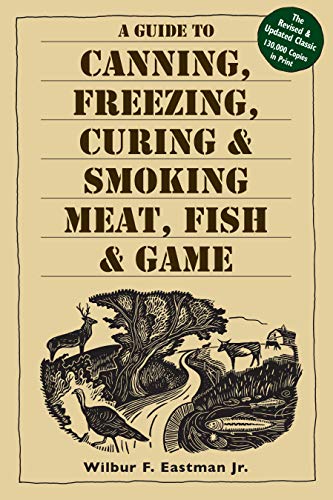
The ideal customer for A Guide to Canning, Freezing, Curing & Smoking Meat, Fish & Game is anyone passionate about preserving their own food, especially those interested in traditional methods of handling meat, fish, and game. Whether you’re a home cook, hunter, or someone seeking to extend the shelf life of fresh food safely, this guide offers invaluable techniques tailored for both beginners and experienced preservers.
Pros:
- Comprehensive coverage of multiple preservation methods including canning, freezing, curing, and smoking.
- Clear instructions backed by practical tips from Storey Publishing, a reputable source in food preservation.
- Compact and easy-to-handle size with 192 pages of detailed content.
- Updated edition ensuring information stays relevant to modern food safety standards.
- Includes guidance on a variety of proteins such as meat, fish, and game, broadening its usefulness.
Cons:
- Published in 2002, some techniques may be outdated compared to the very latest preservation technology.
- Primarily text-based with limited visual aids, which might challenge visual learners.
- Focuses mainly on traditional methods, potentially lacking in modern electric preservation alternatives.
This guide stands out due to its thorough exploration of various preservation techniques, enabling users to select the method best suited to their needs. The detailed instructions for canning help in safely sealing food, preventing spoilage and bacterial growth. Meanwhile, the sections on freezing offer tips to maintain texture and flavor over long storage periods, making it easier for users to plan meals ahead without waste.
The chapters on curing and smoking not only add flavorsome dimensions to preserved foods but also provide traditional approaches that have been trusted for generations. This blend of safety, practicality, and flavor enhancement makes the book a valuable resource for anyone looking to master the art of meat and fish preservation. The manageable size and weight make it a convenient reference in the kitchen or workshop.
Frequently Asked Questions
What Are The Best Foods To Can For Survival?
Canning is ideal for preserving high-nutrient foods like vegetables, fruits, and meats. Peaches, tomatoes, green beans, and chicken are popular choices. They provide essential nutrients and have a long shelf life. Proper canning methods ensure safety and longevity, making these foods crucial for emergency preparedness.
How Do I Start Canning At Home?
Begin by gathering basic canning equipment such as jars, lids, and a pressure canner. Sterilize all equipment to prevent contamination. Follow a reliable canning guide, like “The Basics of Food Preservation,” for step-by-step instructions. Practice makes perfect, so start with simple recipes and gradually explore more complex methods.
Why Is Food Preservation Important For Survival?
Food preservation extends the shelf life of perishables, ensuring a steady food supply during emergencies. It helps maintain nutritional value and flavor over time. Techniques like canning, pickling, and drying allow for variety in diet, crucial for sustaining health and morale in uncertain times.
Can I Forage Wild Plants For Survival?
Yes, foraging for wild plants is a valuable survival skill. Books like “The Forager’s Guide to Wild Foods” offer insights into identifying and safely consuming edible plants. Always double-check plant identification to avoid toxic varieties. Foraging supplements stored food supplies and offers fresh nutrients.
What Are The Basics Of Food Allergy Cooking?
Cooking for food allergies involves avoiding allergens and substituting with safe ingredients. “The Ultimate Food Allergy Cookbook” provides allergy-friendly recipes. Read labels carefully and prepare food separately to avoid cross-contamination. Awareness and planning ensure meals are safe and enjoyable for everyone.
Conclusion
Choosing the best foods to can for survival helps you stay prepared and self-reliant. Canning preserves nutrients and flavor while extending shelf life. Vegetables, fruits, beans, and meats are excellent choices to store. Wild edible plants add variety and important nutrients to your food supply.
Learning simple preservation methods like pickling and fermenting can improve your food options. Using guides on foraging and preserving ensures safe and effective storage. Preparing your own canned goods means you control quality and ingredients. This knowledge builds confidence in facing emergencies or uncertain times.
Stocking a variety of canned foods creates a balanced and reliable food reserve. Practice and patience will improve your canning skills over time. Start with easy recipes and grow your collection step by step. Being ready with the right canned foods supports health and survival.
The effort you put in today brings peace of mind tomorrow.


