When disaster strikes, having the right food on hand can make all the difference for you and your loved ones. But what exactly should be in an emergency food supply?
You want choices that last long, provide enough energy, and keep you feeling strong when it matters most. You’ll discover the essential foods you need to stay nourished and safe during unexpected situations. Keep reading to learn how to build a reliable emergency food kit that you can trust.

Credit: www.forbes.com
Basic Food Staples
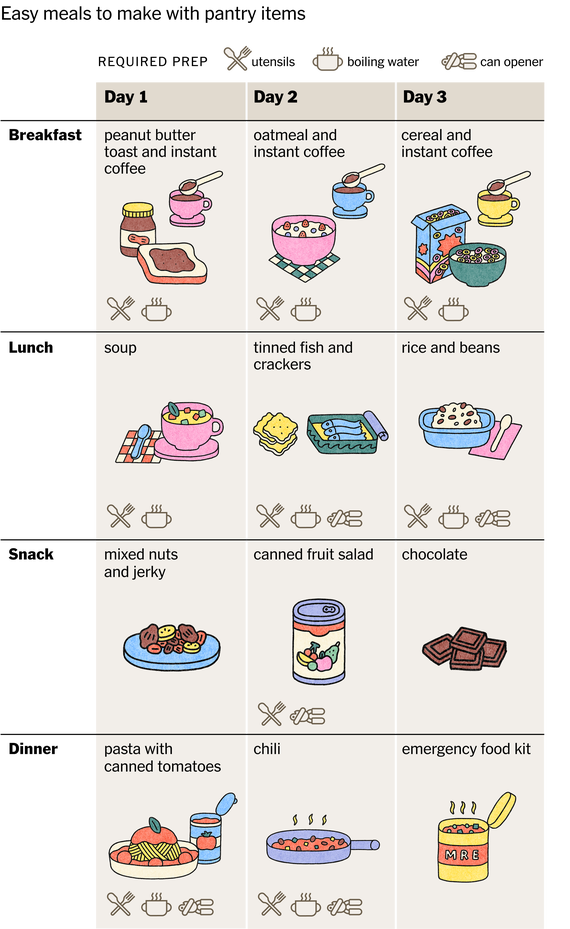
Basic food staples form the backbone of any emergency food supply. These items last long and provide essential nutrients. They help maintain energy and keep you healthy during tough times. Focus on foods that store well and offer good nutrition.
Choose items that need little or no cooking. Prioritize variety to cover different food groups. This approach supports a balanced diet in emergencies.
Grains And Cereals
- Rice – White rice has a long shelf life and cooks quickly.
- Oats – Great for breakfast and easy to prepare.
- Pasta – Stores well and provides carbohydrates for energy.
- Quinoa – A complete protein and rich in fiber.
- Flour – Useful for baking and making flatbreads.
Protein Sources
- Canned beans – High in protein and fiber, ready to eat.
- Powdered milk – Provides calcium and protein without refrigeration.
- Peanut butter – Rich in protein and healthy fats.
- Canned tuna or chicken – Convenient and protein-packed.
- Lentils – Dry lentils cook quickly and are nutritious.
Dried Fruits And Nuts
- Raisins – Sweet and provide quick energy.
- Almonds – High in healthy fats, protein, and fiber.
- Apricots – Rich in vitamins and easy to store.
- Walnuts – Good source of omega-3 fatty acids.
- Dates – Natural sugar and long shelf life.
Water And Hydration
Water is essential in any emergency food supply to prevent dehydration. Store enough clean water for drinking and cooking needs. Proper hydration keeps the body strong during stressful situations.
Ensuring your emergency food supply includes adequate water and hydration options is crucial. Water is not just a necessity for drinking; it plays a vital role in food preparation and maintaining hygiene. Imagine being caught in a situation where you have all the food you need but lack the water to make it edible or safe. It’s a scenario you’d rather avoid, right?Stored Drinking Water
Having a stockpile of stored drinking water is essential for any emergency kit. Aim for at least one gallon per person per day, lasting a minimum of three days. Store this water in a cool, dark place, using food-grade water storage containers to ensure safety. Rotating your water supply every six months keeps it fresh and safe to consume. Consider using commercially bottled water, as it typically has a longer shelf life. Always label the containers with the date of storage to track its usability easily.Water Purification Methods
In an emergency, access to clean water may be limited, making purification methods invaluable. Simple techniques like boiling water for at least one minute can kill most pathogens. However, not everyone has the means to boil water during a crisis. Water purification tablets or drops are a compact and effective alternative. They work by releasing chemicals that neutralize harmful organisms. These are a great backup to have, especially if you’re on the move. Portable water filters are another excellent option. They can filter out impurities and bacteria, ensuring each sip is safe. Choose one that fits your needs and budget, and keep it in your emergency kit. Have you thought about how you’d handle a situation where your main water supply is compromised? It’s a sobering thought, but preparation is key to peace of mind.Cooking And Preparation Supplies
Having the right cooking and preparation supplies in your emergency food supply can make a huge difference when you need to prepare meals under challenging conditions. It’s not just about having food but also about being able to cook it safely and efficiently. Think about the last time you tried cooking without the right tools—frustrating, right? Now imagine that in an emergency.
Portable Cooking Equipment
You want cooking gear that’s compact, lightweight, and easy to use. A small camping stove or a portable gas burner can fit the bill perfectly. These devices heat up quickly and can handle most cooking needs, from boiling water to warming canned food.
Consider a folding grill or a multi-fuel stove if you want versatility. They work well outdoors and can use different types of fuel. Remember, your cooking setup should be simple enough to use even in low light or stressful situations.
Fuel And Fire Starters
No fuel means no fire, and no fire means no hot meal. Keep a variety of fuel sources like propane canisters, solid fuel tablets, or even charcoal. Store these safely and check expiration dates regularly.
Fire starters such as waterproof matches, lighters, or magnesium fire starters are essential. I once struggled to light a stove with damp matches during a camping trip, which taught me to always pack multiple fire-starting options. What will you use to get your fire going when conditions aren’t perfect?
Utensils And Containers
Durable utensils and containers make cooking and eating easier and cleaner. Opt for stainless steel or BPA-free plastic spoons, forks, knives, and cooking utensils. They should be sturdy enough for repeated use and easy to clean without running water.
Don’t forget containers for food storage and meal prep. Collapsible bowls or stackable containers save space and keep your food organized. Having the right utensils and containers can save you time and reduce waste during emergencies.

Credit: www.hawaiianelectric.com
Special Dietary Needs
Special dietary needs require extra attention when building your emergency food supply. Everyone’s body reacts differently to foods, and you must prepare for those differences to stay healthy during a crisis. Ignoring allergies or age-related nutritional needs can turn an emergency into a dangerous situation.
Allergy-friendly Foods
If you or someone in your household has food allergies, you cannot rely on generic emergency food kits. Common allergens like nuts, dairy, gluten, and soy can cause severe reactions. Make sure to label foods clearly and choose options free from these triggers.
Some allergy-friendly food ideas include:
- Rice, quinoa, and corn-based products instead of wheat.
- Canned fruits and vegetables without added preservatives or allergens.
- Protein options like canned chicken or beans that are free from common allergens.
Have you checked your emergency stash for hidden allergens? Reading labels carefully now can save you from a tough situation later.
Infant And Senior Nutrition
Infants and seniors have unique nutritional needs that standard emergency foods might not meet. Babies require formula or breast milk substitutes and easily digestible foods. Seniors often need softer foods and may require supplements for vitamins like calcium and vitamin D.
Consider adding these items to your supply:
- Infant formula and baby food jars with long shelf life.
- Soft, easy-to-chew foods like canned soups, stews, and pureed vegetables.
- Vitamin supplements specifically designed for seniors.
Have you planned for the special diets of all ages in your family? Overlooking these needs can create unnecessary stress during emergencies.
Long-term Storage Considerations
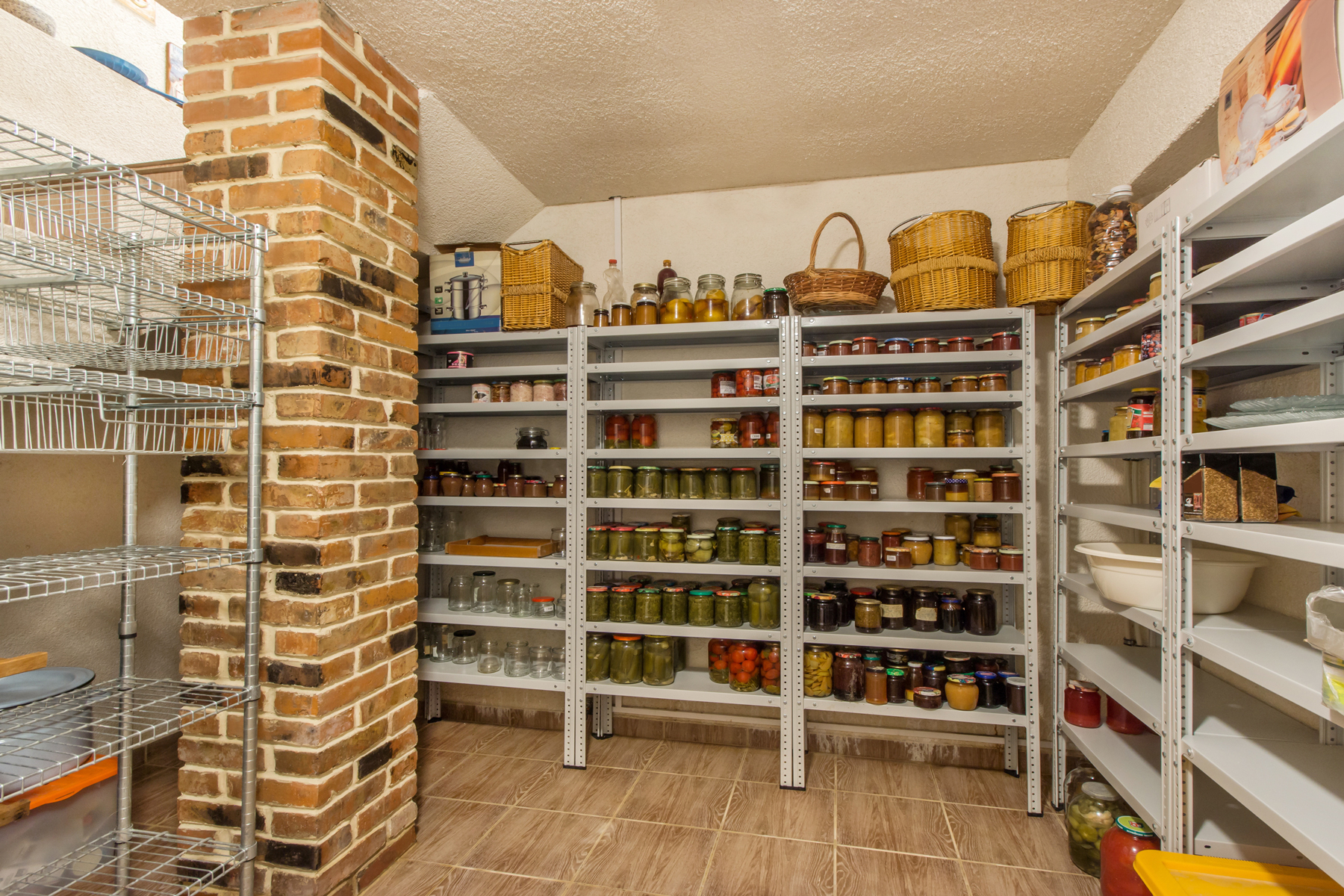
Building a reliable emergency food supply means planning for the long haul. Your food needs to stay fresh and safe over months or even years. That means paying close attention to how you package and store your supplies, as well as how you manage their shelf life.
Packaging And Sealing
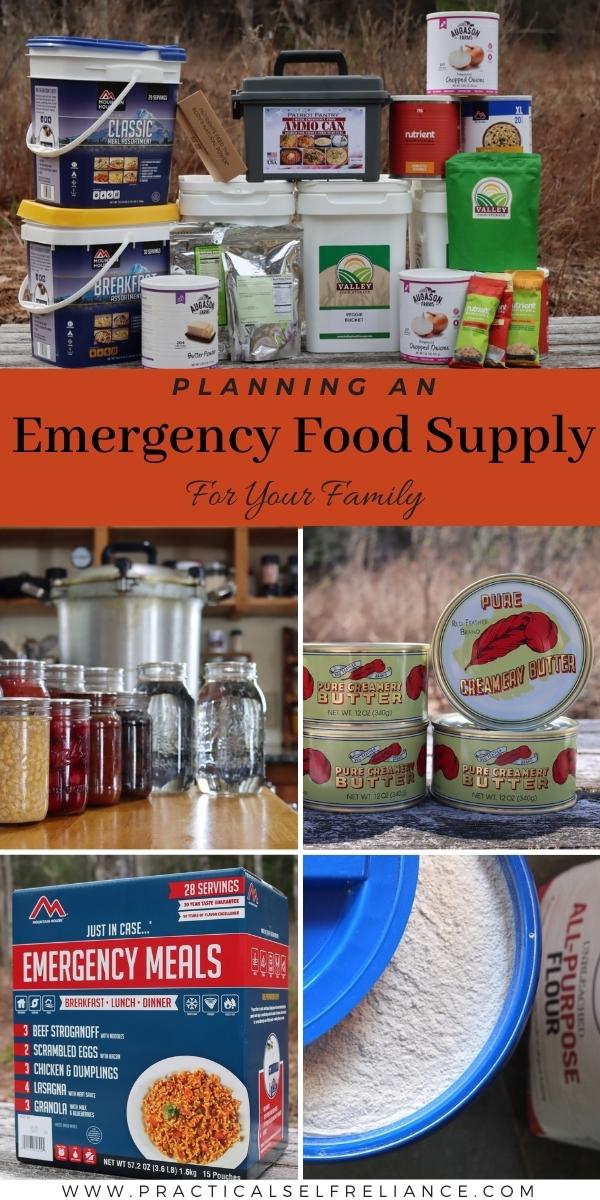
Good packaging protects your food from moisture, air, and pests. Vacuum-sealed bags or mylar pouches with oxygen absorbers are excellent choices. These materials keep food fresh by blocking out oxygen, which slows down spoilage.
Think about airtight containers too. Heavy-duty plastic buckets with sealed lids or glass jars with rubber gaskets can be great for storing grains, beans, or dehydrated foods. You want to make sure nothing can get in or out, especially if you keep your supplies in a basement or garage.
Have you checked your current packaging for weaknesses? A tiny hole or loose seal can ruin months of careful preparation. Regularly inspecting your storage containers can save you from unpleasant surprises when you need the food most.
Shelf Life And Rotation
Every food item has a shelf life. Knowing these timelines helps you avoid eating spoiled food during an emergency. For example, canned goods often last 2-5 years, while dehydrated fruits might only last about a year before losing flavor and nutrients.
Rotation is key. Use the “first in, first out” rule: eat older supplies before newer ones. Label your containers with the purchase or packing date to keep track easily. This simple habit ensures your emergency food supply stays fresh and ready.
Ask yourself—how often do you check your emergency food? Setting a reminder every six months to inspect and rotate your stock can make a huge difference. It’s better to discover issues now rather than during a crisis.
Credit: www.motherearthnews.com
Additional Emergency Essentials
Beyond basic food and water, your emergency supply needs a few extra items to keep you going physically and mentally. These additional essentials can make a huge difference when stress is high and normal routines are disrupted. Think about what comforts you and what your body needs to stay strong over time.
Comfort And Morale Boosters
In a tough situation, small comforts can lift your spirits dramatically. Include treats like chocolate, tea bags, or instant coffee to give yourself a moment of normalcy. Familiar flavors and smells can ease anxiety and help maintain hope.
Don’t forget simple entertainment options like a deck of cards, a small book, or a journal. These help pass time and keep your mind active. When I faced a long power outage, having a few favorite snacks and a puzzle book made the wait much easier.
Vitamins And Supplements
Long-term emergencies can drain your body’s nutrients, even if you have enough calories. Adding a basic multivitamin can fill nutritional gaps and support your immune system. Vitamin C, vitamin D, and zinc are particularly useful for fighting off illness.
Consider supplements that match your personal health needs. If you take medication or have dietary restrictions, plan accordingly. Have you thought about how you’ll maintain your health when fresh food isn’t available?
Frequently Asked Questions
What Are Essential Foods For An Emergency Supply?
Essential emergency foods include canned goods, dry grains, nuts, and powdered milk. These provide nutrition and long shelf life. Include ready-to-eat items and high-energy snacks for quick access during emergencies.
How Much Emergency Food Should I Store Per Person?
Store at least a three-day supply of food per person. Ideally, keep a two-week supply for better preparedness. Adjust quantities based on family size and specific dietary needs.
Which Foods Have The Longest Shelf Life In Emergencies?
Freeze-dried foods, canned beans, rice, and pasta have the longest shelf life. Proper storage in airtight containers extends freshness. Rotate supplies regularly to maintain quality and safety.
Should Emergency Food Supplies Include Special Dietary Options?
Yes, include gluten-free, vegetarian, or allergy-friendly foods if needed. Catering to dietary restrictions ensures everyone’s nutritional needs are met during emergencies. Plan accordingly to avoid health issues.
Conclusion
A good emergency food supply keeps you safe and ready. Choose foods that last long and give energy. Include water, canned goods, and easy snacks. Don’t forget vitamins and important medicines. Store food in a cool, dry place. Check your supplies often and replace expired items.
Being prepared brings peace of mind. Start building your emergency food supply today. Stay safe, stay ready.