When an emergency strikes, having the right food can make all the difference for you and your loved ones. You might wonder, what food is good for emergency situations?
Knowing which items to keep on hand can keep you nourished, safe, and calm when access to fresh groceries is limited. This guide will help you discover simple, reliable foods that last long and provide the energy you need when it matters most.
Keep reading to learn how to prepare your emergency food supply smartly and confidently.
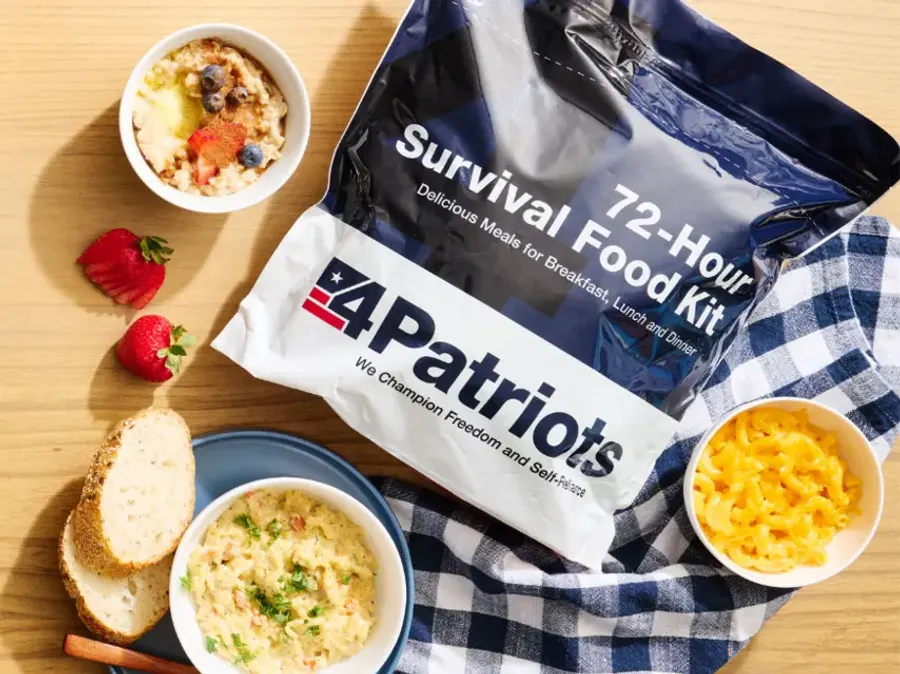
Credit: 4patriots.com
Criteria For Emergency Foods
Choosing the right food for emergencies isn’t just about picking what tastes good or what you have on hand. You need to consider specific criteria that ensure the food will support you effectively when you need it most. These criteria help you build a reliable emergency food supply that lasts, nourishes, and fits your situation.
Shelf Life And Storage
Emergency foods must last long without spoiling. Look for items with a shelf life of several months to years. Canned goods, dried beans, and freeze-dried meals are great because they keep well in various conditions.
Consider your storage space carefully. Foods that require no refrigeration and can be stored in a cool, dry place work best. Avoid items that attract pests or spoil quickly to prevent waste and constant replacement.
Nutritional Value
Your emergency food should fuel your body properly. Focus on foods that provide a balance of carbohydrates, proteins, fats, and essential vitamins and minerals. High-calorie items like nuts and peanut butter help keep your energy up during stressful times.
Think about variety too. Eating only one type of food can lead to nutrient deficiencies. Including a mix of grains, legumes, and canned fruits or vegetables can keep your diet balanced and help maintain your health.
Ease Of Preparation
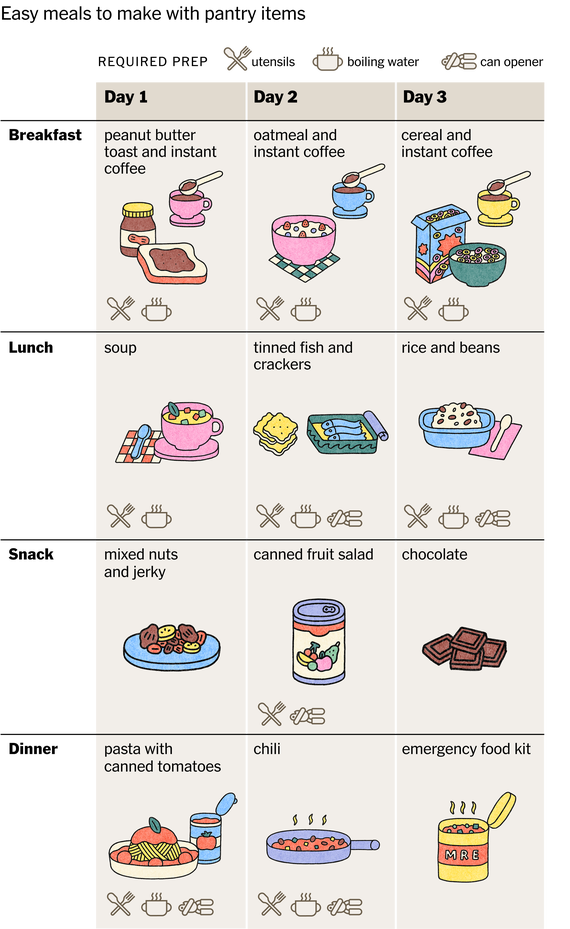
In emergencies, you might not have access to electricity or running water. Foods that require minimal preparation or can be eaten straight from the package are ideal. Ready-to-eat meals, energy bars, and canned tuna fit this need perfectly.
If cooking is necessary, choose foods that cook quickly with limited equipment. Instant oatmeal or dehydrated soups that only need hot water can be lifesavers when resources are scarce.
Portability And Packaging
Emergency food should be easy to carry and store. Look for lightweight, compact packaging that won’t take up much space. Vacuum-sealed packs and resealable bags help keep food fresh and prevent spills.
Durability matters too. Packaging must withstand rough handling without breaking open. This way, your food stays safe whether you’re at home or on the move.
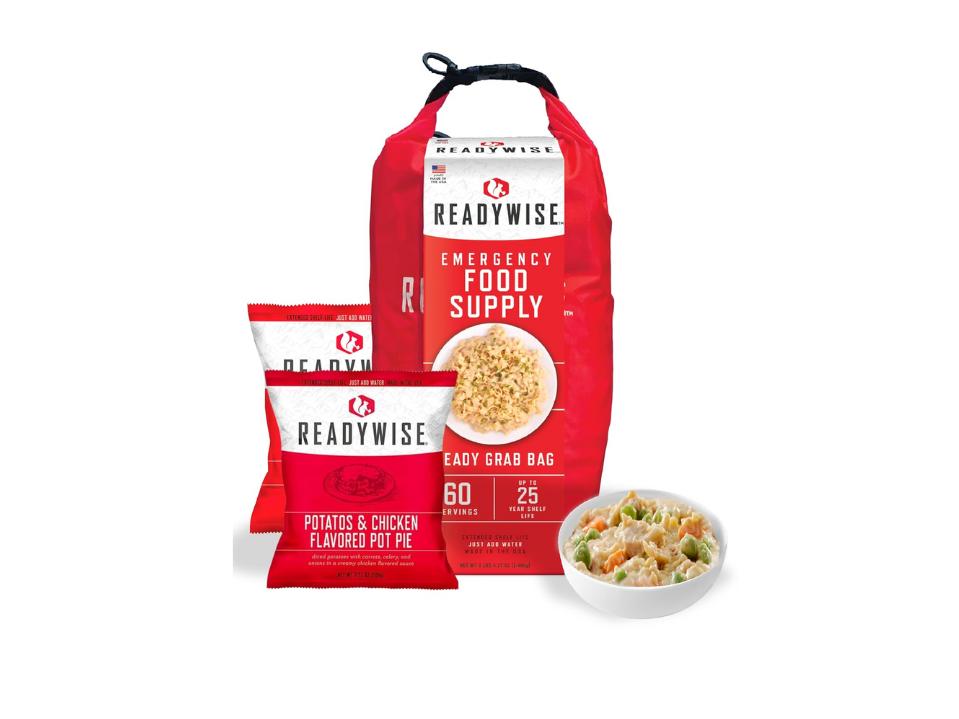
Credit: www.forbes.com
Top Grains And Legumes
Grains and legumes are essential staples to have in your emergency food supply. They offer long shelf lives, high nutritional value, and versatile cooking options. Choosing the right grains and legumes can keep you energized and healthy when fresh food isn’t available.
Rice And Quinoa
Rice is a classic emergency grain because it stores well and cooks quickly. White rice lasts longer than brown rice, making it a smart choice for long-term storage.
Quinoa, though less common, packs more protein and fiber. It cooks faster than many grains and adds variety to your meals. Have you tried swapping rice for quinoa to boost your nutrient intake during a power outage?
Beans And Lentils
Beans and lentils are protein powerhouses that stay fresh for years if stored correctly. They also provide essential minerals like iron and magnesium, crucial when your diet is limited.
Black beans, chickpeas, and red lentils are easy to cook and pair well with many dishes. Soaking beans overnight reduces cooking time and improves digestion—something to keep in mind when time or resources are tight.
Oats And Barley
Oats are not just for breakfast. Their slow-release carbohydrates help maintain energy levels throughout the day. Rolled or steel-cut oats have different cooking times, so pick what fits your emergency setup.
Barley adds a chewy texture and is great in soups or stews. Its fiber content supports digestion, which is often overlooked during stressful situations. How could you use oats or barley to make your emergency meals more satisfying?
Canned And Preserved Proteins
Canned and preserved proteins last long and provide essential nutrients during emergencies. They are easy to store and cook, making them ideal for survival food. Such foods keep well without refrigeration and help maintain energy when fresh food is unavailable.
Canned and preserved proteins are essential for emergency food supplies. They offer long shelf life and are nutrient-rich. These proteins provide energy and sustain you during emergencies. Easily stored, they fit well in small spaces. Here are some great options to consider.Canned Tuna And Salmon
Canned tuna and salmon are protein-packed and versatile. They have a long shelf life and are easy to prepare. You can eat them straight from the can. Add them to salads or sandwiches for a quick meal. They are rich in omega-3 fatty acids, supporting heart health.Jerky And Dried Meats
Jerky and dried meats are lightweight and portable. They are excellent sources of protein. With various flavors, they satisfy different taste preferences. Their dehydration process extends their shelf life. Ideal for quick snacks or adding to other dishes.Canned Beans And Chickpeas
Canned beans and chickpeas are a great protein source. They are affordable and widely available. You can use them in many recipes. From soups to salads, they add texture and flavor. High in fiber, they promote good digestion.Fruits And Vegetables For Survival
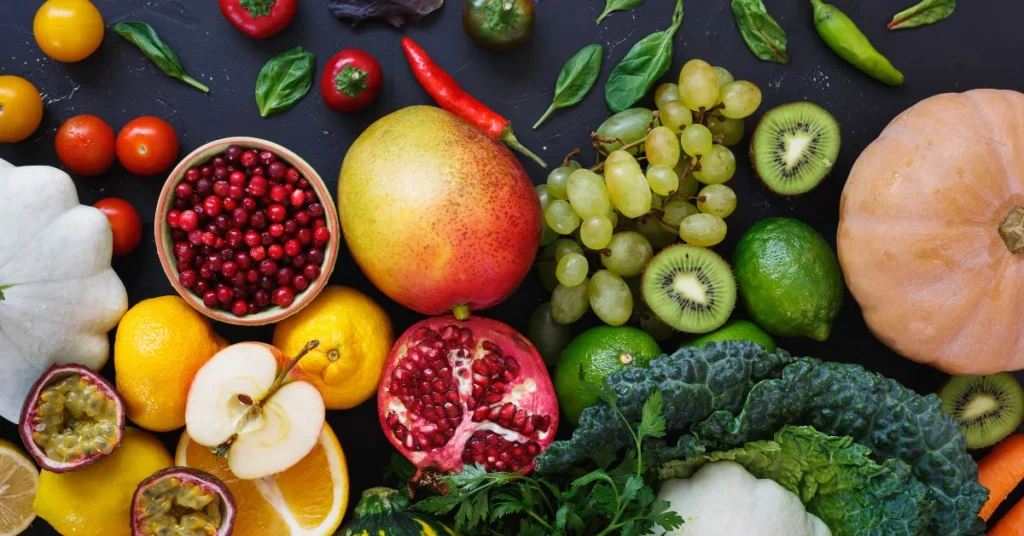
Fruits and vegetables play a key role in emergency food supplies. They provide vital vitamins, minerals, and fiber. Choosing the right types helps maintain health and energy during tough times. Storage and shelf life matter a lot. Some options last longer and stay nutritious. Others need fast use but offer fresh taste and nutrients.
Dehydrated And Freeze-dried Options
Dehydrated and freeze-dried fruits and vegetables keep most nutrients. They weigh less and last for years when sealed properly. These options rehydrate quickly with water. Easy to carry and store. Examples include apples, berries, peas, and carrots. Great for backpacking or emergency kits.
Canned Fruits And Veggies
Canned fruits and vegetables are common in emergency food storage. They have a long shelf life, often years. Canned items are ready to eat and need no cooking. Look for low-sodium or no-sugar-added versions. Popular choices include green beans, corn, peaches, and pineapple. Store cans in a cool, dry place.
Nutritious Fresh Choices
Some fresh fruits and vegetables last longer without refrigeration. Apples, carrots, potatoes, and onions store well in cool, dark places. These provide natural energy and nutrients. Rotate fresh stock regularly to avoid spoilage. Having fresh produce adds variety and boosts morale during emergencies.
Essential Fats And Oils
Essential fats and oils supply energy and support vital body functions. They help keep your skin healthy and your brain working well. During emergencies, having these fats on hand can improve stamina and mood. Choose fats that store well and provide good nutrition.
Nuts And Seeds
Nuts and seeds are rich in healthy fats and protein. They last long without refrigeration. Almonds, walnuts, chia seeds, and flaxseeds are great choices. They also contain vitamins and minerals that boost immunity.
Nut Butters
Nut butters offer concentrated fats and easy-to-eat energy. Peanut butter and almond butter are popular options. They keep well in sealed containers. Spread on crackers or eat by the spoonful for quick fuel.
Cooking Oils
Cooking oils provide essential fatty acids and calories. Olive oil, coconut oil, and avocado oil have long shelf lives. Use them to prepare meals or add flavor. Store oils in cool, dark places to avoid spoilage.
Hydration And Water Storage
Keeping yourself hydrated is crucial during an emergency. Water is not only essential for drinking but also for cooking, cleaning, and basic hygiene. Understanding how to store water safely and keep it clean can make a big difference in your survival and comfort.
Water Purification Methods
Not all water is safe to drink, especially in emergency situations. You can purify water using simple methods like boiling, which kills most bacteria and viruses. If you don’t have a stove, water purification tablets or drops are handy and easy to carry.
Another effective way is using a portable water filter. These filters remove sediments and harmful microbes, making water safer to consume. Ultraviolet (UV) light purifiers are also available; they use UV rays to neutralize bacteria and viruses quickly.
Emergency Water Storage Tips
Storing water properly is key to having a reliable supply when you need it. Use food-grade containers with tight lids to prevent contamination and leaks. Avoid using containers that have held chemicals or non-food substances.
Keep your water storage in a cool, dark place to prevent algae and bacteria growth. Label your containers with the date you stored the water, and replace it every six months. If space is limited, consider stackable containers or collapsible water bags.
Hydrating Foods
Besides drinking water, some foods can help keep you hydrated during emergencies. Fruits like watermelon, oranges, and strawberries contain high water content and provide essential vitamins. Vegetables such as cucumbers, celery, and lettuce also supply hydration along with fiber.
Including these foods in your emergency kit adds variety and supports your hydration. Have you thought about how much water you might get from your meals during a crisis? Planning your food choices carefully can reduce your water needs significantly.
Comfort And Energy Boosters
Comfort and energy boosters are essential during emergencies. They help maintain strength and uplift the spirit. These foods provide quick energy and a sense of normalcy in tough times. Easy to carry and store, they fit well in emergency kits. Let’s explore some popular options that offer both comfort and energy.
Energy Bars And Trail Mix
Energy bars and trail mix deliver fast fuel. They contain nuts, seeds, and dried fruits, rich in protein and healthy fats. These snacks are compact and last long without refrigeration. Perfect for sustained energy and hunger control. Choose bars with natural ingredients and low sugar for better health.
Chocolate And Sweets
Chocolate and sweets provide a quick energy burst. Sugar in these treats raises blood sugar fast, boosting alertness. Chocolate also contains small amounts of caffeine for extra stimulation. Keep small portions to avoid sugar crashes. These comfort foods can improve mood during stressful times.
Instant Coffee And Tea
Instant coffee and tea offer warmth and alertness. They are easy to prepare with just hot water. Caffeine helps reduce fatigue and improve focus. Tea also provides antioxidants and hydration. These drinks bring comfort and a familiar routine when needed most.

Credit: www.forbes.com
Special Considerations
Choosing the right food for emergencies requires careful thought. Special considerations ensure safety, nutrition, and long-term usability. Planning ahead can help avoid problems during stressful times.
Dietary Restrictions And Allergies
Not all foods suit everyone. Some people have allergies or special diets. Avoid foods with nuts, gluten, or dairy if needed. Include options for vegetarians, vegans, or those with medical diets. Label foods clearly to prevent accidental consumption.
Caloric Needs For Different Situations
Calorie needs vary by age, activity, and health. Children and seniors need fewer calories than active adults. In emergencies, energy use may increase due to stress or work. Pack high-calorie, nutrient-rich foods like nuts, dried fruits, and energy bars. Balance quick energy with long-lasting nutrition.
Food Rotation And Maintenance
Store emergency food properly to avoid spoilage. Use a rotation system: eat older food first, replace it with new stock. Check expiration dates regularly. Keep foods in cool, dry places away from sunlight. Proper storage extends shelf life and keeps food safe.
Frequently Asked Questions
What Foods Last Longest In An Emergency?
Canned beans, rice, dried pasta, and canned vegetables last longest. These foods have a long shelf life and require minimal preparation.
Which Emergency Foods Provide The Most Energy?
Nuts, peanut butter, and granola bars provide high energy. They are calorie-dense and easy to store, perfect for emergencies.
Are Freeze-dried Meals Good For Emergencies?
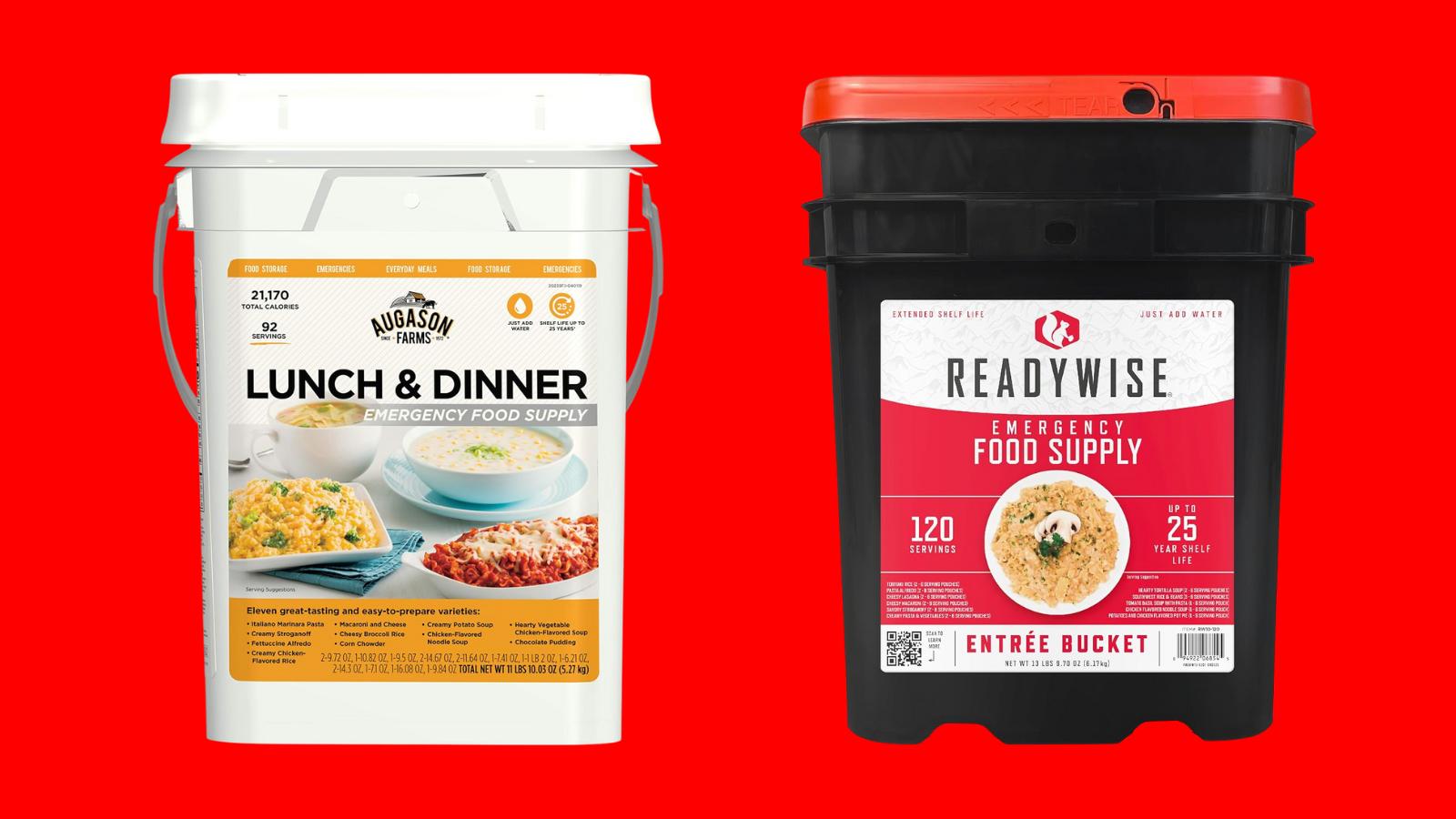
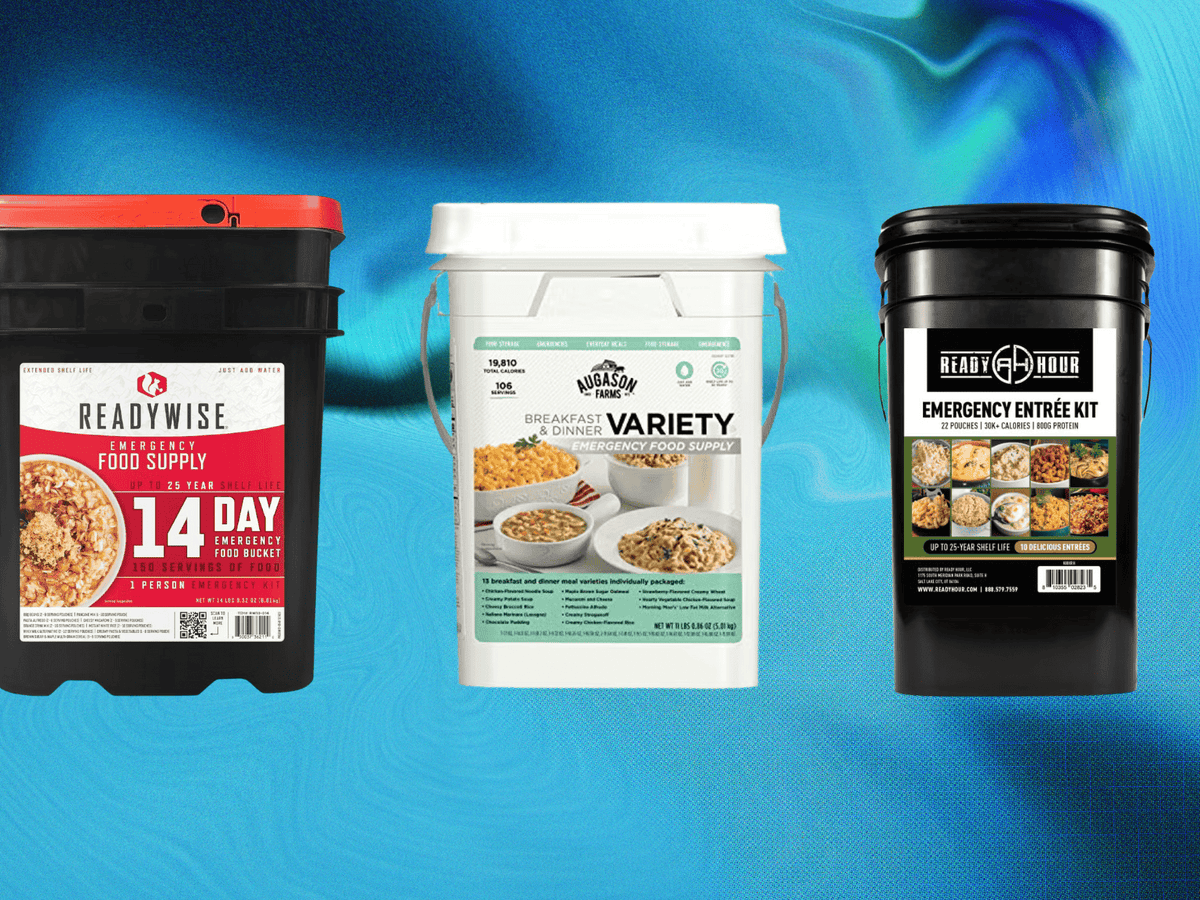
Yes, freeze-dried meals are lightweight, nutritious, and last years. They require only water to prepare, making them ideal for emergencies.
How Much Water-rich Food Should I Store?
Store foods like canned fruits and vegetables for hydration. Water-rich foods help maintain hydration when water supply is limited.
Conclusion
Choosing the right food helps you stay safe during emergencies. Pack items that last long and give good energy. Think about water, canned goods, nuts, and dried fruits. Avoid foods that spoil quickly or need cooking. Keep your emergency food easy to carry and eat.
Regularly check and replace old supplies. Being prepared means you can focus on staying calm and safe. Small steps today make a big difference tomorrow. Stay ready, stay strong.