Have you ever wondered what food you should stockpile for an emergency? When disaster strikes, having the right supplies can make all the difference.
You want to be prepared without wasting space or money on items that won’t last or keep you nourished. This guide will help you choose the best foods to keep on hand—foods that are easy to store, have a long shelf life, and provide the energy your body needs.
Keep reading to discover how to build a smart, reliable food stash that will give you peace of mind when it matters most.
Credit: www.battlbox.com
Long-lasting Staples
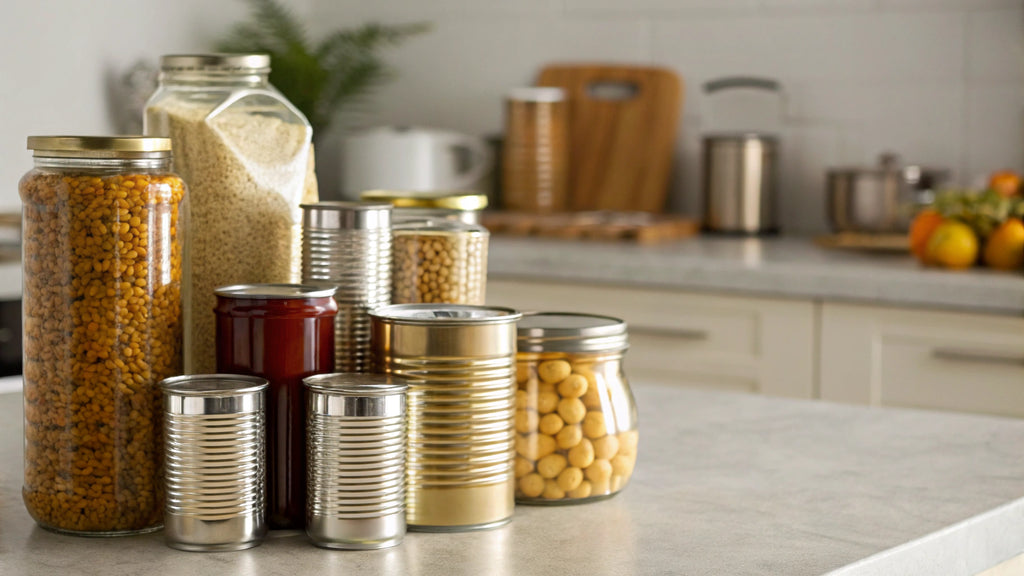
Long-lasting staples form the backbone of any emergency food supply. These foods stay edible for months or even years. They provide essential nutrients and energy when fresh food runs out. Stockpiling them ensures a steady food source during uncertain times. Choose foods that require little preparation and have a long shelf life.
Grains And Cereals
Grains and cereals are excellent sources of carbohydrates and fiber. They keep well for long periods if stored properly. Store whole grains like rice, oats, and wheat. Quinoa and barley also last long and cook quickly. Keep cereals like cornmeal and dry pasta on hand. Use airtight containers to protect from moisture and pests.
Legumes And Beans
Legumes and beans are rich in protein and fiber. They stay good for years when kept dry. Stock dried beans such as black beans, lentils, chickpeas, and kidney beans. They need soaking and cooking but are very filling. Canned beans offer convenience but have a shorter shelf life than dried ones.
Powdered And Shelf-stable Dairy
Powdered milk and shelf-stable dairy products add calcium and protein. These include powdered milk, evaporated milk, and shelf-stable cheese. They last long without refrigeration. Use them to prepare drinks, sauces, and baked goods. Keep these products sealed tightly to maintain freshness.
High-energy Foods
High-energy foods are essential when preparing your emergency food stockpile. These foods provide the calories and nutrients your body needs to stay strong and alert during stressful situations. Choosing the right high-energy foods can make a big difference in how well you cope with emergencies.
Nuts And Seeds
Nuts and seeds are power-packed with healthy fats, protein, and fiber. They stay fresh for a long time when stored properly, making them perfect for emergency kits. Almonds, walnuts, sunflower seeds, and pumpkin seeds are all excellent choices.
I remember keeping a small bag of mixed nuts in my backpack during a hiking trip. When hunger hit unexpectedly, those nuts gave me a quick energy boost and kept me going. Wouldn’t you want that kind of reliable fuel ready for your own emergencies?
Energy Bars And Trail Mixes
Energy bars and trail mixes combine various nutrient-dense ingredients in a convenient form. They are easy to carry and consume, especially when you have limited time or cooking options. Look for bars with natural ingredients and minimal added sugars.
When I first started prepping, I underestimated how handy energy bars could be. During a power outage, they were a lifesaver—no mess, no fuss, just instant energy. Have you tried different brands to find what works best for your taste and energy needs?
Nut Butters
Nut butters like peanut butter and almond butter are excellent sources of protein and healthy fats. They are shelf-stable and can be paired with crackers or eaten on their own. Plus, they satisfy hunger quickly and keep you feeling full longer.
I always keep a jar of peanut butter in my emergency supplies. It’s versatile and comforting, even when fresh food isn’t available. How often do you think about the convenience of spreadable, high-energy foods in your emergency plan?
Canned And Preserved Goods
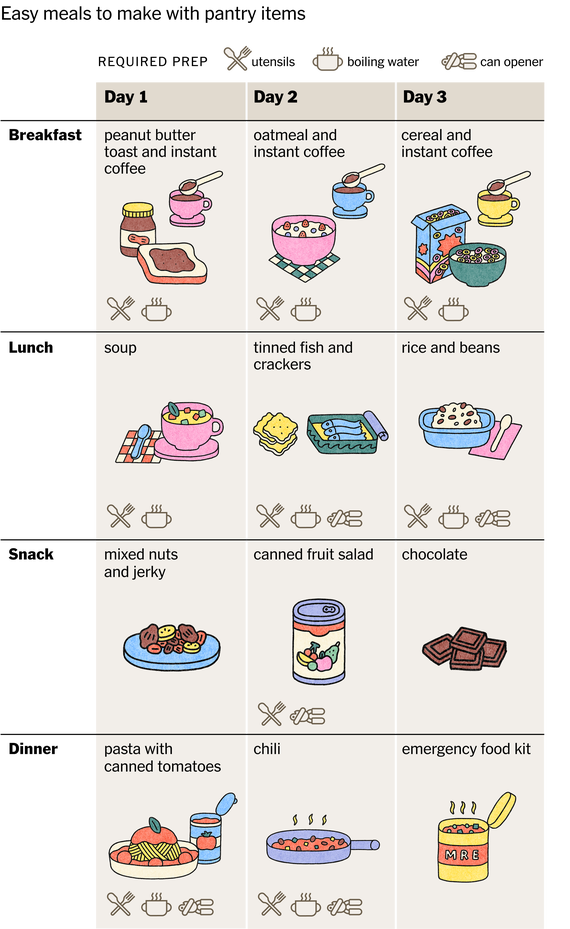
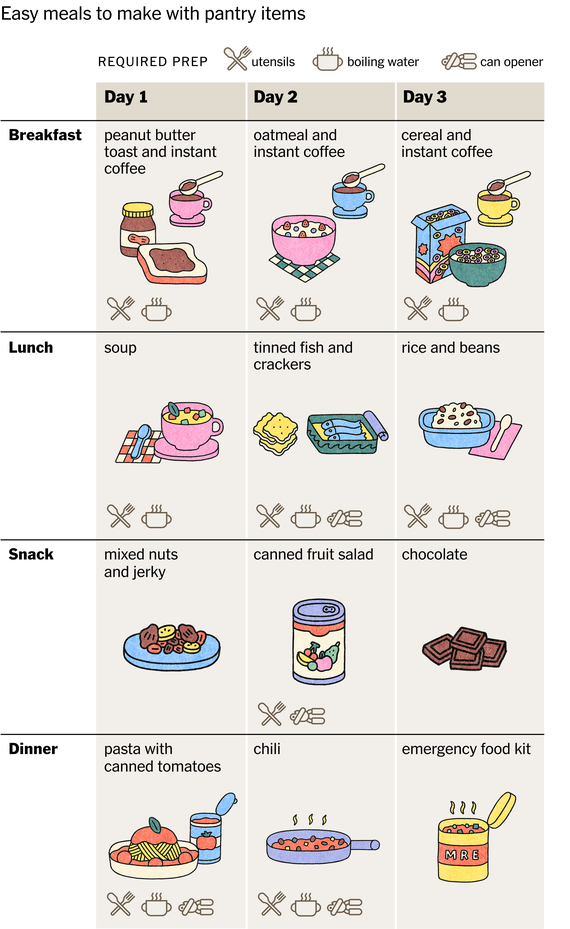
Stockpiling canned and preserved goods ensures a long-lasting food supply during emergencies. These items are easy to store, require no refrigeration, and offer quick meal options when fresh food is unavailable.
In times of emergency, having a well-stocked pantry can be a lifesaver. Canned and preserved goods are at the top of the list for many households. They provide essential nutrients, have a long shelf life, and don’t require refrigeration. Picture the peace of mind you’ll have knowing your family is prepared with wholesome meals, even when fresh supplies are hard to come by.Vegetables And Fruits
Canned vegetables and fruits retain most of their nutritional value. They are a great way to ensure you get your daily dose of vitamins and minerals. Peas, corn, green beans, peaches, and pineapples are just a few options that can brighten any meal. Consider rotating your stock regularly. This ensures you always have the freshest options available. You might discover a new favorite snack, like canned mandarin oranges or pickled beets, while doing so.Meats And Fish
Canned meats and fish are protein powerhouses. They’re convenient and can transform a meal from basic to hearty. Tuna, chicken, and sardines can be quickly added to salads, sandwiches, or casseroles. During a camping trip, I discovered the magic of canned chicken. It mixed perfectly with pasta and a jar of pesto, creating an easy gourmet meal under the stars. This proves how versatile these canned goods can be.Soups And Stews
Canned soups and stews are comforting and filling. They’re perfect for those nights when you need a quick meal with minimal effort. Opt for varieties with added beans or lentils for a boost of fiber and protein. Have you tried using canned soup as a base for a creative dish? Adding rice, additional vegetables, or spices can turn a simple can into a family favorite. Keep experimenting with different combinations to keep meals exciting. Stocking up on these canned and preserved goods ensures you’re ready for anything. With a little creativity, these staples can provide nutritious and delicious meals during any emergency. How will you transform your pantry supplies into something memorable?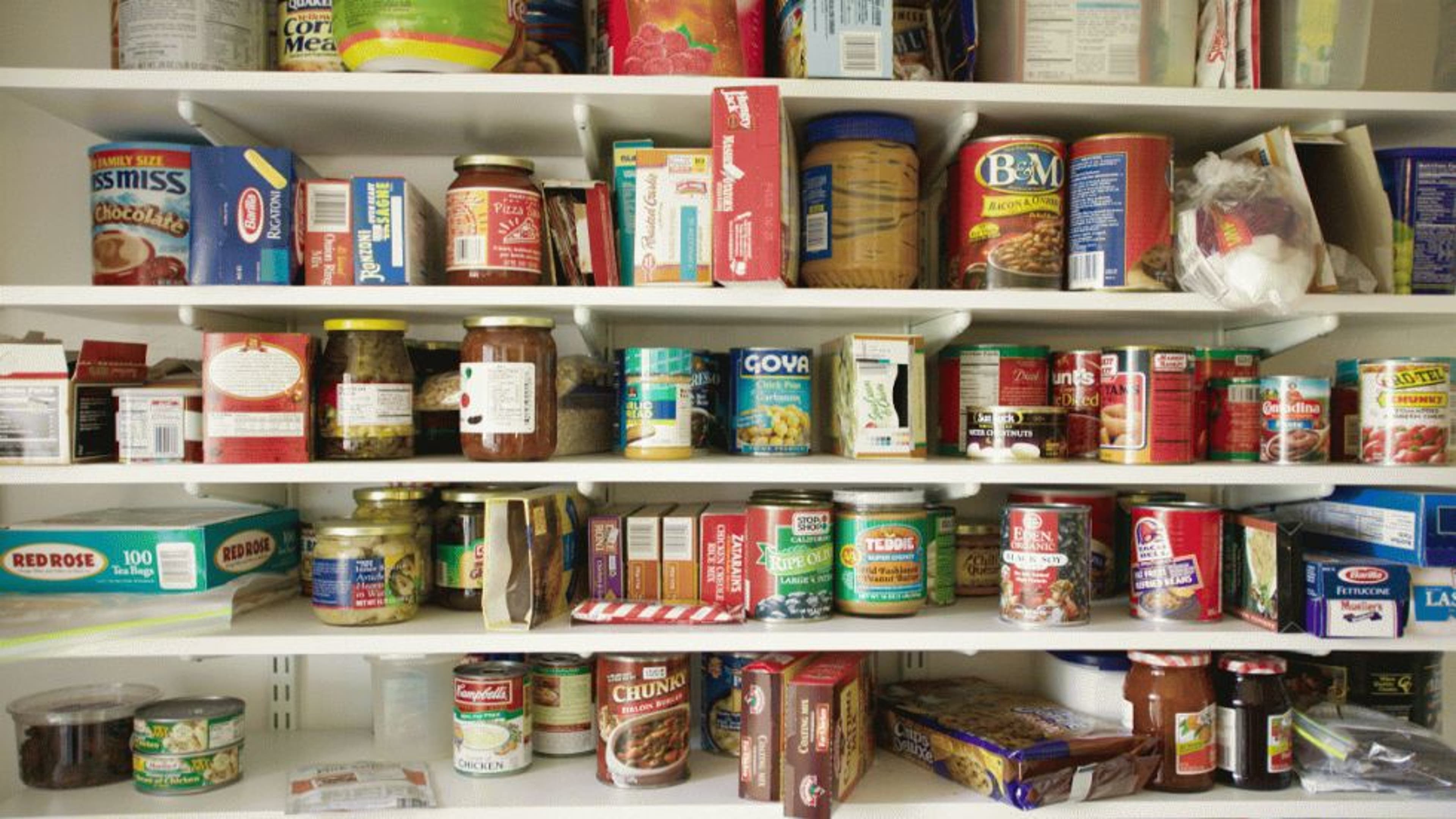
Credit: weather.com
Hydration Essentials
Staying hydrated during an emergency is non-negotiable. Your body needs a steady supply of clean water to function properly. Without it, fatigue, dizziness, and serious health problems can set in quickly.
Bottled Water
Bottled water is the simplest and most reliable option to stockpile. Choose bottles with sturdy seals and check expiration dates regularly. Store them in a cool, dark place to keep the water fresh for longer.
How much water should you keep? Experts suggest at least one gallon per person per day. This covers drinking, cooking, and basic hygiene needs.
Water Purification Methods
What if your bottled water runs out? Having purification tools on hand is crucial. You can use water purification tablets, portable filters, or even boil water to make it safe.
- Water purification tablets:Easy to carry and use, but always follow instructions carefully.
- Portable filters:Great for removing bacteria and debris. Some models even remove viruses.
- Boiling water:Boil for at least one minute to kill most harmful organisms.
Try practicing these methods before an emergency hits. It builds confidence and ensures you’re ready when needed.
Electrolyte Solutions
Pure water alone might not be enough during intense heat or physical stress. Your body loses electrolytes like sodium and potassium through sweat. Replenishing them is key to avoiding cramps and fatigue.
Stockpile electrolyte powders, tablets, or ready-made drinks. They are compact and have a long shelf life. Mixing them with your stored water keeps your hydration balanced and effective.
Ever felt drained after a day of hard work or exercise? That’s your body signaling the need for electrolytes. Don’t ignore these signs during emergencies.
Comfort And Flavor Boosters
When stockpiling food for emergencies, don’t overlook the importance of comfort and flavor boosters. These small additions can transform basic meals into something enjoyable and satisfying. They help maintain morale and make tough times a bit easier by adding familiar tastes and aromas to your food.
Spices And Seasonings
Spices and seasonings are essential for making emergency meals palatable. Think beyond just salt and pepper—include garlic powder, chili flakes, dried herbs like oregano and thyme, and even curry powder. These items take up little space and last a long time, yet they can completely change the flavor profile of simple dishes.
Have you ever eaten plain rice for days? Adding a pinch of cumin or smoked paprika can turn it from boring to delicious. Keep small airtight containers or resealable bags to preserve freshness.
Coffee And Tea
Many people find comfort in a warm cup of coffee or tea, especially during stressful situations. Stockpile instant coffee, ground coffee in vacuum-sealed bags, or a variety of tea bags. These options require minimal preparation and can provide a quick boost of energy and relaxation.
Consider different types—herbal teas for calming effects and black or green teas for caffeine. Having your favorite brew on hand can create a moment of normalcy when everything feels uncertain.
Sweeteners And Condiments
Sweeteners and condiments add variety and fun to emergency meals. Keep honey, sugar, and artificial sweeteners to suit different tastes. These can enhance oatmeal, tea, or even make simple snacks more enjoyable.
Don’t forget small bottles of hot sauce, soy sauce, mustard, or ketchup. A little bit goes a long way in making canned or dried foods more flavorful. What’s your go-to condiment that instantly lifts your meal? Stock it up—it might be a lifesaver for your taste buds.
Special Dietary Needs
Special dietary needs require extra attention when stockpiling food for emergencies. Your usual canned goods or snacks might not work if you or someone in your household has restrictions. Planning ahead ensures you have safe, nutritious options that keep everyone healthy and comfortable during stressful times.
Gluten-free Options
Gluten intolerance or celiac disease demands careful food choices. Stockpile naturally gluten-free items like rice, quinoa, and gluten-free oats. Look for gluten-free labeled canned beans, soups, and sauces to avoid hidden gluten.
Don’t forget gluten-free snack bars and crackers to keep energy levels up. These items often have a long shelf life and can be lifesavers when fresh food isn’t available.
Vegan And Vegetarian Choices
If you follow a plant-based diet, prioritize protein-rich foods like dried lentils, chickpeas, and canned beans. Shelf-stable plant milks such as almond or soy milk are good substitutes for dairy.
Dehydrated vegetables and freeze-dried fruits add essential nutrients without the need for refrigeration. Have you considered how you’ll get enough protein and vitamins if fresh produce runs out?
Allergy-friendly Foods
Allergies to nuts, dairy, or shellfish require extra caution. Choose allergen-free snacks and meals clearly labeled to avoid accidental exposure. Seeds like sunflower or pumpkin seeds can be excellent nut alternatives.
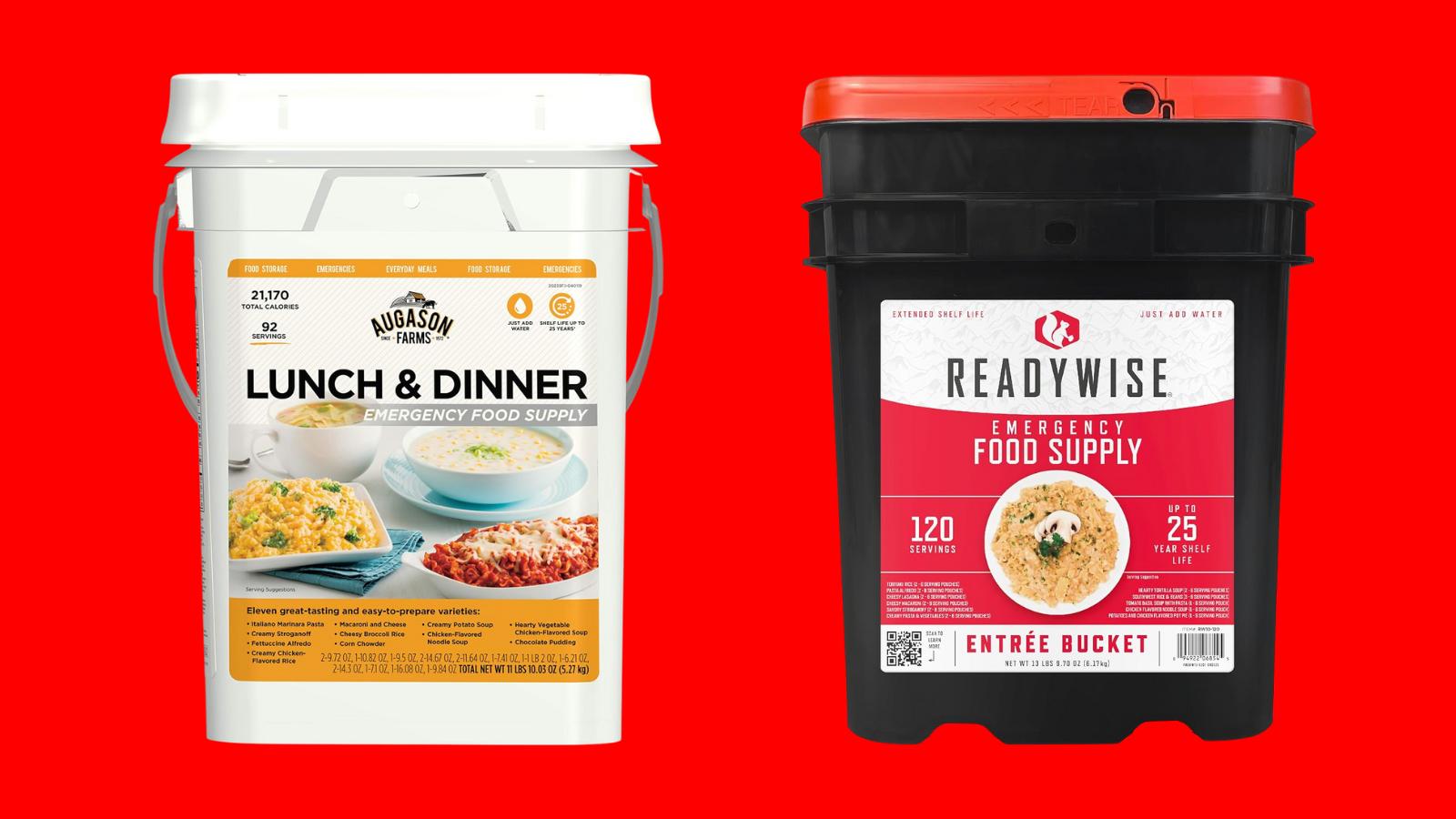
Always read ingredient lists carefully, even on emergency food kits. Can you imagine relying on stockpiled food only to find it triggers an allergy?
Storage Tips
Storing emergency food properly can make all the difference when you need it most. Without the right storage approach, even the best stockpile can spoil or lose nutritional value quickly. Paying attention to how you store your food ensures it stays fresh, safe, and ready to use whenever an emergency strikes.
Optimal Containers
Choosing the right containers protects your food from moisture, pests, and air exposure. Use airtight containers like Mylar bags with oxygen absorbers, heavy-duty plastic buckets with sealed lids, or glass jars with tight-fitting lids.
Plastic containers are lightweight and stackable, making them great for larger quantities. Glass jars are excellent for smaller portions and dry goods like rice or beans. Avoid cardboard boxes as they can easily absorb moisture and attract insects.
Temperature Control
Keep your food in a cool, dry place away from direct sunlight. Temperatures between 50°F and 70°F (10°C to 21°C) are ideal for most emergency food items.
High heat can speed up spoilage and reduce shelf life, while freezing temperatures may damage some canned goods. Ask yourself: does your storage area maintain a consistent temperature throughout the year?
Rotation And Shelf Life
Rotate your stockpile regularly to use older items first and replace them with fresh supplies. Label each container with the purchase or packaging date to track expiration.
Dry goods like rice and pasta can last up to 30 years if stored properly, but canned goods typically last 2 to 5 years. Plan a rotation schedule that suits your family’s needs—perhaps checking your food every six months.

Credit: trueprepper.com
Frequently Asked Questions
What Are The Best Long-lasting Emergency Foods?
Canned goods, dried beans, rice, and pasta last long and provide essential nutrients. Freeze-dried meals and nuts also have extended shelf lives. Choose foods with low moisture to avoid spoilage. Always check expiration dates and rotate stock regularly for freshness.
How Much Food Should I Stockpile Per Person?
Stockpile at least a two-week supply per person for emergencies. This includes three meals daily with snacks. Calculate calories needed based on age, weight, and activity. Ensure variety to maintain nutrition and morale during stressful times.
Which Foods Provide The Most Nutrition In Emergencies?
Focus on protein-rich foods like canned tuna, beans, and peanut butter. Include whole grains for energy and vitamins. Dried fruits and nuts offer essential fats and minerals. Multivitamins can supplement any nutritional gaps during emergencies.
Can I Store Fresh Produce For Emergencies?
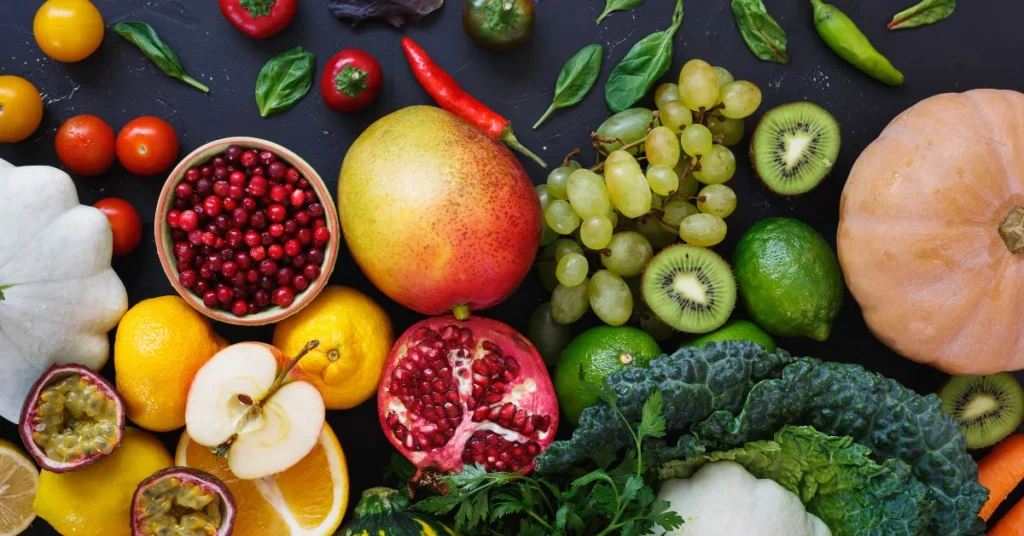
Fresh produce has a short shelf life, so stockpile canned or freeze-dried fruits and vegetables instead. These retain nutrients longer and reduce waste. Consider dehydrated options that rehydrate easily and maintain flavor. Always store in a cool, dry place.
Conclusion
Stockpiling the right food keeps you safe during emergencies. Choose items that last long and provide good nutrition. Think about your family’s needs and preferences. Rotate your stock regularly to keep food fresh. Water and easy-to-prepare meals are important too.
Planning ahead reduces stress in tough times. Start small and build your supplies step by step. Being prepared helps you stay calm and healthy. Simple, smart choices make a big difference. Stay ready for whatever comes your way.