When an emergency strikes, having the right food on hand can make all the difference for you and your loved ones. But what exactly should you store to stay safe, healthy, and comfortable?
You want food that lasts, tastes good, and gives you the energy you need when it matters most. This guide will help you discover the best options to keep in your pantry, so you’re fully prepared—no guesswork, no stress. Keep reading to learn how to build your perfect emergency food supply.
Long-lasting Grains
Long-lasting grains are essential for emergency food storage. They provide energy and nutrients. These grains stay good for years if stored properly. They are easy to cook and versatile in recipes. Stocking a variety of grains ensures balanced meals during tough times.
Rice Varieties
Rice is a staple grain with a long shelf life. White rice lasts the longest, up to 30 years if sealed well. Brown rice has more nutrients but spoils faster, usually within six months to a year. Jasmine and basmati rice add flavor and aroma to meals. Store rice in airtight containers to keep pests and moisture out.
Quinoa And Couscous
Quinoa is a protein-rich grain that cooks quickly. It lasts about 2-3 years when stored in a cool, dry place. Couscous is made from semolina wheat and cooks fast too. It keeps well for up to a year. Both are great options for quick, nutritious meals.
Oats And Barley
Oats provide fiber and energy and last about a year in sealed bags. Rolled oats and steel-cut oats both store well. Barley is another durable grain with a nutty taste. It can last up to a year when kept dry. Use these grains in soups, stews, or breakfast dishes.

Credit: www.msn.com
Canned And Jarred Foods
Canned and jarred foods are a practical choice for emergency storage. They last a long time without refrigeration. Their sealed packaging protects the food from bacteria and spoilage. These foods are ready to eat or require minimal cooking. They help maintain a balanced diet in tough times.
Vegetables And Fruits
Canned vegetables and fruits provide essential vitamins and minerals. They come pre-cut and cooked, saving time. Common options include corn, green beans, peas, peaches, and pineapple. Choose low-sodium or no-sugar-added varieties for better health. Store a variety to keep meals interesting and nutritious.
Beans And Legumes
Beans and legumes are excellent protein sources. They are filling and easy to cook. Popular canned types include black beans, chickpeas, kidney beans, and lentils. These foods also provide fiber for digestion. Keep several kinds on hand to add variety to soups and stews.
Meats And Fish
Canned meats and fish offer a quick protein boost. Options like tuna, chicken, salmon, and sardines are common. These foods require no refrigeration until opened. They add flavor and nutrients to meals. Store a mix of types to cover different recipes and tastes.
Dried And Dehydrated Items
Dried and dehydrated foods are essential for emergency storage. They last long and require minimal space. Stock up on items like dried fruits, vegetables, beans, and meats. These foods retain nutrients and are easy to prepare, ensuring you have a reliable food supply during emergencies.
Storing food for emergencies ensures you stay prepared during unforeseen circumstances. Dried and dehydrated items are essential for long-term storage. They offer extended shelf life and are easy to store. These foods retain most nutrients, making them a smart choice for emergencies.Fruits And Vegetables
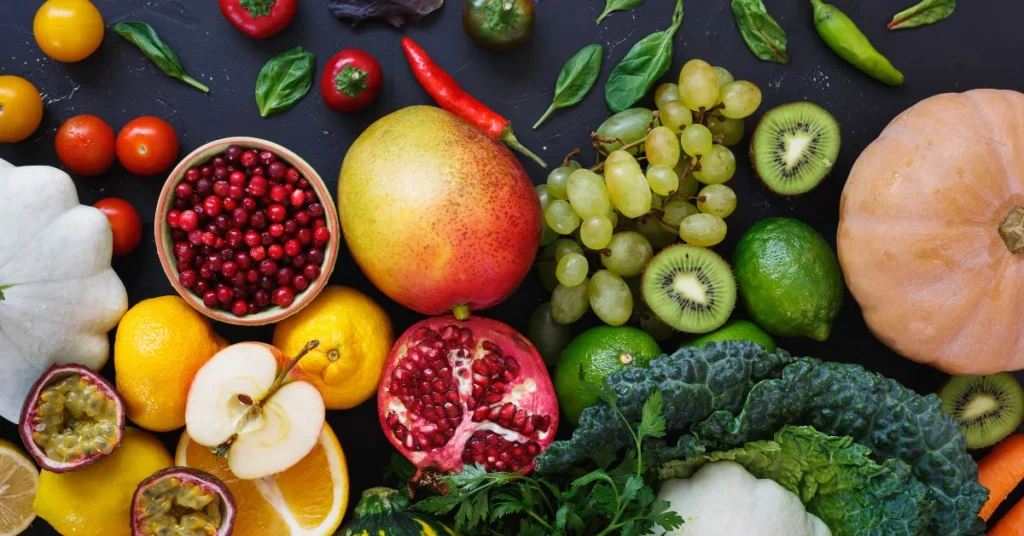
Dried fruits provide essential vitamins and natural sugars. They are lightweight and easy to pack. Options include raisins, dried apricots, and apple slices. Dehydrated vegetables like carrots and peas are nutrient-rich. You can rehydrate them for soups or stews. Both fruits and veggies maintain flavor and nutrients well.Meat Jerky
Meat jerky is a protein-rich choice. It lasts long and is easy to store. Varieties include beef, turkey, and chicken. Jerky is great for energy during emergencies. It’s lightweight and provides necessary nutrients. Ensure you store it in a cool, dry place.Instant Soups And Meals
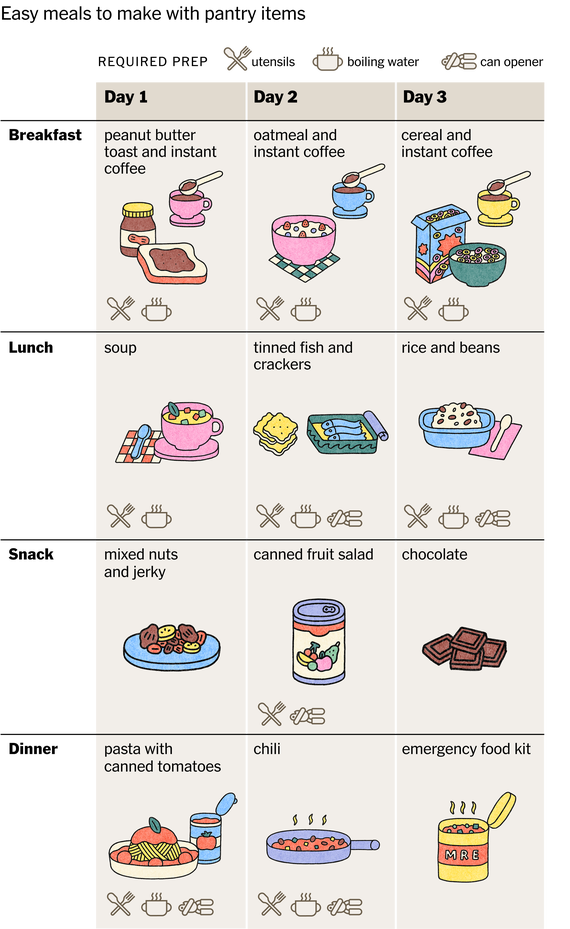
Instant soups are convenient and quick to prepare. Just add hot water and stir. They offer a warm meal when needed most. Look for options with vegetables and proteins. Instant meals, like pasta or rice dishes, are filling. They require minimal cooking and provide essential energy.
Credit: dragonquillca.medium.com
Nut Butters And Seeds
Nut butters and seeds are excellent additions to your emergency food storage. They pack a punch of energy, healthy fats, and essential nutrients. Plus, they have a long shelf life when stored properly, making them reliable staples during uncertain times.
Peanut And Almond Butter
Peanut and almond butter provide a rich source of protein and healthy fats, helping to keep you full and energized. They are easy to eat straight from the jar or can be spread on crackers and bread for quick meals. Look for natural versions without added sugars or hydrogenated oils to maximize health benefits.
Have you ever noticed how peanut butter can satisfy hunger quickly? Keeping a few jars on hand ensures you have a versatile food that requires no preparation. Storing them in a cool, dark place can extend their shelf life for months.
Chia And Flax Seeds
Chia and flax seeds are tiny but mighty sources of omega-3 fatty acids, fiber, and antioxidants. They can be sprinkled on meals, mixed into drinks, or used in baking, making them incredibly flexible. Their natural oils help sustain energy and support heart health, which is crucial during stressful situations.
Remember to keep these seeds in airtight containers to avoid rancidity. Have you tried soaking chia seeds overnight? It creates a gel-like texture that can replace eggs or thicken soups, adding variety to your emergency menu.
Sunflower And Pumpkin Seeds
Sunflower and pumpkin seeds add crunch and nutrition to your stored food options. They are rich in vitamins, minerals, and protein, offering a quick snack or a salad topping. Roasted seeds can also boost morale with their satisfying flavor and texture.
Consider portioning seeds into small bags for easy grab-and-go snacks. What if you mixed them with dried fruit or nuts for a homemade trail mix? This simple combination can provide a balanced snack packed with energy and nutrients.
Cooking Essentials
Cooking essentials form the backbone of any emergency food stash. They’re the small but mighty ingredients that turn basic staples into tasty, satisfying meals. Without these, your stored food might feel bland and uninspired, making it harder to enjoy mealtime during tough times.
Oils And Fats
Oils and fats are crucial for cooking and nutrition. They help you sauté, bake, and add flavor to your dishes. Keep a variety of shelf-stable options like olive oil, coconut oil, and vegetable oil on hand.
Don’t forget animal fats like lard or ghee if you prefer them. These can last a long time when stored properly and bring a rich taste to your cooking. Have you considered how much flavor you lose without fats in your meals?
Salt And Spices
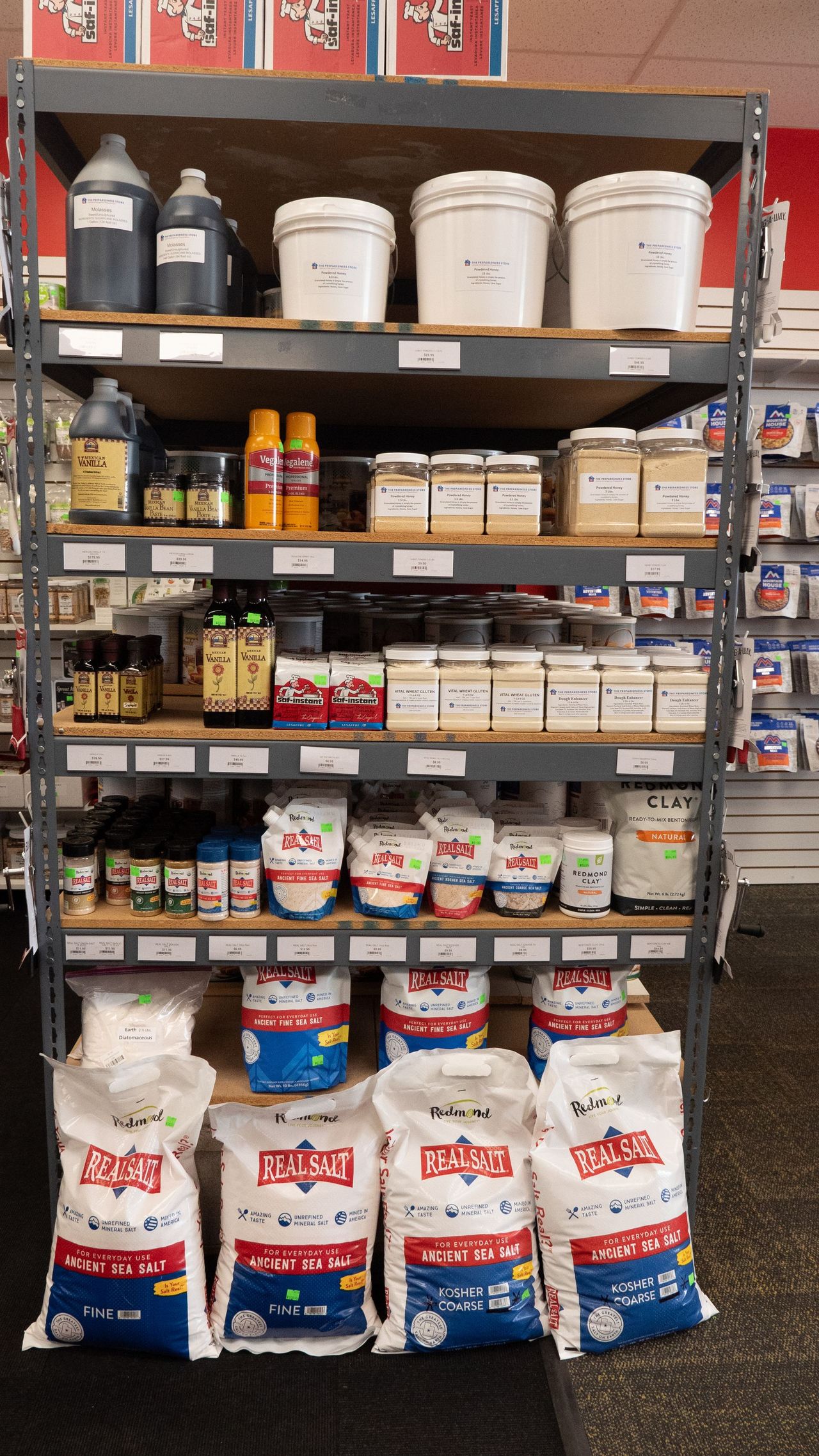
Salt isn’t just for seasoning—it preserves food and balances flavors. Stock up on iodized salt and sea salt for different uses. Without salt, even the freshest ingredients taste flat.
Spices add personality to your meals. Keep essentials like black pepper, garlic powder, paprika, and dried herbs. These small jars can transform simple emergency ingredients into meals you actually want to eat.
Sugar And Sweeteners
Sugar is more than just a sweetener; it can help with food preservation and fermentation. Store granulated sugar, brown sugar, and honey for versatility. Honey also has a long shelf life and natural antibacterial properties.
Consider alternatives like maple syrup or molasses if you want variety. How often do you realize how much you rely on a pinch of sweetness to lift your dishes? Don’t overlook this simple but important category.
Hydration Supplies
Hydration is a top priority during emergencies. Proper water supplies keep the body working well. Without enough fluids, dehydration can set in quickly. Storing the right hydration supplies ensures you stay healthy and alert. Consider different ways to secure clean and safe water for any situation.
Bottled Water
Bottled water is easy to store and use. Choose sealed bottles with long shelf life. Store water in a cool, dark place to keep it fresh. Rotate your supply every six months to avoid spoilage. Calculate at least one gallon per person daily for drinking and basic needs.
Water Purification Methods
Purification methods help make unsafe water drinkable. They are essential if bottled water runs out. Boiling water kills most germs and bacteria. Water purification tablets are lightweight and effective. Portable filters remove dirt and harmful particles. Keep more than one method for safety.
Electrolyte Mixes
Electrolyte mixes replace lost minerals and keep you energized. Choose powders or tablets that dissolve quickly in water. They help balance sodium, potassium, and magnesium levels. Store enough to last several days. Electrolytes are especially important after sweating or illness.
Ready-to-eat Meals
Ready-to-eat meals are a crucial part of any emergency food supply. They save time and effort when cooking isn’t an option. Choosing the right types ensures you have nutritious, easy-to-prepare options that keep you energized and comfortable during difficult times.
Mres (meals Ready To Eat)
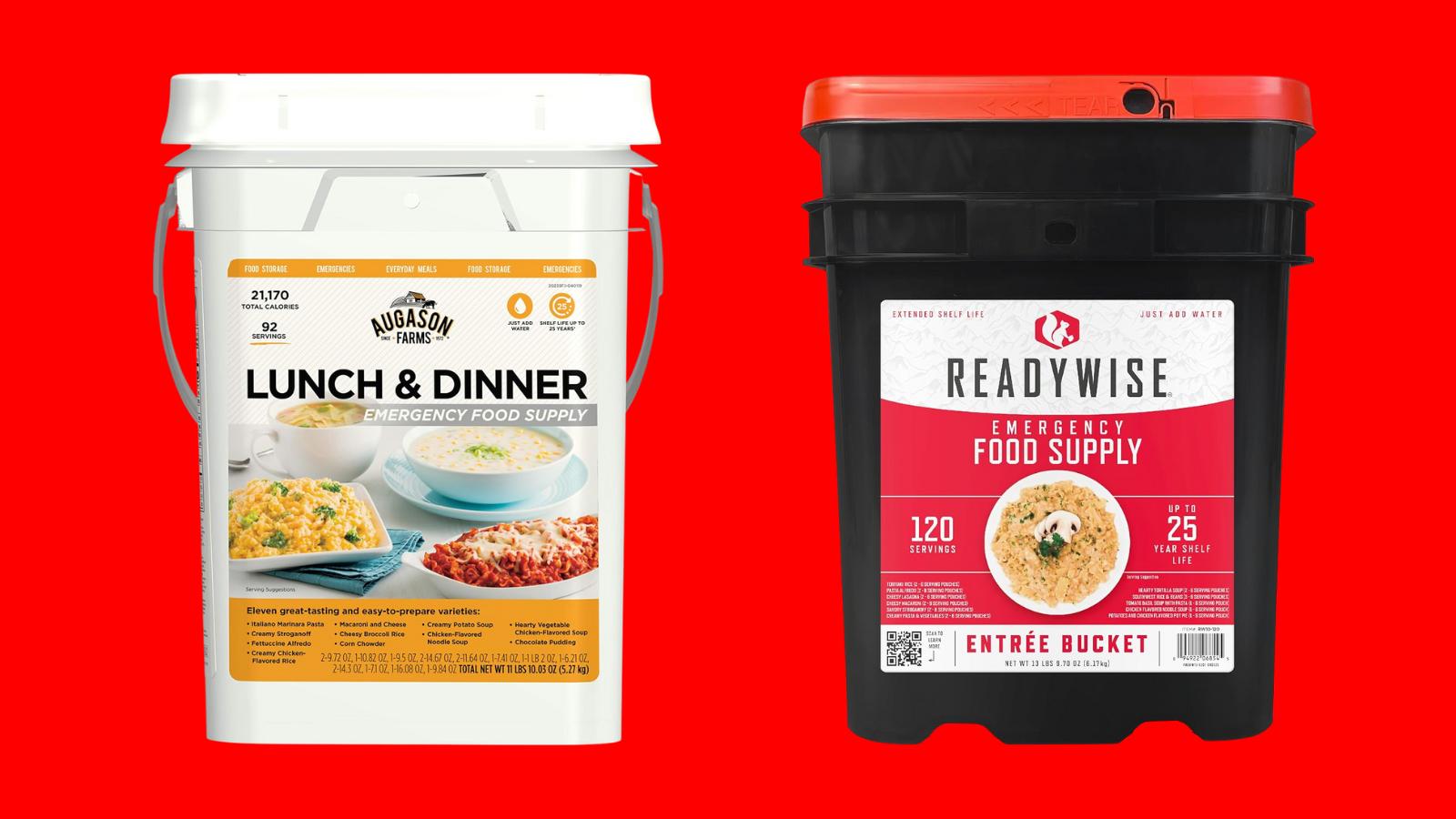
MREs are a favorite among military personnel and preppers because they are fully cooked and sealed for long shelf life. They come with everything you need, including utensils and sometimes even heating elements. Their portability makes them perfect for quick meals when you’re on the move or without access to a kitchen.
Have you ever tried an MRE? Some taste better than you might expect, and they provide balanced nutrition. Keep a variety on hand to avoid meal fatigue during extended emergencies.
Freeze-dried Options
Freeze-dried meals are lightweight and pack a big nutritional punch. They only need water to rehydrate, making them ideal for conserving space and weight in your emergency kit. Plus, they often retain much of their original flavor and nutrients.
Think about how easy it would be to boil water and prepare these meals even if electricity is out. Try a few different brands to find flavors you enjoy, so you’re more likely to eat well when it matters most.
Energy Bars And Snacks
Energy bars and snacks are your quick grab-and-go fuel. They’re compact, require no preparation, and often contain a mix of protein, carbs, and fats. Keep a mix of sweet and savory bars to satisfy different cravings.
Don’t forget nuts, dried fruits, and jerky—they’re excellent for snacking and provide long-lasting energy. Ask yourself if you’ve stocked enough variety to keep your spirits up during stressful times.
Special Diet Considerations
Special diets need careful planning during emergencies. Food choices must match health needs and preferences. Emergency food supplies should support well-being and prevent discomfort. This section covers key foods for common special diets.
Gluten-free Staples
Gluten-free foods avoid wheat, barley, and rye. Store these safe staples:
- Rice and rice noodles
- Quinoa and millet
- Gluten-free oats
- Canned beans and lentils
- Gluten-free canned soups
- Nut butters and seeds
Check labels to avoid hidden gluten. Keep a variety to ensure balanced meals.
Vegan And Vegetarian Options
Plant-based diets need protein and vitamins from non-meat sources. Store these items:
- Dried beans and peas
- Lentils and chickpeas
- Quinoa and whole grains
- Canned vegetables and fruits
- Plant-based protein powders
- Nuts, seeds, and nut butters
Choose fortified foods for vitamin B12 and iron. Variety helps maintain energy.
Allergy-friendly Foods
Allergy-safe food avoids common triggers like nuts, dairy, or soy. Consider these options:
- Rice and corn-based products
- Fresh or canned fruits and vegetables
- Meat, poultry, and fish (if allowed)
- Sunflower seed butter or pumpkin seed butter
- Gluten-free grains and flours
Read labels carefully to avoid cross-contamination. Keep separate containers to prevent mix-ups.
Storage Tips
Storing food properly during an emergency can make a huge difference in how long your supplies last and how safe they remain to eat. The right storage approach helps prevent spoilage, waste, and unexpected health risks. You want your emergency food stash to be reliable when you need it most, so let’s look at some key storage tips that can keep your supplies in top shape.
Proper Containers
Choosing the right containers is essential. Airtight containers keep moisture, pests, and air out, which slows down spoilage. Glass jars, heavy-duty plastic bins, and vacuum-sealed bags are excellent choices.
Think about reusing containers you already have at home, but make sure they have tight seals. Avoid thin plastic bags or containers that can easily tear or let air in. Have you checked if your containers are truly airtight? Sometimes a small gap can ruin your whole food supply.
Temperature Control
Temperature plays a huge role in food preservation. Store your emergency food in a cool, dry place to extend shelf life. Heat speeds up the breakdown of nutrients and promotes mold or bacterial growth.
Basements or closets away from direct sunlight often work well. If you live somewhere hot, consider insulated storage boxes or even a dedicated cooler. How often do you check the temperature where your food is stored? Small changes can make a big impact.
Rotation And Shelf Life
Rotating your food stock means using older items first and replacing them with fresh ones. This keeps your emergency stash fresh and prevents waste. Label each item with the date you stored it to keep track.
Keep a list of shelf lives for common emergency foods like canned goods, rice, and dried beans. Some items last years, while others only months. Have you ever discovered expired food in your stash? Regular rotation saves you from that unpleasant surprise.
Credit: www.thepreparednessstore.com
Frequently Asked Questions
What Are The Best Non-perishable Foods For Emergencies?
Canned beans, rice, pasta, and dried fruits are ideal non-perishable foods. They have a long shelf life and provide essential nutrients during emergencies.
How Much Food Should I Store For An Emergency?
Store at least a two-week supply of food per person. This ensures you have enough nutrition if resupply is impossible.
Can I Store Fresh Food For Emergencies?
Fresh foods spoil quickly, so focus on long-lasting options like canned or dried foods. Freeze fresh produce if possible for short-term storage.
Are Ready-to-eat Meals Good For Emergency Storage?
Yes, ready-to-eat meals are convenient and require no cooking. They are perfect when access to heat or water is limited.
Conclusion
Storing the right food keeps you safe during emergencies. Choose items that last long and need little water. Include canned goods, dry grains, and ready snacks. Don’t forget to rotate your stock regularly. Keep food in a cool, dry place.
Plan meals that suit your family’s needs. Being prepared reduces stress in tough times. Start building your emergency food supply today. Small steps can make a big difference later. Stay safe and ready with smart food choices.