Imagine facing a sudden power outage, a natural disaster, or an unexpected emergency at home. Do you have the right gear to keep you and your loved ones safe and comfortable?
Your survival depends on the tools and supplies you keep close. You’ll discover the must-have home survival gear that can make all the difference when it matters most. Keep reading to find out how to prepare your home so you’re ready for anything life throws your way.
Credit: naturaldisastersurvivalproducts.com
Basic Survival Kit
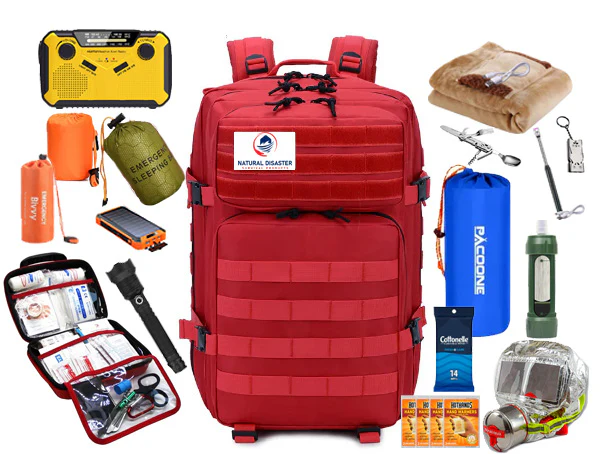
A basic survival kit is the foundation of any home emergency plan. It ensures you have the most important items ready for unexpected situations. This kit helps you stay safe, healthy, and comfortable during tough times. Preparing a simple, effective kit is easy and smart.
Focus on three key areas: water, food, and first aid. These essentials cover your basic needs. Each item plays a vital role in your survival and well-being.
Water And Filtration Tools
Water is the most important survival item. Store at least one gallon per person per day. Keep extra for pets and hygiene. Use sturdy bottles or containers with tight lids.
Include water filters or purification tablets. They remove bacteria and harmful elements. Filters are lightweight and easy to use. These tools ensure safe drinking water anytime.
Non-perishable Food Supplies
Choose foods that last long without refrigeration. Canned goods, dried beans, rice, and pasta work well. Pick items rich in calories and nutrients.
Keep ready-to-eat meals like granola bars or nuts. Rotate your food supplies every six months. This keeps your kit fresh and reliable.
First Aid Essentials
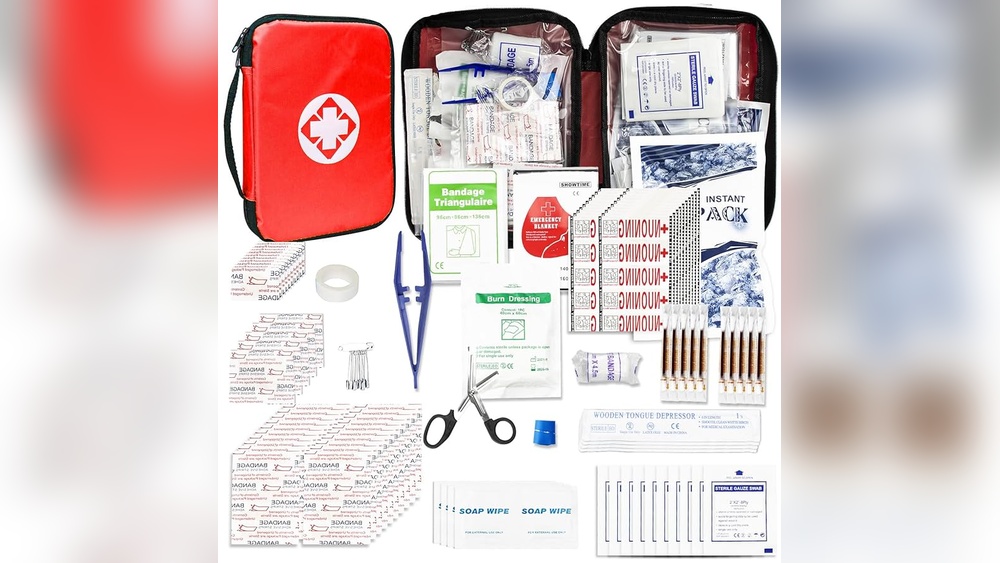
A first aid kit is critical for handling injuries. Include bandages, antiseptic wipes, and adhesive tape. Add pain relievers, scissors, and tweezers.
Have basic medicines for common ailments. Include allergy medicine and any personal prescriptions. Keep your kit organized and easy to access.

Credit: www.amazon.com
Shelter And Warmth
Keeping warm and safe from the weather is key during emergencies. Shelter and warmth protect you from cold, rain, and wind. Without proper gear, health risks rise quickly. Preparing shelter gear helps you stay calm and strong.
Emergency Blankets And Sleeping Bags
Emergency blankets are thin but keep heat inside. They are light and easy to carry anywhere. Sleeping bags add more warmth and comfort. Choose sleeping bags made for low temperatures. Both items help keep your body heat when resting.
Portable Tents And Tarps
Portable tents offer quick shelter from rain and wind. They are easy to set up and take down fast. Tarps are versatile and can cover gear or create shade. Use tarps to build simple shelters on the go. Both protect you from harsh weather outside.
Fire Starting Equipment
Fire brings warmth and helps cook food. Carry fire starters like lighters, matches, or flint rods. Waterproof matches last longer in wet conditions. Keep fire starters in a dry, safe place. Fire also signals for help in emergencies.
Navigation And Communication
Navigation and communication tools are essential for home survival gear. They help you find your way and stay connected during emergencies. These tools increase safety and make rescue easier. Without reliable navigation and communication, survival becomes much harder.
Compasses And Maps
Compasses and maps guide you when technology fails. A compass shows direction using the Earth’s magnetic field. Maps provide a visual layout of the area around you. Together, they help you navigate unfamiliar places. Carry a durable compass and detailed local maps in your kit.
Two-way Radios
Two-way radios allow instant communication without cell service. They work well over short to medium distances. Radios keep family and friends connected during power outages. Choose radios with a good range and clear sound. Extra batteries or solar charging options are helpful.
Emergency Whistles And Signal Mirrors
Emergency whistles make loud sounds to attract attention. They are small and easy to carry. Signal mirrors reflect sunlight to send visual signals. Both tools help rescuers find you quickly. Keep these simple, lightweight items in your survival pack.
Tools And Equipment
Tools and equipment form the backbone of any home survival kit. They help you handle daily challenges and emergencies with ease. The right tools save time, effort, and sometimes even lives. Choose items that are versatile, durable, and easy to use. Here are some essential tools to keep at home.
Multi-tools And Knives
Multi-tools combine many functions in one compact device. They include pliers, screwdrivers, scissors, and more. Carrying one saves space and prepares you for many tasks. A sturdy knife is also vital for cutting, preparing food, or self-defense. Choose knives with sharp blades and comfortable grips. Keep these tools clean and sharp for best use.
Flashlights And Headlamps
Lighting is crucial during power outages or night-time emergencies. Flashlights provide strong, focused light to see clearly. Headlamps free your hands, making tasks easier in the dark. Choose LED models for brighter light and longer battery life. Always keep extra batteries or rechargeable options ready. Reliable lighting boosts safety and confidence in tough situations.
Duct Tape And Paracord
Duct tape fixes almost anything, from torn gear to broken windows. It sticks well and lasts long in different conditions. Paracord is a strong, lightweight rope with many uses. Use it for building shelters, securing items, or even first aid. Both items are small but highly useful in emergencies. Store them within easy reach in your survival kit.
Personal Safety Items
Personal safety items are essential for any home survival kit. They protect you from harm and keep you secure. These tools help you face unexpected situations calmly and confidently. Preparing these items ahead saves time and stress during emergencies.
Protective Gloves And Masks
Protective gloves shield your hands from cuts, germs, and chemicals. Use them when handling debris or cleaning wounds. Masks protect your lungs from dust, smoke, and harmful particles. Have several masks ready to ensure clean breathing air in danger.
Pepper Spray And Personal Alarms
Pepper spray is a simple way to stop an attacker quickly. It is small and easy to carry. Personal alarms make loud noises to scare off threats and attract help. Both items increase your safety when you are alone or outside.
Emergency Contact Information
Keep emergency contact information in a visible, easy-to-reach place. Include phone numbers of family, doctors, and local emergency services. Write down important details on paper and store them in a waterproof case. This information helps responders act fast during a crisis.
Power And Light Sources
Power and light sources are essential in any home survival kit. They keep devices running and provide light during outages. Reliable power helps you stay connected and safe. Light guides your way in darkness and keeps fear away.
Solar Chargers And Power Banks
Solar chargers use sunlight to recharge phones and small devices. They work well outdoors and do not need electricity. Power banks store energy for later use. Charge them fully before emergencies. These tools keep your gadgets alive for days.
Battery Storage And Spare Batteries
Having extra batteries is a smart move. Store different sizes like AA, AAA, and D batteries. Keep them in a cool, dry place. Spare batteries power flashlights, radios, and other essential tools. Check batteries regularly to avoid leaks and loss of power.
Candles And Glow Sticks
Candles provide light and warmth during blackouts. Choose unscented, long-burning candles for safety. Glow sticks are a safe, chemical light source. They work without heat or electricity. Both candles and glow sticks are easy to carry and use anywhere.
Sanitation And Hygiene
Sanitation and hygiene are critical for health during emergencies. Keeping clean prevents illness and keeps your home safe. Proper gear helps manage waste and maintain personal cleanliness easily.
Portable Toilets And Waste Bags
Portable toilets provide a safe place for waste if plumbing fails. They are easy to set up and use anywhere. Waste bags are vital for collecting and sealing trash. Choose bags that are strong and leak-proof. These tools help avoid contamination and bad smells.
Hand Sanitizers And Soaps
Hand sanitizers kill germs quickly without water. Carry bottles with at least 60% alcohol for best effect. Soaps remove dirt and germs from hands thoroughly. Keep bar or liquid soap ready for regular washing. Clean hands reduce the risk of infection.
Feminine Hygiene Products
Feminine hygiene is essential for comfort and health. Stock pads, tampons, or menstrual cups for emergencies. These products help maintain cleanliness and confidence. Include extra supplies to last several days. Proper care prevents irritation and infections.
Credit: www.walmart.com
Frequently Asked Questions
What Essential Items Make Up Must-have Home Survival Gear?
Must-have home survival gear includes water, non-perishable food, first aid kit, flashlight, batteries, and a multi-tool. These items ensure safety and preparedness during emergencies at home.
How Can I Choose The Best Survival Gear For My Home?
Select survival gear based on your family size, climate, and specific needs. Prioritize reliability, ease of use, and long shelf life for maximum preparedness.
Why Is Water Storage Crucial In Home Survival Gear?
Water is vital for hydration and sanitation during emergencies. Storing enough clean water prevents dehydration and helps maintain health until help arrives.
How Often Should I Check And Replace Survival Gear?
Check and rotate your survival gear every six months. Replace expired food, batteries, and medical supplies to ensure everything functions properly during emergencies.
Conclusion
Having the right survival gear keeps you safe during emergencies. Basic tools like water, food, and first aid are essential. A flashlight and batteries help when power goes out. Keep your gear organized and easy to reach. Regularly check your supplies to ensure they work.
Being ready can reduce stress and protect your family. Start gathering your gear step by step. Stay prepared and feel confident in any situation. Safety at home begins with good planning.