Imagine finding yourself in a survival situation. What gear would you reach for first?
The right tools can make all the difference between staying safe and struggling to get by. You need gear that is reliable, easy to use, and fits your specific needs. You’ll discover exactly what essentials should be in your survival kit.
By the end, you’ll feel confident knowing you’re prepared for whatever comes your way. Keep reading to learn how to choose the gear that could save your life.
Basic Survival Tools
Basic survival tools are the foundation of any emergency kit. These items help you stay safe, find food, and build shelter. Carrying the right tools increases your chances of surviving tough situations. Focus on items that are reliable and easy to use. The tools should serve multiple purposes to save space and weight.
Knives And Multi-tools
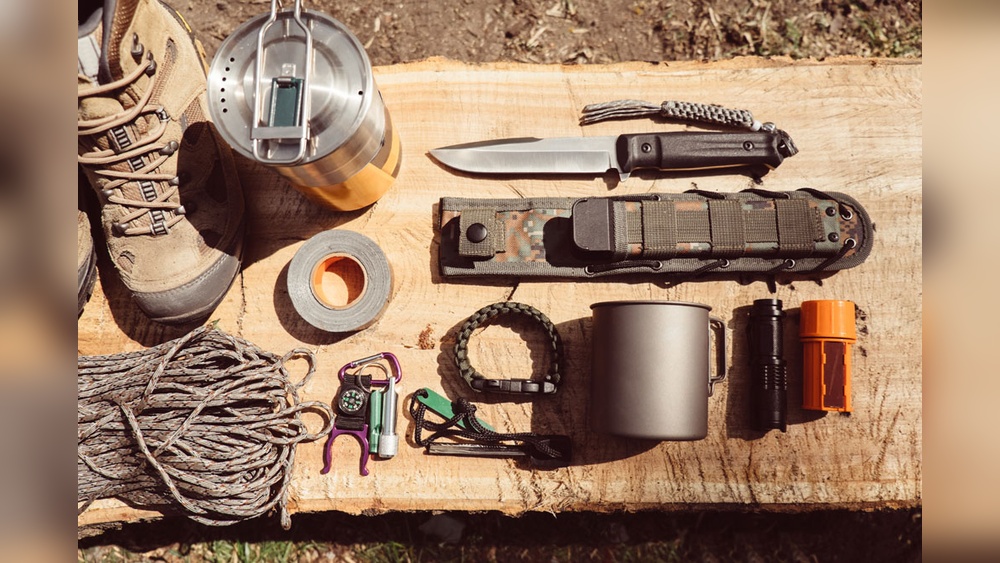
A sharp knife is essential in survival. It cuts rope, prepares food, and builds shelter. Choose a fixed blade knife for strength and durability. A folding knife adds convenience for everyday carry. Multi-tools combine pliers, screwdrivers, and blades in one compact device. They offer versatility and save space in your kit. Always keep your knives sharp and clean for best use.
Fire Starters
Fire provides warmth, light, and a way to cook food. Carry reliable fire starters like waterproof matches or a lighter. A ferrocerium rod is a good backup fire starter. It works even when wet and lasts a long time. Practice starting fires before your trip to avoid frustration. Keep your fire starters dry and accessible at all times.
Shelter Materials
Shelter protects you from weather and insects. Lightweight tarps and emergency blankets work well for quick shelters. A compact tarp can cover you from rain and wind. Emergency blankets reflect body heat to keep you warm. Rope or paracord helps tie shelter materials together. Make sure your shelter materials are easy to carry and set up fast.

Credit: www.amazon.com
Water And Hydration Gear
Water is the most important resource in a survival situation. Staying hydrated keeps your body working well. Without clean water, your health can quickly decline. Carrying the right water and hydration gear can save your life. It helps you find, store, and drink water safely. Here are essential tools for water and hydration in survival.
Water Filters And Purifiers
Water filters remove dirt, bacteria, and parasites from water. They make water safe to drink. Filters often use a small pump or gravity. Purifiers kill viruses and other tiny germs. Some use chemicals, UV light, or heat. Choose a filter or purifier that is lightweight and easy to use. Test it before your trip. Clean water means fewer risks of illness.
Containers And Storage
Containers hold and protect your water supply. Use strong, leak-proof bottles or canteens. Collapsible water bags save space and weight. Large containers are good for base camps. Always keep containers clean to avoid germs. Store water away from heat and sunlight. Clear containers let you see water levels fast. Keep extra containers for emergencies.
Hydration Systems
Hydration systems let you drink hands-free. They include backpacks with built-in water bladders. Tubes allow easy sipping while moving. These systems keep water cool and accessible. Perfect for hiking or long travel. Make sure the tubes do not clog. Clean the system regularly to avoid mold. Hydration systems help you drink often and stay strong.
Food And Cooking Equipment
Food and cooking equipment are essential in any survival situation. They keep you nourished and help maintain energy. Without proper gear, preparing meals becomes difficult. Choosing the right items ensures you stay healthy and ready for challenges.
Non-perishable Food Items
Non-perishable foods last long without spoiling. Examples include canned beans, rice, and dried fruits. These foods provide energy and nutrients. They require little or no refrigeration. Pack lightweight, high-calorie options for easy carrying. Avoid foods with strong odors to keep your pack discreet.
Portable Cooking Gear
Portable cooking gear allows you to heat food quickly. Small stoves or compact burners work well. Choose gear that uses common fuels like propane or alcohol. Lightweight and durable materials are best. A simple setup saves time and fuel. Always carry backup fuel or fire-starting tools.
Utensils And Containers
Utensils help prepare and eat meals with ease. A sturdy spoon, fork, and knife are key. Collapsible or nesting sets save space. Containers store leftovers and protect food from pests. Choose lightweight, BPA-free plastic or metal containers. A small cutting board can also be useful.
Navigation And Signaling Devices
In a survival situation, finding your way and signaling for help are crucial. Navigation and signaling devices help you stay safe and connect with rescuers. These tools guide your path and alert others to your location.
Maps And Compasses
Maps show the land, roads, and landmarks around you. A compass points to north, helping you keep direction. These tools do not need batteries or signals. They are reliable in forests, mountains, or deserts. Learning how to read a map and use a compass is important. They work anywhere, even when technology fails.
Gps Devices
GPS devices use satellites to give exact locations. They help you find your way quickly and easily. Some devices have extra features like tracking and emergency alerts. Batteries are needed, so carry extra power sources. GPS works best in open areas with clear sky views. It may fail in dense forests or deep canyons.
Emergency Signaling Tools
Signaling tools attract attention and call for help. Whistles produce loud sounds that travel far. Mirrors reflect sunlight to catch eyes from a distance. Flares or glow sticks provide bright light at night. Carrying a small signaling kit is wise. These tools increase your chances of rescue.
Clothing And Protection
Clothing and protection are vital in any survival situation. The right gear keeps your body safe from harsh weather and injuries. Wearing suitable clothes helps maintain body temperature and avoid sickness. Protection means more than just clothes; it includes gear that shields you from cuts, bites, and other dangers. Preparing your wardrobe properly increases your chances of staying healthy and comfortable.
Weather-appropriate Clothing
Choose clothes based on the climate you face. Dress in layers to adjust to changing temperatures. Use moisture-wicking fabrics to keep skin dry. Avoid cotton; it traps moisture and cools the body. In cold weather, wear insulated jackets and thermal underwear. In hot climates, pick light-colored, breathable materials. Always carry a waterproof outer layer for rain or snow.
Protective Gear
Protective gear guards you against physical harm. Gloves prevent cuts and insect bites. A hat shields your head and face from the sun. Sunglasses protect your eyes from UV rays and debris. Use knee pads if you need to crawl or kneel often. Carry a sturdy backpack with reinforced straps to hold your gear safely.
Footwear Essentials
Good footwear supports your feet in rough terrain. Choose boots with strong soles and ankle support. Waterproof boots keep your feet dry in wet conditions. Break in your shoes before an emergency to avoid blisters. Carry extra socks to keep feet clean and dry. Proper footwear prevents injuries and helps you move faster.
First Aid And Medical Supplies
In a survival situation, having the right first aid and medical supplies is vital. Injuries and illnesses can happen anytime. Being prepared helps you handle these problems quickly. This can prevent minor issues from becoming serious. A well-stocked first aid kit supports your safety and health.
Basic First Aid Kit
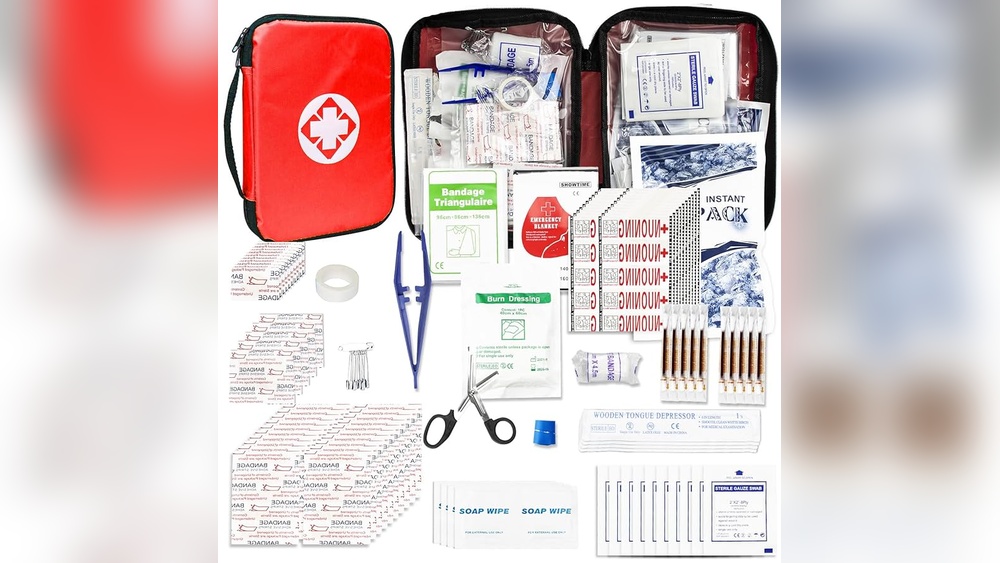
A basic first aid kit should include bandages, gauze pads, and adhesive tape. Sterile wipes and antiseptic solution help clean wounds. Scissors and tweezers are useful for removing splinters or cutting tape. Include pain relievers like acetaminophen and ibuprofen. Gloves protect you from infections. A CPR mask can help in emergencies.
Medications And Treatments
Keep common medications for allergies, stomach issues, and infections. Antihistamines reduce allergic reactions. Anti-diarrheal and antacid tablets treat stomach problems. Antibiotic ointments prevent infection in cuts and scrapes. Burn cream soothes minor burns. Include any personal prescription medicines you need. Replace expired items regularly.
Personal Hygiene Items
Personal hygiene helps prevent sickness and infection. Pack soap or antibacterial wipes for cleaning hands. Toothbrush and toothpaste keep your mouth healthy. Feminine hygiene products are important for women. Hand sanitizer kills germs when water is unavailable. A small towel or cloth aids in cleaning wounds or drying hands.
Lighting And Power Sources
Lighting and power sources are vital in any survival situation. They help you see in the dark and keep your devices working. Without good lighting, danger can increase, and tasks become harder. Power sources keep communication tools and essential gadgets alive. Choosing the right gear can make a big difference.
Flashlights And Headlamps
Flashlights are simple and reliable tools for lighting. They fit easily in pockets or bags. Headlamps free your hands, allowing you to do tasks in the dark. Look for models with bright, long-lasting LEDs. Waterproof and shockproof designs work best in tough conditions. Always carry spare bulbs or lights as backups.
Batteries And Chargers
Good batteries power your devices without fail. Keep extra batteries of the same type on hand. Rechargeable batteries save money and reduce waste. Portable chargers help power your gadgets on the go. Solar chargers offer a renewable way to recharge without electricity.
Alternative Power Options
Alternative power sources boost your chances in survival. Hand-crank generators produce power with manual effort. Solar panels charge devices during daylight hours. Power banks store energy for later use. These options keep your lights and tools ready when needed.
Credit: www.selfrelianceoutfitters.com
Storage And Carrying Solutions
Storage and carrying solutions are vital in any survival situation. Proper gear keeps your supplies safe and easy to access. It helps you stay organized and move quickly. Choosing the right storage tools can make a big difference in how you handle emergencies. Below are key options to consider for your survival kit.
Backpacks And Bags
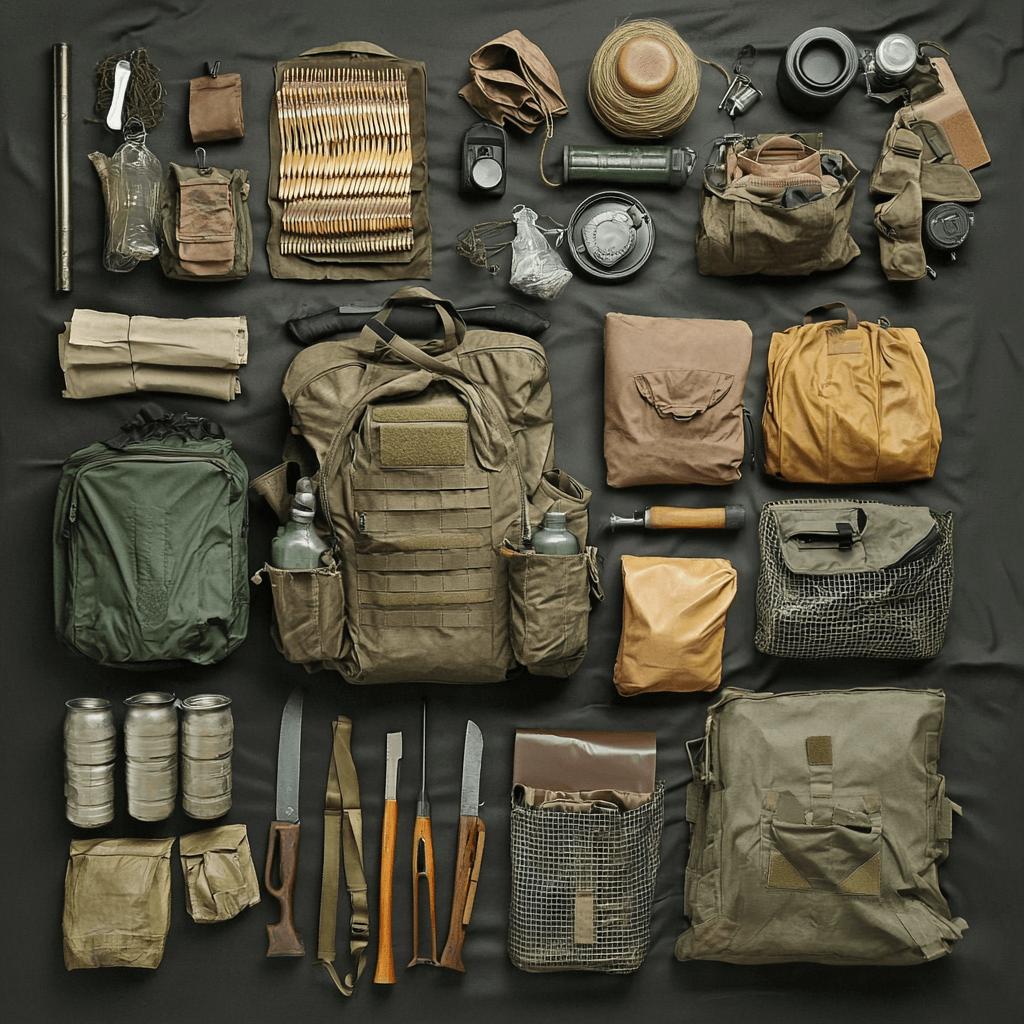
Backpacks are the foundation of your carrying system. Choose one with strong straps and durable material. Look for multiple compartments to separate items. A comfortable fit reduces fatigue during long walks. Bags with MOLLE webbing let you attach extra gear. Size matters—pick a bag that holds essentials without being too heavy.
Organizers And Pouches
Organizers keep small items in order. Pouches help you find tools quickly. Use them for first aid supplies, fire starters, and small tools. Clear or mesh pouches show contents at a glance. Attach pouches inside backpacks or on belts. This setup saves time and prevents losing vital items.
Waterproof Containers
Waterproof containers protect gear from rain and water. Use them for electronics, matches, and documents. Hard plastic cases offer strong protection. Sealable bags work well for lighter items. Keeping things dry ensures your gear works when you need it most. Waterproof containers add a layer of security to your kit.

Credit: www.youtube.com
Frequently Asked Questions
What Essential Gear Do I Need For Survival Situations?
Essential survival gear includes a reliable knife, water purifier, fire starter, first aid kit, and durable shelter. These items ensure safety, hydration, warmth, and protection. Prioritize lightweight, multi-functional tools for convenience and efficiency in emergencies.
How Do I Choose The Best Survival Knife?
Choose a survival knife with a full tang blade, sharp edge, and sturdy handle. It should be versatile for cutting, digging, and self-defense. Durability and comfort are key factors for long-term use in survival scenarios.
Why Is A Water Purifier Vital In Survival Gear?
A water purifier removes harmful bacteria and contaminants from natural water sources. It prevents waterborne diseases and dehydration. Clean water is crucial for survival, making a purifier an indispensable tool in your gear.
What Type Of Shelter Is Best For Survival Situations?
Lightweight, waterproof, and easy-to-assemble shelters like tents or tarps are ideal. They protect against weather, insects, and provide warmth. Choose shelter based on environment and portability to enhance survival chances.
Conclusion
Survival gear keeps you safe and ready in tough times. Choose tools that fit your needs and environment. Focus on essentials like water, shelter, and fire items. Practice using your gear often to build confidence. Stay calm and think clearly during emergencies.
Good preparation makes a big difference in survival. Always check and maintain your equipment regularly. Small, reliable gear beats heavy, complicated tools. Remember, your mindset matters as much as your gear. Stay prepared, stay safe, and trust yourself to handle challenges.