Imagine you’re caught in the middle of a sudden tsunami. The towering wall of water rushes toward you with terrifying speed.
Now, ask yourself: could your scuba gear be the key to surviving this deadly force of nature? You might think having an oxygen tank and fins gives you an edge, but the reality is more complex—and surprising. You’ll discover what really happens underwater during a tsunami and whether your scuba equipment can keep you alive.
Keep reading, because what you learn could change how you think about survival when the waves come crashing down.
How Tsunamis Form
Tsunamis are powerful natural events that can cause massive damage. Understanding how tsunamis form helps explain their strength. These waves start deep in the ocean and travel fast toward the shore. The formation depends on several natural factors.
Causes Of Tsunamis
Tsunamis often begin with underwater earthquakes. When the earth’s plates shift suddenly, they move the ocean floor. This movement pushes a large amount of water upward.
Other causes include volcanic eruptions and underwater landslides. These events also displace water quickly. The sudden movement creates waves that spread out across the ocean.
Wave Characteristics
Tsunami waves are different from normal sea waves. Their length can be very long, sometimes over 100 miles. The wave height in the deep ocean is usually small, often less than three feet.
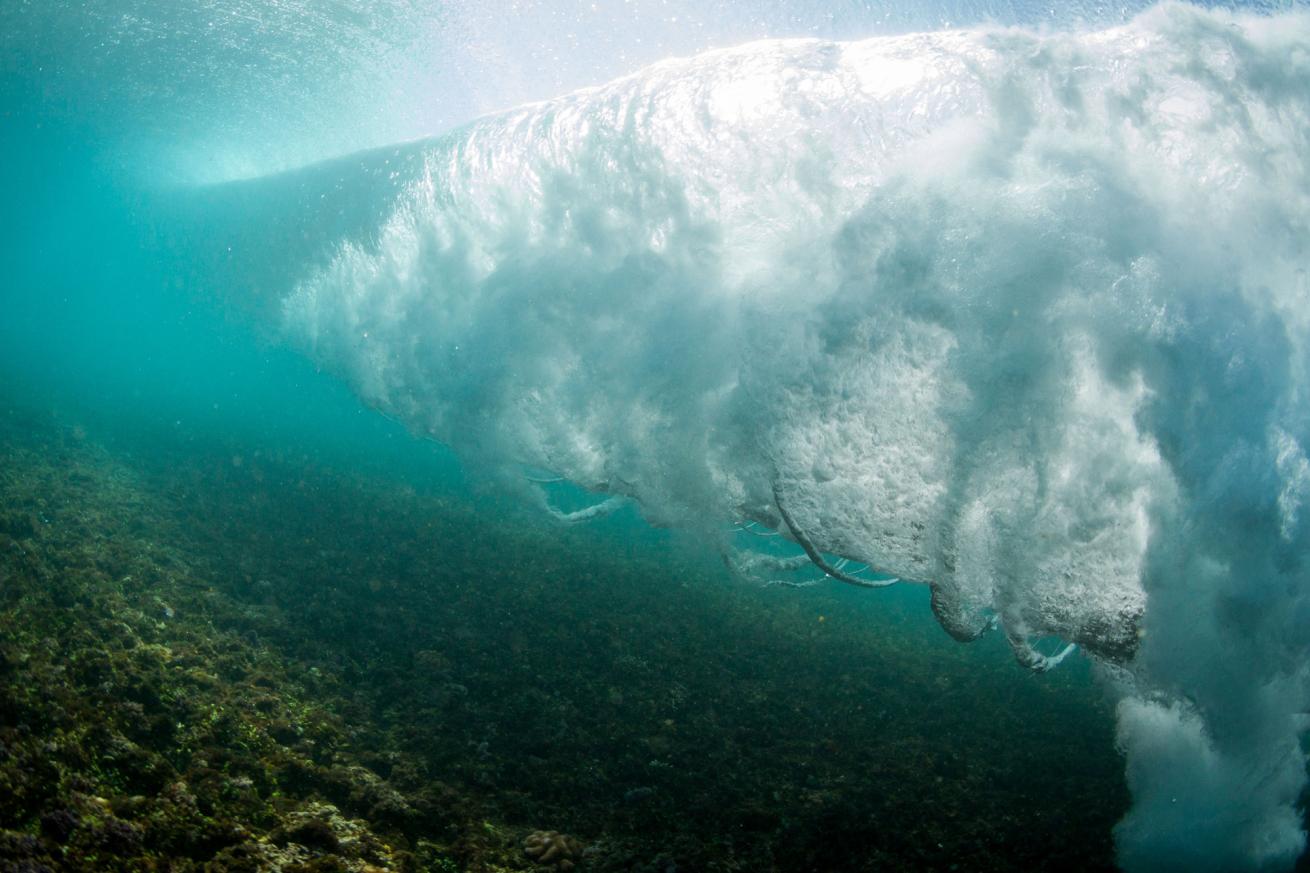
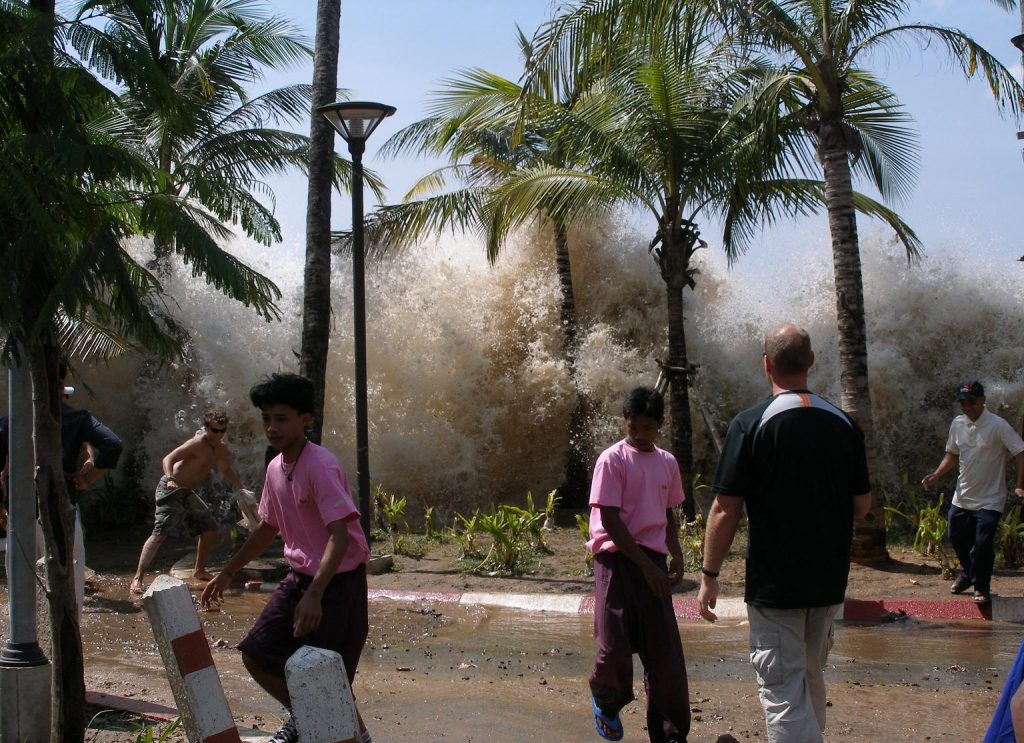
As tsunami waves approach shallow water, they slow down. The wave height grows rapidly, creating tall, powerful walls of water. These waves can travel at speeds up to 500 miles per hour.
Scuba Gear Basics
Understanding scuba gear is key to knowing its role in extreme situations. Scuba gear helps divers breathe and move underwater safely. It includes special tools designed for underwater use. Learning the basics shows what scuba gear can and cannot do. This knowledge helps answer if scuba gear can help survive a tsunami.
Equipment Components
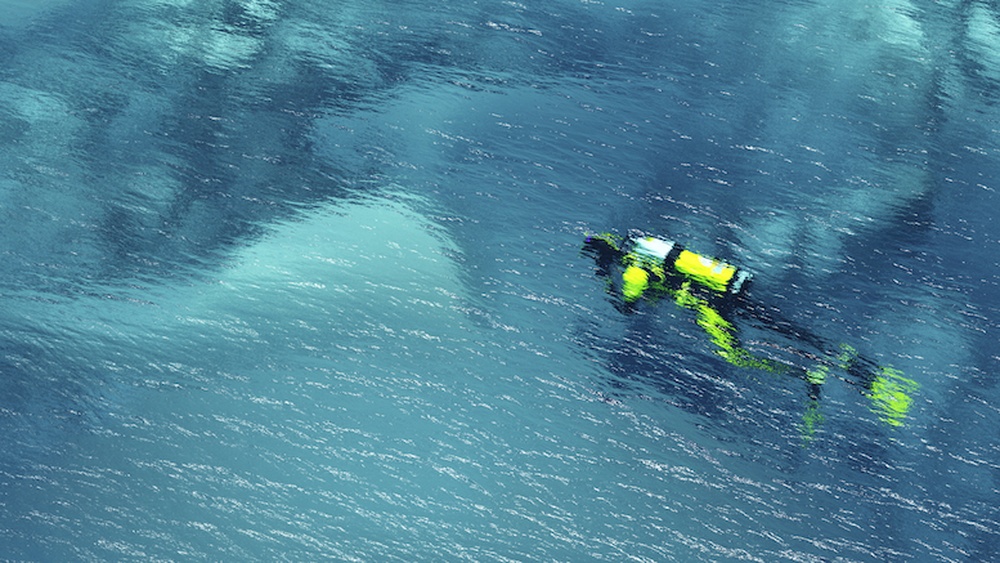
Scuba gear has several main parts. The tank holds air for breathing underwater. The regulator controls air flow from the tank. The mask covers eyes and nose to see clearly. Fins help swimmers move faster in water. The wetsuit keeps the body warm in cold water. Each part has a specific purpose for diving safety.
Typical Uses
Scuba gear is mostly for diving and exploring underwater. People use it for recreation, research, and rescue missions. It helps divers stay underwater for longer times. Scuba gear is not made for strong water currents or waves. It supports breathing but does not protect against powerful forces. Knowing these uses explains its limits in natural disasters.
Challenges Of Tsunami Survival
Surviving a tsunami is extremely difficult, even for experienced divers. The power of a tsunami creates many challenges. Scuba gear alone cannot guarantee safety. Understanding these challenges helps explain why.
Force And Speed Of Waves
Tsunami waves move fast and carry huge force. They can reach speeds over 500 miles per hour in deep water. Near the shore, waves slow but grow taller and stronger. This power can crush objects and sweep people away. Scuba gear does not protect against strong impacts. The force can break equipment and injure the diver. Surviving means withstanding extreme pressure and sudden movements.
Debris And Turbulence
Tsunamis carry large debris like trees, cars, and building parts. These objects collide with great force underwater. Turbulent water makes it hard to stay calm or swim properly. Visibility is often near zero because of mud and particles. Debris can damage scuba gear or trap a diver. Turbulence increases the risk of drowning or injury. Scuba gear offers no shield from flying or sinking debris.
Scuba Gear In Tsunami Conditions
Scuba gear is designed for underwater exploration, not for extreme water disasters. A tsunami creates huge, fast-moving waves with strong currents. These conditions challenge the use of scuba equipment in many ways. Understanding how scuba gear performs in tsunami conditions helps assess its usefulness and risks.
Scuba gear offers buoyancy and breathing support underwater. But a tsunami’s power and chaos can make this gear less effective. It is important to look closely at two main factors: buoyancy and mobility, and breathing limitations.
Buoyancy And Mobility
Buoyancy control helps scuba divers float or sink underwater slowly. In a tsunami, water moves violently and unpredictably. This makes controlling buoyancy very difficult. Strong waves push divers in all directions. Scuba gear can add weight, slowing movement. This reduces a person’s ability to swim quickly to safety. Also, bulky gear can get caught on debris. Mobility becomes a serious problem in fast currents and rough water.
Breathing Limitations
Scuba gear depends on air tanks for breathing underwater. Tanks have limited air supply, usually lasting 30 to 60 minutes. A tsunami can last longer and cover large areas. Running out of air is a real danger. Water may become murky with debris, making breathing harder. In panic, breathing rate increases, using air faster. Also, waves can separate divers from their air tanks or damage equipment. Breathing limitations make scuba gear unsafe in tsunami emergencies.
Risks Of Using Scuba Gear During Tsunamis
Using scuba gear during a tsunami carries serious risks. The extreme power of tsunami waves can make scuba diving equipment unsafe and unreliable. Understanding these dangers is crucial for anyone considering this idea.
Equipment Damage
Tsunami waves create strong currents and carry debris. These forces can break or damage scuba gear easily. Masks may crack, regulators can fail, and tanks might leak. Damaged equipment can cause breathing problems underwater. This risk makes scuba gear unsafe in tsunami conditions.
Visibility Issues
Tsunamis stir up sand, mud, and debris in the water. This causes very poor visibility for divers. It becomes hard to see and navigate underwater. Poor visibility increases the chance of accidents and getting lost. Clear sight is vital for safe scuba diving, which tsunamis do not allow.
Credit: www.scubadiving.com
Alternative Survival Strategies
Surviving a tsunami requires quick thinking and smart actions. Scuba gear may not be the best choice for survival. There are better ways to stay safe during a tsunami. Understanding alternative survival strategies can save your life. These strategies focus on preparation and immediate response.
Evacuation Plans
Know your area’s evacuation routes before a tsunami strikes. Follow official warnings and move quickly. Do not wait for the water to arrive. Plan where to go and how to get there. Practice evacuation drills with your family. This prepares everyone for a fast and safe escape. Always have a go-bag ready with essentials. This helps if you must leave suddenly.
High Ground Seeking
Find the highest ground possible. Tsunami waves are powerful and can flood low areas. Climbing hills or tall buildings increases your safety. Stay away from the shore after a warning. Do not try to swim against the wave. Seek shelter on solid, elevated land. Stay there until authorities say it is safe to leave.
Real-life Accounts And Studies
Surviving a tsunami with scuba gear sounds like a rare story. Real people have faced such moments. Their stories teach us about hope and quick thinking. Studies also help us understand the science behind survival. Both survivor stories and research give us clear insights.
Survivor Stories
Many people have shared their experiences during tsunamis. Some used scuba gear to stay underwater safely. One survivor said the gear helped him breathe while waves passed. Another person used a mask and fins to swim to safety. These stories show how scuba gear can sometimes save lives. They prove quick decisions matter a lot in danger.
Scientific Research
Scientists study tsunamis and survival tactics closely. Research shows scuba gear helps by providing air and protection. It can reduce the risk of drowning in strong currents. However, swimming skills and calmness are also very important. Studies warn that not everyone can survive with scuba gear alone. Many factors like wave size and water temperature affect chances. Science helps us understand both the benefits and limits of scuba gear in tsunamis.
Credit: www.uw360.asia

Credit: www.youtube.com
Frequently Asked Questions
Can Scuba Gear Protect You During A Tsunami?
Scuba gear can help you breathe underwater temporarily. However, it doesn’t protect against strong currents or debris in a tsunami. Survival depends on many factors like location, experience, and water conditions. Relying solely on scuba gear is not a safe tsunami survival strategy.
Is Scuba Diving Safe In Tsunami-prone Areas?
Scuba diving in tsunami-prone areas carries risks due to sudden water surges and debris. Divers should stay informed about tsunami warnings and evacuation plans. Avoid diving during seismic activity or warnings to ensure safety. Preparation and awareness are essential for safe diving in such regions.
How Does Tsunami Water Affect Scuba Equipment?
Tsunami water is turbulent and filled with debris. This can damage scuba gear or cause entanglement. Equipment may also get lost or malfunction due to strong currents. Proper maintenance and secure attachment are crucial but can’t guarantee safety during a tsunami.
What Should You Do If Caught Underwater In A Tsunami?
If caught underwater during a tsunami, stay calm and protect your head. Try to move towards the surface slowly to avoid injury. Avoid panicking and conserve air supply. After surfacing, seek safe land immediately, as tsunami waves can be strong and unpredictable.
Conclusion
Surviving a tsunami with scuba gear is very risky and not reliable. Tsunamis bring huge waves and strong currents that are hard to handle underwater. Scuba gear helps breathe but does not protect from debris or powerful water forces. The best choice is to leave the water and move to high ground quickly.
Being prepared and knowing safety steps saves lives better than any equipment. Always respect nature’s power and stay safe.