Are you worried about how to put food on the table during tough times? You’re not alone.
Many people in Florida are asking the same question: Is Florida getting emergency food stamps? If you or your family need extra support right now, understanding the latest updates on emergency food assistance can make a big difference. You’ll discover what’s available, how to apply, and what you need to know to get help quickly.
Keep reading to find out if you qualify and how to take action today.
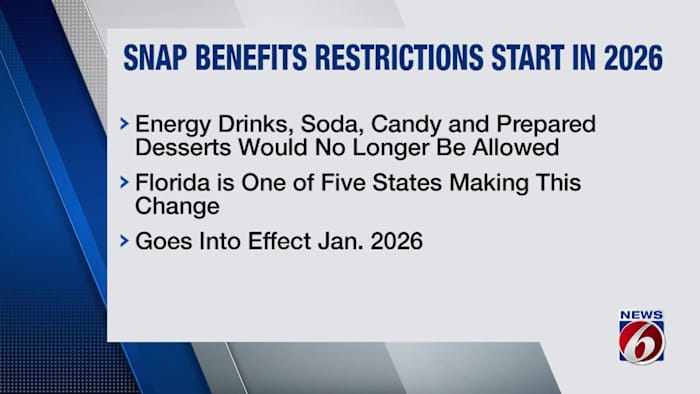
Credit: www.clickorlando.com
Current Food Stamp Program In Florida
The Current Food Stamp Program in Florida, officially known as the Supplemental Nutrition Assistance Program (SNAP), helps many households put food on the table. This program is designed to support families, seniors, and individuals facing financial difficulties. Understanding how it works can make a big difference if you or someone you know needs assistance.
Eligibility Criteria
To qualify for food stamps in Florida, you must meet certain income and resource limits. The program considers your household size, income, and expenses like rent and utilities. Florida also requires applicants to be U.S. citizens or legal residents.
Have you checked if your income falls within the limits? Even small changes in your earnings can affect your eligibility. The state also looks at your work status; able-bodied adults without dependents must meet specific work requirements to keep receiving benefits.
Application Process
Applying for food stamps in Florida is straightforward and can be done online, by mail, or in person. The online portal is user-friendly, allowing you to upload documents and track your application status easily.
Gather documents like proof of income, ID, and rent receipts before applying. This preparation speeds up the process. You’ll also need to complete an interview, usually over the phone, to verify your details.
Benefit Amounts
Benefit amounts depend on your household size and income. The more people in your household, the higher your potential benefit, but income limits reduce the amount you receive.
| Household Size | Maximum Monthly Benefit |
|---|---|
| 1 | $281 |
| 2 | $516 |
| 3 | $740 |
| 4 | $939 |
Have you thought about how these benefits could stretch your grocery budget? Even a small boost can relieve stress and improve your nutrition. If you’re unsure about your benefit amount, use Florida’s online calculators or speak to a caseworker for clarity.
Emergency Food Stamps Explained
Understanding emergency food stamps is crucial if you or someone you know faces sudden financial hardships. These benefits can offer immediate relief when regular assistance programs may take longer to process. Let’s break down what emergency food stamps are, when you can expect them, and how they differ from regular food assistance.
What Are Emergency Food Stamps?
Emergency food stamps are a type of temporary assistance designed to help individuals and families facing an urgent need for food. They provide quick access to funds that can be used to buy groceries, helping you avoid going hungry during tough times.
Unlike standard benefits, these are issued faster and often in higher amounts to meet immediate needs. Think of them as a financial lifeline when your regular support hasn’t kicked in yet.
When Are They Issued?
Emergency food stamps are issued under specific circumstances, typically when you experience a sudden loss of income or an unexpected crisis. For instance, if your paycheck is delayed, or you face a natural disaster, you might qualify.
In Florida, this process usually starts after you apply for regular benefits and are found eligible but must wait for your first payment. The state aims to prevent gaps in food access during these waiting periods.
Differences From Regular Benefits
Regular food stamps, also known as SNAP benefits, follow a monthly issuance and require a thorough eligibility review. Emergency food stamps, however, are faster and sometimes larger to cover immediate needs.
While regular benefits continue as long as you meet the criteria, emergency food stamps are one-time or short-term aids. Understanding this difference helps you plan better and avoid surprises when applying for assistance.
Recent Changes For 2025
Florida is updating its emergency food stamp program for 2025. These changes aim to provide faster aid during crises. Many residents want to know if they qualify under the new rules.
Recent Changes for 2025 Florida residents are witnessing changes in emergency food stamp policies. These changes aim to address the evolving needs of the community. With new policies set for 2025, understanding these updates is crucial.New Policies And Announcements
The government has introduced fresh guidelines for 2025. These policies focus on streamlining the application process. Eligibility criteria have been updated to include more families. The aim is to ensure timely assistance for those in need. Announcements emphasize transparency and quick service delivery.Impact On Florida Residents
The changes bring hope to many Floridians. With broader eligibility, more families can access help. This means fewer people will face food insecurity. Faster processes mean quicker aid for those struggling. Residents can expect smoother interactions with support services.Federal Vs. State Roles
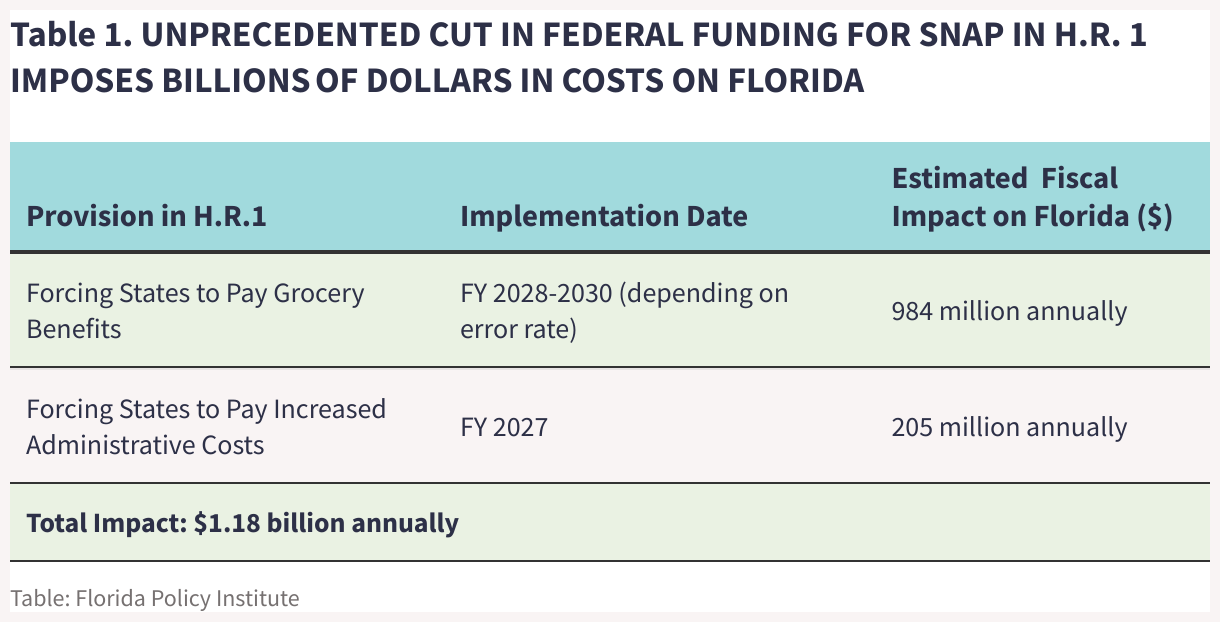
Federal and state governments play different roles in this program. The federal government sets broad guidelines and funds the program. The state manages distribution and ensures compliance. Both work together to support Florida families effectively. Understanding these roles helps residents navigate the system better.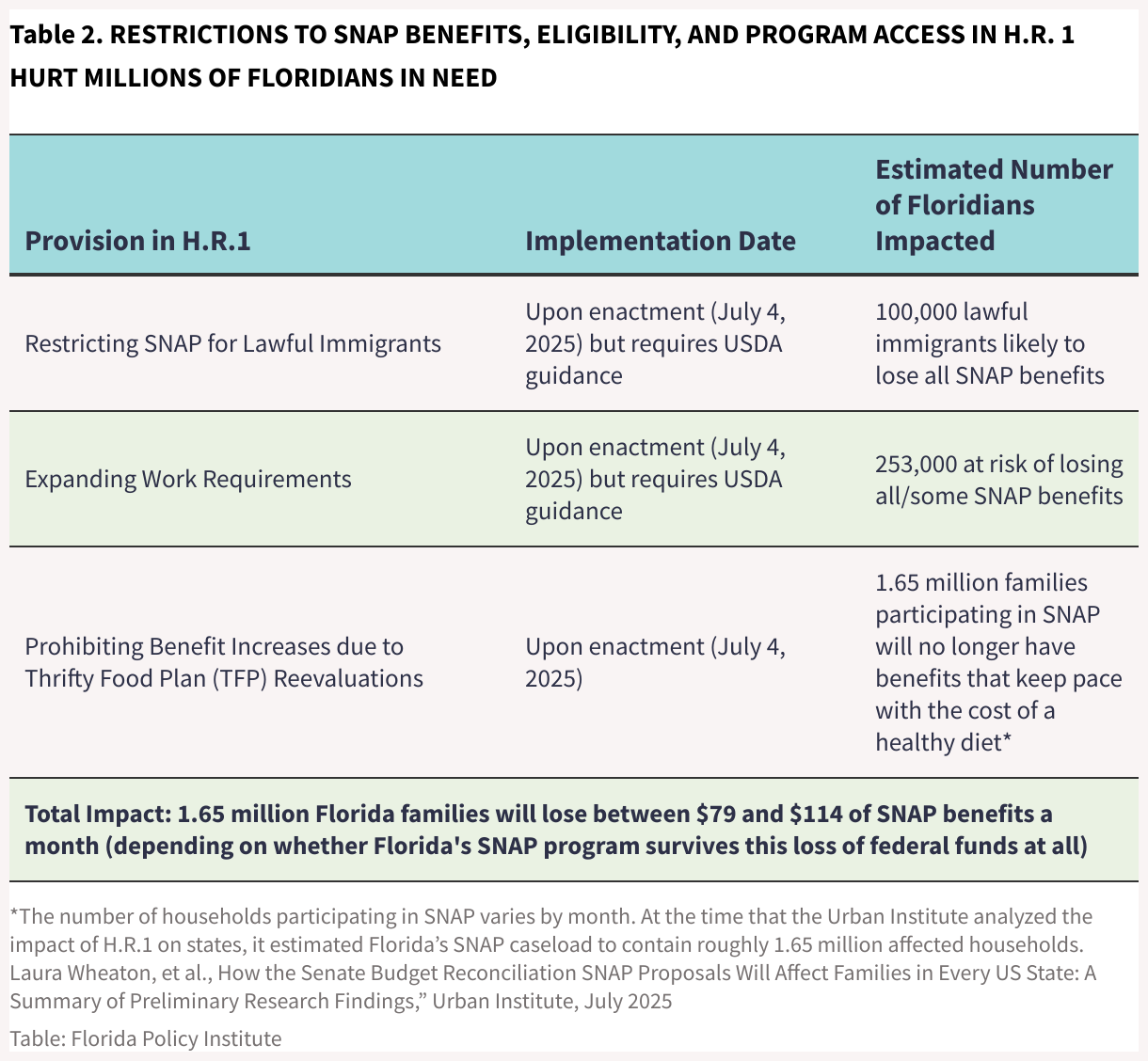
Credit: www.floridapolicy.org
How To Apply For Emergency Benefits
Applying for emergency food stamps in Florida is a straightforward process. It helps those who need immediate food assistance. Knowing how to apply can save time and reduce stress during tough times.
Below are important details on what documents you need, where to apply, and tips to speed up your approval.
Required Documents
- Valid photo ID (driver’s license, state ID, or passport)
- Social Security number or proof of application
- Proof of Florida residency (utility bill, lease, or mail)
- Income verification (pay stubs, benefits letter, or bank statements)
- Household expenses (rent, mortgage, utilities)
- Proof of emergency situation, if available
Where To Apply
- Florida Department of Children and Families (DCF) website
- Local DCF service centers
- By phone through the DCF helpline
- Community organizations assisting with benefits
Tips For Faster Approval
- Submit all required documents at once
- Fill out the application clearly and accurately
- Respond quickly to any requests from DCF
- Use online submission for faster processing
- Check your application status regularly
Challenges And Concerns
Accessing emergency food stamps in Florida involves several challenges and concerns. Many applicants face obstacles that make the process harder than expected. These issues can delay help and create frustration. Understanding these challenges helps applicants prepare better and seek support.
Common Issues Faced By Applicants
- Incomplete or incorrect application forms
- Lack of required documents
- Difficulty understanding eligibility rules
- Language barriers for non-English speakers
- Confusion about program updates or changes
Delays And Processing Times
Processing times for emergency food stamps can be long. Many applicants wait weeks for approval. This delay can cause stress and hardship. Staff shortages and high demand often slow the system. Online portals may crash or freeze during peak times.
Support Resources
- Local community centers offer application help
- Nonprofit organizations provide language assistance
- State helplines answer eligibility questions
- Online guides explain paperwork step-by-step
- Social workers assist with document gathering
Future Outlook For Food Assistance In Florida
The future of food assistance in Florida remains a key concern for many residents. Rising costs and economic challenges put pressure on support systems. The state aims to improve access and efficiency. Efforts focus on policy changes, community involvement, and sustainable programs. These actions hope to provide steady help for those in need.
Potential Policy Developments
Florida may expand emergency food stamp programs. Lawmakers discuss increasing funding to reach more families. New rules could make eligibility clearer and faster. Technology upgrades might improve application processes. These changes seek to reduce wait times and errors.
Advocacy And Community Support
Local groups work hard to raise awareness. They push for better food assistance policies. Volunteers help distribute food and information. Partnerships with nonprofits increase resource availability. Community voices play a vital role in shaping programs.
Long-term Solutions
Focus shifts to ending hunger sustainably. Programs aim to connect people with job training. Education about nutrition and budgeting gains priority. Investments in local food production grow. These steps promote independence and reduce future reliance.
Credit: www.floridapolicy.org
Frequently Asked Questions
Is Florida Offering Emergency Food Stamps Now?
Yes, Florida is currently providing emergency food stamps to eligible residents. This helps those facing sudden financial hardships. The program ensures quick assistance to cover essential food needs during emergencies.
Who Qualifies For Emergency Food Stamps In Florida?
Florida residents experiencing unexpected income loss or crisis may qualify. Eligibility depends on household size, income, and urgent need for food assistance. Applying promptly improves chances of approval under emergency provisions.
How To Apply For Emergency Food Stamps In Florida?
You can apply online through the Florida Department of Children and Families website. Paper applications and phone support are also available for convenience. Early application speeds up the emergency benefit process.
How Fast Are Emergency Food Stamps Issued In Florida?
Emergency food stamps in Florida are usually issued within 7 days. The quick turnaround helps families access food quickly during tough times. Delays may occur if additional documents are required.
Conclusion
Florida offers emergency food stamps to help many families in need. These benefits provide quick support during tough times. Applying is simple, and many qualify for assistance. Staying informed about updates can make a big difference. Emergency food stamps ease the burden of unexpected expenses.
They help ensure no one goes hungry in difficult moments. Keep checking official sources for the latest news and changes. This aid shows Florida’s commitment to helping its residents stay safe and fed.